
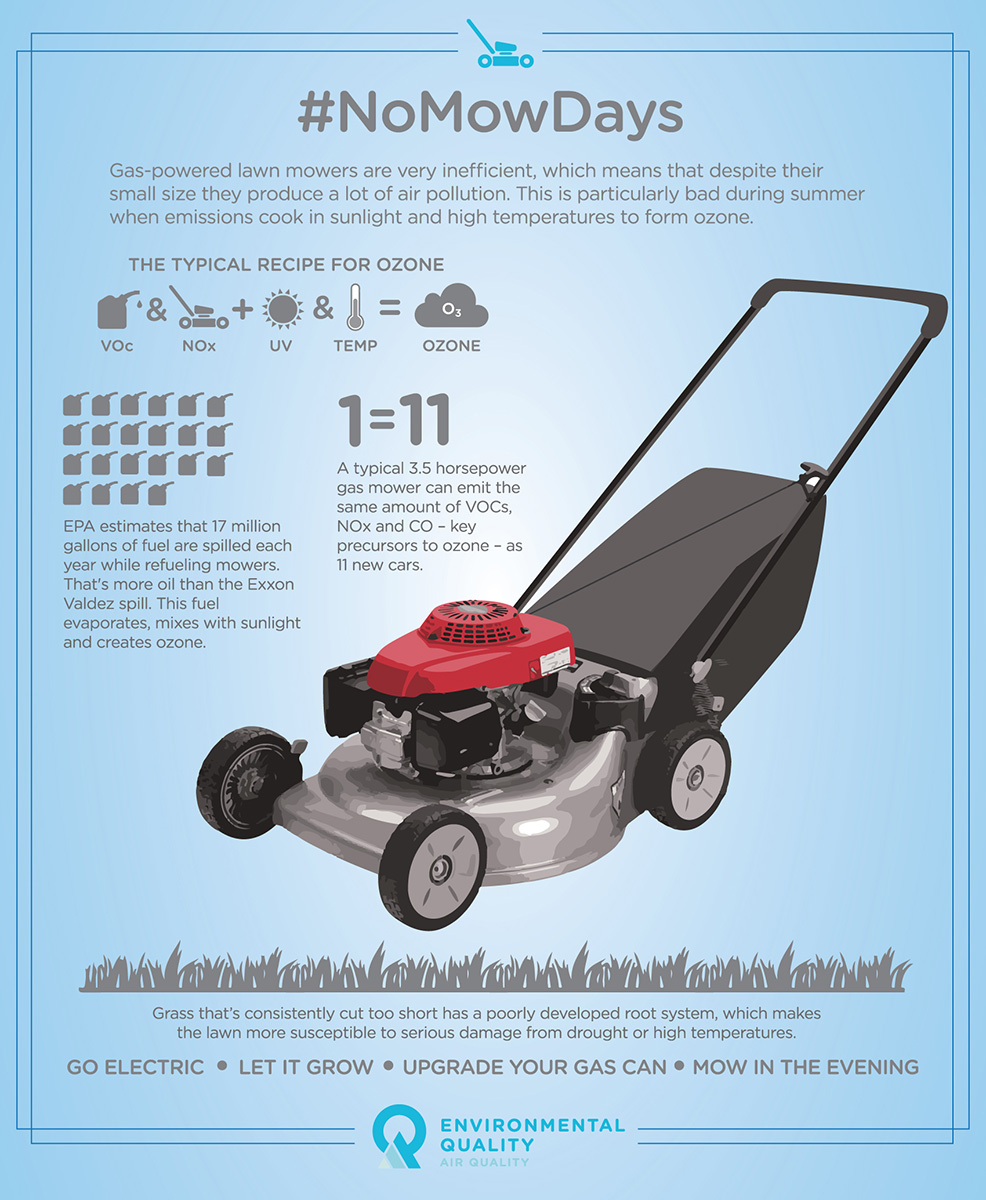
Image Source: deq.utah.gov
How Long to Wait After Spilling Gas on Lawn Mower?
If you’ve spilled gas on your lawn mower, you should wait at least 24 hours for the gasoline to evaporate completely before attempting to start or store the mower. This waiting period is crucial for safety, preventing potential fires and damage.
The Immediate Aftermath: What to Do When Gasoline Meets Your Mower
It happens to the best of us. You’re trying to refuel your trusty lawn mower, and a bit of gasoline sloshes out, landing on the mower’s housing, near the engine, or even on the surrounding grass. A gas spill lawn mower incident can be a bit unnerving, especially with the flammable nature of gasoline. The immediate concern is lawn mower safety after spill.
Safety First: Mitigating Immediate Risks
The most critical step after a fuel spill lawn mower situation is to ensure your immediate safety and prevent any ignition sources from coming into contact with the spilled fuel.
- Remove Ignition Sources: This is paramount. Extinguish any open flames, turn off nearby pilot lights, and avoid smoking in the vicinity. The vapors from gasoline are highly flammable and can travel.
- Ventilate the Area: If the spill occurred in a confined space, open doors and windows to allow the fumes to dissipate. Good ventilation is key to reducing the concentration of flammable vapors.
- Avoid Starting the Mower: Absolutely do not try running lawn mower after gas spill if you’ve just spilled fuel on it. The heat from the engine, a spark from the ignition, or even static electricity could ignite the gasoline.
Assessing the Spill: Where Did the Gasoline Go?
The duration of your wait will depend on how much gas was spilled and where it landed. There are a few key areas where a gasoline on grass or mower spill can occur:
- Mower Housing/Engine Area: This is the most common and potentially hazardous location. Gasoline here can easily come into contact with hot engine parts.
- Grass/Lawn: Even if the spill is primarily on the grass, the fumes can still reach the mower. Also, gas damage to lawn is a concern.
- Fuel Tank/Filler Neck: Spills here are typically minor and evaporate relatively quickly.
How to Clean Gas Spill: Effective Removal Techniques
The goal is to remove as much of the liquid gasoline as possible and then allow the rest to evaporate.
- Absorb the Excess: For larger spills on the mower housing or nearby surfaces, use absorbent materials like shop rags, paper towels, or even old newspapers. Blot the area gently to soak up the liquid gasoline. Avoid rubbing, as this can spread the fuel and the fumes.
- Ventilate While Cleaning: Continue to ensure good ventilation while you are cleaning up the spill.
- Dish Soap and Water (Carefully): For stubborn residue on the mower’s exterior, a mild solution of dish soap and water can be used after the bulk of the gasoline has evaporated. Ensure the mower is cool and disconnected from any power source before attempting this. Dry the area thoroughly afterwards.
The Waiting Game: Why Patience is Essential
The primary reason for waiting after a gas spill lawn mower incident is to allow the volatile organic compounds (VOCs) in gasoline to evaporate. Gasoline is highly flammable due to these vapors.
Evaporation Rates: Factors at Play
Several factors influence how quickly gasoline evaporates:
- Temperature: Warmer temperatures accelerate evaporation.
- Airflow: Wind or a fan will help dissipate fumes faster.
- Amount of Spill: Larger spills take longer to evaporate.
- Surface Area: A spill spread thinly over a large area will evaporate faster than a concentrated pool.
- Porosity of Surface: Gasoline absorbed into porous materials like wood or fabric will evaporate more slowly than on a solid, non-porous surface.
Understanding Vapor Ignition: The Science Behind the Wait
Gasoline doesn’t ignite itself; its vapors do. These vapors are heavier than air and can travel along the ground to an ignition source. When the concentration of these vapors in the air reaches a certain level (the lower explosive limit or LEL), and an ignition source is present (a spark, static electricity, or a hot surface), combustion occurs. This is why safe lawn mower operation dictates a thorough waiting period and cleanup.
How Long is Long Enough? Detailed Waiting Periods
So, how long to wait after spilling gas on lawn mower? This is where the details matter.
Minor Spills (A Few Drops):
If you’ve only spilled a few drops of gasoline on the mower housing or a small patch of grass, and you’ve managed to absorb any liquid quickly:
- Mower Housing: Allow at least 1-2 hours of good ventilation. The smell of gasoline should be largely gone.
- Grass: For gasoline on grass, if it’s a very small amount and you’ve blotted it up, the grass might recover with minimal gas damage to lawn. The vapors from the grass itself are less of a direct ignition risk to the mower unless the spill is very close to the engine. Allow a few hours of drying and ventilation.
Moderate Spills (A Small Puddle):
If a small puddle formed on the mower housing or a larger area of grass, and you’ve absorbed the bulk of it:
- Mower Housing: You should wait at least 6-12 hours, preferably 24 hours, especially if the spill was near the engine or exhaust. Ensure the area is completely dry and the odor of gasoline is minimal to non-existent.
- Grass: For gasoline on grass, larger spills can be more damaging. The best way to remove gas from lawn in this scenario is immediate absorption. Even after absorption, some residue might remain. Allow at least 24 hours for evaporation and ventilation before operating the mower nearby.
Significant Spills (Much of a Fuel Can):
If you’ve accidentally dumped a considerable amount of gasoline:
- Mower Housing: This is a serious situation. You should wait at least 24-48 hours. It’s advisable to use a fan to increase airflow and speed up evaporation. Consider using absorbent materials that can be safely disposed of away from your property.
- Grass: A large spill on the lawn will definitely cause gas damage to lawn. The grass will likely die in that spot. You need to absorb as much as possible and then let the area air out for 48 hours or more. You may need to replace the affected sod later.
The “Best Way to Remove Gas from Lawn” for Larger Spills
When dealing with gasoline on grass, especially larger quantities, immediate action is key.
- Absorb, Absorb, Absorb: Use as much absorbent material as possible – shop towels, kitty litter (non-clumping clay is best), or sawdust. Pack it onto the spill.
- Scoop and Dispose Safely: Once saturated, carefully scoop the absorbent material into a metal container with a tight-fitting lid. Store this container in a safe, well-ventilated area outdoors, away from any buildings or ignition sources, until you can dispose of it properly through hazardous waste channels.
- Rinse (Optional, with Caution): Some sources suggest rinsing the affected area with copious amounts of water. However, this can spread the gasoline and contaminate groundwater or the immediate surroundings. If you do this, do so sparingly and with a strong flow of water directed away from structures.
- Ventilation: Continue to ventilate the area.
What About the Smell?
A lingering smell of gasoline is a strong indicator that flammable vapors are still present. Never operate your lawn mower if you can still strongly smell gasoline on or around it. The smell is your olfactory warning system.
Can I Store the Mower After Spilling Gas?
Absolutely not. Until you are completely sure that all gasoline and its vapors have dissipated, do not store the mower in a shed, garage, or any enclosed space. The risk of fire or explosion in an enclosed area is extremely high. Store it outdoors in a well-ventilated area away from direct sunlight and potential ignition sources.
Post-Spill Checks: What to Look For
Before you even consider running lawn mower after gas spill, perform these checks:
- Visual Inspection: The mower should look and feel dry. There should be no visible signs of wet gasoline.
- Olfactory Check: The distinct smell of gasoline should be gone. If you can still smell it, wait longer.
- Engine Area: Pay close attention to the engine, exhaust, and any electrical components. These areas are particularly prone to ignition.
Damage to the Lawn: Addressing “Gas Damage to Lawn”
Gasoline is a potent herbicide and will kill grass it comes into direct contact with.
- Small Spills: Often, the surrounding grass will be unaffected or only slightly stressed.
- Larger Spills: Expect brown, dead patches. The best approach is to remove the dead sod, aerate the soil, and reseed the area. You can also lay down new sod. Give the area ample time to recover before mowing it again.
Frequently Asked Questions (FAQ)
- Q: I spilled a tiny bit of gas on the side of my mower. Can I use it right away?
A: While a very tiny, quickly wiped spill might seem harmless, it’s always best to err on the side of caution. Wait at least an hour or two in good ventilation. The fumes are invisible and can linger. - Q: My mower smelled like gas yesterday, but it smells fine today. Is it safe to start?
A: If the odor is completely gone and the mower is visually dry, it’s likely safe. However, if you have any doubt, wait an additional day. - Q: What if the gas spilled onto the air filter?
A: This is a more serious concern. Remove the air filter immediately. If it’s soaked, you may need to replace it. Allow the air filter housing and surrounding areas to dry and ventilate thoroughly for at least 24 hours. A saturated air filter can be a fire hazard and will prevent the engine from running properly. - Q: How do I dispose of gasoline-soaked rags or absorbents?
A: Never put them in your regular trash or down a drain. Place them in a sealed metal container and contact your local waste management authority or hazardous waste disposal center for guidance. - Q: Will a little gas spill on the grass kill my lawn?
A: A very small amount might just brown the grass. Larger amounts will kill it. Act quickly to absorb as much as possible.
Conclusion: Prioritizing Safety and Longevity
Dealing with a fuel spill lawn mower incident requires a measured and safety-conscious approach. The question of how long to wait after spilling gas on lawn mower isn’t just about convenience; it’s about preventing fires, protecting your equipment, and ensuring the safety of yourself and others. By allowing adequate time for evaporation, cleaning up spills thoroughly, and performing post-spill checks, you can safely resume mowing and keep your equipment in good working order, minimizing potential gas damage to lawn and maximizing safe lawn mower operation.