
When to water your lawn after fertilizing is a crucial step in post-fertilization lawn care to ensure the fertilizer effectively reaches the grass roots and promotes healthy growth without burning your lawn. The general rule is to water your lawn within 24 hours of applying fertilizer, ideally sooner rather than later. This initial watering helps dissolve the fertilizer granules, allowing them to seep into the soil and become available to your grass. Skipping this step can lead to fertilizer sitting on the blades, potentially causing burn spots.
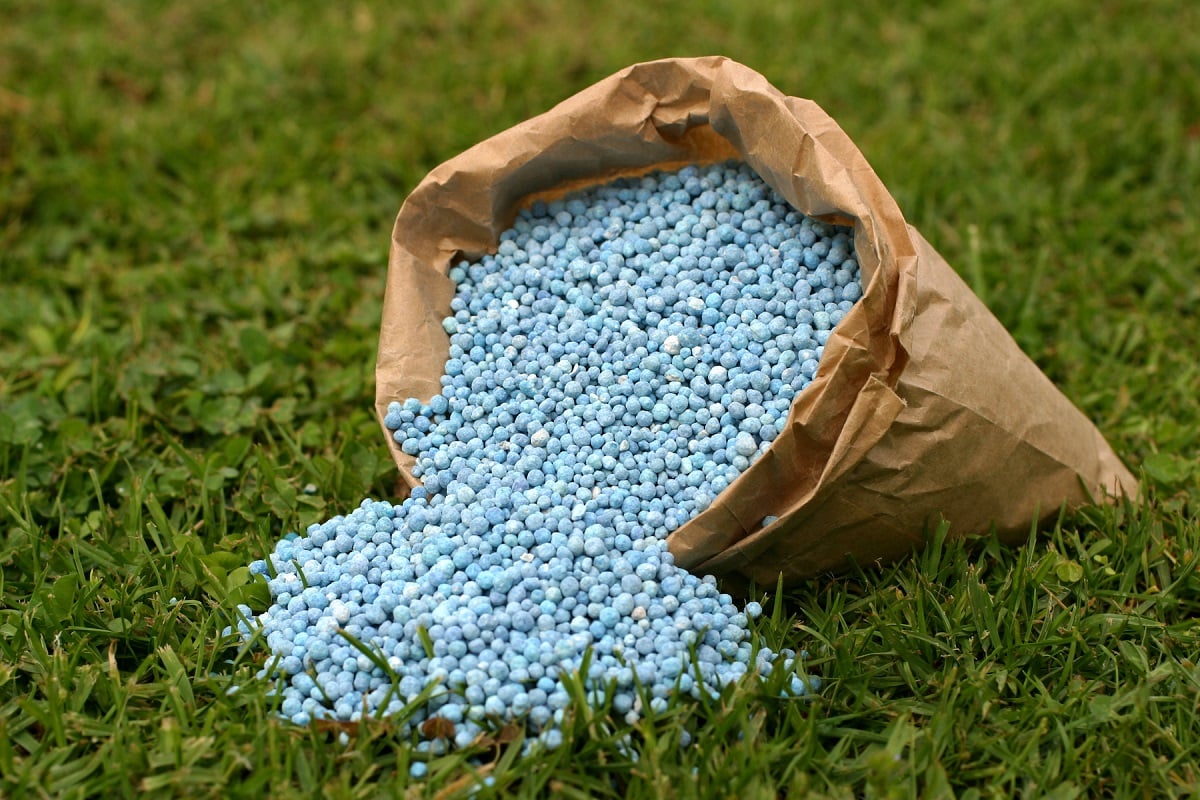
Image Source: www.lawnbuddies.com
The Vital Role of Watering Post-Fertilization
Fertilizing your lawn is like giving your grass a meal. But just like us, grass needs water to properly digest and utilize that meal. Watering after fertilizing isn’t just about preventing damage; it’s about maximizing the benefits of the fertilizer you’ve applied. This hydration process is key for post-fertilization lawn care watering, ensuring the nutrients are delivered effectively to the root zone.
Why Water After Fertilizing?
- Dissolving Fertilizer: Most lawn fertilizers come in granular form. These granules need moisture to break down and release their nutrients. Without water, they can remain on the surface, potentially harming the grass.
- Preventing Fertilizer Burn: Fertilizer contains salts. If left on the grass blades, especially in direct sunlight, these salts can draw moisture out of the grass, causing brown, dead patches – commonly known as fertilizer burn.
- Nutrient Uptake: Grass roots absorb nutrients dissolved in water. The initial watering ensures the fertilizer is in a soluble form, ready for the grass to absorb and use for growth.
- Seeding Success: If you’ve fertilized a new lawn or are overseeding, watering is essential to help the new seeds germinate and establish.
When to Water Lawn After Fertilizing: The Golden Rule
As mentioned, the best time to water fertilized lawn is typically within 24 hours of application. However, timing can be influenced by several factors:
Immediate vs. Delayed Watering
- Immediate Watering (Within a Few Hours): This is often the ideal scenario, especially for synthetic fertilizers. It quickly dissolves the granules and washes them off the grass blades, minimizing the risk of burn.
- Within 24 Hours: If immediate watering isn’t possible, aim to water your lawn within the first day. This still allows the fertilizer to dissolve effectively before it can cause significant damage.
- After 24 Hours: Watering beyond 24 hours increases the risk of fertilizer burn, especially if the weather is hot and dry, or if you applied a more concentrated fertilizer.
Factors Influencing Watering Timing
- Fertilizer Type:
- Granular Fertilizers: These require watering to dissolve. The timing is critical.
- Liquid Fertilizers: Many liquid fertilizers are designed to be absorbed quickly, but it’s still good practice to water them in to ensure even distribution and absorption into the soil. Always follow product instructions.
- Slow-Release Fertilizers: These are formulated to release nutrients over time. While they are more forgiving, watering is still recommended to initiate the release process and prevent a salt buildup on the surface.
- Weather Conditions:
- Hot and Dry Weather: In these conditions, watering sooner is more important. The heat can exacerbate fertilizer burn, and dry soil won’t help dissolve the granules.
- Cool and Cloudy Weather: You have a bit more leeway, but still, aim for that 24-hour window.
- Rain Forecast: If significant rain is expected within 12-24 hours, you might be able to skip your own watering. However, ensure the rain is sufficient to dissolve the granules. A light shower might not be enough.
- Grass Type and Health:
- Established, Healthy Lawns: These are generally more resilient.
- New Seed or Sod: These are much more delicate and require prompt watering after any application to aid establishment.
- Dormant or Stressed Lawns: Be extra cautious when fertilizing and watering these lawns.
How Much Water After Lawn Fertilizer: Finding the Right Amount
Knowing how much water after lawn fertilizer to apply is as important as the timing. The goal is to moisten the soil, not to create a swamp.
The Rule of Thumb
A good general guideline is to provide about 0.5 to 1 inch of water. This is enough to dissolve the fertilizer and carry it into the root zone without over-saturating the soil.
Measuring Water Application
- Rain Gauge: Place a rain gauge in your lawn to measure how much water you’re applying.
- Tuna Can or Jar Method: Place several empty tuna cans or shallow jars around your lawn. Time how long it takes your sprinkler to fill them to a consistent depth (e.g., ½ inch). This will give you a good estimate for future watering sessions.
Watering Methods
- Sprinklers: Ensure your sprinklers are set to water evenly across the lawn. Adjust them if you notice dry spots or areas that are being over-watered.
- Soaker Hoses: These deliver water directly to the soil surface and can be very efficient.
Watering Schedule After Fertilizer: Establishing a Routine
The watering schedule after fertilizer isn’t just a one-time event. It’s part of a broader post-fertilization lawn care watering strategy.
Initial Watering
- Duration: Run your sprinklers until you’ve applied the target amount of water (0.5 to 1 inch). This might take anywhere from 15 minutes to over an hour, depending on your sprinkler system’s output.
- Frequency: This is a single event immediately following fertilization.
Subsequent Watering
After the initial watering, revert to your lawn’s normal watering schedule. This typically means:
- Deep and Infrequent Watering: Water deeply a few times a week rather than shallowly every day. This encourages roots to grow deeper, making the lawn more drought-tolerant.
- Timing: Water early in the morning (between 4 AM and 10 AM) to minimize evaporation and allow the grass to dry off before nightfall, reducing the risk of fungal diseases.
Hydrating Lawn Post-Fertilization: Best Practices
Hydrating lawn post-fertilization involves more than just turning on the sprinkler. It’s about a holistic approach to your lawn’s health.
Key Lawn Watering Tips After Fertilizing:
- Check Soil Moisture: Before watering, feel the soil. If it’s already moist, you might not need to water as much, or you can wait a few hours longer, provided you are still within the safe window.
- Avoid Watering at Night: As mentioned, watering late can lead to fungal issues.
- Adjust for Rainfall: If you’ve had significant rain, you might be able to skip your watering, but always confirm it was enough to dissolve the fertilizer.
- Observe Your Lawn: Pay attention to how your lawn responds. If you see signs of stress or wilting, it needs water.
- Consider Drainage: Ensure your lawn has adequate drainage. Waterlogged soil can suffocate roots and promote disease.
Fertilizing and Watering Lawn: A Harmonious Relationship
Fertilizing and watering lawn are two sides of the same coin when it comes to lawn maintenance. One provides the food, the other ensures it’s digestible and delivered.
Timing Fertilizer Application with Watering
- After a Rain: Fertilizing just after a good rain can be beneficial, as the soil is already moist, and the rain helps wash the fertilizer into the soil. However, be mindful that fertilizing a very wet lawn might cause granules to stick to the grass.
- Before a Rain: If a good rain is forecast within 24-48 hours, you can often fertilize beforehand. The rain will act as your “watering in” process. However, avoid fertilizing if heavy rain is expected within a few hours, as it could wash the fertilizer off your lawn and into storm drains.
Irrigation Frequency After Fertilizing
The irrigation frequency after fertilizing primarily refers to that initial watering. Once the fertilizer is dissolved and in the soil, you can return to your lawn’s regular watering routine. The key is to ensure that initial “wash-in” is sufficient.
Common Questions About Watering After Fertilizing
Let’s address some frequently asked questions about post-fertilization lawn care watering.
FAQ: Watering Your Fertilized Lawn
| Question | Answer |
|---|---|
| Can I water my lawn immediately after fertilizing? | Yes, it is often the best practice, especially for granular fertilizers, to water immediately or within a few hours to dissolve the granules and prevent burn. |
| What happens if I don’t water my lawn after fertilizing? | The fertilizer granules can sit on the grass blades, draw moisture out of them, and cause brown, dead patches (fertilizer burn). Nutrients may also not reach the root zone effectively. |
| How long should I water after fertilizing? | Water long enough to apply 0.5 to 1 inch of water. This usually means running sprinklers for a period that achieves this depth, not just a quick sprinkle. |
| Is it okay to fertilize and water on the same day? | Yes, it’s highly recommended. Watering after fertilizing is crucial for the fertilizer’s effectiveness and to prevent damage. |
| Should I water before or after mowing if I fertilize? | It’s generally best to fertilize a dry lawn and then water it in. If you mow, it’s usually recommended to mow first, then fertilize, and then water. Avoid fertilizing right before a rain that might wash it away or immediately after watering to avoid blade damage. |
| What if it rains after I fertilize? | If significant rain (enough to moisten the soil well and dissolve fertilizer) is expected within 12-24 hours, you might be able to skip your own watering. Monitor the rainfall and lawn condition. |
| Does the type of fertilizer matter for watering? | Yes, granular fertilizers typically require watering to dissolve, while some liquid fertilizers may have specific instructions. Slow-release fertilizers are more forgiving but still benefit from watering to begin nutrient release. |
Conclusion: The Water-Fertilizer Connection
How long to water lawn after fertilizer is a straightforward question with a critical answer: promptly. By adhering to the watering schedule after fertilizer and ensuring you provide adequate how much water after lawn fertilizer, you are actively participating in successful post-fertilization lawn care watering. This simple yet vital step of hydrating lawn post-fertilization ensures your lawn receives the full benefits of your efforts, leading to a lush, healthy, and vibrant green space. Remember these lawn watering tips after fertilizing and the principles of fertilizing and watering lawn to keep your turf in top condition. The irrigation frequency after fertilizing is primarily focused on that initial “wash-in,” after which your lawn’s regular watering needs resume.