
How long should you water your lawn in Florida? Generally, aim for about 1 to 1.5 inches of water per week, split into a few watering sessions. This helps your grass grow deep roots.
Florida’s climate is unique, and so is its approach to lawn care. If you’re striving for that perfect, emerald green carpet in your yard, you need to know the ins and outs of watering. This guide will help you master the art of how to water lawn in Florida for lush grass. We’ll cover everything from the Florida lawn watering schedule to specific grass types and crucial restrictions.
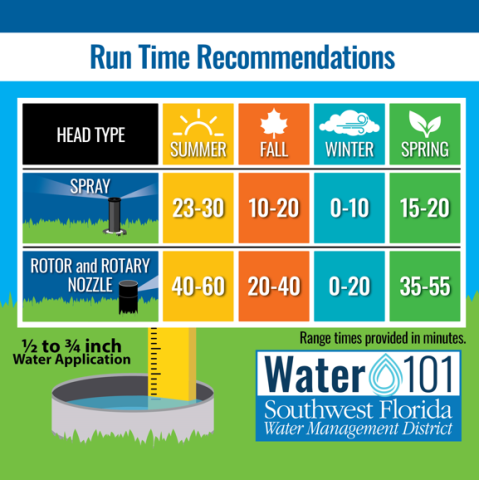
Image Source: www.swfwmd.state.fl.us
The Importance of Proper Watering in Florida
Water is life, and for your lawn, it’s the key to survival and thriving, especially in the Sunshine State. Florida’s heat, humidity, and sandy soil present distinct challenges. Incorrect watering can lead to shallow roots, increased disease risk, and wasted water. Deep, infrequent watering encourages strong root systems that can reach deeper into the soil for moisture. This makes your lawn more resilient to drought, heat stress, and even pests.
Why Deep Watering is Key
Deep watering lawn Florida means saturating the soil to a depth of 4-6 inches. This encourages grass roots to grow downwards, seeking out moisture. Shallow, frequent watering only wets the top layer of soil, leading to weak, shallow roots that are more susceptible to drying out. Think of it like drinking: gulping down a lot of water at once is more effective than sipping tiny amounts all day.
Common Watering Mistakes to Avoid
- Watering too often: This can lead to root rot and fungal diseases.
- Watering too little: Shallow roots can’t access enough moisture.
- Watering during the heat of the day: Much of the water evaporates before it can reach the roots.
- Overwatering: This wastes water and can damage your lawn.
- Not considering rainfall: Relying solely on a schedule without checking if it has rained is inefficient.
Deciphering Florida’s Watering Regulations
Before you even think about when to water, it’s vital to know the rules. Florida watering restrictions are in place to conserve water, a precious resource in many parts of the state. These restrictions vary by county and municipality, but they generally limit the days and times you can water your lawn.
Common Florida Watering Restrictions
- Residential watering days: Most areas allow watering one to two days a week. Often, odd-numbered addresses water on specific days and even-numbered addresses on others.
- Watering times: Watering is typically restricted to the early morning hours (e.g., 4 a.m. to 10 a.m.) or sometimes early evening. This is to minimize evaporation and reduce the risk of fungal diseases by allowing the grass blades to dry before nightfall.
- Broadcast irrigation bans: Some restrictions may prohibit watering during certain hours of the day, regardless of the day.
- New landscaping exceptions: Newly installed sod or seed may have different watering allowances for a limited period.
Always check with your local water utility or government website for the most accurate and up-to-date information on watering restrictions in your specific area. Failure to comply can result in fines.
The Best Time to Water Lawn Florida
The best time to water lawn Florida is during the early morning hours. This is typically between 4 a.m. and 10 a.m.
Why Early Morning is Ideal
- Reduced Evaporation: Cooler temperatures and less wind in the morning mean more water reaches the soil and roots, rather than evaporating into the air.
- Disease Prevention: Watering in the morning allows the grass blades to dry throughout the day. Wet grass overnight can promote fungal growth and disease.
- Water Pressure: Water pressure is often higher in the early morning, ensuring your sprinklers distribute water efficiently.
What to Avoid
- Midday Watering: Watering during the hottest part of the day is highly inefficient due to rapid evaporation.
- Evening Watering: Watering late in the evening or at night leaves grass blades wet for extended periods, creating a perfect environment for fungal diseases.
How Often to Water Grass Florida
The how often to water grass Florida question doesn’t have a single answer, as it depends on several factors. However, a general guideline for most established lawns is to water deeply once or twice a week.
Factors Influencing Watering Frequency
- Grass Type: Different grasses have varying water needs.
- Soil Type: Sandy soils drain quickly, requiring more frequent watering than clay soils.
- Weather Conditions: Hot, dry, and windy weather will necessitate more frequent watering than cool, humid conditions.
- Season: Lawns generally need more water during the hot, dry summer months and less during the cooler, wetter winter months.
- Sunlight Exposure: Lawns in full sun will dry out faster than those in shade.
Establishing a Watering Routine
Instead of a rigid schedule, learn to read your lawn. Wilting grass often shows signs like a bluish-gray tint or footprints remaining visible after walking on it.
- Established Lawns: Aim for deep watering (1 to 1.5 inches) once or twice a week.
- New Sod/Seed: Requires more frequent, lighter watering for the first few weeks until established. Follow specific installation guidelines.
Watering Frequency Lawn Florida: Tailoring to Your Needs
Understanding your watering frequency lawn Florida needs requires observation. The goal is to keep the soil consistently moist, but not waterlogged.
Tools for Measuring Water
- Tuna Cans or Rain Gauges: Place these around your lawn to measure how long it takes your sprinklers to deliver 1 inch of water.
- Soil Moisture Meters: These tools can give you a precise reading of soil moisture levels, helping you avoid overwatering.
Adjusting for Conditions
- Heatwaves: You may need to increase watering to twice a week, ensuring you still water deeply.
- Rainy Periods: If you receive at least 0.5 inches of rain, you can often skip a scheduled watering.
Deep Watering Lawn Florida: The Foundation of a Healthy Lawn
Deep watering lawn Florida is crucial for developing a resilient turf. This means soaking the soil to a depth of 4-6 inches.
How to Achieve Deep Watering
- Know your sprinkler output: Use your tuna cans or rain gauges to determine how long it takes to apply 1 inch of water.
- Apply the right amount: If your sprinklers apply 0.5 inches per hour, you’ll need to run them for 2 hours to achieve 1 inch of water.
- Break it up: For a 1-inch application, you might water for 1 hour, let it soak in for a few hours, and then water for another hour. This prevents runoff and allows deeper penetration.
Benefits of Deep Watering
- Stronger Roots: Encourages roots to grow deeper, accessing moisture and nutrients further down.
- Drought Tolerance: A well-rooted lawn can withstand dry spells more effectively.
- Reduced Weed Growth: Healthy, dense turf crowds out weeds.
- Less Disease Susceptibility: Stronger grass is better equipped to fight off diseases.
Common Grass Types in Florida and Their Watering Needs
Florida is home to several popular grass types, each with slightly different watering requirements. Knowing your grass is key to tailoring your Florida lawn watering schedule.
St. Augustine Grass Watering St. Augustine grass watering Florida
St. Augustine grass is a popular choice in Florida for its shade tolerance and coarse texture. It prefers moist soil but can be susceptible to fungal diseases if overwatered or if grass blades remain wet for too long.
- Watering Frequency: Generally needs about 1 to 1.5 inches of water per week, applied in one or two deep watering sessions.
- Signs of Thirst: Can wilt and turn a bluish-gray color during dry periods.
- Considerations: Ensure good drainage. Avoid watering late in the evening.
Bermuda Grass Watering Bermuda grass watering Florida
Bermuda grass is known for its drought tolerance and ability to recover from stress. It thrives in full sun and requires more water during active growth periods.
- Watering Frequency: Needs about 1 to 1.25 inches of water per week, often in one deep watering session. It can tolerate short periods of drought by going dormant.
- Signs of Thirst: Turns a dull, grayish-green color when it needs water.
- Considerations: It’s a sun-loving grass and needs at least 6-8 hours of direct sunlight daily.
Zoysia Grass
Zoysia grass is another hardy option, offering a dense, attractive turf that also has good drought tolerance once established.
- Watering Frequency: Similar to Bermuda, it needs about 1 to 1.25 inches of water per week, ideally applied in one deep watering session.
- Signs of Thirst: Blades will fold or roll inward, and the color may dull.
- Considerations: It’s relatively low-maintenance and performs well in a variety of conditions.
Bahia Grass
Bahia grass is often used in landscapes with less intensive care, such as roadsides and large common areas, due to its excellent drought tolerance and ability to grow in poor soils.
- Watering Frequency: Needs about 0.75 to 1 inch of water per week. It’s very drought tolerant and may not require supplemental watering during periods of adequate rainfall.
- Signs of Thirst: Develops a silvery or grayish cast.
- Considerations: It can develop seed heads that some homeowners find unsightly.
Drought Tolerant Grass Florida: Smart Choices for Dry Times
Choosing drought tolerant grass Florida varieties can significantly reduce your watering needs and make your lawn more resilient to dry spells.
Top Drought-Tolerant Grasses for Florida
- Bermuda Grass: As mentioned, it’s a champion of drought tolerance.
- Zoysia Grass: Another excellent choice that can handle dry conditions well.
- Centipede Grass: Known for its low fertilizer needs and good shade tolerance, it also has decent drought tolerance.
- Seashore Paspalum: This grass can tolerate brackish water and has good drought tolerance, making it suitable for coastal areas.
Preparing Your Lawn for Drought
Even if you don’t have a drought-tolerant grass, you can improve your lawn’s resilience:
- Deep Watering: Encourages deep root growth.
- Proper Mowing: Keep your mower blades sharp and mow at the higher end of the recommended height for your grass type. Taller grass shades the soil, reducing moisture loss.
- Aeration: Improves water and air penetration into the soil, especially important for compacted soils.
- Soil Health: Healthy soil with good organic matter content retains moisture better.
Sandy Soil Lawn Watering Florida: Addressing Drainage Challenges
Much of Florida has sandy soil, which drains very quickly. This presents a unique challenge for sandy soil lawn watering Florida.
How Sandy Soil Affects Watering
- Rapid Drainage: Water passes through sandy soil quickly, meaning less water is available for the roots.
- Nutrient Leaching: Nutrients can also be washed away by frequent, heavy watering.
Strategies for Sandy Soil
- Frequent, Shorter Waterings (Initially): For new lawns or during extreme heat, you might need to water more frequently to keep the root zone moist, but still aim for deep penetration over time.
- Split Waterings: Apply half the required water, let it soak in for a few hours, and then apply the second half. This helps the water penetrate deeper before it drains away.
- Improve Soil Structure: Amend your soil with organic matter (compost) to improve its ability to hold moisture. This is a long-term strategy.
- Mulching: While not typically for lawns, in garden beds surrounding your lawn, mulch helps retain soil moisture.
- Use Efficient Sprinklers: Ensure your sprinklers are applying water evenly and efficiently to minimize waste.
Maintaining a Lush Lawn: Beyond Watering
While watering is crucial, achieving lush grass in Florida involves more than just turning on the sprinklers.
Mowing Practices
- Mow High: Cut your grass at the higher end of the recommended range for your grass type. Taller grass shades the soil, keeps it cooler, and reduces water evaporation.
- Sharp Blades: Dull mower blades tear grass, making it more susceptible to disease and moisture loss.
- Mulch Clippings: Leave grass clippings on the lawn. They act as a natural fertilizer and help retain soil moisture.
Fertilization
- Right Time, Right Amount: Fertilize according to your grass type’s needs and the season. Over-fertilizing can lead to excessive growth that demands more water and makes the lawn more prone to disease.
- Slow-Release Fertilizers: These provide nutrients gradually, supporting consistent growth without overwhelming the plant.
Aeration and Dethatching
- Aeration: This process creates small holes in the soil, allowing air, water, and nutrients to reach the root zone more effectively. It’s particularly beneficial for compacted soils, common in high-traffic areas.
- Dethatching: Removing excess thatch (dead grass stems and roots) prevents water and nutrients from reaching the soil. It’s usually done when thatch layers are more than half an inch thick.
Creating Your Florida Lawn Watering Schedule
Developing a Florida lawn watering schedule is an ongoing process that requires observation and adaptation.
Step-by-Step Approach
- Identify Your Grass Type: This is the first and most crucial step.
- Know Your Soil Type: Is it sandy, clay-heavy, or loamy?
- Check Local Watering Restrictions: Adhere to the allowed days and times.
- Measure Your Sprinkler Output: Determine how long it takes to apply 1 inch of water.
- Observe Your Lawn: Look for signs of thirst (bluish tint, footprints).
- Monitor Weather: Adjust watering based on rainfall and temperature.
- Adjust as Needed: Be prepared to change your routine based on the season and specific weather patterns.
Seasonal Adjustments
- Spring: As temperatures warm, begin watering according to your schedule. Start with one deep watering per week.
- Summer: This is typically the most water-intensive period due to heat and potential dry spells. You may need to water twice a week, always deeply and during allowed times. Watch for signs of heat stress.
- Fall: As temperatures cool and rainfall increases, you can gradually reduce watering frequency.
- Winter: Many lawns require very little supplemental watering in winter, especially if you receive adequate rainfall. However, if you have dormant grass and a dry spell occurs, light watering may be needed.
Frequently Asked Questions (FAQ)
Q1: How much water does my lawn really need?
A: Most established lawns in Florida need about 1 to 1.5 inches of water per week, applied in one or two deep watering sessions. However, this can vary based on grass type, soil, and weather.
Q2: Can I water my lawn every day in Florida?
A: Generally, no. Daily watering often leads to shallow roots and can promote disease. Stick to deep, infrequent watering sessions, respecting local restrictions.
Q3: My sprinklers water unevenly. What can I do?
A: Ensure your sprinkler heads are clean, properly adjusted, and not obstructed by plants or furniture. You might need to adjust sprinkler head placement or consider a professional irrigation system check. Overlapping sprinkler patterns can help ensure even coverage.
Q4: What if I have a mix of grass types in my lawn?
A: This can be tricky. Try to cater to the needs of the dominant grass type or the one that requires the most water. You may need to make compromises or consider overseeding with a more uniform grass type.
Q5: How do I know if my lawn is getting too much water?
A: Signs of overwatering include a persistently wet soil surface, yellowing grass blades, increased fungal diseases (like brown patch or dollar spot), and a spongy feel to the turf.
Q6: My lawn is in full sun, how does that affect watering?
A: Lawns in full sun will dry out much faster than those in partial shade. You may need to increase the duration of your watering sessions or water more frequently, always staying within local restrictions and aiming for deep watering.
Q7: Are there any exceptions to Florida watering restrictions for new lawns?
A: Yes, often there are exceptions for new sod or seed. These usually allow for more frequent watering for a limited period (e.g., the first 2-4 weeks) to help the new grass establish. Always confirm the specific rules with your local water authority.
Mastering how long to water lawn in Florida for lush grass is achievable with careful observation and adherence to best practices. By understanding your grass, soil, and local regulations, you can cultivate a beautiful, healthy lawn that thrives in the Florida climate. Remember, consistency and adaptation are key to success.