
How long should I water my lawn in Texas? Generally, you should aim for deep watering sessions that allow water to penetrate 4-6 inches into the soil, typically lasting between 20-30 minutes per zone, depending on your sprinkler system’s output. The goal is to encourage deep root growth, making your grass more resilient to Texas’s heat and drought conditions.
Texas lawns face unique challenges, from scorching summers to periods of intense drought. Proper watering is the cornerstone of a healthy, vibrant lawn in the Lone Star State. This comprehensive guide will delve into the nuances of Texas lawn watering duration, helping you keep your grass green and thriving. We’ll cover everything from the ideal watering times to specific needs of popular Texas grass types, all while emphasizing water conservation Texas lawn practices.
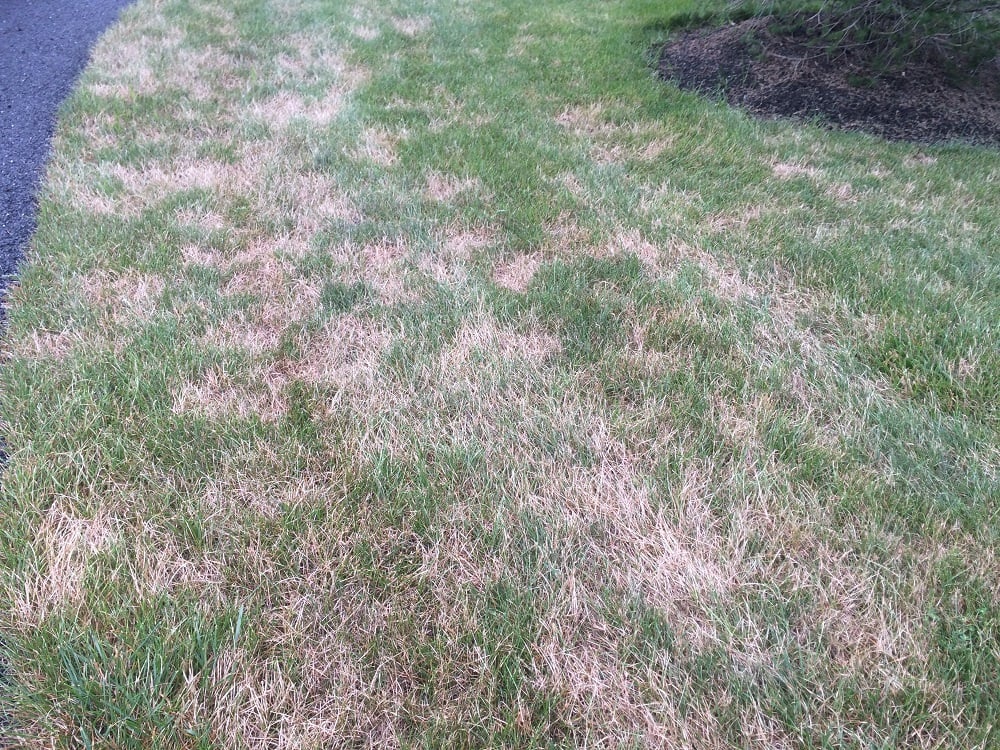
Image Source: www.grassperson.com
Fathoming Your Lawn’s Thirst: How Much Water Does Texas Grass Need?
Determining how much water does Texas grass need is not a one-size-fits-all answer. It depends on several factors, including the type of grass, soil composition, weather conditions, and the age of your lawn. However, a general guideline for most established lawns in Texas is about 1 to 1.5 inches of water per week, including rainfall. This water needs to be delivered efficiently to maximize absorption and minimize waste.
The Importance of Deep Watering Texas Grass
Shallow, frequent watering is the enemy of a healthy Texas lawn. It encourages shallow root systems, making your grass susceptible to stress from heat and drought. Deep watering Texas grass is crucial because it:
- Promotes strong root growth: When water penetrates deeply, roots follow, extending further into the soil to seek moisture. This makes the grass more drought-tolerant.
- Reduces weed growth: A well-watered, dense lawn shades out weed seeds, preventing them from germinating.
- Minimizes disease: Fungal diseases often thrive in damp surface conditions. Deep watering allows the surface to dry between sessions.
- Increases resilience: Deeper roots help the grass survive periods of low rainfall and high temperatures.
Deciphering Watering Frequency Texas Lawn Cycles
The question of watering frequency Texas lawn is closely tied to duration. Instead of watering a little bit every day, it’s far more beneficial to water deeply but less often. This allows the soil to dry out slightly between watering sessions, which is essential for root health.
- Established Lawns: For most established lawns, watering 1-2 times per week is usually sufficient, provided each watering session is thorough.
- New Lawns/Sod: Newly seeded or sodded areas require more frequent, lighter watering to keep the topsoil moist until germination or establishment. This is an exception to the deep watering rule for the initial establishment phase.
- Seasonal Adjustments: Watering needs change with the seasons. You’ll water more during hot, dry spells in summer and less in cooler, wetter periods of spring and fall. Winter watering might be minimal or unnecessary, depending on rainfall and temperature.
When to Water: The Best Time to Water Texas Lawn
The best time to water Texas lawn is in the early morning, typically between 4 a.m. and 10 a.m. Watering during this window offers several advantages:
- Reduced Evaporation: Temperatures are cooler, and winds are generally calmer, meaning less water is lost to evaporation before it can be absorbed by the grass.
- Disease Prevention: Watering in the morning allows the grass blades to dry off during the day. Watering in the evening can leave grass wet overnight, creating a favorable environment for fungal diseases.
- Water Pressure: Water pressure is often higher in the early morning, ensuring more consistent coverage from your sprinklers.
Avoid watering in the heat of the day, as much of the water will simply evaporate before reaching the roots. Watering in the late evening can also be problematic, as it leaves the grass wet overnight, encouraging disease.
Watering Established Lawns Texas: Best Practices
Watering established lawns Texas requires a strategic approach. The goal is to mimic natural rainfall patterns as much as possible – infrequent, but substantial.
How Long to Water Lawn in Texas: The 20-30 Minute Rule
A common recommendation for Texas lawn watering duration for established lawns is to water each zone for 20-30 minutes. However, this is a guideline, and the actual time can vary significantly based on your sprinkler system’s output.
How to Measure Sprinkler Output:
- Place Cans: Scatter several empty tuna cans or straight-sided containers across each watering zone.
- Run Sprinklers: Turn on your sprinklers for a set amount of time (e.g., 15 minutes).
- Measure Water: Measure the depth of water collected in each can.
- Calculate Average: Average the water depths from all the cans in the zone. This tells you how much water your system applies in that time.
If, for example, your cans collect an average of 0.5 inches of water in 15 minutes, you’d need to run that zone for 40-60 minutes to deliver 1 to 1.5 inches of water. This method helps you accurately determine Texas lawn watering duration.
Watering Frequency Texas Lawn for Established Grass
- Summer: Water 1-2 times per week, aiming for that 1-1.5 inch total. On exceptionally hot days, you might consider a very brief “cycle and soak” if the lawn shows signs of wilting.
- Spring/Fall: Reduce frequency to once a week or as needed, based on rainfall and temperature.
- Winter: Minimal watering is usually required unless there’s an extended dry spell with no rain.
Specific Grass Types and Their Watering Needs
Texas is home to a variety of grass types, each with its own watering requirements. Knowing your grass type is essential for watering frequency Texas lawn.
How Often to Water Bermuda Grass Texas
Bermuda grass is a warm-season grass known for its drought tolerance once established. However, during active growth in the summer heat, it still requires adequate water.
- Texas lawn watering duration for Bermuda: When watering, aim for 20-30 minutes per zone, ensuring the water penetrates about 4-6 inches deep.
- Watering frequency Texas lawn for Bermuda: Water deeply once or twice a week during hot, dry periods. Allow the soil to dry out slightly between waterings to prevent root rot. Bermuda grass is quite forgiving if you miss a watering, but consistent deep watering is key for optimal health.
Watering St Augustine Grass Texas
St. Augustine grass is another popular warm-season grass in Texas, known for its shade tolerance. It is less drought-tolerant than Bermuda grass.
- Texas lawn watering duration for St. Augustine: Aim for the same 20-30 minute duration, focusing on deep penetration. St. Augustine grass has a shallower root system than Bermuda, so consistent moisture is important.
- Watering frequency Texas lawn for St. Augustine: Water when the grass shows the first signs of stress, such as a bluish-gray tint or footprints remaining visible after walking on it. This might mean watering more frequently than Bermuda, potentially 2-3 times per week during peak summer heat, but still deeply. Overwatering can lead to fungal issues in St. Augustine.
Drought Tolerant Lawn Watering Texas Strategies
With the ever-present threat of drought, adopting drought tolerant lawn watering Texas strategies is paramount. This involves not just timing and duration but also water-wise landscaping and maintenance.
Smart Watering Techniques:
- Cycle and Soak: If you have heavy clay soil, which can repel water when dry, use a “cycle and soak” method. Water for 10-15 minutes, let it soak in for an hour, then water for another 10-15 minutes. This prevents runoff and allows deeper penetration.
- Rainwater Harvesting: Install rain barrels to collect rainwater for irrigation. This is a fantastic way to conserve municipal water and is naturally beneficial for your lawn.
- Mulching: Apply a layer of mulch around trees and shrubs. While not directly for the lawn, it helps retain soil moisture in garden beds, reducing the overall water demand in your landscape.
Lawn Care for Drought Resistance:
- Mowing Height: Mow your grass at the higher end of the recommended range for your grass type. Taller grass shades the soil, reducing evaporation and keeping roots cooler.
- Aeration: Aerating your lawn annually helps to improve water penetration and reduce soil compaction, allowing water to reach the roots more effectively.
- Healthy Soil: Amend your soil with compost to improve its water-holding capacity. Healthy soil is key to drought tolerance.
Water Conservation Texas Lawn: Making Every Drop Count
Practicing water conservation Texas lawn is not just about saving money; it’s about responsible resource management in a state where water is a precious commodity.
Tips for Efficient Watering:
- Check Soil Moisture: Before watering, stick a screwdriver or soil probe into the ground. If it goes in easily to a depth of 4-6 inches, your lawn likely has enough moisture. If it’s hard to push, it’s time to water.
- Inspect Sprinklers: Regularly check your sprinkler heads for leaks, clogs, or misalignments. Ensure they are watering the lawn and not the sidewalk or driveway. Adjust them as needed.
- Weather Awareness: Utilize weather-based irrigation controllers or simply adjust your watering schedule based on recent rainfall and upcoming forecasts. Most municipal water departments offer alerts or apps for watering restrictions.
- Consider Xeriscaping: For areas of your yard that don’t require lush green grass, consider xeriscaping with native, drought-tolerant plants that require minimal watering.
Understanding Watering Restrictions:
Many Texas municipalities have watering restrictions in place, especially during drought conditions. Always be aware of and adhere to your local watering guidelines. These typically dictate the days and times you are allowed to water your lawn.
Troubleshooting Common Watering Issues
Even with the best intentions, you might encounter problems.
My Lawn Still Looks Dry After Watering:
- Check Sprinkler Coverage: Are all areas receiving adequate water? Are there dry spots? You may need to adjust sprinkler heads or add more.
- Soil Type: If you have heavy clay soil, water may be running off before it can soak in. Implement the “cycle and soak” method.
- Irrigation System Malfunction: Ensure your system is working correctly. Clogged nozzles or low water pressure can lead to insufficient watering.
My Lawn Has Yellow Patches:
- Underwatering: This is a common cause. Ensure you’re meeting the weekly water requirements.
- Overwatering: Paradoxically, overwatering can also cause yellowing due to root rot and lack of oxygen. Check the soil moisture.
- Nutrient Deficiency: Yellowing can also indicate a lack of essential nutrients. A soil test can help diagnose this.
- Compacted Soil: If the soil is too hard, water and nutrients can’t reach the roots. Aeration can help.
Conclusion: A Greener, Healthier Texas Lawn
Mastering how long to water lawn in Texas is about more than just duration; it’s about a holistic approach to lawn care that respects our climate and water resources. By embracing deep watering Texas grass, understanding watering frequency Texas lawn, and adopting water conservation Texas lawn practices, you can cultivate a beautiful, resilient lawn that thrives in the Texas environment. Remember, a healthy lawn is a well-managed lawn, and thoughtful watering is your most powerful tool.
Frequently Asked Questions (FAQ)
Q1: How much water does my Texas lawn need per week?
A1: Established Texas lawns generally need 1 to 1.5 inches of water per week, including rainfall. The frequency and duration of watering will depend on your specific grass type, soil, and weather conditions.
Q2: Is it okay to water my lawn every day in Texas?
A2: No, it is generally not recommended to water your lawn every day. Frequent, shallow watering encourages shallow roots, making the grass more susceptible to stress. Deep, infrequent watering (1-2 times per week) is much more beneficial for promoting deep root growth.
Q3: My sprinklers water for 15 minutes and cover my zone. Is that enough?
A3: It depends on your sprinkler system’s output. If 15 minutes delivers only 0.25 inches of water, then no, it’s likely not enough for deep watering. You need to measure your sprinkler output to determine how long it takes to deliver 1 inch of water to your lawn.
Q4: What is the best type of grass for Texas that is also drought-tolerant?
A4: Bermuda grass and Zoysia grass are known for their excellent drought tolerance once established. Native Texas grasses like Buffalo grass are also very well-suited to the climate and require less water.
Q5: Can I water my lawn at night in Texas?
A5: It’s best to avoid watering in the late evening or at night in Texas. This can leave the grass blades wet overnight, creating an ideal environment for fungal diseases to develop. The best time is early morning.