
The key to answering how long to water lawn with oscillating sprinkler is to aim for deep, infrequent watering. Generally, this means watering for 20-30 minutes per zone, but this can vary greatly based on sprinkler type, grass type, soil, and weather. Proper oscillating sprinkler watering time encourages deep root growth, making your lawn more resilient.
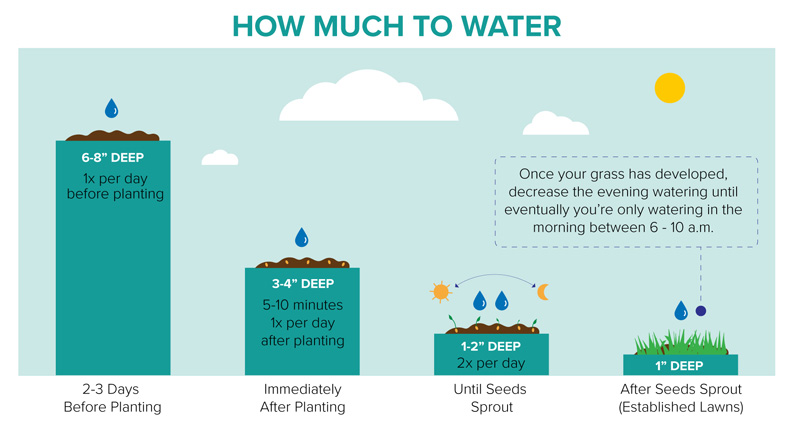
Image Source: www.melnor.com
Timing is Everything: When to Water Your Lawn
Knowing the right time of day to water your lawn is crucial for efficiency and grass health. The best times are early morning, typically between 4 AM and 10 AM. This period allows water to soak into the soil before the heat of the day causes significant evaporation. Watering in the morning also helps prevent fungal diseases that can thrive in damp conditions left overnight.
Why Early Morning Watering is Best
- Reduced Evaporation: Cooler temperatures and less wind mean more water reaches the grass roots.
- Disease Prevention: Grass blades dry off during the day, minimizing the risk of fungal growth.
- Efficient Absorption: Roots are more receptive to water when the sun isn’t beating down.
Watering in the late afternoon or early evening can also be effective, but it carries a higher risk of disease. The grass may remain wet overnight, creating an ideal environment for fungi and other diseases. Avoid watering during the hottest parts of the day, as much of the water will evaporate before it can benefit your lawn.
Factors Influencing Oscillating Sprinkler Watering Time
Several elements play a role in determining the ideal oscillating sprinkler duration. A one-size-fits-all approach won’t work for every lawn.
Grass Type and Its Water Needs
Different grass species have varying water requirements. Cool-season grasses like fescue and ryegrass typically need more water than warm-season grasses like Bermuda and Zoysia, especially during hot periods.
- Cool-Season Grasses: Often require about 1 to 1.5 inches of water per week.
- Warm-Season Grasses: May need less, around 0.5 to 1 inch per week, and are more drought-tolerant once established.
Your lawn’s specific grass type will dictate how long your oscillating sprinkler lawn coverage needs to run to deliver the required moisture.
Soil Type: The Great Water Sponge
The type of soil in your yard significantly impacts how quickly water penetrates and how long it stays.
- Sandy Soil: Drains quickly. Water needs to be applied more frequently but for shorter durations. You might need to water for a shorter time more often.
- Clay Soil: Absorbs water slowly but retains it longer. Water needs to be applied less frequently but can be watered for a longer duration to allow for deep penetration without runoff.
- Loamy Soil: Offers a good balance of drainage and retention, making it the ideal soil type for most lawns.
Fathoming Your Soil Type: A simple test is to grab a handful of moist soil. If it forms a tight ball that holds its shape, it’s likely clay. If it crumbles easily, it’s sandy. If it forms a loose ball, it’s likely loam.
Weather Conditions: The Ever-Changing Element
Weather is a dynamic factor that directly influences lawn watering time oscillating sprinkler.
- Hot and Dry Weather: Requires more frequent and potentially longer watering sessions to combat evaporation and stress.
- Cool and Humid Weather: May require less frequent watering, or even no watering at all if natural rainfall is sufficient.
- Windy Conditions: Can increase evaporation and cause uneven water distribution, potentially requiring adjustments to your watering schedule.
Always check the weather forecast before you water. If rain is expected, skip watering to save water and prevent over-saturation.
Sprinkler Output: How Much Water is Being Delivered?
Understanding your oscillating sprinkler’s output is key to accurate watering duration oscillating sprinkler. Different sprinklers deliver water at different rates.
Measuring Sprinkler Output
- Tuna Can Test: Place several empty tuna cans (or similar straight-sided containers) around the area the sprinkler covers.
- Run the Sprinkler: Run the sprinkler for a set amount of time, for example, 15 minutes.
- Measure the Water: Measure the depth of water in each can. Average the depths.
- Calculate Output: If you measured 0.5 inches of water in 15 minutes, your sprinkler delivers 0.5 inches every 15 minutes, or 1 inch per hour.
This test is vital for determining how long to water grass with oscillating sprinkler to achieve a specific water depth, like 1 inch per week.
How Long to Water Lawn with Oscillating Sprinkler: A Practical Guide
Now, let’s get into the specifics of how long to water grass with oscillating sprinkler using practical guidance. The goal is to apply approximately 1 inch of water per week, distributed over one to two watering sessions, depending on your lawn’s needs and soil type.
Establishing a Baseline: The 20-30 Minute Rule
As a general starting point, aim to water each section of your lawn for 20-30 minutes with your oscillating sprinkler. This is a common recommendation that allows the water to begin penetrating the soil effectively.
Adjusting for Deep Watering
Deep watering encourages roots to grow deeper, making your lawn more drought-tolerant. For an oscillating sprinkler, this means watering long enough for the water to soak in several inches.
- If your sprinkler delivers 0.5 inches in 15 minutes: To apply 1 inch of water, you would need to water for 30 minutes. If your soil is sandy and drains quickly, you might break this into two 15-minute sessions. For clay soil, you might water for 25-30 minutes once a week.
- If your sprinkler delivers 1 inch in 30 minutes: Then 30 minutes of watering per session is your target to deliver 1 inch of water.
Optimizing Oscillating Sprinkler Watering Time for Coverage
Oscillating sprinkler lawn coverage can be inconsistent. Some sprinklers spray a wide, even pattern, while others have narrower streams or wet and dry spots.
- Placement: Position your sprinkler so it covers the intended area effectively. Overlap spray patterns slightly to ensure no dry spots.
- Movement: Oscillating sprinklers move back and forth. The speed of this movement determines the watering rate. Ensure the sprinkler covers the entire width of the zone before moving to the next.
- Observation: Watch your sprinkler in action. Notice where the water lands and where it doesn’t. Adjust sprinkler placement or watering duration as needed to achieve even coverage.
The Best Oscillating Sprinkler Watering Schedule
A consistent watering schedule promotes a healthy, resilient lawn. The best oscillating sprinkler watering schedule depends on your climate, grass type, and time of year.
Seasonal Adjustments
- Spring: As temperatures rise and growth begins, your lawn will need water. Start with a schedule of watering once a week.
- Summer: This is the most demanding season. You may need to water twice a week, or water for slightly longer periods, especially during heatwaves. Monitor your lawn for signs of stress like wilting or browning.
- Fall: As temperatures cool and rainfall increases, reduce watering frequency. Once a week or even less might be sufficient.
- Winter: Dormant lawns typically do not need supplemental watering unless you live in a region with very dry winters.
How Often to Water Lawn with Oscillating Sprinkler
For most lawns in moderate climates, watering once or twice a week is usually sufficient. The key is to water deeply rather than shallowly and frequently.
- Deep Watering: Encourages roots to grow deeper, making the lawn more drought-tolerant.
- Shallow Watering: Leads to shallow root systems, making the lawn more susceptible to drought and disease.
Creating Your Watering Plan
Here’s a sample plan, which you’ll need to adjust based on your specific conditions:
| Season | Watering Frequency | Watering Duration (per session) | Notes |
|---|---|---|---|
| Spring | 1 time/week | 25-30 minutes | Monitor for signs of dryness. |
| Summer | 1-2 times/week | 25-30 minutes | Increase to twice a week if hot/dry. |
| Fall | 1 time/week | 20-25 minutes | Reduce as temperatures drop. |
| Winter | As needed | N/A | Only if prolonged dry spells occur. |
Remember to observe your lawn. Wilting grass blades that don’t spring back when stepped on are a sign that it’s time to water.
How to Use Oscillating Sprinkler for Lawn: Best Practices
Beyond just how long to water grass with oscillating sprinkler, there are several best practices for using these tools effectively.
Zone Watering
Most yards are not uniform. Different areas may have different sun exposure, soil types, or slopes. Divide your lawn into watering zones.
- Identify Dry Spots: Note areas that seem to dry out faster.
- Adjust Sprinkler Position: Move the sprinkler to focus on these areas for the required oscillating sprinkler duration.
- Consider Multiple Sprinklers: If your yard is large or has very distinct zones, you might need more than one oscillating sprinkler to achieve proper lawn watering time oscillating sprinkler.
Avoiding Runoff
If water starts pooling or running off your lawn, it’s a sign you’re watering too fast or too long for the soil to absorb.
- Cycle and Soak: For areas with clay soil or slopes, water for a shorter period (e.g., 15 minutes), let it soak in for an hour, and then water again for another 15 minutes. This method maximizes absorption and minimizes runoff.
- Check Sprinkler Pattern: Ensure your sprinkler isn’t spraying water onto driveways or sidewalks.
Maintaining Your Oscillating Sprinkler
A well-maintained sprinkler works more efficiently and lasts longer.
- Clean Nozzles: Clogged nozzles can disrupt the spray pattern and reduce coverage. Clean them regularly with a small brush or pin.
- Check for Leaks: Damaged hoses or sprinkler heads can waste water.
- Store Properly: In colder climates, drain and store your sprinkler indoors to prevent freezing and damage.
Adapting to Your Lawn’s Specific Needs
The information provided is a guide, but your lawn is unique. Paying attention to its signals is the most effective way to refine your oscillating sprinkler watering schedule.
Signs Your Lawn Needs Water
- Footprints Remain: If you walk across the lawn and the grass blades stay flattened, it’s a sign of dehydration.
- Color Change: A subtle bluish-gray tint can indicate thirst.
- Wilting or Curling: Grass blades may start to curl or wilt.
Signs of Overwatering
- Yellowing Grass: While sometimes a sign of nutrient deficiency, consistently yellow or brown grass that stays wet can indicate overwatering.
- Mushy Soil: Soil that remains soggy for extended periods is a sign of too much moisture.
- Fungal Growth: Patches of mold or fungus appearing on the lawn.
Frequently Asked Questions (FAQ)
Q: How long should I water my lawn with an oscillating sprinkler if it’s very hot?
A: During extreme heat, you might need to water for longer or more frequently. For example, if you normally water for 30 minutes, you might increase it to 40-45 minutes or water twice a week instead of once. Always observe your lawn for signs of stress.
Q: Can I water my lawn with an oscillating sprinkler during the day?
A: It’s best to avoid watering during the hottest parts of the day due to high evaporation rates. Early morning is ideal. If you must water during the day, do so in the late afternoon or early evening, but be aware of the increased risk of fungal diseases if the grass remains wet overnight.
Q: How do I know if my oscillating sprinkler covers my whole lawn?
A: You can perform the tuna can test mentioned earlier. Place cans evenly across the area the sprinkler is meant to cover. After watering, measure the water depth in each can. This will reveal any dry spots or areas that receive too much water, helping you adjust sprinkler placement or oscillating sprinkler duration.
Q: Is it better to water for a long time once a week or for shorter periods more often?
A: For most lawns, deep, infrequent watering is better. This encourages roots to grow deeper, making the lawn more drought-tolerant. Watering for a long time (e.g., 30 minutes) to apply about 1 inch of water once or twice a week is generally preferred over watering for 10 minutes every day.
Q: How much water does an oscillating sprinkler actually put out?
A: This varies greatly by model. The tuna can test is the most accurate way to determine the output of your specific oscillating sprinkler. You are aiming to apply roughly 1 inch of water per week, so knowing your sprinkler’s application rate is essential for determining how long to water grass with oscillating sprinkler.
By following these expert tips, you can effectively use your oscillating sprinkler to maintain a healthy, beautiful lawn, ensuring optimal oscillating sprinkler watering time and a robust root system for your grass. Remember to adapt these guidelines to your specific lawn and environmental conditions.