
When it comes to watering a new lawn, the golden rule is to keep the top inch of soil consistently moist, but not waterlogged, until the grass is established. This typically translates to watering for shorter durations but more frequently.
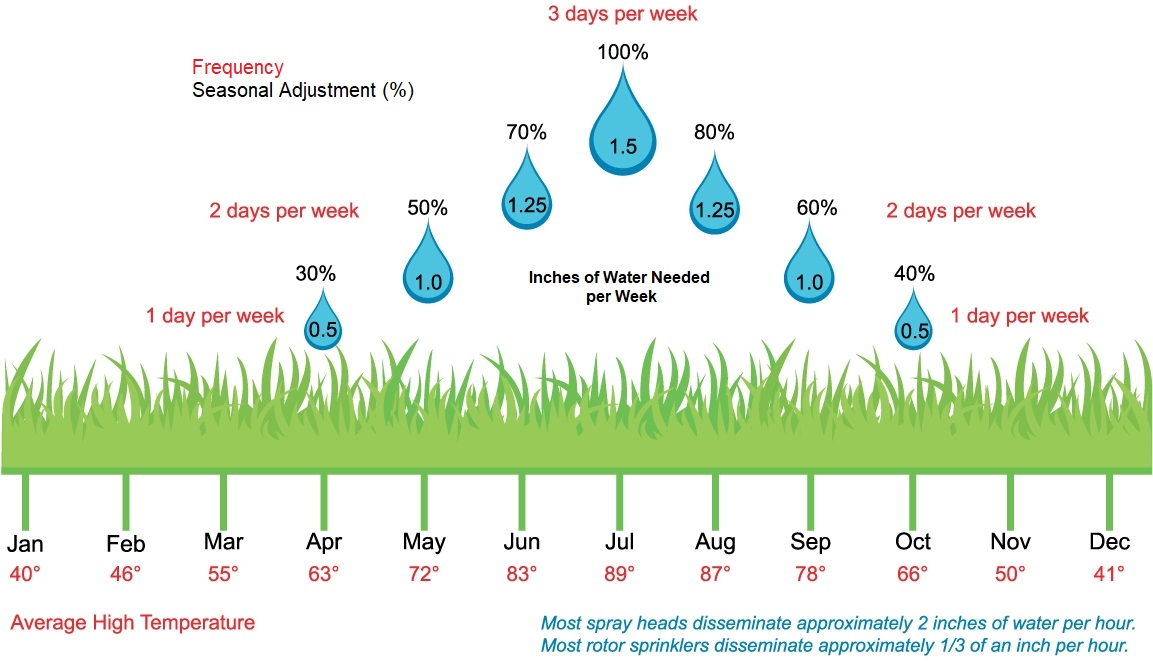
Image Source: greeleygov.com
The Importance of Proper Watering for New Lawns
Establishing a new lawn, whether from seed or sod, is a delicate process. The young grass needs a consistent supply of moisture to encourage healthy growth and strong root development. Improper watering can lead to a host of problems, from poor germination and weak seedlings to brown patches and eventual lawn failure. The goal is to nurture those fragile roots, helping them reach deeper into the soil for stability and nourishment. This is where a well-thought-out watering schedule becomes your best friend.
Fathoming Seed Germination and Initial Growth
For lawns started from seed, seed germination is the first critical hurdle. Tiny seeds contain all the energy they need to sprout, but they require the right environment. This environment includes consistent moisture. If the soil surface dries out, the newly sprouted grass will wither and die. Frequent watering in the initial stages is key. Think of it like giving a baby bird its first sips of water – gentle, consistent, and just enough to sustain it.
Sod Installation: A Different Kind of Thirst
If you’ve opted for sod installation, the needs are slightly different. Sod comes with established roots, but these roots are often shallow and may not yet be well-connected to the underlying soil. The goal here is to ensure the sod makes good contact with the soil beneath it and to encourage those roots to penetrate deeper. This means providing ample moisture to both the sod itself and the soil underneath.
Deciphering Watering Duration and Frequency
So, how long should you water? This isn’t a one-size-fits-all answer. Several factors influence the ideal watering duration:
- Soil Type: Sandy soils drain quickly and require more frequent, shorter watering. Clay soils retain moisture longer and can handle less frequent, but slightly longer, watering sessions.
- Weather Conditions: Hot, dry, and windy weather will dry out the soil much faster than cool, humid, or calm conditions. You’ll need to adjust your watering schedule accordingly.
- Grass Type: Different grass species have varying water needs. Cool-season grasses generally prefer more consistent moisture than warm-season grasses.
- Time of Year: Summer watering demands a different approach than spring or fall watering due to higher temperatures and increased evaporation.
The Balancing Act: Deep Watering vs. Frequent Watering
For new lawns, the initial phase often calls for frequent watering. This doesn’t mean long, soaking sessions that waterlog the soil. Instead, it means shorter, more frequent applications to keep the surface consistently moist. As the grass grows and its root system develops, you can gradually shift towards less frequent but deep watering.
Deep watering encourages the grass roots to grow deeper into the soil, making the lawn more resilient to drought and heat. Shallow, frequent watering, on the other hand, can lead to a shallow root system that is more susceptible to stress.
Initial Watering After Seeding
Immediately after seeding, water gently but thoroughly. The goal is to settle the seeds into the soil and provide the necessary moisture for germination. For the first week or two, aim to keep the top half-inch to an inch of soil consistently damp. This might mean watering for short durations, perhaps 10-15 minutes, several times a day. The exact timing will depend on your specific conditions.
Watering New Sod
When laying sod, water immediately and thoroughly. The aim is to moisten the sod and the soil beneath it. For the first few days, water for 15-20 minutes, two to three times a day. This helps the sod knit into the soil.
Transitioning to a Deeper Watering Schedule
As your new lawn begins to establish – usually after the first two to three weeks – you can start to transition to a less frequent but deep watering approach. The aim is to encourage those grass roots to seek out moisture deeper in the soil.
Transitioning Seeded Lawns
Once seedlings are about an inch or two tall, you can begin to water less frequently but for longer periods. Instead of watering multiple times a day, aim for once a day, or even every other day. The watering duration should be sufficient to moisten the soil to a depth of 3-4 inches. This might mean watering for 20-30 minutes per session, depending on your sprinkler system. The key is to let the soil surface dry slightly between waterings. This dryness encourages the roots to grow downwards in search of water.
Transitioning Sodded Lawns
Similarly, with sod, once you see new growth and the sod is firmly rooted (try gently pulling on a corner; it shouldn’t lift easily), you can reduce the frequency. Aim for deep watering 2-3 times per week, ensuring the water penetrates 3-4 inches into the soil.
Key Best Practices for Watering Your New Lawn
To ensure your new lawn thrives, follow these best practices:
1. Water Early in the Morning
The best time to water your new lawn is between 4 AM and 10 AM.
- Reduces Evaporation: Cooler temperatures and less wind in the morning mean more water reaches the soil and less is lost to evaporation.
- Minimizes Fungal Diseases: Watering in the morning allows the grass blades to dry off throughout the day, reducing the risk of fungal diseases that thrive in prolonged moisture. Watering in the evening can leave the grass wet overnight, creating a perfect breeding ground for fungi.
2. Check Soil Moisture Regularly
Don’t just guess! Use a simple tool to check soil moisture.
- Screwdriver Test: Push a long screwdriver or a trowel into the soil. If it goes in easily, the soil is moist. If it’s hard to push, it’s too dry.
- Finger Test: Dig your finger into the soil. If it feels dry an inch or two down, it’s time to water.
3. Adjust Your Watering Schedule Based on Conditions
Your watering schedule is not set in stone. Be prepared to adapt it based on the weather.
- Heatwaves: During periods of intense heat, you may need to increase watering frequency and duration, but always strive to avoid waterlogging.
- Rainfall: If you receive significant rainfall, skip your scheduled watering.
4. Ensure Even Coverage
The effectiveness of your watering depends on how evenly the water is distributed.
- Sprinkler Placement: Arrange your sprinklers so that the spray from one overlaps the spray from the next.
- Check for Dry Spots: Walk across your lawn after watering. If you see dry patches, adjust your sprinkler heads or watering duration in those areas.
- Watering Duration Calculators: Some sprinkler manufacturers offer online tools to help you calculate the optimal watering duration for their systems based on your lawn size and soil type.
5. Be Patient and Persistent
Lawn establishment takes time. Continue with your careful watering practices until your lawn is well-established, which can take anywhere from 4 to 6 weeks, or even longer depending on the grass type and conditions.
Common Mistakes to Avoid
Even with the best intentions, new lawn owners can fall into watering traps. Here are some common mistakes to steer clear of:
- Overwatering: This is a very common error. It saturates the soil, suffocates grass roots by depriving them of oxygen, and promotes shallow root growth. Symptoms include a spongy feel to the soil and a yellowish hue to the grass.
- Underwatering: This leads to dry, stressed grass that struggles to germinate or establish. Symptoms include wilting, browning, and a lack of vigor.
- Watering in the Middle of the Day: As mentioned, this leads to excessive evaporation and less water reaching the roots. It can also scorch grass blades that are already wet.
- Inconsistent Watering: Alternating between overwatering and underwatering confuses the grass and hinders proper root development.
- Ignoring Sprinkler System Issues: Clogged nozzles, uneven spray patterns, or leaks can lead to uneven watering and wasted water.
Watering New Lawns in Different Seasons
While the principles of lawn establishment remain the same, summer watering presents unique challenges.
Summer Watering for New Lawns
- Increased Frequency: Due to higher temperatures and increased evaporation, you will likely need to water more frequently in the summer than in cooler months.
- Deeper and Less Frequent: While the initial phase might still require more frequent watering, as the lawn establishes, aim for deep watering even during summer. However, be extra vigilant about avoiding prolonged wetness on the grass blades during hot spells, which can encourage disease.
- Morning is Crucial: Watering in the early morning is even more critical during summer to maximize water absorption and minimize evaporation.
- Monitor Closely: Pay close attention to soil moisture and grass appearance. You might need to water daily or even twice daily for very young, newly seeded lawns in extreme heat.
Spring and Fall Watering
- Moderate Frequency: In cooler spring and fall temperatures, evaporation rates are lower, so you won’t need to water as frequently as in summer.
- Focus on Deep Watering: This is the ideal time to practice deep watering to build a strong root system before the stresses of summer or winter.
- Consider Rainfall: Fall often brings more natural rainfall, so adjust your watering schedule accordingly.
Factors Affecting Watering Duration: A Closer Look
Let’s delve a little deeper into how different factors impact how long you should water.
Soil Type and Watering
| Soil Type | Drainage Rate | Watering Frequency | Watering Duration | Best Practices |
|---|---|---|---|---|
| Sandy | Fast | High | Short | Water lightly and frequently to prevent rapid drying. Avoid long watering sessions that lead to nutrient leaching. |
| Loamy | Moderate | Moderate | Moderate | Good balance of moisture retention and drainage. Allows for deeper watering sessions less frequently than sandy soil. |
| Clay | Slow | Low | Long | Water for longer periods but less often. Allow soil to dry slightly between waterings to prevent waterlogging and promote aeration. |
Grass Type and Watering Needs
Different grass species have evolved in different climates and therefore have varying water requirements.
- Cool-Season Grasses (e.g., Kentucky Bluegrass, Fescue, Ryegrass): These grasses are typically more sensitive to drought and heat. They generally prefer consistently moist soil, especially during establishment. They may require more frequent watering throughout their growing season, with a focus on deep watering to build resilience against summer stress.
- Warm-Season Grasses (e.g., Bermudagrass, Zoysiagrass, St. Augustinegrass): These grasses are more drought-tolerant once established. They thrive in heat and can withstand longer periods between waterings. However, during their initial lawn establishment phase, they still require consistent moisture.
Weather Conditions and Your Watering Schedule
The weather is the most dynamic factor influencing your watering needs.
- Temperature: Higher temperatures increase the rate of evapotranspiration (water loss from plants and soil). You’ll need to water more often and potentially for longer durations when temperatures are high.
- Wind: Wind dries out the soil and the grass blades. Windy conditions necessitate more frequent watering.
- Humidity: High humidity slows down evaporation, meaning you may not need to water as often.
- Sunlight: More sunlight means more photosynthesis and thus more water usage by the grass.
Tools to Help You Water Effectively
To achieve the best results for your new lawn, consider using some helpful tools:
- Rain Gauge: Essential for tracking how much natural precipitation your lawn is receiving. This helps prevent accidental overwatering.
- Hose-End Sprinkler with Timer: Automates your watering schedule, ensuring consistency and convenience. Look for sprinklers that offer adjustable spray patterns and arcs for even coverage.
- Soil Moisture Meter: Provides a more precise reading of soil moisture levels, helping you avoid guesswork.
- Smart Watering Controllers: These advanced systems can adjust your watering schedule automatically based on weather forecasts and local conditions.
Frequently Asked Questions (FAQ)
How often should I water my new lawn?
For the first 2-3 weeks, water several times a day for short durations to keep the top inch of soil consistently moist. After that, gradually transition to deeper, less frequent watering, such as once a day or every other day, until the lawn is established (around 4-6 weeks).
How long should I water my new lawn each time?
Initially, aim for 10-15 minute watering sessions, several times a day. As the lawn establishes, gradually increase the watering duration to 20-30 minutes per session, or until the soil is moist to a depth of 3-4 inches.
Can I water my new lawn in the evening?
It’s best to avoid watering in the evening. Watering in the early morning (4 AM – 10 AM) allows the grass blades to dry off during the day, reducing the risk of fungal diseases.
My new lawn looks dry. Should I water it more?
If your lawn looks dry, check the soil moisture first. If the soil is dry a couple of inches down, it’s time to water. If the soil is moist but the grass looks dry, it might indicate shallow roots or a different issue. Ensure your watering is reaching the root zone.
How do I know if I’m watering too much or too little?
- Too Much: Soil stays constantly soggy, grass looks yellow or faded, and you might see moss or algae growth.
- Too Little: Grass blades wilt and turn a duller color, footprints remain on the lawn long after walking on it, and the soil feels dry to the touch.
By following these best practices and adjusting your approach based on your specific conditions, you can nurture your new lawn from a patch of vulnerable seedlings or sod into a lush, healthy, and resilient carpet of green. Remember that patience and consistent care are key to successful lawn establishment.