
A typical lawn mower battery is a 12-volt battery. While 12 volts is the most common lawn mower battery voltage, other voltages can be found in specialized or older models.
Getting to know your lawn mower’s battery is a smart move. Whether you have a trusty push mower or a powerful riding mower, the battery is the heart of its electric start system. Many people wonder, “How many volts are in a lawn mower battery?” The quick answer is usually 12 volts, but there’s more to it than just that single number. Understanding the voltage, its role, and how to maintain it can save you time, money, and a whole lot of hassle when it comes to keeping your lawn looking its best.
This guide will dive deep into the world of lawn mower batteries, covering everything from their voltage to types, and how to keep them in tip-top shape. We’ll also touch upon what to do if you need to check your lawn mower battery volts.
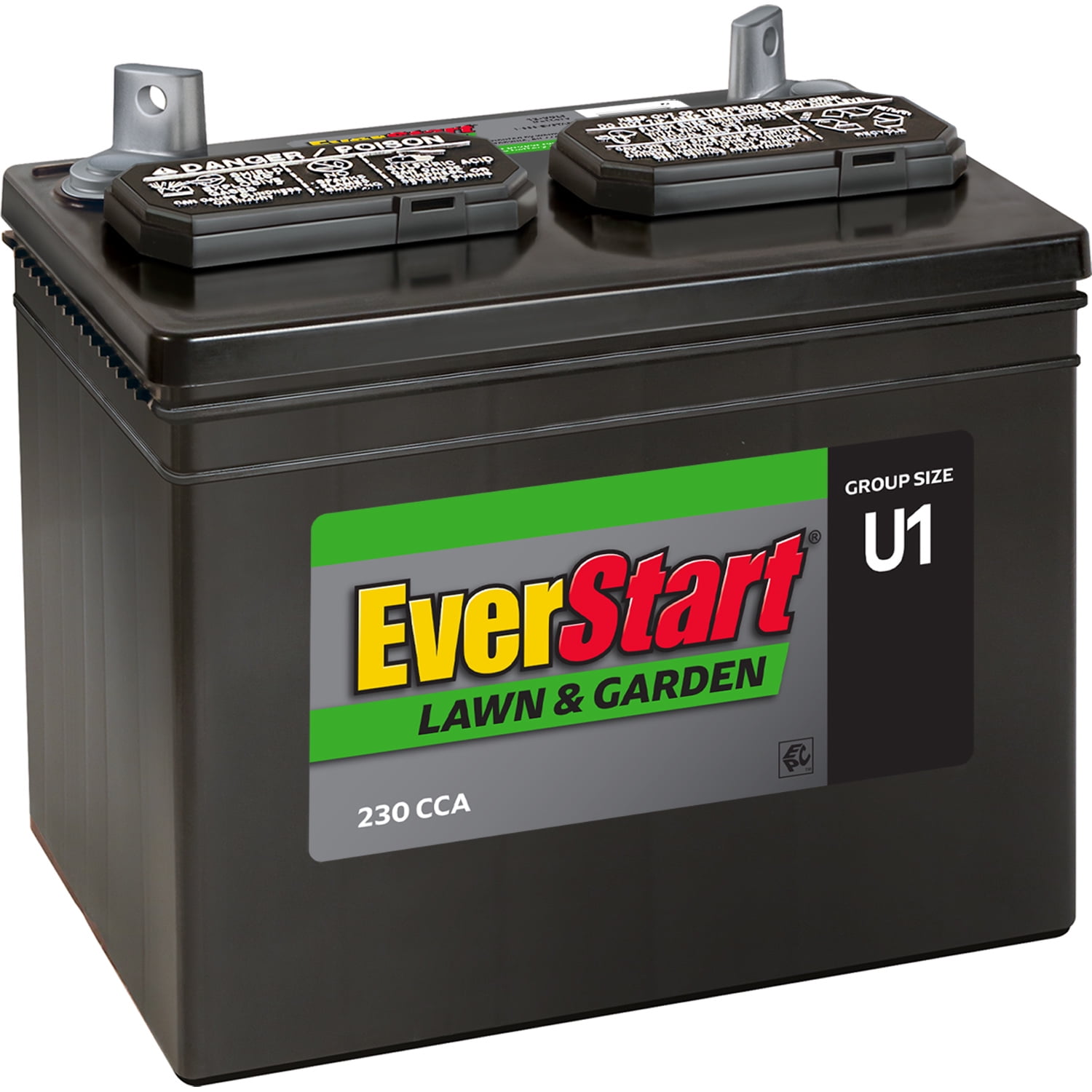
Image Source: i5.walmartimages.com
The Heart of the Matter: Lawn Mower Battery Voltage
The voltage of a lawn mower battery is crucial. It tells us how much electrical “push” the battery can provide. Think of it like water pressure in a hose; higher pressure means the water can travel further and with more force. In a lawn mower, this “force” is what ignites the engine or powers the electric motor.
Common Lawn Mower Battery Voltage
The vast majority of lawn mower batteries you’ll encounter operate on a 12-volt system. This is the industry standard for most small engine applications, including riding mowers and many higher-end push mowers with electric start features.
Why 12 volts? It’s a good balance. It provides enough power to start the engine without being overly complex or dangerous to handle. This voltage is also common in many other automotive and recreational applications, making 12-volt batteries readily available and relatively affordable.
Riding Mower Battery Voltage
For riding mower battery voltage, you will almost always find a 12-volt battery. These machines have larger engines that require more cranking power to get going, but they still rely on the efficient and standardized 12-volt system. The battery in a riding mower is often physically larger than one in a push mower to handle the increased demands.
Push Mower Battery Voltage
When it comes to push mower battery voltage, it can be a bit more varied. Basic push mowers are typically corded or self-propelled without an electric start, meaning they don’t have a battery at all. However, many modern self-propelled push mowers now come with electric start functions. For these, you’ll usually find a 12-volt lawn mower battery. Some smaller, lighter-duty electric start push mowers might occasionally use a lower voltage system, perhaps 6 volts, but this is far less common in today’s market.
Electric Start Lawn Mower Battery
An electric start lawn mower battery is what we’ve been discussing – the battery that powers the starter motor. Without a working battery, your electric start mower won’t even turn over. The voltage here, as we’ve established, is predominantly 12 volts, providing the necessary juice to engage the starter and spin the engine to life.
Beyond Voltage: Other Key Battery Specs
While voltage is a primary concern, other specifications are equally important for a healthy lawn mower battery.
Lawn Mower Battery Amperage
Lawn mower battery amperage, often expressed as Ampere-hours (Ah), is a measure of the battery’s capacity. It tells you how much current the battery can deliver over a period of time. A higher Ah rating means the battery can provide power for longer. For example, a 20Ah battery can theoretically deliver 1 amp for 20 hours, or 2 amps for 10 hours, and so on.
The amperage rating is important for determining how long your mower’s accessories (like headlights on a riding mower) can run and how well the battery will hold a charge. It’s also a factor in the Cold Cranking Amps (CCA), which is a measure of the battery’s ability to start an engine in cold weather.
Lawn Mower Battery Types
There are several lawn mower battery types, primarily differing in their construction and chemistry:
- Flooded Lead-Acid Batteries: These are the most traditional and often the most affordable. They contain liquid electrolyte and require periodic checks of the electrolyte level and topping up with distilled water. They are also known as wet cell batteries.
- Sealed Lead-Acid (SLA) Batteries: These are a type of lead-acid battery that is sealed and requires no maintenance. They are spill-proof and can be mounted in various positions. Within SLA, there are two main sub-types:
- Absorbent Glass Mat (AGM): The electrolyte is absorbed in fiberglass mats. AGM batteries offer good vibration resistance and a longer lifespan than flooded lead-acid batteries. They also charge faster.
- Gel Cell Batteries: The electrolyte is suspended in a gel-like substance. Gel batteries are very robust, can withstand deep discharges, and are highly resistant to vibration. However, they can be more sensitive to overcharging.
- Lithium-Ion Batteries: While still less common for traditional gasoline mowers, lithium-ion batteries are becoming increasingly popular for electric lawn mowers. They are lightweight, offer a high energy density, and have a very long lifespan. However, they are typically more expensive upfront.
Fathoming Your Lawn Mower Battery’s Health
Keeping your lawn mower battery in good working order is key to ensuring it starts reliably and lasts as long as possible.
How to Check Lawn Mower Battery Volts
There are a couple of ways to check your lawn mower battery volts:
-
Using a Voltmeter or Multimeter: This is the most accurate method.
- Locate the Battery: Consult your mower’s manual to find the battery’s location.
- Disconnect Terminals: Carefully disconnect the negative (-) terminal first, then the positive (+) terminal. This prevents accidental short circuits.
- Set the Multimeter: Turn your multimeter to the DC voltage setting. Ensure it’s set to a range higher than 12 volts (e.g., 20V DC).
- Test the Voltage: Touch the red probe of the multimeter to the positive (+) terminal of the battery and the black probe to the negative (-) terminal.
- Read the Display: The multimeter will display the battery’s voltage.
- Fully Charged: A fully charged 12-volt battery should read around 12.6 volts or slightly higher when at rest.
- Discharged: A reading below 12 volts generally indicates the battery is discharged. Readings below 11.5 volts suggest it may be significantly damaged or deeply discharged.
- Reconnect Terminals: Reconnect the positive (+) terminal first, then the negative (-) terminal.
-
Using a Battery Tester: Many auto parts stores and some lawn and garden centers have specialized battery testers. These devices not only measure voltage but can also test the battery’s cranking ability and overall health. You can often bring your battery in for a free test.
Lawn Mower Battery Charging Voltage
The lawn mower battery charging voltage is also important. When charging a 12-volt lawn mower battery, the charger should be set to provide a voltage slightly higher than the battery’s resting voltage.
- Standard Charging: A typical charger will output between 13.5 and 14.7 volts DC for a 12-volt battery. This higher voltage is necessary to push current into the battery and replenish its charge.
- Overcharging: It’s crucial to use a charger designed for your battery type and voltage. Overcharging can damage the battery, especially SLA and Gel types, leading to reduced lifespan or failure. Smart chargers are designed to stop charging when the battery is full, preventing overcharging.
Common Issues and Troubleshooting
Batteries, like all components, can develop problems. Knowing what to look for can help you diagnose and fix issues.
Signs of a Dying Battery
- Slow Engine Crank: The starter motor sounds sluggish, taking longer to turn the engine over.
- No Crank at All: The starter motor doesn’t engage when you turn the key or push the start button.
- Headlights Dim: If your riding mower has headlights, they may appear dim or flicker.
- Corrosion on Terminals: White or bluish powdery substance on the battery posts can indicate leakage or a chemical reaction, often a sign of age or damage.
- Swollen Battery Case: A bulging or swollen battery case can indicate internal damage, often caused by extreme temperatures or overcharging. This is a serious issue, and the battery should be replaced immediately and handled with care.
- Short Runtime for Electric Mowers: If you have an electric mower, a weakening battery will mean it runs for a shorter period on a single charge.
What to Do If Your Battery is Weak or Dead
- Check Connections: Ensure the battery terminals are clean and tight. Loose or corroded connections can mimic a dead battery.
- Charge the Battery: Try charging the battery fully. If it holds a charge and starts the mower, the battery might just have been low.
- Test the Battery: If charging doesn’t help or the battery doesn’t hold a charge, it’s likely time for a replacement.
- Replace the Battery: Purchase a new battery that matches the specifications (voltage, size, and terminal type) of your old one.
Caring for Your Lawn Mower Battery
Proper maintenance can significantly extend the life of your lawn mower battery.
Regular Charging
- For Seasonal Use: If you only use your mower a few times a year, use a trickle charger or a smart charger designed for maintenance charging. This keeps the battery topped up and prevents sulfation, which degrades battery performance.
- Before Storage: Always fully charge the battery before storing your mower for extended periods, such as over winter.
Keeping Terminals Clean
- Periodically inspect the battery terminals for corrosion.
- If you see corrosion, disconnect the battery and clean the terminals and cable clamps with a wire brush and a mixture of baking soda and water. Rinse with clean water and dry thoroughly before reconnecting.
Proper Storage
- Store the mower in a cool, dry place, away from extreme temperatures.
- If you remove the battery for storage, keep it in a cool environment. Do not store a discharged battery.
Avoiding Deep Discharges
- Try not to let the battery get completely drained. Repeated deep discharges can shorten its lifespan, especially for lead-acid batteries.
Choosing the Right Replacement Battery
When it’s time to replace your lawn mower battery, selecting the correct one is essential.
Key Specifications to Match
- Voltage: Ensure the new battery is the same voltage as the old one (most commonly 12V).
- Size and Dimensions: Lawnmower batteries come in various sizes (Group Sizes). Measure your old battery or consult your mower’s manual to ensure the new one will fit in the battery tray and that the terminals will align with the mower’s cables.
- Terminal Type and Configuration: Batteries have different terminal types (e.g., post type, offset) and positions (e.g., positive on the left or right). Make sure the new battery matches.
- Amperage Hour (Ah) or Reserve Capacity (RC): While not always critical to match exactly, aim for a battery with at least the same Ah rating as your original for comparable performance.
- CCA (Cold Cranking Amps): If you live in a colder climate, a higher CCA rating will ensure better starting performance in low temperatures.
Frequently Asked Questions (FAQ)
Here are some common questions people have about lawn mower batteries:
Q1: Can I use a car battery on my lawn mower?
A1: While a 12-volt car battery has the correct voltage, it’s generally not recommended. Car batteries are designed for high bursts of power to start engines and then are continuously recharged by the alternator. Lawn mower batteries are designed for shallower discharges and more consistent use. Car batteries are also often physically larger and may not fit. Always use a battery designed for lawn mower applications.
Q2: How long should a lawn mower battery last?
A2: With proper care and maintenance, a typical lawn mower battery can last anywhere from 3 to 5 years. Factors like usage frequency, climate, charging habits, and battery type can all influence its lifespan.
Q3: Why does my lawn mower battery keep dying?
A3: Several reasons can cause a lawn mower battery to die repeatedly. These include a faulty charging system (alternator or regulator), a parasitic draw (something drawing power when the mower is off), corrosion on terminals, or simply an old, worn-out battery.
Q4: What is the difference between AGM and Gel batteries?
A4: Both are types of Sealed Lead-Acid (SLA) batteries. AGM batteries use fiberglass mats to absorb electrolyte and are generally better at handling high charge and discharge currents. Gel batteries use a gelled electrolyte and are excellent at deep discharge recovery but can be damaged by overcharging or high charging rates.
Q5: How do I charge a lawn mower battery if I don’t have a lawn mower charger?
A5: You can use any battery charger that is compatible with 12-volt lead-acid batteries and has a similar amperage rating or a lower amperage for a slower, potentially safer charge. Always ensure the charger is in good condition and follow the charging instructions carefully.
Conclusion
Knowing the specifics of your lawn mower battery, particularly its voltage, is fundamental to its operation and maintenance. For most users, the answer to “How many volts in a lawn mower battery?” is a clear 12 volts. However, by delving deeper into aspects like amperage, battery types, and proper care, you empower yourself to keep your mower running smoothly for years to come. Regularly checking your lawn mower battery volts and ensuring it’s properly charged and maintained will save you headaches and ensure your lawn stays neatly trimmed, season after season.