
The voltage of a lawn mower battery typically ranges from 12 volts to 40 volts or more, depending on the type and power of the mower.
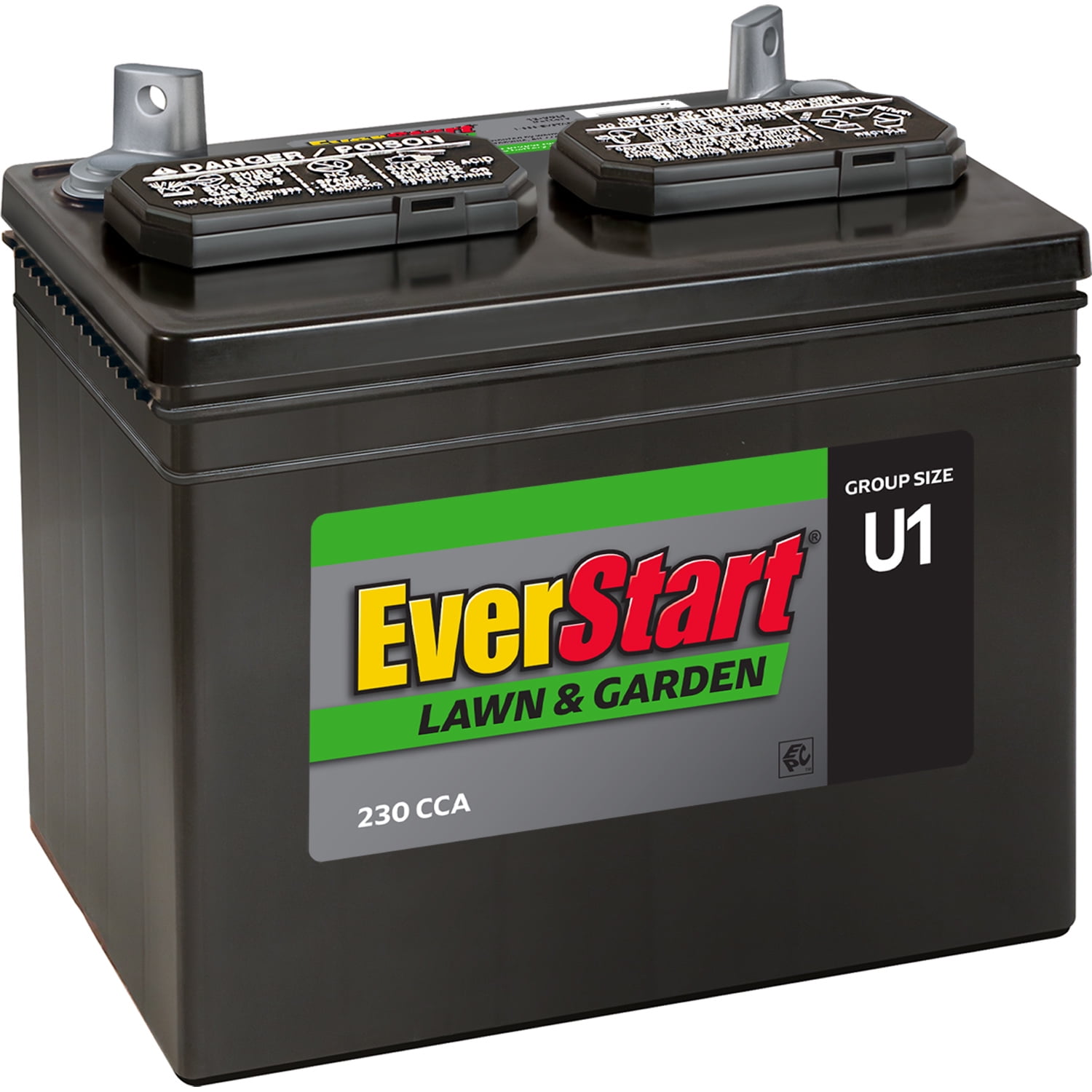
Image Source: i5.walmartimages.com
Deciphering Lawn Mower Battery Voltage
When you’re looking to buy a new lawn mower or just want to keep your current one running smoothly, one of the most important pieces of information you’ll encounter is the lawn mower battery voltage. This number tells you a lot about the mower’s power and how it operates. But what does that voltage number actually mean, and how does it affect your mowing experience? Let’s dive in and figure it out.
Electric Mower Battery Size and Voltage
The world of lawn care has seen a big shift towards electric mowers. These machines are often quieter, easier to start, and better for the environment. The heart of an electric mower is its battery, and the electric mower battery size and voltage are key factors in its performance.
Electric mowers come in various styles, from lightweight push mowers to powerful zero-turn models. The voltage of the battery directly correlates to the mower’s power output. A higher voltage generally means more power, allowing the mower to tackle tougher grass and larger areas more effectively.
Cordless Mower Battery Voltage: What to Expect
For cordless mower battery voltage, you’ll find a wide spectrum. The most common voltages for smaller, lighter push mowers are often in the 18-volt to 20-volt range. These are great for small to medium-sized yards and are comparable in power to many gas-powered push mowers.
As you move up to larger or more powerful electric mowers, the voltage increases. You’ll commonly see 40-volt, 56-volt, and even 80-volt systems. These higher voltages provide more torque, meaning the mower’s blades can spin faster and with more force, even when cutting through thick or wet grass.
Push Mower Battery Requirements
When considering push mower battery requirements, especially for electric models, voltage is paramount. A lower voltage battery, say 12 volt lawn mower battery, might be found in very basic, entry-level electric trimmers or small, specialized electric mowers. However, for a standard push mower that can effectively cut your lawn, you’ll typically need something more robust.
Most modern electric push mowers use batteries in the 40-volt to 60-volt range. This provides enough power to drive the motor efficiently and deliver a clean cut. The amperage, often listed as Amp-hours (Ah), also plays a role. A higher Ah rating means the battery can store more energy, allowing you to mow for a longer period on a single charge.
Battery Powered Mower Volts: A Closer Look
The term “battery powered mower volts” is essentially asking about the electrical “push” the battery provides to the mower’s motor. Think of it like water pressure in a hose; higher pressure (voltage) means the water (power) can travel further and with more force.
- 18V-20V: Suitable for small yards, light-duty trimming.
- 40V-60V: Common for mid-sized yards, standard push mowing.
- 80V+: Designed for larger properties, demanding conditions, and more powerful mowing tasks.
The specific voltage you need will depend on the size of your lawn, the thickness of your grass, and the features you desire in a mower.
Voltage for Zero Turn Mower Battery
Zero-turn mowers are known for their speed and maneuverability, especially in larger yards. Electric zero-turn mowers are becoming increasingly popular, and they require substantial power. The voltage for zero turn mower battery systems is significantly higher than that of push mowers.
You’ll commonly find electric zero-turn mowers utilizing battery systems in the 48-volt to 72-volt range, and sometimes even higher. These high-voltage systems are necessary to power larger, more robust motors capable of driving the mower’s wheels at speed and spinning multiple cutting blades effectively. The sheer amount of power needed for a zero-turn mower means its battery system is considerably more complex and often comprises multiple batteries or a single, very high-capacity unit.
Battery Voltage for Garden Tractor
Similar to zero-turn mowers, garden tractors, whether they are riding mowers or dedicated tractor models for yard work, also require more power than a simple push mower. The battery voltage for garden tractor models, particularly those with electric drive systems or significant powered attachments, will reflect this need.
While some smaller electric garden tractors might operate on 24-volt or 36-volt systems, larger, more powerful models, especially those designed for more demanding tasks like towing or using heavy attachments, can utilize battery voltages comparable to or even exceeding those found in electric zero-turn mowers. It’s not uncommon to see 48-volt, 60-volt, or even 72-volt systems powering these more substantial machines.
The Role of Amps in Mower Performance
While voltage tells us about the “push” of electricity, amperage (specifically Amp-hours or Ah) tells us about the “amount” of electricity. For riding mower battery amps, this is a crucial consideration. Amp-hours indicate how long the battery can deliver its stated voltage.
A higher Ah rating means a longer run time. For example, a 40-volt battery with a 5Ah rating will last twice as long as a 40-volt battery with a 2.5Ah rating, assuming all other factors are equal. When looking at riding mower batteries, you’ll often see a combination of voltage and Ah. A common setup might be a 48V 20Ah battery pack. This gives you both the power (voltage) and the capacity (Ah) to handle larger lawns.
Common Lawn Mower Battery Voltages
Let’s break down the typical voltages you’ll encounter across different types of electric lawn mowers:
- 12 Volt: Found in very small, specialty mowers or electric start systems for gas mowers.
- 18-20 Volt: Common for entry-level electric push mowers and trimmers.
- 36-40 Volt: A very popular range for many electric push mowers, offering a good balance of power and run time.
- 48-60 Volt: Typically found in higher-performance electric push mowers, some smaller riding mowers, and lighter-duty zero-turn mowers.
- 72-80+ Volt: Used in more powerful electric riding mowers, zero-turn mowers, and tractors for larger properties and tougher tasks.
Battery Chemistry and Rechargeability
The type of battery chemistry also influences performance. Most modern electric lawn mowers use Lithium-ion (Li-ion) batteries. These are popular because they are lightweight, hold a charge well, and have a long lifespan.
The term “rechargeable lawn mower battery voltage” refers to the fact that these Li-ion batteries can be recharged multiple times. The voltage of a rechargeable lawn mower battery voltage system will remain consistent throughout its discharge cycle, unlike older battery technologies. This consistency means the mower’s performance won’t significantly drop off as the battery drains.
Voltage vs. Power: What’s the Difference?
It’s important to distinguish between voltage and overall power. Voltage is a measure of electrical potential difference. Power, on the other hand, is the rate at which energy is transferred, and it’s calculated by multiplying voltage by amperage (Power = Voltage × Amperage).
So, while a higher voltage battery provides more “oomph,” the amperage rating of the battery and the efficiency of the mower’s motor also contribute significantly to the mower’s overall cutting power and run time.
Table: Voltage and Typical Lawn Mower Applications
| Voltage Range | Typical Mower Type | Best For |
|---|---|---|
| 12V | Small electric start, specialty mowers | Niche applications, starting gas engines |
| 18-20V | Lightweight electric push mowers | Small yards, easy trimming |
| 36-40V | Standard electric push mowers | Small to medium yards |
| 48-60V | High-performance push mowers, small riders | Medium to large yards, thicker grass |
| 72-80V+ | Electric riding mowers, zero-turns | Large properties, demanding conditions |
Why Voltage Matters for Your Mowing Needs
Choosing the right voltage for your electric lawn mower is critical for ensuring it meets your needs.
Matching Voltage to Lawn Size
- Small Yards (under 1/4 acre): A 18-20V or 40V mower is usually sufficient. These are lighter, easier to handle, and more affordable.
- Medium Yards (1/4 to 1/2 acre): A 40V to 60V mower is a good choice. You’ll get more power and a longer run time.
- Large Yards (1/2 acre and up): Consider 60V, 80V, or even higher voltage systems, especially if you have hilly terrain or thick grass. Riding mowers or zero-turn mowers in these voltage ranges will be more efficient.
Grass Type and Thickness
If you have dense, tough grass like fescue or bermuda, or if your grass tends to get long between mows, you’ll need a mower with a higher voltage battery. This extra voltage translates to more torque, allowing the mower to cut through thicker growth without bogging down. A 12 volt lawn mower battery, for instance, would struggle immensely with these conditions.
Mower Features and Attachments
Mowers with features like self-propulsion, mulching capabilities, or the ability to power attachments will also demand more from the battery system. Higher voltage, combined with adequate amperage, ensures these features operate effectively.
Can I Use a Battery from a Different Voltage Mower?
No, you generally cannot use a battery from a different voltage mower interchangeably. Electric lawn mower motors are designed to operate within a specific voltage range.
- Using a lower voltage battery: If you try to use a lower voltage battery in a mower designed for a higher voltage, the mower will likely not start, or it will run very weakly, if at all. The motor simply won’t receive enough electrical “push” to function correctly.
- Using a higher voltage battery: Attempting to use a higher voltage battery in a mower designed for a lower voltage is even more dangerous. This can overload and damage the mower’s motor, control board, and other electrical components, potentially causing irreparable harm and even posing a fire risk.
Always ensure the replacement battery matches the voltage specifications of your lawn mower. Check your mower’s manual or the battery compartment for this information.
Battery Care for Longevity
To get the most out of your rechargeable lawn mower battery voltage system, proper care is essential.
Charging Practices
- Follow Manufacturer Instructions: Always use the charger recommended by the mower manufacturer.
- Avoid Overcharging: While modern Li-ion batteries have protection circuits, it’s still best practice not to leave them on the charger indefinitely after they are full.
- Charge in Moderate Temperatures: Extreme heat or cold can degrade battery performance and lifespan. Charge batteries in a cool, dry place.
Storage
- Store Batteries at Optimal Charge: For long-term storage, it’s generally recommended to store Li-ion batteries at around 50-60% charge. Storing them fully charged or fully depleted for extended periods can reduce their capacity.
- Keep Them Dry: Protect batteries from moisture.
Seasonal Maintenance
- Clean Battery Terminals: Ensure the battery terminals are clean and free of corrosion to maintain good electrical contact.
- Inspect for Damage: Regularly check the battery casing and connections for any signs of damage.
Troubleshooting Common Battery Issues
If your electric mower isn’t performing as expected, the battery is often the culprit.
- Mower won’t start:
- Check if the battery is properly seated.
- Ensure the battery is charged.
- Inspect the battery terminals for dirt or corrosion.
- Mower runs weakly or stops prematurely:
- The battery may be old and losing capacity.
- The battery may not be fully charged.
- In very hot conditions, the battery might overheat and temporarily reduce power. Allow it to cool down.
- Battery won’t charge:
- Check the charger connection to the wall and the mower.
- Inspect the charger and battery for any visible damage.
- The battery may have reached the end of its lifespan.
The Future of Electric Mower Batteries
The technology behind electric mower batteries is constantly evolving. We can expect to see:
- Higher energy density: Batteries that can store more power in the same size or smaller package.
- Faster charging times: Reducing downtime between mowing sessions.
- Improved battery management systems (BMS): Better monitoring and optimization for battery health and performance.
- More sustainable materials: Efforts to make batteries more environmentally friendly throughout their lifecycle.
As battery technology advances, electric mowers will become even more powerful, efficient, and user-friendly, further solidifying their place in modern lawn care.
Frequently Asked Questions (FAQ)
Q1: What is the typical voltage for a standard electric push mower?
A1: The typical voltage for a standard electric push mower is usually between 36 volts and 40 volts, with many high-performance models reaching 60 volts.
Q2: Can I use a 20V battery on a 40V mower?
A2: No, you cannot use a 20V battery on a 40V mower. The motor requires the higher voltage to operate correctly. Using a lower voltage battery will prevent the mower from working or cause it to perform very poorly.
Q3: How do I know what voltage battery my lawn mower needs?
A3: You can find the required battery voltage by checking your lawn mower’s owner’s manual, looking for a label on the mower itself (often near the battery compartment), or by examining the specifications of the battery currently in your mower.
Q4: What does “Ah” mean on a lawn mower battery?
A4: “Ah” stands for Amp-hours. It’s a measure of the battery’s capacity, indicating how much current it can deliver over time. A higher Ah rating means the battery can run the mower for a longer duration.
Q5: Are all rechargeable lawn mower batteries the same voltage?
A5: No, rechargeable lawn mower batteries come in a variety of voltages, ranging from 12V for small applications up to 80V or more for powerful riding mowers and zero-turn mowers.
Q6: Is a higher voltage always better for a lawn mower battery?
A6: While a higher voltage generally means more power, it’s not always “better.” You need a voltage that matches your mower’s design and your specific lawn needs. Using an excessively high voltage can damage the mower, and a lower voltage will result in insufficient power.
Q7: How long should a rechargeable lawn mower battery last?
A7: The lifespan of a rechargeable lawn mower battery depends on factors like its chemistry (Li-ion batteries are generally longer-lasting), how often it’s used, how it’s charged and stored, and the quality of the battery. Typically, a good quality Li-ion battery can last for several years and hundreds of charge cycles.