
When you’re aiming for a lush, green lawn, a common question that pops up is: How much is hydroseeding a lawn? The straightforward answer is that the hydroseeding cost can vary significantly based on several factors, but it’s generally considered a cost-effective way to establish a new lawn compared to laying sod. The price to hydroseed a lawn often falls within a certain range, and getting detailed hydroseeding estimates is crucial for budgeting.
Hydroseeding is a lawn installation technique that mixes seed, fertilizer, mulch, and tackifiers (to help the mixture stick to the soil) into a slurry. This slurry is then sprayed onto your lawn area. It’s a faster and often more affordable way to seed a large area than traditional broadcast seeding. This article will delve into the various components that influence hydroseeding prices, help you decipher what goes into hydroseeding estimates, and guide you on how to get the best quotes for your project.
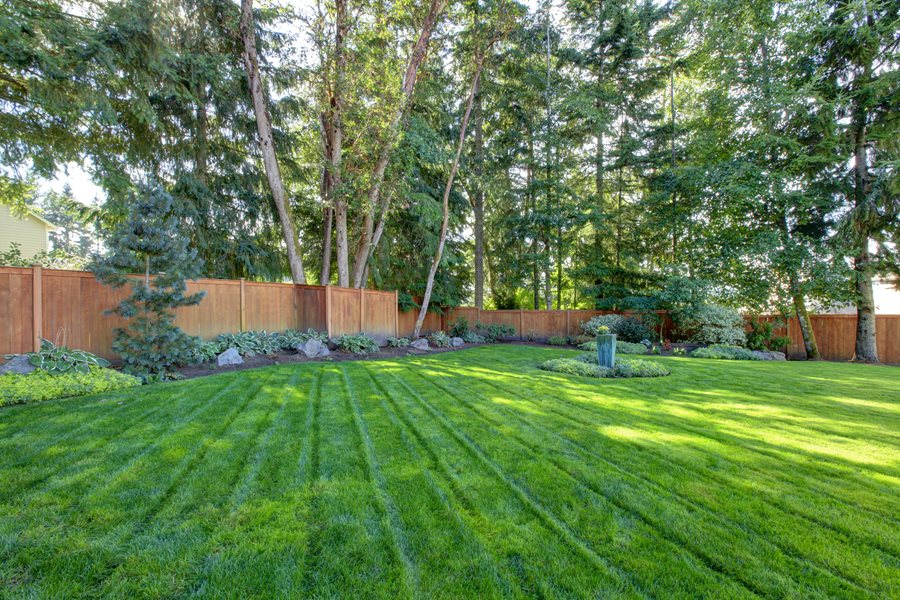
Image Source: images.landscapingnetwork.com
Deciphering Hydroseeding Cost Factors
The overall hydroseeding cost isn’t a one-size-fits-all figure. Many elements contribute to the final price you’ll pay for hydroseeding a backyard or any other lawn area. Understanding these factors will help you make informed decisions and get accurate quotes.
Size of the Area to be Hydroseeded
This is arguably the most significant factor influencing hydroseeding prices. The larger the area, the more materials (seed, mulch, fertilizer) and labor will be required. Most contractors will quote hydroseeding per square foot.
- Hydroseeding per square foot: This metric allows for a standardized comparison between different quotes. Expect the per-square-foot cost to decrease slightly as the total area increases due to economies of scale in labor and material handling.
- Typical Ranges: For a standard lawn, you might see prices ranging from $0.10 to $0.25 per square foot. However, this can fluctuate.
Type of Seed Mixture
The specific grass seed chosen for your hydroseeding project will impact the cost.
- Cool-season grasses (e.g., fescue, bluegrass, ryegrass): These are common for many regions and their seed costs can vary.
- Warm-season grasses (e.g., Bermuda, zoysia): Some specialized or premium grass seed varieties can be more expensive.
- Custom blends: If you have specific needs, like drought tolerance, shade resistance, or a particular aesthetic, you might opt for a custom blend, which could increase the hydroseeding installation cost.
Site Preparation Needs
The condition of your existing soil and the terrain will dictate the amount of preparation required before hydroseeding can begin.
- Leveling and grading: If your yard is uneven, has significant slopes, or requires extensive leveling, this labor adds to the overall hydroseeding cost.
- Soil amendments: If your soil is poor or compacted, contractors might recommend adding topsoil, compost, or other amendments, which will increase material costs.
- Weed removal: If the area is heavily overgrown with weeds, the contractor may need to perform weed removal services before hydroseeding, adding to the labor and potential herbicide costs.
Terrain and Accessibility
The ease with which a hydroseeding crew can access your property and apply the mixture plays a role in the hydroseeding installation cost.
- Steep slopes: Hydroseeding is often ideal for slopes because the tackifier helps prevent erosion, but working on steep terrain can be more labor-intensive and require specialized equipment, potentially increasing the hydroseeding cost.
- Difficult access: Properties with narrow gates, winding driveways, or areas far from where the hydroseeding truck can park might incur additional charges due to the extra effort involved.
Hydroseeding Application Thickness
The amount of hydroseeding slurry applied per square foot is another factor. While most contractors use standard application rates, you might request a thicker application for quicker establishment or if you’re in an area prone to erosion, which could increase the hydroseeding cost.
Additional Services
Some companies offer bundled services that can affect the overall hydroseeding cost.
- Fertilizer: While often included, premium or specialized fertilizers can add to the price.
- Mulch type: Different types of mulch (e.g., wood fiber, paper) have varying costs.
- Erosion control blankets: For very steep slopes or areas prone to significant runoff, erosion control blankets might be recommended, adding a substantial cost.
- Initial watering: Some services might include an initial watering.
Location and Contractor
Geographic location and the specific contractor you choose will also influence hydroseeding prices.
- Cost of living: Areas with a higher cost of living generally have higher service rates.
- Contractor reputation and experience: Established companies with a strong reputation and years of experience might charge more, but often offer superior quality and guarantees.
- Small vs. large projects: While the per-square-foot rate may decrease with size, very small lawn hydroseeding projects might have a minimum charge that makes the per-square-foot cost higher than for a larger area.
Getting Accurate Hydroseeding Estimates
To get a clear picture of your lawn hydroseeding cost estimate, you need to solicit quotes from multiple reputable hydroseeding contractors. Here’s how to approach it:
Research and Identify Potential Contractors
Start by looking for hydroseeding specialists in your area.
- Online searches: Use terms like “hydroseeding near me,” “lawn hydroseeding cost,” or “hydroseeding services.”
- Ask for recommendations: Friends, neighbors, or landscaping professionals might have contractors they trust.
- Check reviews and ratings: Look for companies with positive feedback and a good track record.
Prepare for the Quote Process
When you contact contractors, be ready to provide them with the necessary information.
- Exact dimensions: Have the square footage of the area you want hydroseeded. Measure your lawn accurately.
- Site details: Be prepared to describe the current condition of the land, any slopes, access issues, and what you want in terms of grass type.
- Your goals: Communicate your expectations for the lawn’s establishment and appearance.
What to Expect During a Site Visit
A good contractor will want to visit your property to provide an accurate quote. During their visit, they should:
- Measure the exact area to be hydroseeded.
- Assess the soil condition and identify any necessary preparation.
- Discuss grass seed options suitable for your climate and soil.
- Explain their hydroseeding process and timeline.
- Provide a detailed written quote.
Comparing Hydroseeding Estimates
When you receive quotes, don’t just look at the bottom line. Compare them line by line.
- What’s included? Does the quote cover seed, fertilizer, mulch, labor, and any site prep?
- Grass seed type: Are the seed types specified, and are they appropriate for your area?
- Application rate: While not always listed, it’s good to ask about their typical application.
- Warranties or guarantees: Does the contractor offer any guarantees on germination or establishment?
- Timeline: When can they start and how long will the process take?
Example Hydroseeding Quote Comparison Table
| Feature | Contractor A | Contractor B | Contractor C |
|---|---|---|---|
| Total Area | 5,000 sq ft | 5,000 sq ft | 5,000 sq ft |
| Per Sq Ft Cost | $0.18 | $0.20 | $0.16 |
| Base Cost | $900 | $1,000 | $800 |
| Site Prep Fee | $150 | $0 (included) | $200 |
| Premium Seed | $50 | $0 | $75 |
| Add’l Fertilizer | $0 | $25 | $0 |
| Total Estimated Cost | $1,100 | $1,025 | $1,075 |
| Notes | Standard seed, basic prep | Includes premium seed & prep | Basic seed, extra prep |
This table highlights how the same basic service can have different pricing structures.
Understanding the Hydroseeding Process and Pricing
Knowing what you’re paying for is key. The cost of hydroseeding covers several crucial components that work together to establish a healthy lawn.
The Hydroseeding Slurry Composition
The “soup” that gets sprayed onto your lawn is a carefully formulated mixture.
- Water: The base carrier for all other ingredients.
- Seed: The chosen grass seed variety. The cost of seed is a primary driver in hydroseeding prices.
- Mulch: Typically wood fiber or cellulose mulch. It helps retain moisture, provides a protective layer for the seed, and its color can indicate where the slurry has been applied. This is a significant component of the hydroseeding cost.
- Fertilizer: Provides essential nutrients for seed germination and early growth.
- Tackifier/Binder: These are adhesives (like guar gum or paper pulp) that help the slurry stick to the soil, especially on slopes, preventing it from washing away.
- Wetting agents: Help the soil absorb and retain moisture.
Why Hydroseeding is Often More Affordable
Compared to laying sod, hydroseeding can be significantly cheaper, especially for larger areas.
- Material cost: Grass seed is generally less expensive than sod.
- Labor cost: While specialized equipment is needed, the application process is usually faster than laying sod by hand, which can reduce labor expenses.
- Reduced transportation costs: Seed and slurry are lighter and take up less space than rolls of sod.
Factors Affecting Lawn Hydroseeding Cost
Let’s drill down further into specific elements that can push the hydroseeding cost up or down.
Hydroseeding a Backyard vs. Commercial Projects
- Backyard hydroseeding: Typically involves smaller, more accessible areas. Contractors may have minimum charges for residential jobs.
- Commercial projects: Larger areas can benefit from bulk pricing, but may also involve more complex site preparation, like extensive grading or dealing with construction sites.
Hydroseeding Installation Cost Breakdown
While it’s difficult to give exact figures without a specific quote, here’s a general idea of how the hydroseeding installation cost is distributed:
- Materials (seed, mulch, fertilizer, tackifier): 40-50%
- Labor: 30-40%
- Equipment operation/overhead: 10-20%
- Travel/Site prep: Variable
The Importance of Getting Multiple Hydroseeding Estimates
As mentioned, getting several quotes is vital. Don’t be afraid to ask questions about each component of the estimate. This helps you compare apples to apples and ensures you’re not overpaying.
What Does the Price to Hydroseed Lawn Include?
A typical hydroseeding price will cover:
- Site assessment and consultation.
- Preparation of the area (basic clearing, if needed).
- Mixing of the hydroseeding slurry with chosen seed, fertilizer, mulch, and tackifier.
- Application of the slurry to the prepared area.
- Clean-up of equipment.
What it might not include unless specified:
- Extensive grading or leveling.
- Removal of large debris or existing vegetation.
- Application of topsoil or amendments.
- Post-germination care or watering (though some include initial watering).
- Warranties against poor germination due to weather or animal damage.
When to Consider Hydroseeding and Budgeting
Hydroseeding is an excellent option for:
- Establishing new lawns on bare soil.
- Repairing damaged lawns.
- Seeding large areas quickly.
- Erosion control on slopes and hillsides.
When budgeting, consider these tips:
- Factor in potential extras: Always add a buffer for unforeseen site preparation needs.
- Timing matters: Prices might fluctuate slightly with the season. Spring and fall are peak times, which can sometimes mean higher demand and potentially less flexibility on pricing.
- Long-term value: While the upfront hydroseeding cost is a consideration, a well-established hydroseeded lawn can save you money in the long run compared to ongoing efforts to revive a struggling lawn.
Frequently Asked Questions About Hydroseeding Costs
Here are answers to common questions people have about the price to hydroseed a lawn:
Q1: How much does hydroseeding cost per acre?
The cost per acre can vary greatly, but a general range for hydroseeding per acre might be between $3,000 to $7,000, depending on the factors discussed above. This translates to roughly $0.07 to $0.16 per square foot if you calculate an acre as 43,560 square feet.
Q2: Is hydroseeding cheaper than sod?
Yes, in most cases, hydroseeding is cheaper than laying sod. Sod costs can range from $0.30 to $1.00 per square foot or more, including installation. Hydroseeding typically falls in the $0.10 to $0.25 per square foot range.
Q3: What influences the hydroseeding cost for a small backyard?
For a small backyard, the hydroseeding cost will be influenced by the same factors (seed type, preparation, accessibility), but contractors often have a minimum charge, which can make the per-square-foot cost higher than for a larger area.
Q4: How long does it take for hydroseeded grass to grow?
Grass typically begins to sprout within 7-14 days, depending on the seed variety and weather conditions. A fully established lawn may take 4-6 weeks or longer.
Q5: Can I hydroseed myself?
While you can rent hydroseeding equipment and purchase the materials yourself, it’s a complex process. Professionals have the expertise to choose the right seed mix, apply the slurry evenly and at the correct thickness, and manage potential issues. The cost savings might not be worth the risk of a poor outcome for many homeowners.
Q6: How do I get hydroseeding estimates?
To get hydroseeding estimates, contact several local hydroseeding companies. Provide them with your property’s square footage and any specific needs. Schedule a site visit for the most accurate quotes.
Q7: What is included in the hydroseeding installation cost?
A typical hydroseeding installation cost covers the materials (seed, mulch, fertilizer, tackifier), labor for mixing and application, and basic site preparation. Always confirm what is explicitly included in your quote.
By carefully considering these factors and getting multiple, detailed hydroseeding estimates, you can confidently determine the right price to hydroseed your lawn and achieve the beautiful, green yard you desire.