
What is the correct amount of lime to apply to your lawn? The correct amount of lime to apply to your lawn depends on your soil’s pH, the type of grass you have, and the recommendations from a soil test. Generally, for every 1,000 square feet, you’ll apply between 5 to 10 pounds of lime if your soil is acidic.
Achieving a lush, healthy lawn often starts with more than just watering and mowing. It involves understanding your soil’s unique needs. One of the most common and crucial steps in improving soil health is soil pH adjustment. Soil pH refers to how acidic or alkaline your soil is, and it plays a vital role in how well your grass can absorb nutrients. If your soil is too acidic, essential nutrients become locked up, making them unavailable to your grass, even if you’re applying lawn fertilization regularly. This is where lime comes in as a valuable soil amendment.
This guide will delve deep into how much lime to apply to your lawn, covering everything from the science behind it to practical application methods. We’ll explore soil testing for lime, the different types of lime available, and how to calculate the right lime application rates for your specific needs.
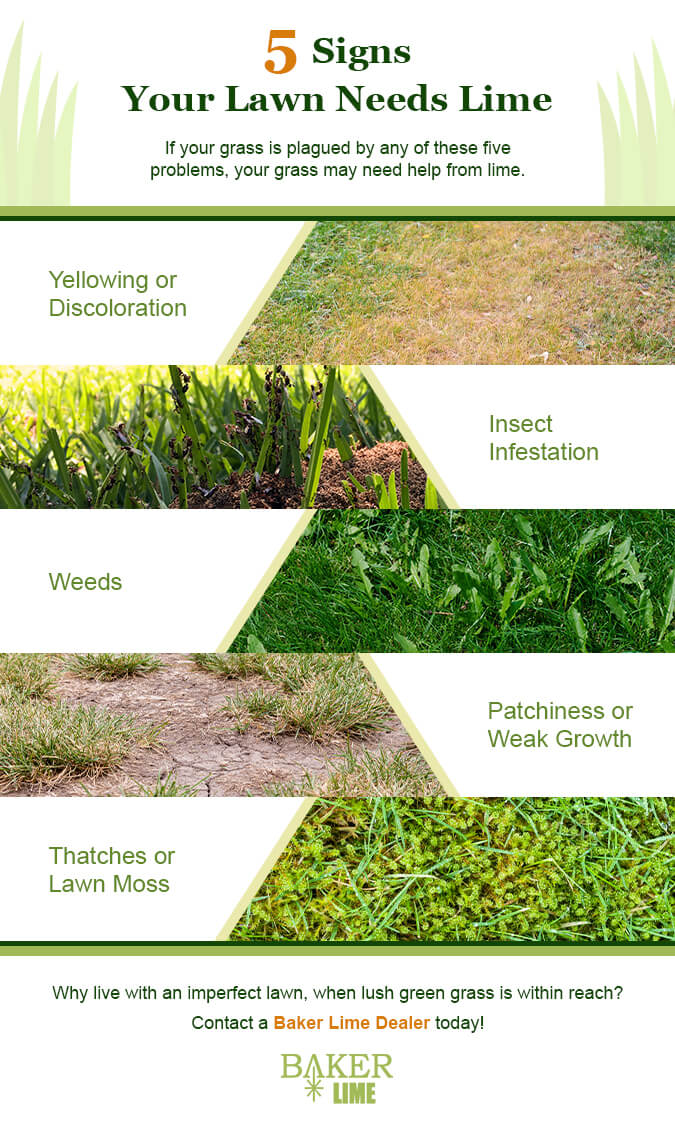
Image Source: www.bakerlime.com
Deciphering Soil pH and Your Lawn’s Needs
Soil pH is measured on a scale from 0 to 14. A pH of 7 is neutral. Anything below 7 is acidic, and anything above 7 is alkaline. Most turfgrass species thrive in a slightly acidic to neutral pH range, typically between 6.0 and 7.0.
When soil pH drops too low (becomes too acidic), several problems can arise for your lawn:
- Nutrient Lock-up: Essential nutrients like nitrogen, phosphorus, and potassium become less available to grass roots.
- Increased Aluminum and Manganese Toxicity: In acidic soils, aluminum and manganese can dissolve and become toxic to grass, hindering growth and causing stress.
- Reduced Microbial Activity: Beneficial soil microbes, crucial for nutrient cycling and soil health, are less active in acidic conditions.
- Weed Proliferation: Some common lawn weeds, like clover and dandelions, often thrive in more acidic soils, outcompeting your grass.
Conversely, while less common for lawns, highly alkaline soils can also cause nutrient deficiencies, particularly iron, leading to yellowing (chlorosis).
The Role of Lime in Soil pH Adjustment
Lime is a natural material that is used to raise the pH of acidic soils. The primary active ingredients in agricultural lime are calcium carbonate (CaCO₃) and, in some cases, magnesium carbonate (MgCO₃). These carbonates react with the acidic compounds in the soil, neutralizing the acidity and gradually raising the pH.
By correcting the soil pH, lime makes nutrients more accessible to your grass, promotes a healthier root system, and encourages the growth of beneficial soil organisms. This, in turn, leads to a more vigorous and resilient lawn, better able to withstand stresses like drought, disease, and heavy foot traffic.
The Importance of Soil Testing for Lime
Before you grab a bag of lime and head to the lawn, the most critical step is to conduct a soil testing for lime. This isn’t just a suggestion; it’s the foundation of effective lawn care. A soil test provides precise information about your soil’s current pH and its lime requirement.
Why Conduct a Soil Test?
- Accurate pH Measurement: Soil tests provide a scientific measurement of your soil’s pH, eliminating guesswork.
- Nutrient Analysis: Most soil tests also analyze the levels of essential nutrients (like phosphorus, potassium, and micronutrients) and organic matter. This comprehensive data helps you tailor your entire fertilization and soil amendment program.
- Specific Lime Recommendations: Based on your soil’s pH and buffer capacity (its ability to resist pH change), the test will recommend the exact amount of lime needed to reach the desired pH range. This prevents over-liming or under-liming, both of which can be detrimental.
- Cost-Effectiveness: Applying lime without a test can lead to wasted money and effort, or worse, damage your lawn. A soil test ensures you’re only applying what’s necessary.
How to Get a Soil Test
- Contact Your Local Extension Office: Your county’s Cooperative Extension office is the best resource for soil testing. They can provide you with soil sample bags, detailed instructions on how to collect samples, and information on submission fees and turnaround times.
- Collect Samples Correctly: This is crucial for accurate results.
- Gather samples from several different areas of your lawn, especially if you notice variations in grass health.
- Use a clean trowel or soil probe.
- Dig down about 4-6 inches (the root zone for most grasses).
- Remove any grass clippings or thatch from the surface before digging.
- Place each sample in a clean container, mix them thoroughly, and then take a smaller representative sample to send for testing.
- Avoid taking samples from areas that have recently been fertilized or limed.
- Submit Your Sample: Follow the extension office’s instructions for submitting your samples and payment.
The results will typically be mailed or emailed to you, often with detailed explanations and recommendations tailored to your lawn and the types of plants you wish to grow.
Types of Lime and Their Properties
Not all lime is created equal. The effectiveness and speed of action depend on the form and particle size of the lime. The most common types you’ll encounter for lawn care are:
Granular Lime
Granular lime is the most common and easiest type to apply for homeowners. It’s made by grinding limestone and then adding a binder to form pellets or granules.
- Pros:
- Easy to spread with a broadcast or drop spreader.
- Less dusty than powdered lime.
- Releases its calcium and magnesium more slowly, providing a more sustained pH adjustment.
- Cons:
- Can be slightly more expensive than powdered lime.
- May not act as quickly as very finely ground lime.
Powdered Lime (Pulverized Limestone)
Powdered lime, also known as pulverized limestone, is finely ground limestone.
- Pros:
- Reacts more quickly with soil than granular lime because of its increased surface area.
- Often less expensive.
- Cons:
- Can be very dusty, making application messy and potentially causing respiratory irritation.
- More difficult to spread evenly with standard lawn spreaders; a spreader designed for powders or a slightly modified spreader might be needed.
- Can be washed away more easily if not incorporated into the soil or if heavy rains occur shortly after application.
Dolomitic Lime vs. Calcitic Lime
Both calcium carbonate and magnesium carbonate are forms of lime. The type of lime you use can depend on your soil’s existing nutrient levels.
- Calcitic Lime: Primarily composed of calcium carbonate. It’s best for soils that are acidic and have adequate magnesium levels.
- Dolomitic Lime: Contains both calcium carbonate and magnesium carbonate. It’s ideal for soils that are acidic and also low in magnesium. If your soil test indicates a magnesium deficiency, dolomitic lime is the preferred choice.
Recommendation: Always check your soil test results. They will often specify whether calcitic or dolomitic lime is recommended.
Calculating Lime Application Rates
Once you have your soil test results, you’ll need to determine the lime application rates. The report will usually provide a recommendation in pounds per 1,000 square feet. However, if it doesn’t, you can use general guidelines, but remember that a soil test is always the most accurate method.
The amount of lime needed depends on:
- Current Soil pH: The lower the pH, the more lime is needed.
- Target Soil pH: Most lawns aim for a pH of 6.0 to 7.0.
- Soil Type (Buffering Capacity):
- Sandy soils have low buffering capacity and require less lime to raise the pH.
- Clay soils have high buffering capacity and require more lime to achieve the same pH change.
- Type of Lime: Finer-ground limes (like powdered lime) react faster and require slightly different rates than coarser granular limes. The Calcium Carbonate Equivalent (CCE) of the lime is also a factor; most common limes have a CCE of 90-100%.
General Lime Application Rates (No Soil Test)
Disclaimer: These are approximate rates and should be used with caution. A soil test is always recommended for precise application.
| Current Soil pH | Target Soil pH (6.5) | Sandy Soil (lbs/1000 sq ft) | Loam Soil (lbs/1000 sq ft) | Clay Soil (lbs/1000 sq ft) |
|---|---|---|---|---|
| 6.0 | 6.5-7.0 | 5 – 7.5 | 7.5 – 10 | 10 – 12.5 |
| 5.5 | 6.5-7.0 | 7.5 – 10 | 10 – 12.5 | 12.5 – 15 |
| 5.0 | 6.5-7.0 | 10 – 12.5 | 12.5 – 15 | 15 – 20 |
| 4.5 | 6.5-7.0 | 12.5 – 15 | 15 – 20 | 20 – 25 |
Important Note: It is generally recommended to apply no more than 5 pounds of lime per 1,000 square feet at one time. If your soil test indicates a need for more than this, split the application into two or more applications, with each application separated by at least 3-6 months. Applying too much lime at once can rapidly raise the pH and shock your lawn.
Example Calculation:
Let’s say your soil test results for a 2,000 sq ft lawn recommend 8 pounds of lime per 1,000 sq ft.
- Total lime needed = 8 lbs/1000 sq ft * 2 (for 2,000 sq ft) = 16 pounds.
- If the recommendation is for a single application and you have a 50-pound bag of lime, you’ll use 16 pounds of that bag.
If the recommendation was 15 pounds per 1,000 sq ft, and you have 2,000 sq ft, that’s 30 pounds. If you can only apply a maximum of 10 pounds per 1,000 sq ft at once, you’d apply 20 pounds now, wait 3-6 months, and then apply the remaining 10 pounds.
Applying Lime to Your Lawn
Proper application is just as important as knowing how much lime to use. Using the right equipment and technique will ensure even coverage and maximum effectiveness.
Best Time to Apply Lime
The best time to apply lime is typically in the fall or early spring.
- Fall: The soil is generally moist, and the slow action of lime has time to work throughout the winter before the growing season begins. Grass roots are still active in the fall, helping to incorporate the lime.
- Early Spring: Applying lime in early spring allows it to begin adjusting the pH before the heavy growth period.
Avoid applying lime during the hottest months of summer or when the ground is frozen.
Equipment for Application
- Broadcast Spreader: This is the most common and effective spreader for applying granular materials like lime. It casts the material in a wide arc.
- Drop Spreader: This type of spreader drops material directly in front of the unit. It offers more precise application along edges but can be slower for large areas.
Lime Spreader Settings
Each spreader model and each brand of lime will have different lime spreader settings.
- Consult the Bag: Most lime products will have recommended spreader settings printed on the packaging for various spreader models. Start with these recommendations.
- Calibrate Your Spreader: For the most accurate application, it’s best to calibrate your spreader.
- Determine the square footage of your lawn.
- Measure out the amount of lime recommended for that area.
- Set your spreader to the recommended setting and spread the measured lime over a test area of the same size.
- If you apply too much or too little, adjust the setting and try again. Many spreader instructions include a calibration guide.
- Adjust for Conditions: If you are applying a very fine or very coarse granular lime, you may need to slightly adjust the settings from the bag’s recommendations.
Application Technique
- Overlap Passes: When using a broadcast spreader, overlap your passes slightly to ensure even coverage and avoid striping.
- Edge Application: Be mindful of applying lime near driveways, sidewalks, or water bodies to prevent runoff. Drop spreaders are useful for precise edge application.
- Watering: Lightly watering your lawn after applying lime can help wash the granules off the grass blades and begin the process of incorporating the lime into the soil. However, avoid excessive watering that could lead to runoff.
- Avoid Application on Wet Grass: Applying lime to wet grass can cause it to stick and potentially burn the grass. It also makes spreading less efficient and can lead to clumping.
Frequency of Lime Application
The frequency of lime application depends on your soil’s initial pH and how quickly it tends to become acidic.
- Regular Soil Testing: The best way to determine the frequency is through regular soil testing for lime. Most experts recommend testing your soil every 2-3 years.
- General Guidelines: If your soil is significantly acidic, you might need to apply lime every 2-3 years. If your soil is only slightly acidic or close to neutral, you might only need to apply it every 4-5 years, or not at all.
- Observe Your Lawn: If you notice signs of declining grass health, increased weed growth (especially acid-loving weeds), or poor response to lawn fertilization, it might be time for another soil test.
Correcting Over-Liming
While it’s important to lime acidic soil, applying too much lime (over-liming) can also harm your lawn. Over-liming can:
- Raise pH too high: This can lead to nutrient deficiencies, particularly iron and manganese, causing yellowing of the grass.
- Damage grass roots: A rapid pH swing can stress and damage grass roots.
- Alter soil structure: In extreme cases, it can affect soil structure negatively.
What to do if you over-lime:
- Do not apply more lime.
- Water thoroughly: Heavy watering can help dilute the lime and wash it deeper into the soil profile, but be mindful of runoff.
- Wait and re-test: The best approach is to wait. Continue to monitor your lawn’s health and conduct a soil test the following year to see how the pH has adjusted.
- Consider Acidifying Amendments: In severe cases of over-liming, you might consider using sulfur-based soil amendments to gradually lower the pH, but this should only be done based on specific soil test recommendations and with extreme caution.
Frequently Asked Questions (FAQ)
Q1: Can I mix lime with fertilizer?
A1: It is generally not recommended to mix lime with most fertilizers, especially those containing ammonium. Ammonium-based fertilizers can react with lime, converting the ammonium into ammonia gas, which will then volatilize into the atmosphere, rendering the nitrogen fertilizer ineffective. It’s best to apply lime and fertilizer at different times. Wait at least a week or two between applications of lime and nitrogen fertilizers.
Q2: How long does it take for lime to work?
A2: The speed at which lime works depends on the particle size, soil moisture, and soil type. Finely ground powdered lime will react faster than granular lime. Generally, it takes several months for lime to significantly alter soil pH. You may start to see improvements in grass health within a few months to a year, but the full effect on soil pH can take longer.
Q3: Does lime kill grass?
A3: Lime itself does not typically kill grass when applied at the recommended rates. However, applying too much lime at once (over-liming) can drastically change the soil pH, potentially causing nutrient imbalances or toxicity that can stress and damage your lawn, making it appear as if the lime killed it. Always follow lime application rates based on soil test results.
Q4: What is the best type of lime for lawns?
A4: For most homeowners, granular lime is the easiest and most convenient type to use because it spreads evenly and is less dusty. If your soil test indicates a magnesium deficiency, choose dolomitic lime; otherwise, calcitic lime is usually sufficient.
Q5: How much lime should I apply if my soil test says “apply 5 lbs per 1000 sq ft”?
A5: If your soil test indicates you need to apply 5 pounds of lime per 1,000 square feet, and your lawn is 3,000 square feet, you will need a total of 15 pounds of lime (5 lbs/1000 sq ft * 3000 sq ft = 15,000 lbs). You would then measure out 15 pounds of the lime product you purchased and spread it evenly over your 3,000 sq ft lawn.
Q6: Can I apply lime during the summer?
A6: While it’s best to apply lime in the fall or early spring, it is possible to apply it in the summer, but with caution. Avoid applying during extreme heat or drought conditions, as this can stress the grass. If you must apply it in the summer, do so during a cooler period and water it in lightly afterward.
Q7: My lawn is yellowing. Could it be a pH problem?
A7: Yellowing grass can be caused by many factors, including nutrient deficiencies, lack of water, disease, or insect pests. However, if your soil is too acidic, essential nutrients like iron may be unavailable to the grass, leading to yellowing (chlorosis). A soil testing for lime can help determine if a pH issue is contributing to the problem.
Conclusion
The quest for a vibrant lawn often hinges on the subtle but significant science of soil health. By now, you should have a comprehensive grasp of how much lime to apply to your lawn, the importance of soil testing for lime, and the practical steps involved in making this crucial soil amendment. Remember, calcium carbonate and magnesium carbonate in lime are powerful tools for soil pH adjustment, but their effectiveness relies on accurate assessment and application. Whether you choose granular lime or powdered lime, understanding your lime spreader settings and following recommended lime application rates will pave the way for a greener, healthier lawn that is better equipped to benefit from your lawn fertilization efforts. Your soil is the foundation of your lawn, and giving it the right care through liming, when needed, is an investment that yields beautiful results.