
Determining how much to fertilize your lawn is crucial for healthy, vibrant grass, and it generally depends on the type of grass you have, its current condition, and the specific fertilizer you’re using. When you fertilize your lawn, aim for times when the grass is actively growing, typically spring and fall for cool-season grasses, and late spring through early fall for warm-season grasses.
Image Source: www.canr.msu.edu
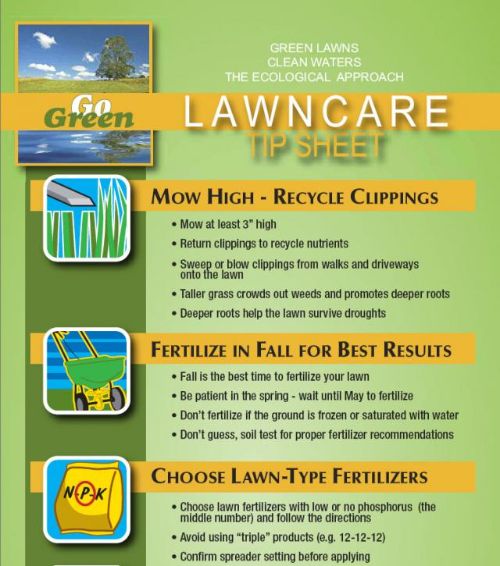
Lawn Fertilizer Application: A Comprehensive Guide
A lush, green lawn is the envy of the neighborhood. But achieving that look requires more than just mowing and watering. Fertilizing grass is a cornerstone of effective lawn care fertilizer, providing the essential nutrients your turf needs to thrive. This guide will delve into the intricacies of lawn fertilizer application, covering everything from when to fertilize to how much to apply and the best fertilizer types for lawns.
When to Fertilize Your Lawn: Seasonal Rhythms
The timing of your lawn fertilization schedule is as important as the amount you use. Fertilizing at the wrong time can be ineffective, or even harmful, to your grass.
Cool-Season Grasses (e.g., Kentucky Bluegrass, Fescue, Ryegrass)
These grasses thrive in cooler temperatures and have two main growth periods: spring and fall.
- Spring Fertilization: This is a critical time to replenish nutrients lost over winter and support new growth. Apply fertilizer after the grass has greened up and is actively growing, usually in late April or May. Avoid fertilizing too early, before the grass has fully emerged from dormancy.
- Fall Fertilization: This is arguably the most important fertilization for cool-season grasses. Applying fertilizer in September or October helps the grass store energy for winter and promotes root development, leading to a healthier lawn come spring.
- Summer Fertilization: Generally, avoid fertilizing cool-season grasses during the hot summer months. The heat and potential for drought can stress the grass, and fertilizer can exacerbate this. If you must fertilize, use a slow-release formula and water thoroughly.
Warm-Season Grasses (e.g., Bermuda, Zoysia, St. Augustine)
These grasses thrive in heat and go dormant in cooler temperatures. Their primary growth period is during the summer.
- Late Spring/Early Summer Fertilization: Apply fertilizer when the grass has fully greened up and is actively growing, typically from late May through June.
- Mid-Summer Fertilization: A second application in July or early August can help maintain vigor during the peak growing season.
- Late Summer/Early Fall Fertilization: A final application in late August or early September can help the grass recover from summer stress and prepare for dormancy. Avoid fertilizing too late into the fall, as this can encourage tender new growth that is susceptible to winter damage.
How Much to Fertilize Lawn: Deciphering the Amounts
The amount of fertilizer to apply is determined by the lawn nutrient needs and the specific product you are using. Always read and follow the label instructions on the fertilizer bag.
The Role of Nitrogen (N)
Nitrogen is the most important nutrient for grass growth and color. It’s responsible for the green, leafy appearance of your lawn. The “N” in the N-P-K ratio on fertilizer bags represents nitrogen.
- General Recommendations: Most lawns need approximately 1 pound of actual nitrogen per 1,000 square feet of lawn area per application. Some experts recommend a total of 3-4 pounds of nitrogen per 1,000 square feet per year, spread across several applications.
- Calculating Nitrogen: To figure out how much fertilizer to apply to achieve 1 pound of actual nitrogen per 1,000 sq ft, you need to do a simple calculation:
- Formula: (1 / % Nitrogen in Fertilizer) = Pounds of Fertilizer needed per 1,000 sq ft.
- Example: If you have a 20-5-10 fertilizer (meaning 20% nitrogen), you would need 5 pounds of the product (20 / 100 = 0.20; 1 / 0.20 = 5) to deliver 1 pound of actual nitrogen per 1,000 square feet.
Other Essential Nutrients: Phosphorus (P) and Potassium (K)
- Phosphorus (P): Essential for root development and seedling establishment. Many established lawns have sufficient phosphorus in the soil, so over-application can lead to environmental problems. Look for “starter” fertilizers that have a higher P number for new lawns.
- Potassium (K): Helps improve the overall health and stress tolerance of the grass, making it more resistant to diseases, drought, and heat.
Understanding Fertilizer Numbers (N-P-K)
The three numbers on a fertilizer bag (e.g., 20-5-10) represent the percentage by weight of nitrogen (N), phosphorus (P), and potassium (K) respectively.
- Nitrogen (N): Promotes leaf growth and green color.
- Phosphorus (P): Aids in root development and flowering.
- Potassium (K): Enhances overall plant health, stress tolerance, and disease resistance.
Best Fertilizer for Grass: Choosing the Right Product
Selecting the best fertilizer for grass involves considering your grass type, the season, and your lawn’s specific needs.
Fertilizer Types for Lawns
-
Granular Fertilizers:
- Description: These are small, solid pellets that are spread over the lawn. They are easy to apply with a spreader.
- Types:
- Quick-Release: Nitrogen is immediately available to the grass. This provides a rapid green-up but can lead to surge growth and requires more frequent application. It also has a higher risk of burning the lawn if over-applied.
- Slow-Release: Nitrogen is released gradually over time, providing consistent feeding and reducing the risk of burning. This is generally the preferred type for most lawn applications. Many slow-release fertilizers use coated granules or organic nitrogen sources.
-
Liquid Fertilizers:
- Description: These are dissolved in water and applied as a spray. They are absorbed quickly by the grass blades and roots, providing a faster green-up.
- Application: Usually applied with a hose-end sprayer or a backpack sprayer. They are good for quick fixes but may require more frequent application than slow-release granular fertilizers.
-
Organic Fertilizers:
- Description: Derived from natural sources like compost, manure, bone meal, and feather meal. They improve soil health and release nutrients slowly.
- Benefits: Less risk of burning, improve soil structure, and support beneficial soil microorganisms. They may not provide as rapid a green-up as synthetic fertilizers.
Choosing Based on Grass Type and Season
- For New Lawns: Use a starter fertilizer with a higher phosphorus content (e.g., 10-20-10) to encourage strong root development.
- For Established Lawns: A balanced fertilizer (e.g., 10-10-10) or one with a higher nitrogen content (e.g., 20-5-10) is typically suitable. For fall, a fertilizer with a higher potassium content can be beneficial.
Applying Lawn Fertilizer: Techniques and Tools
Proper applying lawn fertilizer is key to ensuring even distribution and maximizing effectiveness.
Lawn Fertilization Schedule: How Often to Fertilize Lawn
The frequency of fertilizing grass depends on your grass type, climate, and the type of fertilizer used.
- Cool-Season Grasses: Typically benefit from 3-4 applications per year.
- Early Spring
- Late Spring/Early Summer (optional, or use slow-release)
- Early Fall (most important)
- Late Fall (optional, for root development)
- Warm-Season Grasses: Can tolerate more frequent fertilization during their active growing season.
- Late Spring/Early Summer
- Mid-Summer
- Late Summer/Early Fall
Using a Fertilizer Spreader
- Types of Spreaders:
- Broadcast/Rotary Spreaders: These have a spinning disc that throws fertilizer out over a wide area. They are good for covering large, open lawns.
- Drop Spreaders: These drop fertilizer in a narrow band directly below the spreader. They offer more precise application, which is helpful for getting close to sidewalks and driveways without over-fertilizing those areas.
- Calibration: It’s crucial to calibrate your spreader to ensure you’re applying the correct fertilizer rates for lawns. Most fertilizer bags provide spreader settings, but it’s best to test your spreader’s output by measuring out a known area and seeing how much fertilizer it disperses.
Application Tips:
- Mow First: Mow your lawn before applying fertilizer. This allows the fertilizer to reach the soil and roots more effectively.
- Water Before or After: If using a quick-release fertilizer, watering before application can help prevent burning. For most fertilizers, watering immediately after application helps the granules to start dissolving and move into the soil.
- Apply Evenly: Walk at a consistent pace and overlap passes slightly to ensure even coverage. Avoid concentrating fertilizer in one spot.
- Sweep Off Hard Surfaces: If fertilizer lands on sidewalks, driveways, or patios, sweep it back onto the lawn. Excess fertilizer on hard surfaces can wash into storm drains and pollute waterways.
- Avoid Fertilizing Dormant Grass: Never fertilize grass that is dormant due to drought or cold.
Diagnosing Lawn Nutrient Needs
Before you fertilize, it’s wise to assess your lawn’s actual lawn nutrient needs.
Signs of Nutrient Deficiency
- Nitrogen Deficiency: Yellowing of the grass, often starting with the older, lower leaves. Slow growth and thinning turf.
- Phosphorus Deficiency: Stunted growth, purplish discoloration on blades (especially in young grass), and poor root development.
- Potassium Deficiency: Yellowing or browning of leaf edges, increased susceptibility to disease and drought stress.
Soil Testing
The most accurate way to determine your lawn’s nutrient needs is through a soil test.
- How to Soil Test:
- Collect soil samples from several different areas of your lawn.
- Mix them together in a clean container.
- Send the sample to your local cooperative extension office or a private soil testing lab.
- What it Tells You: A soil test will indicate the pH of your soil and the levels of essential nutrients, including nitrogen, phosphorus, and potassium. It will also provide specific recommendations for the type and amount of fertilizer to use.
Common Lawn Fertilization Mistakes to Avoid
Even with the best intentions, fertilizer rates for lawns can sometimes be miscalculated, leading to problems.
- Over-Fertilizing: This is a common mistake that can burn the grass, lead to excessive thatch, promote weed growth, and contribute to environmental pollution.
- Under-Fertilizing: While less damaging, under-fertilizing will result in a thin, weak lawn that is more susceptible to pests and diseases.
- Fertilizing at the Wrong Time: As discussed, fertilizing when the grass is not actively growing can be wasteful and potentially harmful.
- Ignoring Soil Test Results: Relying on guesswork rather than scientific data can lead to imbalances in your lawn’s nutrient profile.
- Improper Spreader Calibration: This leads to uneven application, with some areas receiving too much fertilizer and others too little.
Fertilizing Grass: Advanced Tips for a Superior Lawn
Once you have the basics down, consider these advanced strategies for lawn nutrient needs optimization.
Micronutrients
While N-P-K are the macronutrients, lawns also require micronutrients like iron, manganese, and zinc. If your lawn shows signs of chlorosis (yellowing between the veins) despite adequate nitrogen, it may be deficient in iron. Chelated iron supplements are available to address this.
Slow-Release vs. Quick-Release Nitrogen
- Slow-release nitrogen is ideal for maintaining consistent growth and color without the risk of burning. Many organic fertilizers are inherently slow-release, as are synthetically coated granules.
- Quick-release nitrogen provides an immediate boost but requires more careful application and frequent watering to prevent damage.
Seasonal Adjustments
- Spring: Focus on nitrogen for greening and growth.
- Summer: For warm-season grasses, maintain growth with balanced feeding. For cool-season grasses, minimize or avoid fertilization, or use very low nitrogen, slow-release products if necessary.
- Fall: Focus on nitrogen for recovery and potassium for winter hardiness. This is a crucial time for building a strong root system.
Summary of Lawn Fertilization Schedule and Amounts
| Grass Type | Spring (e.g., April-May) | Summer (e.g., June-August) | Fall (e.g., Sept-Oct) |
|---|---|---|---|
| Cool-Season | 1 lb N/1000 sq ft (balanced or higher N) | Avoid or use very light, slow-release N | 1 lb N/1000 sq ft (balanced or higher K) |
| Warm-Season | 1 lb N/1000 sq ft (balanced or higher N) | 1 lb N/1000 sq ft (balanced) | 1 lb N/1000 sq ft (balanced or higher K, early) |
Note: These are general guidelines. Always consult soil test results and fertilizer product labels for precise recommendations.
Frequently Asked Questions About Fertilizing Your Lawn
Q1: How often should I fertilize my lawn?
The frequency of fertilizing grass depends on your grass type, climate, and the type of fertilizer used. Cool-season grasses typically benefit from 3-4 applications per year, while warm-season grasses may be fertilized 3-4 times during their active growing season. Always check the fertilizer label for specific instructions.
Q2: What is the best fertilizer for my lawn?
The best fertilizer for grass depends on your grass type, soil conditions, and the season. Look for a balanced fertilizer (e.g., 10-10-10) or one with a higher nitrogen content for general feeding. For new lawns, a starter fertilizer with more phosphorus is recommended. A soil test is the most accurate way to determine your lawn’s specific nutrient needs.
Q3: Can I fertilize my lawn when it’s dry?
It’s generally best to water your lawn before or shortly after applying lawn fertilizer, especially with quick-release formulas, to help the nutrients dissolve and move into the soil, reducing the risk of burning. If the lawn is severely dry, it’s best to wait until after a rain or water it thoroughly before fertilizing.
Q4: What do the numbers on a fertilizer bag mean?
The three numbers (e.g., 20-5-10) on a fertilizer bag represent the percentage by weight of Nitrogen (N), Phosphorus (P), and Potassium (K) in the product. Nitrogen promotes leafy growth, phosphorus aids root development, and potassium enhances overall plant health and stress resistance.
Q5: How do I calculate how much fertilizer to apply?
To apply 1 pound of actual nitrogen per 1,000 square feet, divide 1 by the first number (percentage of nitrogen) on the fertilizer bag. For example, if you have a 20-5-10 fertilizer, you would apply 5 pounds of the product per 1,000 square feet (1 / 0.20 = 5). Always confirm with the product’s label for specific application rates.
Q6: Is it okay to fertilize a lawn with weeds?
Yes, fertilizing can actually help your grass outcompete weeds. A healthy, dense lawn is less hospitable to weeds. However, it’s important to note that some weed control products are best applied to actively growing weeds, so consider your overall lawn care strategy.
By following these guidelines, you can effectively fertilize your lawn, ensuring it receives the right nutrients at the right times, leading to a healthier, more beautiful, and resilient turf.