
How often do you water a new lawn? For a new sod lawn, you should water frequently and lightly, often multiple times a day, to keep the sod moist. For a newly seeded lawn, you’ll need to water more often initially to keep the seeds moist and encourage germination, typically a light watering once or twice a day.
Establishing a new lawn, whether from seed or sod, is an exciting time. You’re looking at a future of lush green carpet. But getting there requires careful attention, especially when it comes to watering. This guide will help you navigate the critical early stages of your lawn’s life. We’ll cover everything from the initial watering of new grass seed to the ongoing care for new sod establishment.
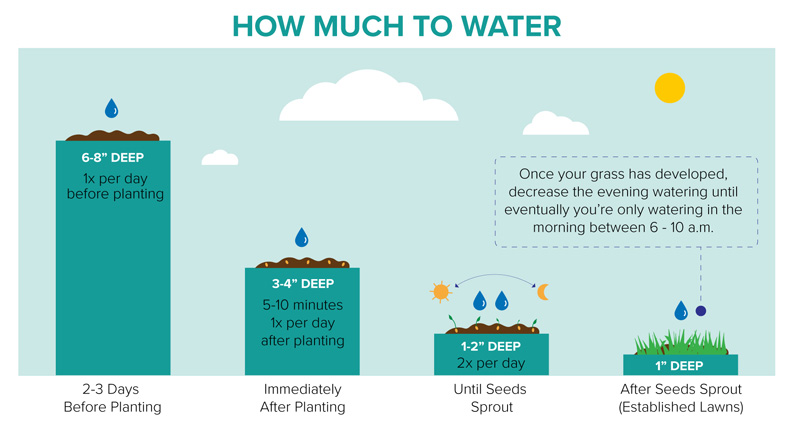
Image Source: www.melnor.com
Watering Newly Seeded Lawn: The Delicate Beginning
When you’re watering newly seeded lawn, the goal is to create a consistent moisture environment without washing away the precious seeds. This means a gentle touch and frequent attention.
Initial Watering: A Gentle Soak
Right after sowing the seed, you want to give the area a good, thorough watering. This helps settle the seeds into the soil, ensuring good seed-to-soil contact. Use a sprinkler with a fine mist setting. Avoid heavy streams that can dislodge the seeds.
- Depth: Aim to moisten the top 2-3 inches of soil.
- Method: Gentle misting is key.
The Critical Germination Phase: Keeping it Moist
The most crucial period for newly seeded lawns is the germination phase, which can last from 1 to 3 weeks, depending on the grass type. During this time, the frequency of watering new grass is paramount.
Daily Watering Needs
- Morning Watering: Water early in the morning. This allows the soil to absorb moisture before the heat of the day causes rapid evaporation. It also helps prevent fungal diseases that thrive in prolonged dampness overnight.
- Afternoon Check: Depending on the weather, a second light watering might be necessary in the afternoon, especially if the soil surface appears dry. This is particularly true in hot or windy conditions.
- Evening Caution: Avoid watering late in the evening. This can leave the grass blades and soil too wet overnight, creating a breeding ground for fungal issues.
How to Gauge Moisture
The key is to keep the top inch of soil consistently moist, but not waterlogged.
- Visual Cues: Look for the soil surface to darken with moisture.
- Touch Test: Stick your finger into the soil. If it feels dry an inch down, it’s time to water.
What to Expect During Germination
You’ll start to see tiny sprouts emerging from the soil. This is a sign that your watering is working. Continue the consistent watering schedule until the grass is about an inch tall.
New Sod Watering Schedule: Building a Strong Foundation
Watering new sod requires a different approach than watering seed. The goal here is to encourage the roots of the sod to grow down into the underlying soil.
The First 24-48 Hours: Deep and Consistent
When your new sod is laid, it’s essentially a living organism that needs immediate attention.
- Immediate Watering: Water the sod thoroughly immediately after it’s laid. You want to ensure the sod and the soil beneath it are well-moistened.
- Daily Watering: For the first 1-2 days, water the sod multiple times a day. The goal is to keep the sod itself and the soil underneath constantly moist. This helps prevent the sod from drying out and shrinking, which can lead to gaps and dead patches.
- Depth: Aim for moisture penetration of 4-6 inches into the soil beneath the sod.
The Next Few Weeks: Gradual Transition
As the sod begins to establish its roots, you can slowly adjust your watering frequency.
Weekly Watering Goals
- Week 1: Continue multiple light waterings per day, ensuring the sod and the top few inches of soil remain moist.
- Week 2-3: Reduce the frequency to once or twice a day, but water more deeply each time. The aim is to encourage the roots to seek moisture deeper in the soil. Check the moisture level by lifting a corner of the sod. If the soil beneath is dry, increase watering.
- Week 4 Onwards: Once the sod is firmly rooted (you’ll know it’s rooted when it doesn’t lift easily), you can begin to transition to a more typical lawn watering schedule. This usually means watering deeply and less frequently, perhaps 2-3 times per week, depending on weather conditions.
Signs of Proper Watering for New Sod
- No Dry Edges: The edges of the sod should not appear dry or curled.
- Moist Soil: The soil beneath the sod should be consistently damp.
- Firm Rooting: The sod should be firmly attached to the soil and not lift easily when tugged.
Establishing a New Lawn Water Needs: Beyond the Initial Stage
Once your grass, whether from seed or sod, has established a root system, its watering needs will change. However, “established” doesn’t mean it can withstand neglect.
Transitioning to a Mature Lawn Schedule
- Deep and Infrequent: The best practice for a mature lawn is to water deeply and less often. This encourages deep root growth, making the lawn more drought-tolerant and resilient.
- Frequency: Typically, this means watering 1-3 times per week, depending on your climate, soil type, and grass species.
- Depth: Aim for 6-8 inches of soil moisture.
Seasonal Adjustments
Your lawn’s water needs will fluctuate throughout the year.
- Summer: During hot, dry periods, you may need to increase watering frequency or duration. However, always be mindful of the risks of overwatering new lawn.
- Spring and Fall: Cooler temperatures and rainfall may mean you can reduce watering.
- Winter: Most established lawns in cooler climates will go dormant and require little to no watering.
Common Watering Mistakes: Avoiding Pitfalls
Even with the best intentions, it’s easy to fall into common watering traps that can harm your new lawn.
Overwatering New Lawn: The Dangers
While you need to keep new grass moist, overwatering new lawn is a serious issue.
- Fungal Diseases: Consistently soggy soil creates an ideal environment for root rot and other fungal diseases.
- Shallow Root Systems: If the soil is always saturated, the roots won’t be encouraged to grow deeper, making the lawn more susceptible to drought.
- Nutrient Leaching: Excessive watering can wash away essential nutrients from the soil.
- Weak Grass: Overwatered grass can become weak and prone to stress.
Signs of Overwatering:
- Yellowing grass (can be confused with underwatering, but often accompanied by mushy soil).
- Mushy or spongy soil.
- Fungal growth (e.g., mushrooms).
Underwatering New Lawn: The Consequences
Conversely, underwatering new lawn is equally detrimental.
- Drying Out: The delicate seedlings or sod roots will quickly dry out and die.
- Poor Germination: Seeds won’t have the moisture needed to germinate.
- Weak Establishment: Young grass will struggle to develop a strong root system.
- Uneven Growth: Patches of grass may die, leading to an inconsistent lawn.
Signs of Underwatering:
- Wilting or curling grass blades.
- Dull, grayish-green color.
- Dry, crumbly soil.
Best Time to Water New Lawn: Timing is Everything
The time of day you water can significantly impact the health of your new lawn and your water bill.
Morning is King
As mentioned earlier, watering in the early morning is generally the best time.
- Reduced Evaporation: The cooler temperatures and lower wind speeds mean less water is lost to evaporation.
- Disease Prevention: Allows grass blades to dry off during the day, reducing the risk of fungal diseases.
- Root Absorption: Grass can absorb moisture effectively before the heat of the day sets in.
Midday Watering Risks
Watering in the middle of the day, especially during hot weather, is generally discouraged.
- High Evaporation: A significant portion of the water will evaporate before it can reach the soil and roots.
- Leaf Scorch (Myth Debunked): While a common belief, watering in full sun does not typically “scorch” the grass blades. The water droplets act like tiny magnifying glasses, but the heat required to actually burn the grass through water droplets is incredibly high and rarely achieved. However, it’s still inefficient.
Evening Watering Concerns
Watering in the late afternoon or evening is also not ideal for new lawns.
- Fungal Growth: Grass blades and the soil surface remain wet for extended periods overnight, creating a prime environment for fungal infections.
Watering New Sod Establishment: Specific Tips
Watering new sod establishment is a focused effort to ensure a seamless transition from the nursery to your yard.
Checking the Roots
Periodically, gently lift a corner of the sod to check for root growth. You should see white, healthy roots extending into the soil.
Dealing with Heatwaves
If a heatwave hits while your sod is still young, you may need to water more frequently, even during the day, to prevent it from drying out. However, try to do this in the early morning and late afternoon to minimize stress.
Foot Traffic Caution
Minimize foot traffic on new sod as much as possible. This can compact the soil and damage the delicate roots.
Watering New Grass Seed: Nurturing Tiny Shoots
Watering new grass seed is all about providing consistent moisture for germination and early growth.
The “Seed Blanket” Method
For very fine seeds, or on slopes, you might consider using a seed blanket or straw mulch. This helps retain moisture and prevents the seeds from washing away. Water gently over the mulch.
Sprinkler Choice Matters
- Oscillating Sprinklers: These provide a gentle, even spray that is good for newly seeded areas.
- Impact Sprinklers: Avoid sprinklers that spray water with high pressure, as they can easily dislodge seeds.
What to Do if it Rains
If you get a good natural rain, it can count towards your watering needs. However, always check the soil moisture afterward to ensure it’s adequately hydrated.
Frequency of Watering New Grass: A Summary Table
To simplify, here’s a general guide for the frequency of watering new grass:
| Stage | New Sod Watering Schedule | Watering Newly Seeded Lawn |
|---|---|---|
| Immediately After Laying/Seeding | Water thoroughly. | Water thoroughly to moisten soil. |
| First 1-7 Days | Water 2-3 times daily, keeping sod and top soil moist. | Water lightly 1-2 times daily, keeping top 1 inch moist. |
| Week 2-3 | Water 1-2 times daily, watering deeper. | Water lightly daily, maintaining moisture. |
| Week 4 Onwards | Transition to deep, less frequent watering (2-3x/week). | Transition to deep, less frequent watering (2-3x/week). |
| Established Lawn | Water deeply (6-8 inches) 1-3 times per week. | Water deeply (6-8 inches) 1-3 times per week. |
Note: These are general guidelines. Always adjust based on weather, soil type, and grass species.
Factors Influencing Watering Frequency
Several factors will influence how often you need to water your new lawn.
Climate and Weather
- Temperature: Hotter temperatures mean more frequent watering due to increased evaporation.
- Wind: Windy conditions also increase evaporation rates.
- Rainfall: Natural rainfall can supplement your watering. Always check soil moisture after rain.
Soil Type
- Sandy Soil: Drains quickly, requiring more frequent watering.
- Clay Soil: Retains moisture longer, so you may need to water less often, but be careful not to overwater and create a waterlogged environment.
- Loamy Soil: Offers a good balance of drainage and moisture retention.
Grass Type
Different grass species have varying water requirements. Cool-season grasses (like fescue and ryegrass) generally need more consistent moisture than warm-season grasses (like Bermuda and Zoysia) during their active growing periods.
Tools for Efficient Watering
Using the right tools can make a big difference in the efficiency and effectiveness of your watering.
Sprinklers
- Adjustable Sprinklers: Allow you to control the spray pattern and distance.
- Soaker Hoses/Drip Irrigation: Can be highly efficient for targeted watering, though less common for large lawn areas.
Rain Gauges
A simple rain gauge helps you track how much natural water your lawn is receiving, so you don’t overwater.
Soil Moisture Meters
These devices can give you a more precise reading of soil moisture levels, helping you avoid both overwatering and underwatering.
Watering New Sod Establishment: Final Thoughts
The success of your new sod relies heavily on proper watering. Think of it as nurturing a baby – it needs consistent care and attention, especially in the initial stages. By providing the right amount of water at the right times, you’ll encourage strong root development, leading to a healthy, vibrant lawn for years to come.
FAQ Section
Q1: How long does it take for new sod to establish roots?
It typically takes 2-4 weeks for new sod to establish a good root system. You can test this by gently tugging on a corner of the sod; if it resists and stays in place, the roots are growing.
Q2: Can I walk on my new lawn?
It’s best to minimize foot traffic on new sod or newly seeded areas for the first 2-3 weeks. This prevents soil compaction and damage to delicate roots or seedlings.
Q3: What if I see brown patches on my new sod?
Brown patches can be a sign of underwatering, overwatering (leading to fungal disease), or the sod not making good contact with the soil. Check the soil moisture beneath the brown patch and adjust your watering accordingly.
Q4: How do I know if I’m watering too much or too little for new grass seed?
If the soil surface is consistently saturated and looks like a muddy mess, you’re likely overwatering. If the soil surface is dry and cracked, or the tiny grass blades are wilting, you’re underwatering. The goal is a consistently moist, but not soggy, top inch of soil.
Q5: When can I start mowing my new lawn?
For both sod and seeded lawns, wait until the grass reaches about one-third taller than its desired final height. For seeded lawns, this might be around 3-4 inches tall. For sod, it depends on the grass type but generally once it’s well-established and growing strongly. Always use a sharp mower blade and only remove about one-third of the grass blade height with each mowing.
By following these detailed guidelines, you’ll be well on your way to cultivating a beautiful, healthy new lawn. Happy watering!