
How often should I overseed my lawn? For most established lawns, overseeding once a year is generally sufficient. However, the ideal overseeding frequency depends on your lawn’s current condition, the type of grass, and your desired results. Some lawns might benefit from overseeding every six months, while others may only need it every two to three years.
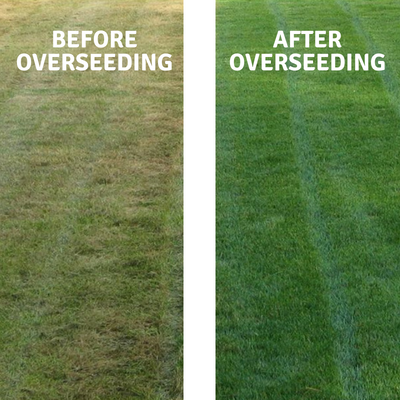
Image Source: www.turfunlimited.com
When to Overseed for Optimal Results
Knowing when to overseed is as crucial as understanding how often to overseed. The best time to overseed a lawn generally occurs when grass is actively growing, allowing new seedlings to establish themselves before facing harsh conditions. This typically means targeting the cooler, wetter seasons.
Seasonal Overseeding: Spring vs. Fall
Seasonal overseeding plays a vital role in maintaining a lush, healthy lawn. Both spring and fall offer advantages for overseeding, but one season often proves superior.
Fall: The Premier Overseeding Season
For many grass types, particularly cool-season grasses like fescue, ryegrass, and bluegrass, fall is the undisputed champion for overseeding. Here’s why:
- Ideal Soil Temperatures: As summer heat subsides, soil temperatures begin to cool, creating a welcoming environment for germination. This optimal temperature range encourages rapid root development before winter sets in.
- Reduced Weed Competition: Many common summer annual weeds have already completed their life cycle by fall, meaning your new grass seedlings face less competition for sunlight, water, and nutrients.
- Moisture Availability: Fall often brings increased rainfall, providing the consistent moisture that new grass seeds need to sprout and thrive.
- Less Stress on Young Grass: Young grass in the fall doesn’t have to contend with the intense heat and potential drought of summer, which can be devastating to new seedlings.
- Early Spring Growth: Grasses overseeded in the fall have an entire winter to establish a robust root system, giving them a significant head start on growth in the spring.
Spring: A Viable Alternative, With Caveats
While fall is generally preferred, spring can also be a good time to overseed, especially if you missed the fall window or if your lawn suffered significant winter damage. However, there are important considerations:
- Increased Weed Pressure: Spring is a prime time for weed germination. Your new grass seedlings will face competition from emerging weeds, potentially requiring more diligent weed control.
- Summer Heat Stress: Seedlings established in spring will face the immediate challenge of summer’s heat and potential dry spells. This can significantly reduce germination rates and the survival of young grass.
- Pre-Emergent Herbicide Conflict: If you plan to use pre-emergent herbicides to control crabgrass and other annual weeds in the spring, you must be careful. These herbicides can prevent your new grass seed from germinating. Always read product labels and follow application guidelines carefully.
Determining Your Overseeding Frequency: Factors to Consider
Your overseeding frequency isn’t a one-size-fits-all answer. Several factors influence how often you should overseed your lawn to maintain its health and appearance.
Assessing Lawn Thinning and Vigor
The most direct indicator of whether your lawn needs overseeding is its density.
- Visible Gaps: If you can easily see large patches of bare soil or significant thinning throughout your lawn, it’s a strong sign that overseeding is needed.
- Reduced Vigor: Even if the lawn isn’t completely bare, a general decline in grass health, slower growth, and reduced resilience to stress (like foot traffic or drought) can signal that the grass population is weakening and needs rejuvenation.
Grass Type: Cool-Season vs. Warm-Season Grasses
The type of grass you have significantly impacts your overseeding schedule.
- Cool-Season Grasses: These grasses, like Kentucky bluegrass, perennial ryegrass, and fescues, thrive in cooler temperatures and are typically overseeded in the fall. They are more prone to thinning during hot summers.
- Warm-Season Grasses: These grasses, such as bermudagrass, zoysia grass, and centipede grass, are active during the heat of summer and go dormant in the fall and winter. Overseeding for warm-season grasses is best done in late spring or early summer when soil temperatures are consistently warm.
Lawn Age and Establishment
- New Lawns: Newly seeded lawns may benefit from overseeding in their first year or two to fill in any thin spots that develop during establishment.
- Established Lawns: Once a lawn is well-established (typically after 2-3 years), the overseeding frequency can be adjusted based on its general health and density.
Environmental Factors and Stressors
- Drought: Extended periods of drought can weaken and kill grass, creating bare spots that require overseeding.
- Pests and Diseases: Lawn insects and diseases can decimate grass stands, necessitating overseeding to restore density.
- Heavy Foot Traffic: High-traffic areas, such as play areas or pathways, can become compacted and worn, leading to thinning. Overseeding these areas can help them recover.
- Winter Damage: Harsh winters, including ice storms or extreme cold, can damage or kill grass, making fall or spring overseeding essential.
Your Aesthetic Goals
- Lush, Dense Appearance: If your goal is a perfectly uniform, dense lawn, you might overseed more frequently, perhaps annually, to maintain that high standard.
- General Health and Resilience: If you’re content with a healthy, functional lawn that isn’t necessarily carpet-like, you might overseed less often, only when thinning becomes noticeable.
The Process: How to Overseed Your Lawn Effectively
Understanding how to overseed is key to reaping its benefits. A proper overseeding technique ensures that the new seeds have the best chance to germinate and establish.
Step 1: Prepare Your Lawn
Good preparation is fundamental to successful overseeding.
Mowing Low
- Mow your existing lawn at a lower setting than usual. This helps expose the soil surface, allowing new seeds to reach the ground and receive sunlight. Aim to cut off about one-third of the grass blade’s height.
Dethatching (If Necessary)
- What is Thatch? Thatch is a layer of dead and living organic material (stems, roots, and crowns) that builds up between the green grass blades and the soil surface.
- A thick thatch layer (more than ½ inch) can prevent grass seed from reaching the soil and hinder moisture and air penetration.
- If you have significant thatch, use a dethatcher or power rake to remove it before overseeding. This can be done mechanically.
Aeration
- Core aeration is highly recommended before overseeding. It involves pulling small plugs of soil out of the lawn.
- Aeration Benefits: Aeration reduces soil compaction, improves water and nutrient penetration, and creates small holes in the soil surface that are ideal for grass seed to lodge in and germinate.
- After aerating, leave the soil cores on the lawn to break down naturally.
Step 2: Select the Right Seed
Choosing the correct grass seed is paramount.
- Match Your Existing Grass: Ideally, use a grass seed blend that matches or is compatible with your current lawn type for a uniform look.
- Consider Your Climate and Conditions: Select varieties that are suited to your region’s climate, sunlight exposure, and soil type.
- Quality Seed: Opt for high-quality seed from reputable suppliers. Look for seed that is free of weed seeds and inert matter.
- “Coated” Seeds: Some seeds come coated with a fertilizer or moisture-retaining agent. These can be beneficial.
Step 3: Sow the Seed
The method of sowing impacts germination.
Spreading the Seed
- Seed Spreader: A broadcast or drop spreader is the most efficient way to distribute seed evenly.
- Even Distribution: Apply seed at the manufacturer’s recommended rate. It’s often best to spread half the seed in one direction and the other half perpendicular to the first pass to ensure full coverage. Avoid overlapping too much, which can lead to clumping and uneven growth.
Step 4: Rake and Lightly Cover the Seed
Ensuring seed-to-soil contact is vital.
- Raking: After spreading the seed, use a rake to lightly scratch the surface of the soil and work the seed into the aeration holes or any exposed soil. This is crucial for good germination.
- Light Coverage: You don’t need to bury the seed deeply. A light covering of soil or compost (about ¼ inch) can help retain moisture and protect the seeds from birds.
Step 5: Watering and Maintenance
Proper watering is critical for new seedlings.
Consistent Moisture
- Light, Frequent Watering: Keep the seeded areas consistently moist but not waterlogged. This often means watering lightly once or twice a day, especially during dry periods.
- Avoid Heavy Watering: Deep, infrequent watering can wash away the small seeds.
Avoiding Traffic
- Minimize Foot Traffic: Keep people and pets off the newly seeded areas until the grass is well-established (typically 3-4 mowings).
Mowing Newly Seeded Grass
- First Mowing: Wait until the new grass reaches about 3 inches in height before mowing it for the first time.
- Raise Mower Height: Use a sharp mower blade and set your mower to a higher setting than usual for the first few mowings. This encourages the grass to grow thicker and develop a stronger root system.
- Don’t Remove Too Much: Never remove more than one-third of the grass blade’s height in a single mowing.
Overseeding Frequency: Developing Your Overseeding Schedule
Creating a personalized overseeding schedule depends on your lawn’s unique needs and your goals.
Annual Overseeding
- Who Benefits: Homeowners seeking a consistently thick, weed-free lawn. Lawns that experience significant wear and tear, have thin patches annually, or are primarily composed of cool-season grasses susceptible to summer stress.
- When: Typically in the fall for cool-season grasses, and late spring/early summer for warm-season grasses.
Biennial Overseeding (Every Two Years)
- Who Benefits: Lawns that are generally healthy but show moderate thinning over time. Homeowners who maintain good general lawn care practices but may not need annual intervention.
- When: Fall is still the preferred time for cool-season grasses.
Occasional Overseeding (As Needed)
- Who Benefits: Lawns that are in excellent condition and only show minor thinning in specific areas due to localized stress or damage. Homeowners who are more focused on overall lawn health rather than a perfect aesthetic.
- When: Implement overseeding when noticeable thinning occurs, typically targeting the fall season.
Can I Overseed My Lawn Too Often?
Yes, you can overseed a lawn too often. While overseeding offers numerous benefits, overdoing it can lead to unintended negative consequences.
Potential Downsides of Excessive Overseeding
- Increased Weed Competition: If you overseed too frequently, especially with inadequate preparation, you might be introducing weed seeds along with your grass seed. Overly dense lawns can also become more susceptible to certain diseases.
- Poor Seed-to-Soil Contact: If your soil is already dense or compacted, and you repeatedly sow seed without proper aeration or preparation, the seeds may not establish well.
- Nutrient Depletion: While overseeding is often done with starter fertilizer, excessively reseeding without proper soil management can lead to nutrient imbalances.
- Financial and Time Investment: Overseeding requires time, effort, and the cost of seed and equipment. Overdoing it can be an unnecessary expense and drain on your resources.
- Compromised Existing Grass: Over-seeding without proper dethatching or aeration can lead to a dense mat of grass, potentially choking out the older, established grass and reducing the overall vigor of the lawn.
Key Takeaway: It’s essential to assess your lawn’s condition before deciding to overseed. If your lawn is already dense and healthy, overseeding might be unnecessary and could even be detrimental.
Overseeding Benefits: Why It’s Worth the Effort
Overseeding benefits extend beyond just a thicker lawn. It’s a vital practice for long-term lawn health and resilience.
Key Benefits of Overseeding:
- Increased Density: Fills in thin or bare spots, creating a more uniform and aesthetically pleasing lawn.
- Improved Disease Resistance: A denser turf crowds out weeds and makes it harder for diseases and pests to establish.
- Enhanced Wear Tolerance: A thicker lawn can better withstand foot traffic and play.
- Greater Drought Resistance: A well-established, dense root system is more efficient at accessing moisture, making the lawn more resilient to dry spells.
- Color and Vigor Restoration: Helps revive lawns that have thinned due to stress, age, or harsh weather conditions.
- Introduction of Improved Varieties: Allows you to introduce newer, more disease-resistant, drought-tolerant, or aesthetically pleasing grass varieties into your existing lawn.
Essential Overseeding Tips for Success
Follow these overseeding tips to maximize your chances of a successful reseeding project.
Pre-Overseeding Checklist
- Test Your Soil: Before you begin, consider a soil test. It will tell you the pH and nutrient levels, allowing you to amend the soil before overseeding for optimal seed germination and growth.
- Choose the Right Seed: As mentioned earlier, select seed appropriate for your climate and existing grass type.
- Gather Equipment: Ensure you have a spreader, rake, possibly a dethatcher and aerator, and a hose or sprinkler.
During Overseeding
- Timing is Everything: Aim for the best time to overseed lawn based on your grass type (fall for cool-season, late spring/early summer for warm-season).
- Prepare the Soil: Mow low, dethatch if needed, and aerate for best seed-to-soil contact.
- Even Spreading: Use a spreader for consistent seed distribution.
- Rake In Seed: Lightly rake the seed into the soil to ensure good contact.
Post-Overseeding Care
- Consistent Watering: Keep the seedbed moist. This is the most critical step.
- Limit Traffic: Protect the new seedlings from heavy foot traffic.
- Mow High: When mowing the newly established grass, set your mower to a higher setting.
- Fertilize Appropriately: Use a starter fertilizer that contains phosphorus to encourage root development. Follow product instructions carefully.
Frequently Asked Questions About Overseeding
Q1: How soon can I walk on my newly overseeded lawn?
You should avoid walking on the newly overseeded lawn as much as possible until the grass is well-established. This typically means waiting until you’ve mowed it at least 3-4 times. Light foot traffic might be okay after about 2-3 weeks if the seedlings are firmly rooted, but it’s best to err on the side of caution.
Q2: Can I fertilize my lawn before overseeding?
It’s generally best to avoid fertilizing right before overseeding, especially with a high-nitrogen fertilizer. This can encourage the existing grass to grow too tall and shade out the new seedlings. If you do fertilize, use a starter fertilizer that is low in nitrogen and high in phosphorus after the seeds have sprouted or as directed by the seed packaging.
Q3: My overseeded lawn is still thin, what should I do?
If your overseeded lawn remains thin, several factors could be at play: poor seed quality, inadequate seed-to-soil contact, insufficient watering, or excessive weed competition. Re-evaluate your how to overseed technique and overseeding schedule. You might need to adjust your preparation steps, watering routine, or seed selection for the next attempt. Consider a soil test to identify any underlying nutrient or pH issues.
Q4: Is it okay to overseed during a drought?
It’s generally not advisable to overseed during a drought. Grass seed requires consistent moisture to germinate and establish. Attempting to overseed without adequate rainfall or irrigation will likely result in poor germination and wasted seed. It’s best to wait until more favorable moisture conditions return.
Q5: How long does it take for overseeded grass to grow?
The germination time for grass seed varies depending on the grass type, soil temperature, and moisture. Some perennial ryegrass varieties can germinate in as little as 5-7 days, while Kentucky bluegrass might take 14-21 days or longer. Full establishment, where the grass can withstand normal activity, usually takes 4-6 weeks or more.
Q6: What is the difference between overseeding and reseeding?
Overseeding involves sowing new grass seed over an existing lawn without tearing up the entire turf. Reseeding, also known as renovation or complete overhaul, involves removing the old lawn (often by tilling or sod removal) and planting new seed or sod over the entire area. Overseeding is a less disruptive way to improve an existing lawn.
Q7: Should I use a starter fertilizer when overseeding?
Yes, using a starter fertilizer is highly recommended when overseeding. These fertilizers are formulated with a higher percentage of phosphorus, which is crucial for promoting strong root development in new grass seedlings. Apply it according to the product’s instructions, often immediately after sowing the seed or lightly raking it in.
Q8: What are the signs that I should overseed?
Signs that indicate your lawn needs overseeding include:
* Visible thinning of the grass stand.
* Large patches of bare soil.
* Increased weed presence as the grass thins.
* A general decline in the lawn’s color and vigor.
* The lawn struggling to recover from stress (heat, drought, traffic).
Q9: How much seed do I need for my lawn?
The amount of seed needed depends on the coverage area of your lawn and the recommended seeding rate for the specific grass type you are using. Always check the seed bag for the manufacturer’s recommended coverage rate. For a typical overseeding project, aim for about 2-5 pounds of seed per 1,000 square feet, depending on the grass species.
Q10: Can I overseed a lawn with a sprinkler system?
Yes, a sprinkler system can be very beneficial for overseeding, as it helps maintain the consistent moisture required for seed germination. Ensure your sprinkler system covers the entire seeded area evenly. You may need to adjust the watering schedule and duration to keep the seedbed moist without causing runoff.