
How often should you change lawn mower blades? Generally, you should change your lawn mower blades every 25-50 hours of use, or at least once a year, but the exact frequency depends on several factors.
Keeping your lawn mower blades sharp and in good condition is a cornerstone of effective lawn mower maintenance schedule. It’s not just about getting a clean cut; it’s about the overall health of your lawn. Many homeowners wonder about the frequency of blade sharpening and when it’s time for a complete replacement. This in-depth guide will explore these crucial aspects of lawn care.
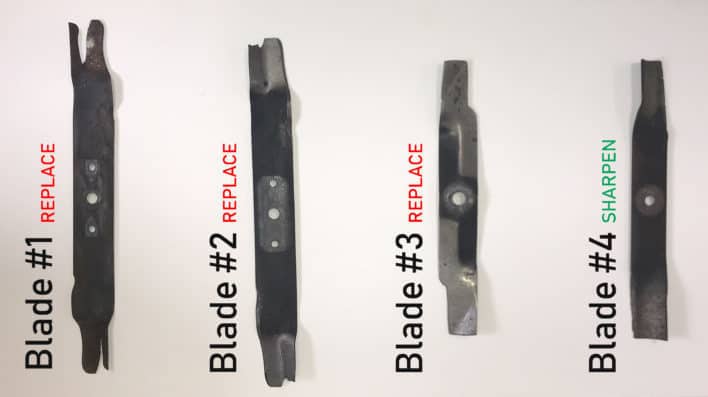
Image Source: minnesotaequipment.com
The Crucial Role of Sharp Mower Blades
The blades on your lawn mower are its most vital cutting tools. When they are sharp and properly balanced, they slice through grass blades cleanly. This clean cut allows the grass to heal quickly, reducing stress and the risk of disease. On the other hand, dull blades tear and rip the grass, leaving jagged edges.
Impact of Dull Mower Blades on Your Lawn
The impact of dull mower blades can be significant and detrimental to your lawn’s appearance and health. Instead of a neat, even cut, you’ll see:
- Ragged, torn grass tips: This gives your lawn a brown, unhealthy appearance, often mistaken for drought or disease.
- Increased susceptibility to disease: The torn grass blades provide entry points for fungal infections and other diseases.
- Stunted growth: The stress caused by being ripped instead of cut can slow down grass growth.
- Weed invasion: Weakened grass makes it easier for weeds to establish themselves.
- Uneven cutting: You might notice mower scalps or patches where the grass is left too long.
How to Tell If Mower Blades Are Dull
Identifying dull blades is key to preventing these problems. Here are some signs to look for:
- Brown or yellow tips on your grass: As mentioned, this is a primary indicator. After mowing, inspect the tips of the grass blades. If they look shredded and discolored, your blades are likely dull.
- Tearing instead of cutting: Listen to your mower. A healthy mower with sharp blades will produce a clean “snip” sound as it cuts the grass. A dull blade will sound more like a tearing or ripping noise.
- Visible nicks and chips on the blade edge: Examine your blades closely. If you see any rounded edges, nicks, or significant chips, they have lost their sharpness.
- Uneven cut: If your lawn looks patchy or uneven after mowing, even if you’re moving at a consistent speed, dull blades are a probable cause.
- Excessive vibration: While this can also be a sign of an unbalanced blade, dull blades that are also slightly bent or damaged can cause increased vibration.
When to Replace Mower Blades vs. Sharpening
Deciding between sharpening lawn mower blades and replacing them depends on the extent of wear and damage.
Sharpening Lawn Mower Blades
Sharpening is a process of grinding away metal to restore the blade’s original cutting edge. It’s a good option for blades that are showing signs of dullness but are not significantly damaged.
Frequency of Blade Sharpening:
The frequency of blade sharpening varies based on usage and the type of grass and terrain you’re mowing.
- Residential Lawns: For most homeowners with average-sized lawns, sharpening once or twice a year is usually sufficient.
- Frequent Mowing: If you mow very frequently (e.g., multiple times a week) or have a large property, you might need to sharpen more often.
- Tough Conditions: Mowing through sandy soil, rocky areas, or thick, tough grass will wear down blades faster, requiring more frequent sharpening.
Replacing Mower Blades
Replacement is necessary when the blades are too worn down, chipped, bent, or cracked. Blades have a finite lawn mower blade lifespan.
When to Replace Mower Blades:
- Significant Wear: If sharpening repeatedly leaves the blade edge too thin or the blade is significantly narrowed from previous sharpening sessions, it’s time for a replacement.
- Damage: Any nicks, chips, bends, or cracks in the blade are critical indicators that replacement is needed. A damaged blade can be dangerous, as it could break and become a projectile.
- Loss of Material: Blades lose material with each sharpening. If the blade is noticeably shorter than it used to be or the lift fins (the upward-curved parts at the ends) are worn away, they won’t perform optimally.
Factors Influencing Mower Blade Wear
Several factors contribute to mower blade wear, affecting how often you need to address them.
Usage Hours
The most direct factor is how much you use your mower. Blades are designed to withstand a certain amount of cutting, but prolonged use will inevitably lead to dullness and wear. As a general rule, most blades need attention every 25-50 hours of operation.
Grass Type and Condition
- Tough Grasses: Varieties like Zoysia or Bermuda grass, especially when thick and dense, can be harder on blades than softer grasses like Fescue or Ryegrass.
- Moisture Levels: Mowing wet grass can be more taxing on the blades and the mower. It can also lead to grass clippings clumping and sticking to the blades, which can affect cutting performance.
- Growth Rate: Mowing frequently during peak growth periods means blades are working harder and more often.
Terrain and Obstacles
- Rocky or Sandy Soil: Soil containing sand or small pebbles acts like sandpaper on mower blades, accelerating wear and dulling them much faster.
- Hidden Obstacles: Running over rocks, roots, sticks, or other debris can cause immediate damage, like nicks and bends, requiring immediate inspection and potential replacement.
Mower Type
- Rotary Mowers: These are the most common types, using spinning blades. Their blades are subject to wear from cutting and impact.
- Reel Mowers: These have a cylinder of rotating blades that scissor-cut the grass against a stationary bedknife. They require different maintenance, focusing on the alignment and sharpness of the cylinder and bedknife.
Optimizing Your Lawn Mower Blade Condition
Maintaining the optimal lawn mower blade condition ensures efficiency and longevity for both your mower and your lawn.
Regular Inspection
Make it a habit to inspect your mower blades regularly, ideally after each mowing session or at least monthly during the mowing season. Look for the signs of dullness and damage mentioned earlier.
Proper Sharpening Techniques
- Use the Right Tools: A metal file, grinding wheel, or specialized blade sharpening jig can be used. For best results, a bench grinder or a power file is recommended.
- Maintain the Original Angle: Most mower blades have a specific cutting angle (often around 30-45 degrees). It’s crucial to maintain this angle when sharpening to ensure the blade cuts effectively.
- Balance the Blade: After sharpening, the blade must be balanced. If one side is heavier than the other, it will cause vibration, leading to wear on the mower deck and spindle. A simple blade balancer can be used to check and adjust this.
Cleaning Blades After Use
- Remove Debris: After each mowing session, use a stiff brush or scraper to remove grass clippings, mud, and other debris from the blades and the underside of the mower deck.
- Prevent Rust: Dry the blades thoroughly. For long-term storage, a light coating of oil can prevent rust.
Lawn Mower Maintenance Schedule: Integrating Blade Care
A comprehensive lawn mower maintenance schedule should include regular blade care.
| Task | Frequency | Notes |
|---|---|---|
| Visual Blade Inspection | After each use, or at least monthly | Check for dullness, nicks, bends, and cracks. |
| Blade Cleaning | After each use | Remove grass clippings, dirt, and debris. |
| Blade Sharpening | Every 25-50 hours of use, or annually | More often if mowing tough conditions or noticing a poor cut. |
| Blade Balancing | After every sharpening | Crucial to prevent vibration and damage. |
| Blade Replacement | When damaged, excessively worn, or sharpened too many times | Aim for the best time to change mower blades before the height of the mowing season starts. |
| Oil Change | As per manufacturer’s recommendation | Typically every 50-100 hours or annually. |
| Air Filter Check | Monthly or as needed | Clean or replace as necessary. |
| Spark Plug Check | Annually or every 100 hours | Clean, gap, or replace. |
| General Mower Cleaning | Monthly or as needed | Keep the mower clean for better performance and longevity. |
The Best Time to Change Mower Blades
The best time to change mower blades is typically before the main mowing season begins in spring. This ensures your mower is in top condition when it’s needed most. However, if your blades become significantly dull or damaged during the season, don’t wait. Address the issue promptly to maintain lawn health.
How to Change Lawn Mower Blades Safely
Changing mower blades requires caution. Always follow these safety steps:
- Disconnect the Spark Plug: This is the most critical safety step to prevent the engine from accidentally starting.
- Tip the Mower: Tip the mower backward onto its rear wheels. Ensure the carburetor and air filter are facing upwards to prevent oil or fuel from leaking into them.
- Secure the Blade: Use a block of wood to prevent the blade from spinning while you loosen the bolt.
- Loosen the Bolt: Use a socket wrench to loosen the bolt holding the blade. Remember that the bolt might be reverse-threaded (tightened counter-clockwise, loosened clockwise).
- Remove the Old Blade: Carefully remove the old blade, noting its orientation.
- Install the New Blade: Mount the new blade in the correct orientation. The lift fins should point upwards, towards the mower deck.
- Tighten the Bolt: Tighten the bolt securely. Some manufacturers recommend using a torque wrench to achieve the correct torque specification.
- Re-engage Spark Plug: Once the new blade is installed, you can re-engage the spark plug.
Choosing the Right Replacement Blades
When purchasing new blades, ensure they are compatible with your specific mower model. Look for blades made from high-quality steel for durability and consistent sharpness. Consider mulching blades if you frequently mulch grass clippings, or high-lift blades if you need to bag clippings effectively, especially in damp conditions.
The Lifespan of Lawn Mower Blades
The lawn mower blade lifespan is not fixed and can range from a few hundred hours of use to over a thousand, depending on the quality of the blade, how it’s used, and how well it’s maintained.
- High-Quality Blades: Blades made from hardened steel or with special coatings tend to last longer and retain their sharpness better.
- Care and Maintenance: Regular sharpening and proper cleaning significantly extend a blade’s usable life.
- Avoidance of Damage: Mowing carefully and avoiding contact with hard objects prevents premature wear and damage.
It’s more about the condition of the blade than a strict hour count. If a blade can no longer be sharpened effectively, or if it’s damaged, its lifespan has ended, regardless of the total hours used.
FAQ: Frequently Asked Questions About Lawn Mower Blades
Q: How often should I sharpen my lawn mower blades?
A: For most residential users, sharpening once or twice a year is sufficient. However, if you mow frequently, have tough grass, or encounter rough terrain, you may need to sharpen more often, perhaps every 25 hours of use.
Q: What happens if I don’t sharpen my mower blades?
A: Dull mower blades will tear grass instead of cutting it cleanly. This leads to brown, ragged grass tips, making your lawn look unhealthy and susceptible to diseases and weeds. It also makes your mower work harder, potentially reducing its efficiency and lifespan.
Q: Can I sharpen my mower blades myself?
A: Yes, you can sharpen your mower blades yourself using a file, bench grinder, or a blade sharpening kit. It’s important to maintain the original cutting angle and to balance the blade after sharpening to prevent vibration.
Q: How do I know if my mower blades need replacing, not just sharpening?
A: If your blades have significant nicks, chips, bends, or cracks, they should be replaced. Also, if blades have been sharpened so many times that they are noticeably thinner or shorter than when new, it’s time for a replacement.
Q: What’s the best way to store mower blades?
A: After cleaning and drying, store mower blades in a dry place. For long-term storage, a light coating of oil can help prevent rust. Ensure they are stored safely where they cannot cause injury.
Q: Does mowing wet grass dull blades faster?
A: While not directly causing faster dulling, mowing wet grass can lead to grass clumping on the blades and deck, which can impede airflow and cutting performance. It can also be harder on the mower’s engine.
By paying attention to the condition of your lawn mower blades and incorporating regular care into your lawn mower maintenance schedule, you can ensure a healthier, more attractive lawn and a more efficient, longer-lasting mower.