
The simple answer to how often you should reseed your lawn is: It depends on the lawn’s condition, the grass type, and your goals. A healthy lawn might only need reseeding every 1-3 years, while a struggling lawn with bare spots might need it annually, or even more frequently in localized areas. For most homeowners, reseeding is a key component of a good lawn care plan.
Maintaining a lush, green, and healthy lawn is a goal for many homeowners. Your lawn is often the first impression guests have of your property, and a vibrant carpet of grass adds significant curb appeal and enjoyment. One of the most effective ways to keep your lawn looking its best is through regular reseeding, also known as overseeding. But how often should you actually do it? This comprehensive guide will break down the factors involved, helping you create a solid lawn care calendar and achieve the lawn of your dreams.
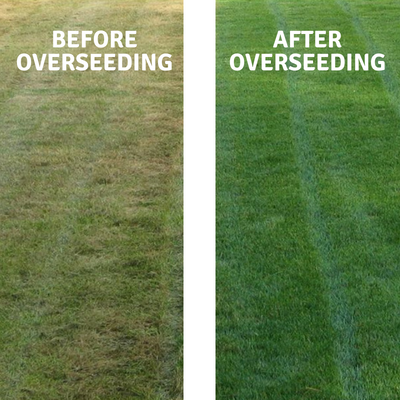
Image Source: www.turfunlimited.com
Why Reseed Your Lawn? The Many Overseeding Benefits
Before we dive into frequency, let’s first explore why reseeding is so beneficial. It’s more than just planting new seeds; it’s about actively improving your lawn’s overall health and appearance.
- Improving Lawn Density: Over time, lawns can become thin due to wear and tear, disease, or unfavorable weather conditions. Reseeding with new grass seed fills in these thin areas, creating a denser turf. This increased density is crucial for improving lawn density by making it harder for weeds to establish themselves. A thicker lawn crowds out weeds, reducing the need for herbicides.
- Introducing Improved Grass Varieties: You might have an older lawn that was established with a less desirable grass type. Reseeding allows you to introduce newer, more resilient, disease-resistant, or drought-tolerant varieties that are better suited to your climate and soil conditions.
- Repairing Damage: From pet urine spots to grub damage or heavy foot traffic, lawns can develop bare patches. Reseeding is the most direct way to repair these areas and restore a uniform appearance. Knowing when to reseed bare spots is essential for timely repairs.
- Enhancing Color and Texture: Mixing different grass species or simply adding fresh seed can lead to a more attractive and varied lawn color and texture.
- Strengthening the Root System: As grass grows and matures, its roots can become shallow. Overseeding introduces new grass with potentially deeper root systems, which can improve drought tolerance and overall plant health.
- Disease and Pest Resistance: Newer grass varieties often have improved resistance to common lawn diseases and pests. Regularly overseeding with these improved types can help your lawn withstand challenges.
- Restoring Dormant Grass: In some cases, overseeding can help thicken up areas of grass that have gone dormant due to stress, rather than dying off completely.
Fathoming Lawn Overseeding Frequency: Key Determining Factors
The question of lawn overseeding frequency isn’t a one-size-fits-all answer. Several factors influence how often your lawn will benefit from a boost of new seed.
1. Your Lawn’s Current Condition
This is perhaps the most significant factor.
- Healthy, Dense Lawns: If your lawn is already thick, free of significant weeds, and uniformly green, you might only need to reseed every 2-3 years to maintain its vigor and introduce newer grass varieties.
- Moderately Thinning Lawns: If you notice your lawn is starting to thin out, especially in high-traffic areas, overseeding annually or every other year is a good proactive measure. This helps maintain density and prevent weed invasion.
- Struggling Lawns with Bare Spots: Lawns with noticeable bare patches, significant weed problems, or a generally sparse appearance will benefit most from more frequent reseeding. In severe cases, you might need to reseed annually for 2-3 years to rebuild the turf stand. When to reseed bare spots becomes a more frequent concern here.
2. Grass Type and Climate
Different grass types have different life cycles and tolerances.
- Cool-Season Grasses (e.g., Kentucky Bluegrass, Perennial Ryegrass, Fine Fescues): These grasses thrive in cooler temperatures and can become stressed and thin during hot, dry summers. Overseeding in the fall is particularly beneficial for these types, as it allows them to establish before winter and be ready for spring growth. Some homeowners also overseed in early spring.
- Warm-Season Grasses (e.g., Bermudagrass, Zoysiagrass, St. Augustinegrass): These grasses go dormant in cooler months and actively grow in the heat. Overseeding for warm-season grasses is best done in late spring or early summer when temperatures are consistently warm, encouraging rapid germination and establishment.
Your local climate also plays a role. Areas with extreme heat, prolonged drought, or harsh winters might require more frequent reseeding to combat turf loss.
3. Level of Lawn Traffic and Use
Lawns that experience a lot of activity will naturally wear down faster.
- High-Traffic Areas: Lawns used for playing sports, frequent entertaining, or with pets that run constantly will need more attention. These areas are prone to compaction and thinning. Consider overseeding these specific spots more often.
- Low-Traffic Areas: If your lawn is primarily for aesthetics and sees minimal foot traffic, it will likely hold up better and require less frequent reseeding.
4. Soil Health and Compaction
Compacted soil and poor soil health can significantly impact grass growth and density.
- Compacted Soil: Compacted soil restricts water, air, and nutrient penetration, weakening grass roots. Aeration is often a necessary precursor to overseeding. If your soil is heavily compacted, you might notice thinning more quickly, necessitating more frequent overseeding.
- Poor Soil Fertility: Nutrient-deficient soil won’t support robust grass growth. Regular fertilization is key, but if your soil consistently lacks essential nutrients, reseeding may not be as effective without addressing the underlying soil issue.
The Best Time to Reseed Lawn: Timing is Everything
Knowing when to reseed lawn is critical for success. The optimal time depends on your grass type and local climate.
Cool-Season Grasses
- Fall (Late August to Mid-October): This is widely considered the best time to reseed lawn for cool-season grasses. The soil is still warm from summer, encouraging germination, while the air temperatures are cooling, ideal for seedling growth. Weeds are also less competitive in the fall.
- Early Spring (March to April): While fall is preferred, early spring can also be a good time. However, you risk increased weed competition as the weather warms, and the young grass may not be fully established before the stress of summer heat arrives.
Warm-Season Grasses
- Late Spring to Early Summer (May to July): This is the prime window for overseeding warm-season grasses. The soil temperatures are warm enough for rapid germination, and the grass will have the entire growing season to establish.
Important Note on Timing: Avoid reseeding during periods of extreme heat, drought, or when frost is imminent.
Creating a Lawn Renovation Schedule
For a truly revitalized lawn, consider a lawn renovation schedule that incorporates overseeding with other essential practices. This ensures you’re addressing all the needs of your turf.
Annual Lawn Care Calendar Considerations
A lawn care calendar should integrate overseeding with other vital tasks:
- Spring:
- Early Spring: Dethatch and aerate if necessary. Apply a pre-emergent herbicide to control crabgrass and other annual weeds.
- Late Spring: Begin regular mowing and fertilization. Address any early-season pest or disease issues.
- Summer:
- Maintain mowing height: Mow higher to shade the soil and reduce stress.
- Water deeply and infrequently: Encourage deep root growth.
- Monitor for pests and diseases: Treat as needed. Avoid heavy traffic during drought periods.
- Fall:
- Early to Mid-Fall: This is the prime time for overseeding cool-season grasses.
- Aeration and Dethatching: Perform these tasks before overseeding to improve seed-to-soil contact.
- Fertilization: Apply a fall fertilizer, often one with higher potassium to prepare the grass for winter.
- Leaf Removal: Keep the lawn clear of fallen leaves.
- Late Fall/Winter:
- Final Mow: Mow slightly shorter before winter dormancy.
- Winterize: Apply a winterizer fertilizer.
Sample Lawn Renovation Schedule
| Season | Key Activities | Notes |
|---|---|---|
| Spring | Aeration, Dethatching, Pre-emergent Weed Control, First Mow, Fertilization | Focus on waking up the lawn and preventing weeds. Ensure good soil aeration for better nutrient uptake. |
| Summer | Regular Mowing (higher), Deep Watering, Spot Treatment for Pests/Diseases | Manage stress during heat and potential drought. Avoid over-fertilization, which can encourage weak growth. |
| Fall | Overseeding (Cool-Season Grasses), Aeration, Dethatching, Fertilization, Leaf Removal | Crucial for cool-season lawns. Fall offers ideal conditions for new seed establishment. Aeration before overseeding is key for seed-to-soil contact. |
| Late Fall | Final Mow, Winterizer Fertilizer | Prepare the lawn for winter dormancy and promote root development. |
| Late Spring/Early Summer | Overseeding (Warm-Season Grasses), Fertilization, Regular Mowing | Prime time for warm-season lawns. New seed benefits from the long, warm growing season ahead. |
Grass Reseeding Tips for Maximum Success
To ensure your reseeding efforts are fruitful, follow these essential grass reseeding tips:
1. Prepare the Seedbed
Good seed-to-soil contact is paramount.
- Mow Low: Mow your existing lawn at a lower setting a day or two before overseeding. This allows more sunlight to reach the new seeds.
- Rake Thoroughly: Rake the lawn vigorously to remove thatch, dead grass, and debris. This loosens the soil surface and creates channels for the seed to fall into.
- Aerate: Aerating your lawn before overseeding is highly recommended. It reduces soil compaction and creates small holes, providing excellent contact for the seed with the soil.
- Fertilize (Optional, but Recommended): Applying a starter fertilizer (low in nitrogen, higher in phosphorus) can provide the essential nutrients new seedlings need to grow strong roots.
2. Choose the Right Seed
- Know Your Grass Type: Select a seed mix that is compatible with your existing grass type or a blend that is well-suited to your climate and soil conditions.
- Consider Shade/Sun Tolerance: If you have areas with varying sun exposure, choose seed varieties that match those conditions.
- Quality Matters: Invest in high-quality seed from a reputable supplier. Avoid cheap seed mixes that often contain a high percentage of weed seeds or undesirable grass types.
3. Apply Seed Evenly
- Use a Spreader: A broadcast or drop spreader ensures an even distribution of seed. Follow the recommended seeding rates on the seed bag.
- Cross-Hatch Pattern: For very even coverage, consider making two passes in opposite directions (e.g., one north-south, one east-west).
4. Ensure Seed-to-Soil Contact
- Light Rake: After spreading the seed, lightly rake the area to ensure the seeds are in contact with the soil, but not buried too deeply (typically no more than 1/4 inch).
- Topdressing (Optional): For very thin areas, you can apply a light layer of compost or topsoil after raking to further improve seed-to-soil contact.
5. Watering is Crucial
This is often the make-or-break step for successful overseeding.
- Keep Seedbed Consistently Moist: For the first 1-2 weeks, the seedbed must be kept consistently moist, but not waterlogged. This often means light watering multiple times a day, especially in dry or windy conditions.
- Reduce Watering Frequency as Seedlings Grow: Once the seedlings have emerged and are a few inches tall, you can gradually transition to deeper, less frequent watering, similar to established grass.
- Avoid Heavy Irrigation: Do not use sprinklers that apply water too forcefully, as this can wash away the newly sown seeds.
6. Mowing New Grass
- Wait for Establishment: Do not mow the new grass until it has reached a height of about 3-4 inches.
- Mow Higher: When you do mow, set your mower to a higher setting than you typically use. This encourages the grass to grow thicker and discourages weeds.
- Sharp Blades: Always use a sharp mower blade to make clean cuts and avoid tearing the delicate new growth.
How to Determine When to Reseed Bare Spots
Addressing bare spots promptly is key to improving lawn density and preventing weed invasion.
- Identify the Cause: Before reseeding, try to determine why the spot is bare. Was it pet damage, grubs, disease, or just wear and tear? Addressing the underlying cause (e.g., using a soil amendment for pet spots, treating for grubs) will prevent the problem from recurring.
- Prepare the Area: Remove any dead grass or debris from the bare spot. Loosen the soil with a rake or trowel to improve seed-to-soil contact.
- Choose the Right Seed: Use a grass seed blend that matches your existing lawn. If you don’t know your existing grass type, a good quality all-purpose mix for your region can work.
- Apply Seed: Sprinkle a generous amount of seed directly into the prepared bare spot.
- Cover and Water: Lightly rake the seed into the soil and gently water the area daily, keeping it consistently moist until the new grass is established and mowed at least once.
Maintaining a Healthy Lawn: Beyond Reseeding
Reseeding is a powerful tool, but it’s just one part of maintaining a healthy lawn. Consistent care is vital for long-term success.
- Proper Mowing: Mow at the correct height for your grass type and keep your mower blades sharp.
- Adequate Watering: Water deeply and infrequently to encourage deep root growth.
- Regular Fertilization: Feed your lawn with appropriate fertilizers at the right times of year, based on your grass type and soil test results.
- Weed and Pest Control: Address weed and pest problems promptly to prevent them from damaging your turf.
- Aeration and Dethatching: Perform these tasks as needed to keep the soil healthy and allow water, air, and nutrients to reach the roots.
Frequently Asked Questions (FAQ)
Q1: Can I reseed my lawn in the summer?
Generally, it’s not recommended to reseed cool-season grasses in the summer due to the extreme heat and stress on new seedlings. Warm-season grasses can be seeded in late spring to early summer. For cool-season grasses, focus on fall and early spring.
Q2: How much seed do I need?
Seeding rates vary by grass type and product. Always check the packaging for the recommended rate per square foot. It’s often around 2-5 pounds per 1,000 square feet for overseeding.
Q3: Will overseeding help with moss?
Overseeding can help improve lawn density, which can naturally crowd out moss. However, moss often indicates underlying issues like poor drainage, compacted soil, or too much shade. Addressing these issues alongside overseeding will provide the best results.
Q4: How long does it take for new grass seed to grow?
Germination times vary depending on the grass type, soil temperature, and moisture. Cool-season grasses can sprout in 5-10 days under ideal conditions. Warm-season grasses may take longer, up to 2-3 weeks.
Q5: Is it better to aerate before or after overseeding?
It is best to aerate before overseeding. Aeration loosens the soil and creates openings for the seed to fall into, ensuring good seed-to-soil contact, which is vital for germination and establishment.
By following this guide and tailoring your approach to your specific lawn, you can confidently determine the lawn overseeding frequency that will lead to a denser, greener, and more resilient lawn for years to come. Remember, consistent care and attention are the keys to a beautiful and healthy lawn.