
How often should you water your lawn in Florida? Generally, you should water your Florida lawn when the grass shows signs of stress, such as wilting or a dull, bluish-gray color. However, a good rule of thumb is to aim for about 1 to 1.5 inches of water per week, applied in one or two sessions. This encourages deep watering Florida grass, promoting stronger root systems.
Florida’s unique climate, characterized by heat, humidity, and often intense rainfall, presents specific challenges for lawn care. Knowing when and how much to water is crucial for a healthy, vibrant lawn. This guide will delve into the nuances of Florida lawn watering schedule and provide essential lawn care tips Florida homeowners need to succeed.
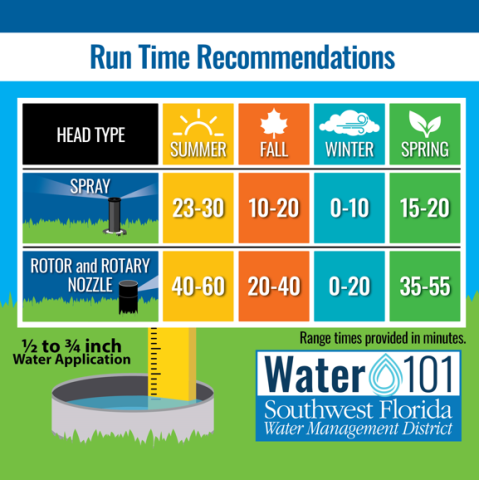
Image Source: www.swfwmd.state.fl.us
Factors Influencing Watering Frequency
Several elements dictate how often your lawn needs a drink. Ignoring these can lead to overwatering (causing root rot and disease) or underwatering (leading to drought stress).
Grass Type: A Critical Consideration
The type of grass you have significantly impacts its watering needs. Florida lawns are typically a mix of warm-season grasses, each with distinct requirements.
- St. Augustine Grass: This popular Florida grass is relatively drought-tolerant once established, but it still needs regular watering, especially during hot, dry periods. Watering frequency St. Augustine grass Florida lawns often means watering deeply about once or twice a week, allowing the soil to dry slightly between applications. Overwatering can lead to fungal diseases like brown patch.
- Bermuda Grass: Bermuda grass is known for its resilience and drought tolerance. It thrives in full sun and needs less water than some other varieties, particularly during cooler months. During peak summer heat, it will benefit from deep watering, similar to St. Augustine, but generally requires less frequent applications.
- Zoysia Grass: Zoysia grass is another hardy option that can tolerate moderate drought. It has deep roots, allowing it to access moisture further down in the soil. Like Bermuda and St. Augustine, deep watering is preferred over frequent, shallow sprinklings.
- Centipede Grass: Centipede grass is a low-maintenance grass that prefers slightly acidic soil. It is less drought-tolerant than Bermuda or Zoysia and can show signs of stress more quickly. Watering frequency St. Augustine grass Florida might be a good starting point, but monitor centipede closely for signs of thirst.
Soil Type: Florida’s Diverse Ground
Florida’s soil varies greatly across the state. This variation plays a crucial role in how water is retained and absorbed by your lawn.
- Sandy Soils: Much of Florida has sandy soil. These soils drain very quickly, meaning water doesn’t stay in the root zone for long. This can necessitate more frequent watering, but still, deep watering Florida grass is key. You’ll want to water deeply enough to penetrate the root zone, but be mindful that excess water will drain away quickly.
- Clay Soils: While less common than sandy soils in many parts of Florida, clay soils retain moisture longer. They can become waterlogged if overwatered, which can suffocate roots. For clay soils, it’s essential to water less frequently but ensure the water penetrates deeply when you do.
- Marl Soils: Found in some southern regions, marl soils are a mix of clay and calcium carbonate. They can retain moisture well but also have drainage issues. Careful monitoring is needed to avoid overwatering.
The soil type Florida watering lawn practices will need to adapt to. A simple test is to dig a small hole; if the soil feels dry several inches down, it’s likely time to water.
Weather Patterns: The Driving Force
Florida’s weather is highly dynamic.
- Summer Heat: Watering lawn Florida summer is often a primary concern. High temperatures and intense sun can dry out lawns rapidly. However, even in summer, overwatering can be detrimental. Aim for watering in the early morning to reduce evaporation and allow the grass to dry before nightfall, which helps prevent fungal diseases.
- Rainfall: Florida experiences significant rainfall, especially during the summer rainy season. Always check your local forecast and the actual rainfall before watering. If you’ve received sufficient rain, hold off on irrigation.
- Drought Conditions: During periods of drought, your watering needs will increase. This is when focusing on deep watering Florida grass becomes even more critical. This encourages roots to grow deeper in search of moisture, making the lawn more resilient.
When to Water: Timing is Everything
The time of day you water your lawn can have a significant impact on its health and water efficiency.
Best Time to Water Lawn Florida
The best time to water lawn Florida is in the early morning, typically between 4 a.m. and 10 a.m. Here’s why:
- Reduced Evaporation: Cooler temperatures and less wind in the morning mean less water evaporates before it can be absorbed by the grass roots.
- Disease Prevention: Watering in the morning allows the grass blades to dry throughout the day. Wet grass left overnight is a breeding ground for fungal diseases.
- Water Pressure: Water pressure is often higher in the early morning, ensuring your irrigation system operates more efficiently.
Avoid watering in the heat of the day, as most of the water will evaporate. Watering in the evening is better than the afternoon, but still carries a higher risk of fungal diseases compared to morning watering.
How Much to Water: The Golden Rule of 1 to 1.5 Inches
As a general guideline, most Florida lawns benefit from 1 to 1.5 inches of water per week. This amount should be applied in one or two watering sessions rather than daily light sprinklings.
Deep Watering Florida Grass Explained
Deep watering Florida grass means applying enough water to moisten the soil to a depth of 4 to 6 inches. This encourages grass roots to grow deeper, making the lawn more drought-tolerant and resilient.
- How to Measure: You can measure the amount of water applied by placing several empty tuna cans or rain gauges around your lawn. Time your sprinkler system and note how long it takes to fill the cans to the desired level.
- Frequency vs. Amount: Instead of watering a little bit every day, it’s better to water more deeply less often. This allows the soil to dry out slightly between waterings, which is essential for root health and prevents shallow rooting.
Developing Your Florida Lawn Watering Schedule
Creating a Florida lawn watering schedule requires observation and adaptation.
Seasonal Adjustments
Your watering needs will change throughout the year.
- Spring: As temperatures warm up, you’ll need to start watering more regularly. Begin with one to two deep watering sessions per week.
- Summer: This is typically the wettest season due to thunderstorms, but the heat can also dry out the lawn quickly. Continue with deep watering sessions as needed, but always monitor rainfall. If you receive an inch or more of rain, you can skip a watering. Watering lawn Florida summer often means being more vigilant about checking soil moisture.
- Fall: As temperatures cool and rainfall may decrease, you might need to maintain a similar watering schedule as spring, or even increase it if dry spells occur.
- Winter: Most Florida grasses go dormant or grow very slowly in winter. Watering needs are significantly reduced. Water only when the grass shows signs of drought stress, typically only once every few weeks, if at all, in cooler months.
Signs Your Lawn Needs Water
Don’t solely rely on a schedule. Your lawn will tell you when it needs water.
- Wilting Grass Blades: Look for grass blades that are curling or folding.
- Footprints: If you walk across your lawn and the grass blades don’t spring back up, it’s a sign of dehydration.
- Dull, Bluish-Gray Color: Healthy grass has a vibrant green color. A dull or grayish cast indicates stress.
- Soil Cracking: In very dry conditions, the soil may start to crack.
Navigating Lawn Watering Restrictions Florida
Many Florida communities have specific lawn watering restrictions Florida in place to conserve water. These restrictions often dictate:
- Days and Times: You may only be allowed to water on certain days of the week, often based on your street address. There are typically also restrictions on the hours of the day you can water.
- Watering Duration: Some restrictions may limit the total amount of time you can water your lawn.
- Type of Irrigation: Hand-watering or using a hose with a shut-off nozzle might be allowed at different times or on different days than in-ground sprinkler systems.
It is crucial to familiarize yourself with the specific regulations for your city or county. You can usually find this information on your local water utility’s website or by contacting them directly. Adhering to these restrictions is not only legally required but also environmentally responsible.
Drought Tolerant Lawns Florida: A Smart Strategy
Considering drought tolerant lawns Florida can be a proactive approach to water conservation and reduce the stress of managing your lawn during dry periods.
Choosing Drought-Tolerant Grasses
As mentioned earlier, some grass types are naturally more resistant to drought. If you are establishing a new lawn or renovating an existing one, consider these options:
- Bermuda Grass: Excellent drought tolerance.
- Zoysia Grass: Good drought tolerance.
- Centipede Grass: Moderate drought tolerance.
- Bahia Grass: Known for its deep root system and good drought tolerance, especially in sandy soils.
Enhancing Drought Resistance in Existing Lawns
Even if you have a less drought-tolerant grass, you can improve its resilience:
- Deep Watering: Encourages deeper root growth.
- Proper Mowing: Mow at the higher end of the recommended height for your grass type. Taller grass blades shade the soil, reducing evaporation and keeping roots cooler.
- Aerate Your Lawn: Aeration improves air, water, and nutrient penetration to the roots, especially in compacted soils.
- Improve Soil Health: Adding compost can improve soil structure and water retention.
Overseeding Lawn Florida Watering Considerations
If you’re overseeding lawn Florida with a cool-season grass in the fall, you’ll need to adjust your watering practices.
- Germination: Newly seeded areas require consistent moisture to germinate. This means light, frequent watering (often daily or twice daily) for the first few weeks, keeping the top layer of soil consistently moist but not saturated.
- Established Grass: As the overseeded grass begins to establish, you can gradually transition back to a deep watering Florida grass schedule, similar to what you would use for your warm-season turf.
- Winter Watering: If you overseed with a winter rye or fescue, watering needs will be less than during the summer, but still more than for dormant warm-season grasses.
Lawn Care Tips Florida: Beyond Watering
Effective lawn care involves more than just watering.
Mowing Practices
- Mow High: Mow at the highest recommended height for your grass type. Taller grass shades the soil and roots.
- Sharp Mower Blades: Dull blades tear grass, making it susceptible to disease and stress.
- Don’t Remove More Than One-Third: Never cut off more than one-third of the grass blade in a single mowing.
Fertilization
- Timing is Key: Fertilize your lawn at the appropriate times for your grass type. Over-fertilizing can increase water needs and stress the lawn.
- Slow-Release Fertilizers: These provide a more even nutrient supply and reduce the risk of burning the lawn.
Weed and Pest Control
- Healthy Lawn is Best Defense: A healthy, well-maintained lawn is the best defense against weeds and pests.
- Identify Problems: Properly identify any weeds or pests before applying treatments, and use targeted applications.
Troubleshooting Common Watering Issues
- Brown Patches: Can be caused by fungal diseases (often due to overwatering), insect damage, or pet urine. Deep watering Florida grass correctly can help prevent fungal issues.
- Yellowing Grass: May indicate overwatering, underwatering, nutrient deficiencies, or poor drainage.
- Uneven Watering: Check your sprinkler heads for proper coverage and ensure they are not clogged or damaged.
Frequently Asked Questions (FAQ)
Q1: How often should I water my St. Augustine grass in Florida?
A1: For St. Augustine grass in Florida, aim for deep watering about once or twice a week, applying 1 to 1.5 inches of water in total. Allow the soil to dry slightly between watering sessions. Always check for signs of stress before watering.
Q2: Can I water my lawn every day in Florida?
A2: Generally, watering your lawn every day is not recommended. Daily watering can lead to shallow root systems and increase the risk of fungal diseases. It’s better to water deeply and less frequently, allowing the soil to dry out somewhat between watering.
Q3: What are the best times to water my lawn in Florida?
A3: The best time to water your lawn in Florida is in the early morning, between 4 a.m. and 10 a.m. This minimizes evaporation and allows grass blades to dry before nightfall, reducing disease risk.
Q4: How do I know if my lawn needs water?
A4: Your lawn will show signs of thirst. Look for grass blades that are wilting, curling, or have a dull, bluish-gray color. Another test is to walk across the lawn; if your footprints remain visible for a while, the grass likely needs water.
Q5: Are there watering restrictions in Florida?
A5: Yes, most Florida communities have lawn watering restrictions Florida in place. These often specify the days and times you can water your lawn. It’s essential to check your local water utility’s regulations.
Q6: How much water does my Florida lawn need per week?
A6: A general guideline for most Florida lawns is 1 to 1.5 inches of water per week. This amount should be applied in one or two watering sessions, depending on your grass type, soil, and weather conditions.
Q7: Does soil type affect how often I should water my lawn in Florida?
A7: Absolutely. Sandy soils drain quickly, requiring more frequent watering than clay soils, which retain moisture longer. You need to adjust your soil type Florida watering lawn practices accordingly.
Q8: What is deep watering for Florida grass?
A8: Deep watering Florida grass means applying enough water to moisten the soil to a depth of 4 to 6 inches. This encourages grass roots to grow deeper, making the lawn more drought-resistant.
Q9: Is it okay to overseed my lawn in Florida during the winter?
A9: Yes, it’s common to overseed lawns in Florida with cool-season grasses in the fall or winter. During this process, overseeding lawn Florida watering requires keeping the topsoil consistently moist for seed germination.
Q10: What are some drought-tolerant lawn options for Florida?
A10: Some good drought tolerant lawns Florida options include Bermuda grass, Zoysia grass, and Bahia grass. These grasses have deep root systems and can better withstand dry periods.