
Image Source: greenpal-production.s3.amazonaws.com
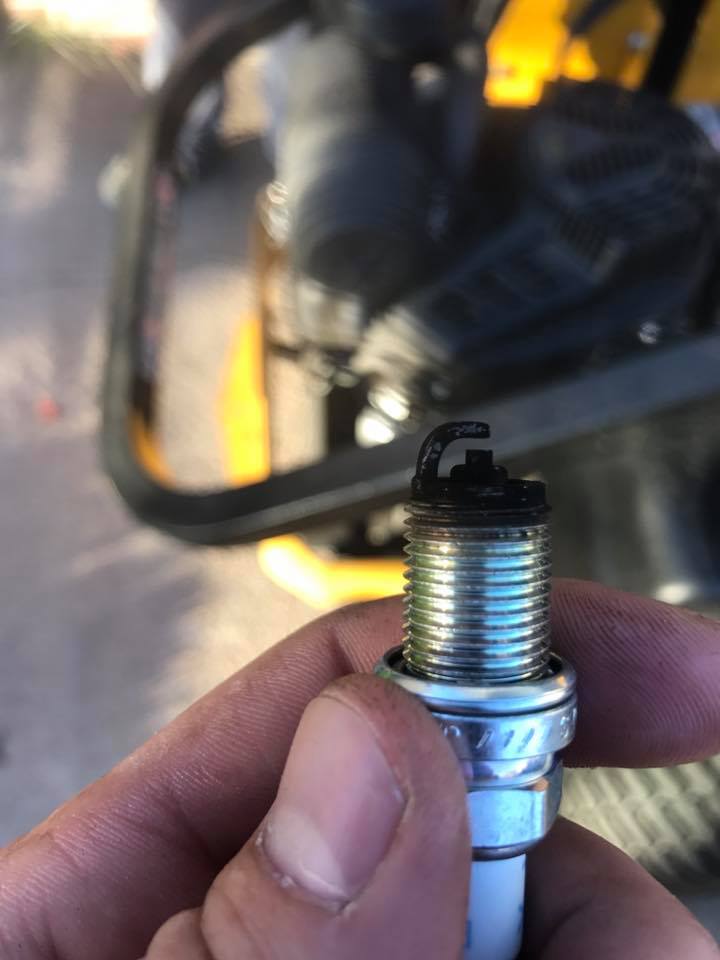
How Often To Change Spark Plug In Lawn Mower: Your Guide
A lawn mower spark plug generally needs to be replaced every 100 hours of use or annually, whichever comes first. Regular replacement is a key part of your lawn mower spark plug maintenance schedule. So, when to replace lawn mower spark plug? Most manufacturers recommend annual replacement as a good practice, especially if you use your mower frequently during the mowing season. This guide will delve into the specifics of lawn mower spark plug replacement interval and help you keep your mower running smoothly.
The Role of the Spark Plug in Your Mower’s Engine
Your lawn mower’s engine relies on a spark plug to ignite the fuel-air mixture, creating the combustion that powers the mower. Think of it as the engine’s starter. Without a good spark, your mower won’t start, or it will run poorly. The lawn mower ignition system is a delicate network, and the spark plug is a critical component within it. A worn or fouled spark plug can disrupt this system, leading to a range of performance issues.
Recognizing When to Replace Your Lawn Mower Spark Plug
Several indicators can signal that it’s time for a lawn mower plug replacement frequency adjustment, or simply, that your spark plug is due for a change. Paying attention to these signs can save you from more significant engine problems down the line.
Symptoms of a Bad Lawn Mower Spark Plug
A malfunctioning spark plug won’t always fail completely without warning. Often, you’ll notice gradual changes in your mower’s performance. Some common symptoms of a bad lawn mower spark plug include:
- Difficulty starting: The engine may crank but not fire up, or it may take many attempts to get it to start.
- Rough idling: The engine may run unevenly or sputter when at idle.
- Misfiring or backfiring: You might hear popping sounds from the engine, indicating that the fuel is not combusting properly.
- Loss of power: The mower may struggle to cut through thicker grass or lose power on inclines.
- Increased fuel consumption: An inefficient spark plug can lead to the engine burning more fuel than necessary.
- Engine stalling: The mower may shut off unexpectedly, especially when under load.
- Black, sooty exhaust: This can indicate an incomplete burn and a fouled spark plug.
- Fouled spark plug appearance: Upon visual inspection, you might see black carbon deposits, oil, or a corroded tip on the plug.
Regularly checking the spark plug condition lawn mower will help you catch these issues early.
Establishing Your Lawn Mower Spark Plug Maintenance Schedule
Creating a consistent lawn mower spark plug maintenance schedule is essential for optimal mower performance. While the general rule is every 100 hours or annually, several factors can influence this.
Factors Affecting Spark Plug Lifespan
- Mower Usage: Frequent use, especially in tough conditions like long, wet grass or on sloped terrain, will accelerate wear on the spark plug.
- Fuel Quality: Using stale or poor-quality fuel can lead to carbon buildup on the spark plug.
- Engine Load: Consistently running the engine at high loads can also contribute to faster wear.
- Air Filter Condition: A dirty air filter can cause the engine to run rich, leading to fouling of the spark plug.
- Oil Type and Level: Incorrect oil type or an improper oil level can cause oil to enter the combustion chamber, fouling the plug.
- Operating Environment: Dusty or dirty environments can introduce contaminants that affect the spark plug.
Determining Your Lawn Mower Spark Plug Replacement Interval
For most homeowners, adhering to the lawn mower spark plug replacement interval of 100 hours or annually is a safe bet. If you use your mower only a few times a year for light duty, you might be able to stretch this slightly. However, if you have a large property or mow frequently, you might consider replacing it more often, perhaps every 50-75 hours.
Best Time to Change Lawn Mower Spark Plug:
The best time to change your lawn mower spark plug is typically at the beginning of the mowing season, or during your annual lawn mower tune-up spark plug service. This ensures your mower is ready for a full season of work without potential ignition problems. It’s also a good time to check other maintenance items like the oil, air filter, and blade.
How to Change a Lawn Mower Spark Plug: A Step-by-Step Guide
Replacing a lawn mower spark plug is a straightforward DIY task that doesn’t require specialized tools. Here’s how to do it:
Tools and Materials You’ll Need
- New Spark Plug: Ensure you have the correct spark plug for your mower model. Check your owner’s manual.
- Spark Plug Wrench or Socket Set: A specific spark plug socket is ideal for easy removal and installation.
- Gapping Tool (Feeler Gauge): To ensure the spark plug gap is set correctly.
- Rag: For cleaning around the spark plug area.
- Anti-seize Compound (Optional but recommended): To prevent the spark plug from seizing in the engine head.
- Torque Wrench (Optional but recommended): For precise tightening.
Step-by-Step Replacement Process
-
Ensure Safety First:
- Turn off the mower engine and let it cool completely.
- Crucially, disconnect the spark plug wire. Pull firmly on the boot, not the wire itself, to avoid damaging the wire. Some engines have a specific kill switch you might need to engage or a ground wire to disconnect. Consult your owner’s manual.
-
Locate the Spark Plug:
- The spark plug is usually located on the side of the engine cylinder, often with a thick rubber or plastic wire (the spark plug wire) attached to it.
-
Clean the Area:
- Before removing the old spark plug, use a rag to clean any dirt or debris from around the base of the spark plug. This prevents debris from falling into the cylinder when the plug is removed.
-
Remove the Old Spark Plug:
- Attach the spark plug wrench or socket to the spark plug.
- Turn the wrench counter-clockwise to loosen and remove the spark plug. If it’s very tight, apply steady pressure.
-
Inspect the Old Spark Plug (Optional but informative):
- Examine the old spark plug’s condition. This can provide clues about your engine’s health.
- Normal: Light tan or grayish-brown color.
- Carbon Fouled: Dry, black, sooty deposits. This can indicate a rich fuel mixture, weak spark, or improper oil usage.
- Oil Fouled: Black, oily deposits. This suggests oil is getting into the combustion chamber, possibly due to worn piston rings or valve seals.
- Leaded Fouled: Deposits of a brownish or grayish color, often with a powdery appearance. This can be caused by leaded fuel or oil additives.
- Overheated: Blistered or melted electrodes. This indicates the engine is running too hot.
- Examine the old spark plug’s condition. This can provide clues about your engine’s health.
-
Prepare the New Spark Plug:
- Check the gap on the new spark plug using a feeler gauge. Your owner’s manual will specify the correct gap. If it’s incorrect, gently bend the ground electrode (the L-shaped one) to adjust it. Be careful not to touch the center electrode.
- Apply a small amount of anti-seize compound to the threads of the new spark plug. This makes future removal easier.
-
Install the New Spark Plug:
- Thread the new spark plug in by hand first. This is crucial to avoid cross-threading, which can damage the engine head. Turn it clockwise until it’s snug.
- Once hand-tight, use the spark plug wrench to tighten it. Follow the manufacturer’s recommendation. Typically, it’s about a quarter to a half turn past hand-tight for a new plug with a gasket, or a slightly smaller turn for a plug without a gasket (check your manual). Over-tightening can damage the cylinder head. If you have a torque wrench, tighten to the specified torque.
-
Reconnect the Spark Plug Wire:
- Push the spark plug wire boot firmly onto the new spark plug until it clicks into place. Ensure a secure connection.
-
Test the Mower:
- Start the mower to ensure it runs smoothly.
This process is a core part of your lawn mower tune-up spark plug routine.
Troubleshooting Common Spark Plug Issues
When your lawn mower isn’t performing as it should, the spark plug is often a primary suspect in lawn mower troubleshooting spark plug scenarios.
Common Problems and Solutions
| Problem | Possible Cause | Solution |
|---|---|---|
| Mower won’t start | Worn, fouled, or damaged spark plug | Replace the spark plug. |
| Loose or disconnected spark plug wire | Reconnect the spark plug wire securely. | |
| Incorrect spark plug gap | Re-gap or replace the spark plug. | |
| Rough idling/Misfiring | Fouled or worn spark plug | Clean or replace the spark plug. |
| Incorrect spark plug gap | Re-gap or replace the spark plug. | |
| Fuel mixture issues | Check fuel quality, air filter, and carburetor adjustments (if applicable). | |
| Loss of power | Fouled or worn spark plug | Replace the spark plug. |
| Clogged fuel filter | Replace the fuel filter. | |
| Dirty air filter | Clean or replace the air filter. | |
| Engine stalls easily | Fouled or worn spark plug | Replace the spark plug. |
| Overheating engine | Check cooling fins, oil level, and air intake for blockages. | |
| Fuel delivery issues | Check fuel line, filter, and carburetor. |
By systematically working through these potential issues, you can effectively diagnose and resolve many lawn mower performance problems.
Choosing the Right Spark Plug for Your Lawn Mower
Selecting the correct spark plug is crucial. Using the wrong type can lead to poor performance and even engine damage.
Identifying the Correct Spark Plug
- Owner’s Manual: The most reliable source for identifying the correct spark plug is your lawn mower’s owner’s manual. It will list the specific make, model, and gap requirements.
- Manufacturer Websites and Databases: Many engine and spark plug manufacturers have online tools where you can enter your mower’s make and model to find the recommended spark plug.
- The Old Spark Plug: If you still have the old spark plug, you can often find the part number printed on it. However, always cross-reference this with your manual to ensure it’s the correct type and not a generic replacement.
Common Spark Plug Types
- Copper Core: The most common and cost-effective type. They have a good lifespan but are less durable than platinum or iridium.
- Platinum: Offer a longer lifespan and better ignition performance due to their harder metal.
- Iridium: The most durable and high-performing type, offering excellent ignition and longevity. They are also the most expensive.
For most lawn mowers, a standard copper core spark plug is perfectly adequate and meets the recommended lawn mower spark plug replacement interval. If you’re looking for slightly longer service life, a platinum plug is a good option.
The Importance of Regular Lawn Mower Tune-Ups
Changing the spark plug is just one part of a comprehensive lawn mower tune-up. Regular tune-ups ensure all components are working in harmony.
Key Components of a Lawn Mower Tune-Up
- Spark Plug: Replace as per the lawn mower spark plug maintenance schedule.
- Oil Change: Change the engine oil according to the manufacturer’s recommendations.
- Air Filter: Clean or replace the air filter. A clogged filter starves the engine of air, reducing power and efficiency.
- Fuel Filter: Replace if your mower has one.
- Blade Sharpening and Balancing: A sharp blade cuts cleanly, reducing strain on the engine and improving the lawn’s appearance.
- Cleaning: Remove grass clippings and debris from the mower deck and engine cooling fins.
Performing a full lawn mower tune-up annually will help prevent costly repairs and ensure your mower operates at its best. The spark plug condition lawn mower is a good indicator of the overall health of your engine, but a complete check is always recommended.
Frequently Asked Questions (FAQ)
Q1: Can I use a different brand of spark plug in my lawn mower?
A: Yes, as long as it’s the correct type and has the specified gap. Your owner’s manual will list the OEM (Original Equipment Manufacturer) part number, and you can find equivalent part numbers from other brands like Champion, NGK, or Bosch.
Q2: How do I know if my spark plug is bad?
A: Look for symptoms like difficulty starting, rough idling, loss of power, or a visually fouled spark plug. You can also test it, though often replacement is the simplest solution.
Q3: What happens if I don’t change my spark plug?
A: Your mower may start to perform poorly, experience reduced fuel efficiency, or eventually fail to start altogether. It can also lead to other engine components being stressed.
Q4: What is the correct spark plug gap for my lawn mower?
A: The correct spark plug gap is specific to your mower model and engine. Always consult your owner’s manual for this information.
Q5: Is it difficult to change a lawn mower spark plug?
A: No, changing a spark plug is a relatively easy maintenance task that most homeowners can do with basic tools.
Q6: How often should I clean my spark plug instead of replacing it?
A: While you can clean a moderately fouled spark plug with a wire brush, it’s generally best practice to replace it when it shows signs of wear or significant fouling. The lifespan of a cleaned plug is often shorter.
By following this comprehensive guide, you’ll be well-equipped to maintain your lawn mower’s spark plug, ensuring reliable performance season after season. Remember, consistent maintenance is the key to a long-lasting and efficient machine.