
What is the best way to decide how often to cut the lawn? The best way to decide how often to cut the lawn is by observing your grass’s growth rate and considering the “one-third rule,” which states you should never remove more than one-third of the grass blade at a time. This general guideline, along with factors like grass type, season, and watering practices, will help you establish an effective grass cutting schedule.
Getting your lawn looking its best is a rewarding experience, but it can be confusing to know just how often to reach for the mower. Many factors influence lawn mowing frequency, and sticking to a rigid schedule might not always be the best approach for your specific yard. This guide will help you navigate the nuances of when to cut grass, how much to cut lawn, and how to maintain a healthy, vibrant turf throughout the year.
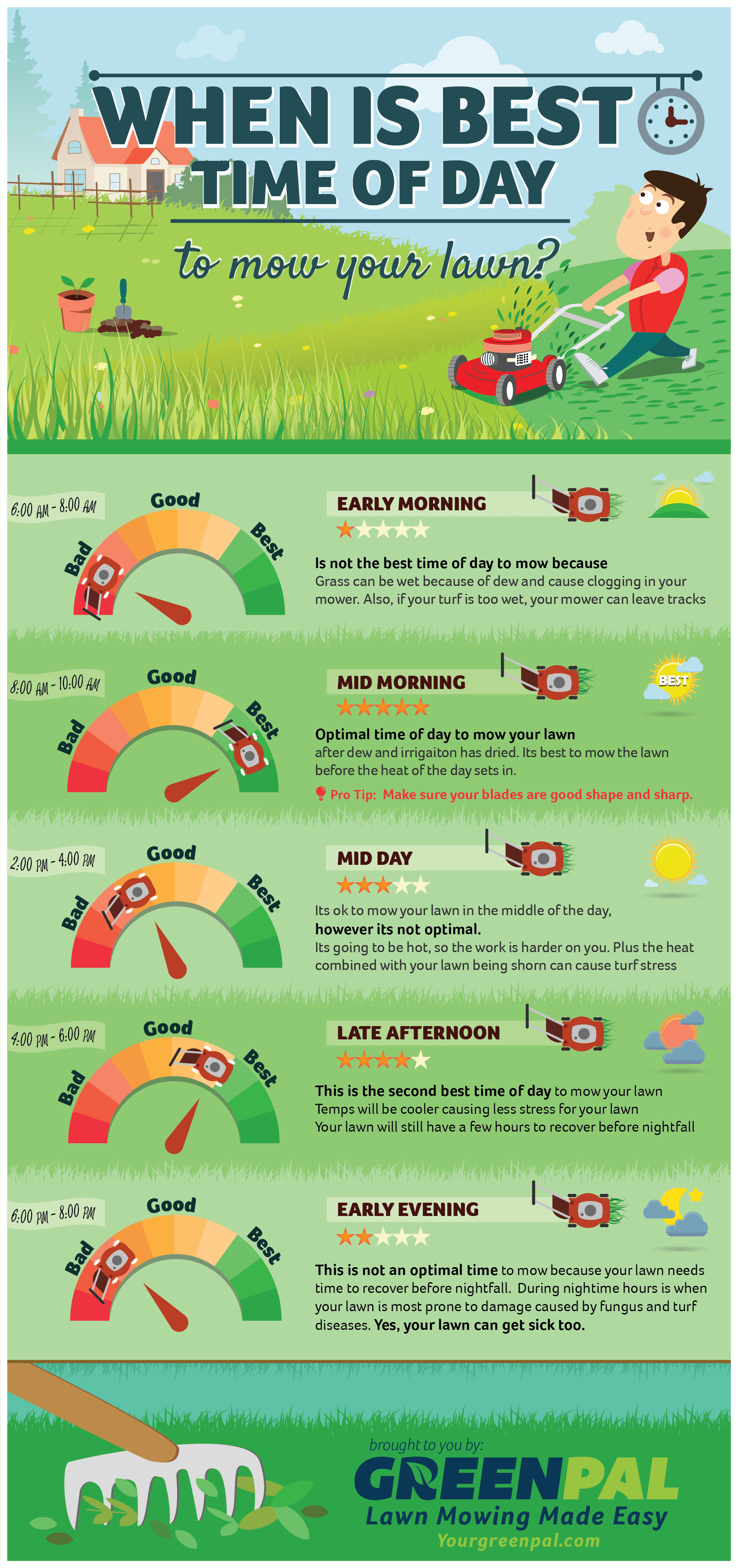
Image Source: greenpal-production.s3.amazonaws.com
Deciphering Your Grass’s Needs
Your lawn is a living thing, and like any living thing, it has needs that change. The most crucial factor in determining your grass cutting schedule is the growth rate of your grass. This isn’t a constant; it fluctuates based on several key elements.
Factors Influencing Grass Growth
- Grass Type: Different grass species grow at different rates. Cool-season grasses (like fescue and ryegrass) tend to grow more vigorously in spring and fall, while warm-season grasses (like Bermuda and Zoysia) thrive in the heat of summer.
- Weather Conditions: Temperature, rainfall, and sunlight all play a significant role. Warm, moist conditions with plenty of sun encourage rapid growth. Conversely, drought or extreme heat can slow down growth.
- Soil Health and Fertilization: A well-fed lawn with healthy soil will naturally grow faster than a nutrient-deficient one. Proper fertilizing lawn practices are essential for promoting healthy growth.
- Watering Practices: Consistent and appropriate watering encourages growth. Overwatering can lead to shallow root systems and disease, while underwatering stresses the grass, slowing its growth. Consistent watering lawn is key.
- Season: As mentioned, growth is highly seasonal. You’ll likely need to mow more frequently during the peak growing seasons for your grass type and less often during dormancy or slower growth periods.
- Mowing Height: Cutting the grass too short can stress it and encourage faster, weaker regrowth. Maintaining the ideal lawn height is crucial.
The “One-Third Rule” Explained
The cornerstone of proper mowing is the “one-third rule.” This rule is simple yet incredibly effective for maintaining grass health. It states that you should never remove more than one-third of the grass blade’s height in a single mowing.
Why is this rule so important?
- Prevents Stress: Cutting off too much of the blade at once shocks the grass. This can weaken the plant, making it more susceptible to diseases, pests, and drought.
- Encourages Deeper Roots: When you cut less, the grass develops a stronger, deeper root system. This makes your lawn more resilient.
- Reduces Thatch Buildup: Cutting too much can leave behind large amounts of grass clippings, which can contribute to thatch, a layer of dead organic matter that can stifle grass growth.
- Promotes Healthier Growth: Regular mowing that adheres to the one-third rule encourages the grass to grow thicker and more upright, leading to a lusher appearance.
Let’s say your ideal lawn height is 3 inches. If your grass grows to 4.5 inches, you’re at the point where you should mow. You would cut off 1.5 inches, bringing it back down to 3 inches, which is exactly one-third of the total height. If it reaches 6 inches, you would cut off 2 inches (one-third of 6 inches), bringing it down to 4 inches. The next mowing would then bring it down to the ideal height.
Establishing Your Grass Cutting Schedule
Now that you know the principles, how do you put them into practice? Creating a grass cutting schedule is about observation and adjustment.
How Often To Cut The Lawn: A Seasonal Approach
Your seasonal lawn care plan will dictate your mowing frequency. Here’s a general breakdown:
- Spring (Peak Growth): This is often the busiest mowing season. Cool-season grasses, especially, will be growing rapidly. You might find yourself mowing every 3-5 days. Warm-season grasses will be starting their growth cycle and may require mowing every 7-10 days initially.
- Summer (Slower Growth in Heat): Many grasses slow down their growth in extreme heat and drought. You can often extend your mowing intervals to every 7-14 days for cool-season grasses, and perhaps every 7-10 days for actively growing warm-season grasses. Avoid mowing during the hottest part of the day, and always ensure your mower blades are sharp.
- Fall (Resurgence): As temperatures cool and rainfall increases, cool-season grasses will often experience another growth spurt. You may need to return to mowing every 5-7 days. Warm-season grasses will start to slow down as they prepare for dormancy.
- Winter (Dormancy): Most grasses go dormant in winter, meaning they stop growing. Mowing is generally not required during this period.
Adjusting Based on Visual Cues
Beyond the seasons, your eyes are your best tool. If your grass consistently looks like it’s getting too long between scheduled mows, increase your frequency. If it seems like you’re barely touching it when you mow, you might be able to extend the interval.
Key visual cues to watch for:
- Grass Blade Length: This is the most obvious indicator. If the grass looks significantly taller than your desired height, it’s time to mow.
- “Shagginess”: The lawn might start to look a bit unkempt or “shaggy” when it needs cutting.
- Bent or Flattened Grass: If the grass blades are starting to bend over, it’s a sign of advanced growth.
Determining the Ideal Lawn Height
The ideal lawn height varies significantly depending on the type of grass you have. Mowing too short can stress your lawn, while mowing too high can lead to a weaker, less dense turf that is more prone to disease and weed invasion.
Grass Type and Mowing Height Chart
Here’s a general guide for common grass types. Always consult local resources or turf specialists for specific recommendations in your region.
| Grass Type | Ideal Mowing Height (Inches) | Notes |
|---|---|---|
| Cool-Season Grasses | ||
| Kentucky Bluegrass | 2.5 – 3.5 | Taller heights help shade out weeds and conserve moisture. |
| Perennial Ryegrass | 2 – 3 | Can tolerate slightly lower heights but benefits from not being cut too short. |
| Fine Fescues | 2.5 – 4 | Generally prefer slightly higher mowing to help them tolerate shade and drought. |
| Tall Fescue | 3 – 4 | Benefits greatly from taller mowing heights (3-4 inches) for deeper root development and weed suppression. |
| Warm-Season Grasses | ||
| Bermuda Grass | 0.5 – 2 | Can be mowed very low, especially for sports turf. For home lawns, 1-1.5 inches is common. |
| Zoysia Grass | 0.5 – 2 | Similar to Bermuda, tolerates low mowing. |
| St. Augustine Grass | 2 – 3.5 | Prefers slightly higher mowing to maintain density and disease resistance. |
| Centipede Grass | 1.5 – 2.5 | Generally should not be cut below 1.5 inches. |
| Bahiagrass | 3 – 4 | A coarser grass that benefits from higher mowing to maintain a good appearance and drought tolerance. |
Important Considerations for Mowing Height:
- Don’t Cut Too Short: Never lower your mower deck to the lowest setting, especially for taller grasses. This is a quick way to kill your lawn.
- Adjust for Conditions: During hot, dry periods, consider raising your mowing height by half an inch to reduce stress on the grass. In the fall, a slightly higher cut can help the grass prepare for winter.
Advanced Lawn Mowing Tips for a Healthier Yard
Beyond just frequency and height, several lawn mowing tips can significantly improve the health and appearance of your lawn.
Blade Sharpness is Key
This is one of the most overlooked aspects of lawn care. Dull mower blades tear the grass blades rather than cutting them cleanly. This ragged cut:
- Wounds the Grass: Makes it more susceptible to diseases and pests.
- Causes Browning: The torn tips often turn brown, giving your lawn a “fried” appearance.
- Wastes Energy: The grass has to expend more energy trying to heal these ragged wounds.
How often should you sharpen blades?
- For home use, sharpening at least once or twice a year is recommended.
- If you have a large lawn or frequently hit small stones or debris, you might need to sharpen them more often.
- A good rule of thumb is to sharpen them after every 10-12 hours of use, or at the beginning of each major mowing season.
Proper Mowing Pattern
Varying your mowing pattern is more than just about aesthetics.
- Avoid Compaction: Always mowing in the same direction can compact the soil over time, hindering root growth.
- Even Cutting: Alternating patterns (e.g., horizontal one week, vertical the next, then diagonal) can help ensure a more uniform cut and prevent the grass from developing a permanent lean.
Mulching vs. Bagging Grass Clippings
When you mow, you have two main options for the grass clippings: mulch them back into the lawn or bag them for removal.
- Mulching: This is generally the preferred method for a healthy lawn. Grass clippings are finely chopped and returned to the soil, where they decompose and release valuable nutrients, acting as a natural fertilizer. This is particularly beneficial when following the one-third rule, as the clippings are small and break down quickly. This also reduces the need for fertilizing lawn as often.
- Bagging: Bagging is useful if you have excessive grass growth, disease-ridden clippings, or if the clippings are too long to mulch effectively without clumping. However, it removes nutrients from your lawn that would otherwise be returned to the soil.
When to Mulch vs. Bag:
- Mulch: When grass is cut regularly and clippings are small.
- Bag: When grass has grown too long between mows, or if there’s evidence of disease in the clippings.
Mowing Height and Weed Control Lawn
Maintaining the ideal lawn height is a fundamental aspect of weed control lawn. Taller, denser grass shades out the soil surface, making it difficult for weed seeds to germinate and establish. If you mow too short, you create bare spots and open areas that are prime real estate for opportunistic weeds.
The Importance of Mowing Dry Grass
Mowing wet grass can cause several problems:
- Uneven Cut: Clumps of wet grass can get stuck in the mower, leading to an uneven cut.
- Clogging: Wet clippings can clog the mower deck and chute, reducing efficiency and potentially damaging the mower.
- Disease Spread: If your lawn has any fungal diseases, mowing wet grass can spread them to healthy areas of the lawn and to other parts of your yard.
- Compaction: Walking on wet turf can compact the soil, making it harder for grass roots to grow.
Always wait for your grass to dry before mowing.
Integrating Mowing with Other Lawn Care Practices
Your grass cutting schedule should not exist in isolation. It needs to be integrated with other essential lawn maintenance activities for optimal results.
Fertilizing Lawn
Fertilizing lawn provides the nutrients grass needs to grow strong and healthy. The timing of fertilization is crucial and often coincides with your grass’s active growing periods.
- Cool-Season Grasses: Typically benefit from fertilization in the fall and spring.
- Warm-Season Grasses: Thrive with fertilization in late spring and summer.
How mowing frequency relates to fertilizing:
- A consistently mowed lawn at the correct height is more efficient at utilizing nutrients.
- Mulching grass clippings provides a slow-release source of nitrogen, potentially reducing the frequency or amount of synthetic fertilizer needed.
Watering Lawn
Consistent watering lawn is vital, especially during dry periods. However, the frequency and duration of watering should be adjusted based on weather, soil type, and grass type.
- Deep and Infrequent Watering: Encourages deeper root growth, making your lawn more drought-tolerant. Aim for about 1 inch of water per week, delivered in one or two watering sessions.
- Avoid Overwatering: This can lead to shallow roots, disease, and nutrient leaching.
Mowing and Watering Synergies:
- Watering after mowing can help the grass recover from the stress of cutting and can help settle any grass clippings left on the surface.
- Avoid watering immediately after mowing if you’ve mulched clippings; let them start to break down first.
Weed Control Lawn
Effective weed control lawn relies on a healthy, dense turf. This is where your mowing practices, fertilization, and watering come into play.
- Healthy Turf Outcompetes Weeds: A well-maintained lawn with the correct ideal lawn height and proper mowing will naturally crowd out most weeds.
- Spot Treat: For persistent weeds, targeted spot treatments can be more effective and less harmful to the overall lawn than broadcast applications.
- Proper Aeration and Dethatching: These practices improve soil health and air circulation, further strengthening the grass and making it harder for weeds to gain a foothold.
Troubleshooting Common Mowing Issues
Even with the best intentions, you might encounter some common problems.
Grass Doesn’t Seem to Grow
If your grass isn’t growing, consider these possibilities:
- Incorrect Watering: Too much or too little water can stunt growth.
- Nutrient Deficiency: Your lawn might need fertilizer.
- Soil Compaction: Aeration might be necessary.
- Pest or Disease Infestation: Inspect your lawn for signs of damage.
- Shade: Some grass types require full sun.
Grass Grows Too Fast
This is usually a good problem to have! To manage rapid growth:
- Maintain the One-Third Rule: You’ll simply need to mow more frequently.
- Consider a Slower-Growing Grass Variety: If possible, when re-seeding or sodding.
- Adjust Fertilization: Ensure you’re not over-fertilizing, especially with high-nitrogen formulas.
Uneven Mowing
This can be due to:
- Dull Blades: Sharpen your mower blades.
- Uneven Terrain: Mowing slower and making more passes might help.
- Clogged Deck: Clean your mower deck regularly.
- Incorrect Mower Height Adjustment: Ensure all wheels are set to the same height.
Frequently Asked Questions (FAQ)
Here are some common questions about how often to cut the lawn:
-
Q: How often should I mow my lawn in the summer?
A: In summer, grass growth often slows due to heat. You might need to mow every 7-14 days, depending on your grass type and local conditions. It’s best to mow during cooler parts of the day. -
Q: Can I mow my grass when it’s wet?
A: It’s generally not recommended. Mowing wet grass can lead to an uneven cut, clog your mower, spread disease, and compact the soil. Wait until the grass is dry. -
Q: How much grass can I cut at once?
A: Always follow the “one-third rule” – never remove more than one-third of the grass blade’s height in a single mowing. -
Q: Should I mulch my grass clippings or bag them?
A: Mulching is usually best. It returns nutrients to the soil, acting as a natural fertilizer. Bag clippings if they are too long to mulch effectively or if disease is present. -
Q: Does mowing height affect weed control?
A: Yes, absolutely. Mowing at the ideal lawn height for your grass type helps create a dense turf that shades out weed seeds, contributing to weed control lawn. -
Q: When is the best time of day to mow?
A: The best time is usually late morning or early evening, after the dew has dried but before the heat of the afternoon. This allows the grass to recover before extreme temperatures. -
Q: My grass is growing very slowly. What could be wrong?
A: Slow growth can be caused by insufficient water, lack of nutrients (requiring fertilizing lawn), too much shade, or soil compaction. Check these factors.
By observing your lawn, adhering to the one-third rule, and integrating your mowing practices with proper seasonal lawn care, you can achieve a healthy, beautiful lawn that you can be proud of. Happy mowing!