
How often should you feed your lawn? Generally, feeding your lawn 2 to 4 times a year is a good starting point, but the ideal lawn fertilization frequency depends on grass type, climate, soil health, and the type of fertilizer used. This guide will help you create a tailored fertilizing schedule for a vibrant, healthy lawn.
A well-fed lawn is a beautiful lawn. It’s greener, grows thicker, and is more resistant to weeds, diseases, and stress. But knowing how often to fertilize grass can be confusing. Many factors come into play when deciding on your lawn feeding schedule. This comprehensive guide will walk you through everything you need to know about lawn nutrient needs and how to keep your grass happy and healthy throughout the year. We’ll cover the best time to fertilize lawn and provide practical lawn feeding tips to ensure you’re not over or under-feeding your grass.
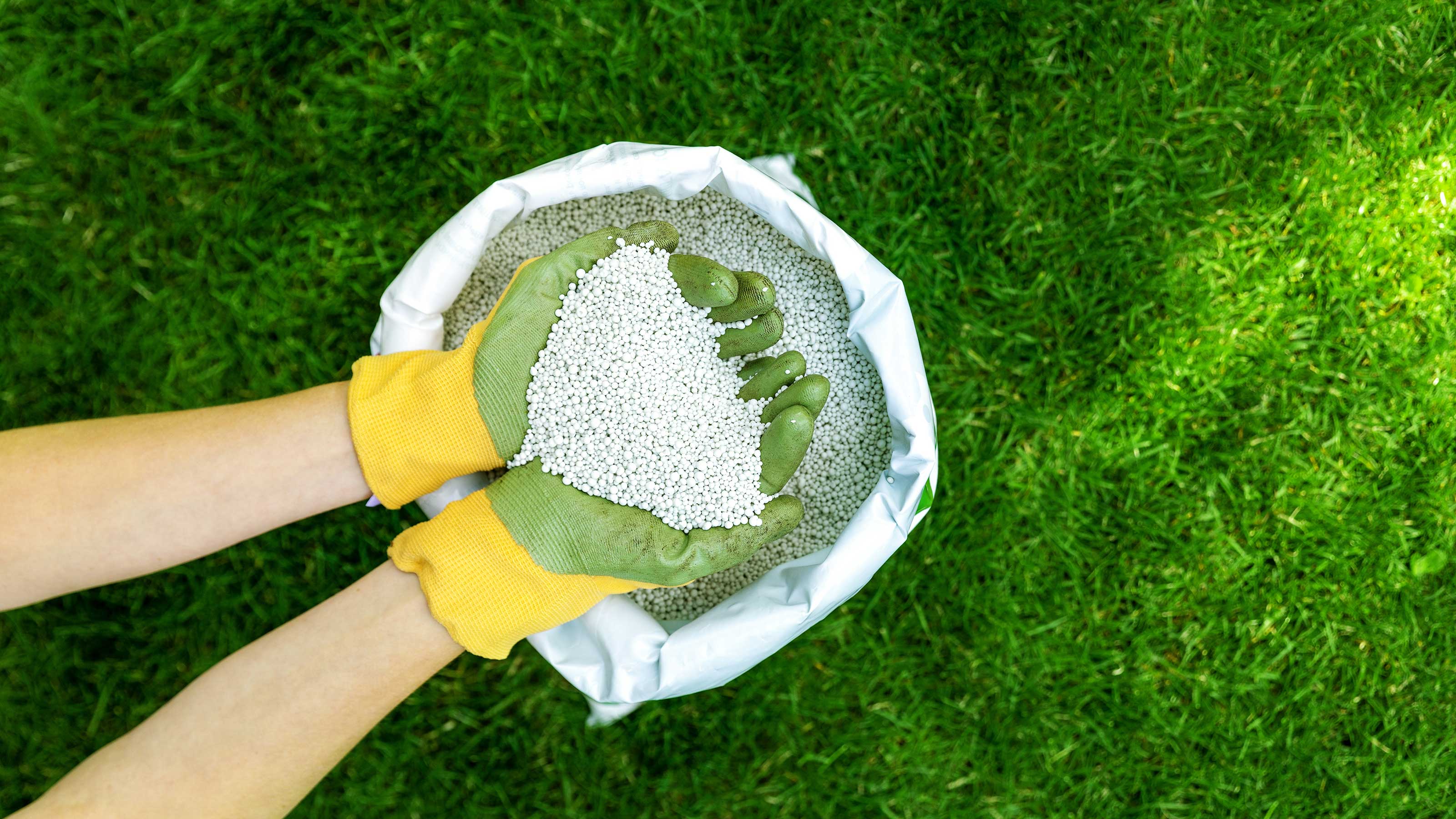
Image Source: cdn.mos.cms.futurecdn.net
Deciphering Your Lawn’s Feeding Cycle
Your lawn is a living organism, and like all living things, it needs food. This food comes in the form of nutrients, primarily nitrogen (N), phosphorus (P), and potassium (K), which are the key components of fertilizer. Over time, these nutrients are depleted from the soil as grass grows and is mowed. Regular fertilization replenishes these essential elements, promoting healthy growth and a lush appearance. The question of lawn feeding frequency is crucial for achieving this.
Grass Type and Its Nutritional Demands
Different types of grass have varying lawn nutrient needs. Cool-season grasses (like fescues, ryegrass, and bluegrass) and warm-season grasses (like Bermuda, Zoysia, and St. Augustine) have different growth cycles and nutrient requirements.
- Cool-Season Grasses: These grasses are most active in the spring and fall. They benefit most from fertilization during these periods. They can be fertilized in early spring, late spring, early fall, and late fall.
- Warm-Season Grasses: These grasses thrive in the heat of summer. Their primary feeding times are in late spring, summer, and early fall.
Understanding your grass type is the first step in creating an effective lawn fertilization schedule.
Soil Health: The Foundation of Feeding
Before you even think about fertilizer, it’s vital to assess your soil. A soil test is your best friend here. It tells you about your soil’s pH, nutrient levels, and organic matter content.
- pH Level: Most turfgrasses prefer a slightly acidic to neutral pH (between 6.0 and 7.0). If your soil is too acidic or too alkaline, grass struggles to absorb nutrients, even if they are present.
- Nutrient Deficiencies: A soil test will reveal if specific nutrients like nitrogen, phosphorus, or potassium are lacking. This information is critical for choosing the right fertilizer and determining how often to fertilize grass.
- Organic Matter: Healthy soil with good organic matter content retains moisture and nutrients better, potentially reducing the frequency of fertilization needed.
Climate and Seasonal Influences
Your local climate plays a significant role in lawn fertilization frequency.
- Spring: This is a crucial time for cool-season grasses to recover from winter and begin active growth. Fertilizing in early to mid-spring provides the necessary nutrients for this surge.
- Summer: While warm-season grasses are at their peak, cool-season grasses can become stressed by heat and drought. Fertilizing cool-season grasses too heavily in summer can exacerbate stress. For warm-season grasses, summer feeding is important for sustained growth.
- Fall: This is arguably the most important feeding time for cool-season grasses. Fertilizing in early fall helps them store energy for winter and prepare for a strong comeback in spring. Late fall feeding (dormant feeding) can also be beneficial. Warm-season grasses also benefit from a fall feeding as they prepare for dormancy.
- Winter: Generally, no fertilization is recommended during winter dormancy for either grass type.
Creating Your Lawn Fertilization Schedule
A well-planned fertilizing schedule ensures your lawn receives the right nutrients at the right times. Here’s a breakdown based on grass type and general recommendations.
Fertilizing Cool-Season Grasses
Cool-season grasses benefit from a consistent feeding throughout their active growing seasons. A typical lawn feeding schedule for cool-season lawns often includes 3-4 applications per year.
- Early Spring (March-April): Apply a balanced fertilizer. This helps green up the lawn and supports new growth after winter. Look for a fertilizer with a higher nitrogen content.
- Late Spring/Early Summer (May-June): Apply another application. This helps the grass withstand summer heat and drought. Consider a slow-release nitrogen fertilizer to provide a steady supply of nutrients.
- Early Fall (September-October): This is a critical feeding time. Apply a fertilizer that encourages root development and stores energy for winter. Fertilizers with a higher potassium content are beneficial here.
- Late Fall/Dormant Feeding (November): For an extra boost, a late fall application can be beneficial, especially in colder climates. This allows the grass to absorb nutrients and store them in the roots for early spring growth.
Fertilizing Warm-Season Grasses
Warm-season grasses are active during warmer months. Their lawn fertilization frequency is concentrated in late spring through early fall. A typical schedule includes 2-3 applications.
- Late Spring (May-June): Apply a nitrogen-rich fertilizer once the grass has fully emerged from dormancy and is actively growing.
- Mid-Summer (July-August): A second application can help maintain color and density during the peak growing season. Again, slow-release nitrogen is a good choice.
- Early Fall (September-October): A final feeding can help the grass build reserves for winter dormancy. Fertilizers with a higher potassium content are beneficial.
When to Fertilize: Timing is Everything
Knowing when to fertilize is as important as how often. Timing your applications correctly maximizes nutrient uptake and minimizes potential problems.
The Best Time to Fertilize Lawn
- Ideal Conditions: Fertilize when the grass is actively growing, but not under extreme stress (heat, drought).
- Moisture: It’s best to fertilize when the soil is moist but not saturated. Watering the lawn a day or two before fertilizing can be beneficial.
- After Rain: Avoid fertilizing immediately before heavy rain, as this can wash nutrients away.
- After Mowing: Fertilize after mowing so that the fertilizer granules don’t stick to the grass blades. You can water lightly after fertilizing to help the nutrients soak into the soil.
Avoid Fertilizing During Stressful Periods
- Extreme Heat: Avoid fertilizing during periods of prolonged high temperatures and drought, especially for cool-season grasses. This can burn the grass.
- Dormancy: Do not fertilize dormant grass, as it will not be able to utilize the nutrients effectively.
Choosing the Right Fertilizer
The type of fertilizer you choose significantly impacts your lawn feeding schedule and the health of your lawn. Fertilizers are labeled with three numbers representing the percentage by weight of nitrogen (N), phosphorus (P), and potassium (K).
Fertilizer Types
- Quick-Release Fertilizers: These fertilizers provide nutrients immediately. They can give your lawn a quick green-up but may require more frequent applications and can leach out of the soil faster, potentially causing pollution.
- Slow-Release Fertilizers: These release nutrients gradually over time. They are ideal for providing a steady supply of nutrients, reducing the risk of burning the lawn, and requiring fewer applications. Many modern lawn fertilizers are formulated with slow-release nitrogen.
- Organic Fertilizers: Derived from natural sources like manure, compost, or bone meal, these fertilizers improve soil structure and release nutrients slowly. They are a more environmentally friendly option but may take longer to show visible results.
- Synthetic Fertilizers: These are manufactured fertilizers that provide precise nutrient ratios. They are often more potent and can produce quicker results but can also contribute to nutrient runoff if not applied correctly.
Reading the Fertilizer Label
- N-P-K Ratio: The three numbers on the bag represent Nitrogen (N), Phosphorus (P), and Potassium (K). For example, a 10-10-10 fertilizer contains 10% nitrogen, 10% phosphorus, and 10% potassium by weight.
- Nitrogen (N): Promotes green, leafy growth.
- Phosphorus (P): Essential for root development and seedling establishment. Most established lawns have sufficient phosphorus, so a soil test is crucial to determine if an application is needed. Many municipalities restrict phosphorus use to protect waterways.
- Potassium (K): Improves overall plant health, stress tolerance (heat, cold, drought), and disease resistance.
Practical Lawn Feeding Tips
Applying fertilizer correctly is as important as choosing the right type and timing. Follow these lawn feeding tips for optimal results.
Application Methods
- Spreader Calibration: Ensure your spreader is calibrated correctly. An over-application can burn your lawn, while an under-application won’t provide the desired results. Most fertilizer bags will recommend spreader settings.
- Even Distribution: Walk at a consistent pace and overlap your passes slightly to ensure even coverage. Avoid dumping large amounts in one spot.
- Sweep Off Hard Surfaces: Always sweep any fertilizer granules that land on driveways, sidewalks, or patios back onto the lawn. Fertilizer on hard surfaces can wash into storm drains and pollute waterways.
Watering After Application
- Watering is Key: Water your lawn lightly after applying fertilizer (unless the fertilizer instructions state otherwise). This helps the fertilizer dissolve and move into the soil, preventing leaf burn and allowing the grass to absorb the nutrients.
- Avoid Watering Before: Don’t water your lawn immediately before fertilizing, as this can dilute the fertilizer and reduce its effectiveness.
Understanding Lawn Nutrient Needs with Time
As your lawn matures, its lawn nutrient needs might change. A newly seeded lawn will have different requirements than a well-established lawn.
- New Lawns: Newly seeded or sodded lawns typically benefit from a starter fertilizer, which is higher in phosphorus to promote root development. These usually only require one application.
- Established Lawns: Established lawns need regular feeding to maintain health and vigor. The frequency and type of fertilizer will depend on the factors discussed earlier.
Lawn Care Schedule Integration
Fertilizing is just one part of a comprehensive lawn care schedule. Other essential practices include:
- Mowing: Mow at the correct height for your grass type, and never remove more than one-third of the grass blade at a time. Keep mower blades sharp.
- Watering: Water deeply and infrequently to encourage deep root growth. The amount of water needed varies by grass type and climate.
- Aeration: Aerating your lawn helps to relieve soil compaction, allowing air, water, and nutrients to reach the grass roots more effectively. This can improve the efficiency of your fertilization.
- Overseeding: Filling in thin spots with seed helps create a thicker, more resilient lawn. This is often done in the fall for cool-season grasses.
- Weed and Pest Control: Address weed and pest problems promptly, as they can weaken your lawn and compete for nutrients.
Example Fertilizing Schedules
Here are example fertilizing schedule recommendations. Remember to adjust based on your specific conditions.
Table 1: Cool-Season Grass Fertilizing Schedule
| Time of Year | Fertilization Goal | Fertilizer Type | Notes |
|---|---|---|---|
| Early Spring | Green-up, new growth | Balanced or higher nitrogen (e.g., 20-5-10) | Apply when grass begins to green up. |
| Late Spring | Summer stress tolerance, sustained growth | Slow-release nitrogen (e.g., 24-0-12) | Helps grass endure heat and potential drought. |
| Early Fall | Root development, winter hardiness | Balanced or higher potassium (e.g., 10-10-20) | Crucial for recovery and storing energy. |
| Late Fall (Optional) | Winter survival, early spring growth promotion | Higher nitrogen or balanced (e.g., 30-0-10) | Apply after the last mow, before the ground freezes. Known as dormant feeding. |
Table 2: Warm-Season Grass Fertilizing Schedule
| Time of Year | Fertilization Goal | Fertilizer Type | Notes |
|---|---|---|---|
| Late Spring | Active growth, greening | Higher nitrogen (e.g., 21-0-7) | Apply once grass has fully emerged from dormancy. |
| Mid-Summer | Sustained growth, density, and color | Slow-release nitrogen (e.g., 24-0-12) | Helps maintain health during peak summer heat. |
| Early Fall | Winter preparation, reserve energy storage | Balanced or higher potassium (e.g., 10-10-20) | Aids in overwintering and promotes strong roots. |
Common Mistakes to Avoid
Even with a good plan, mistakes can happen. Being aware of common pitfalls can save your lawn.
- Over-fertilizing: This is one of the most common mistakes. Too much fertilizer can burn grass blades, damage roots, and lead to excessive thatch buildup. It can also contribute to water pollution.
- Under-fertilizing: While less damaging, under-fertilizing means your lawn won’t reach its full potential for color, density, and disease resistance.
- Wrong Timing: Fertilizing at the wrong time of year or during stressful periods can harm your lawn rather than help it.
- Ignoring Soil Tests: Guessing your lawn’s needs is inefficient and potentially harmful. A soil test is your most reliable guide.
- Using the Wrong Type of Fertilizer: Using a fertilizer not suited for your grass type or the specific season can be ineffective or detrimental.
Frequently Asked Questions (FAQ)
Q1: Can I fertilize my lawn if it hasn’t rained in a while?
Yes, but it’s best to water your lawn thoroughly a day or two before fertilizing. If you cannot water, use a slow-release fertilizer and be very careful with application rates to avoid burning the grass.
Q2: How soon after seeding can I fertilize?
Wait until the new grass has been mowed at least twice. For new lawns, a “starter fertilizer” is often recommended at the time of seeding, which helps with root establishment.
Q3: What does the N-P-K ratio mean?
N-P-K stands for Nitrogen, Phosphorus, and Potassium. These are the three primary macronutrients that plants need. The numbers on a fertilizer bag indicate the percentage by weight of each nutrient.
Q4: Is it okay to fertilize when grass is wet?
It’s generally better to fertilize when the grass is dry. If you fertilize when the grass is wet with dew, the fertilizer granules can stick to the blades and cause burning. If you apply fertilizer to dry grass, water it in afterwards.
Q5: How do I know if my lawn needs fertilizer?
Signs your lawn needs fertilizer include slow growth, pale or yellowing grass, and thin turf. A soil test is the most accurate way to determine nutrient deficiencies.
Q6: What is “weed and feed” and should I use it?
“Weed and feed” products combine fertilizer with herbicides to kill weeds while feeding the lawn. While convenient, it’s generally recommended to apply fertilizer and herbicides separately. This allows you to target specific weed problems when they arise and fertilize at optimal times, independent of herbicide application windows. Applying a herbicide when the lawn is stressed (e.g., during heat) can also damage the grass.
Q7: How much should I water after fertilizing?
Water your lawn lightly for about 15-20 minutes to moisten the soil and help the fertilizer granules dissolve and move into the soil. Avoid overwatering, which can wash away nutrients.
Q8: Can I fertilize my lawn in the fall?
Yes, fall is a crucial time for fertilizing, especially for cool-season grasses. It helps them recover from summer stress, build strong roots, and store energy for winter. A late fall application, known as dormant feeding, is particularly beneficial.
By following this guide and paying attention to your lawn’s specific needs, you can create an effective lawn feeding schedule that promotes a healthy, vibrant, and resilient lawn year after year. Remember, consistency and careful observation are key to successful lawn fertilization.