
The question of how often to fertilize the lawn is a common one for homeowners aiming for a lush, green yard. Generally, most cool-season grasses benefit from 2 to 4 fertilizations per year, while warm-season grasses might need 1 to 3. When to fertilize new lawn is also crucial; typically, wait until the grass is at least a month old and has been mowed a couple of times before the first application.
Getting your lawn fertilization schedule right is key to a healthy, vibrant turf. Too little fertilizer means weak growth and poor color. Too much can burn the grass, harm beneficial soil microbes, and even lead to environmental runoff. This guide will help you decipher the best practices for lawn fertilization schedule, ensuring your grass receives the nourishment it needs throughout the year. We’ll cover everything from the best time to fertilize lawn to specific needs based on grass type and climate.
Image Source: www.canr.msu.edu
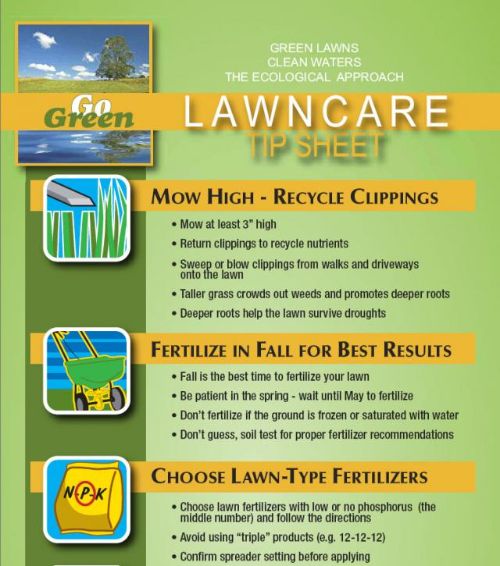
The Importance of Proper Lawn Fertilization
Your lawn is a living organism that needs food to thrive. Fertilizers provide essential nutrients that grass plants need to grow strong roots, develop dense foliage, and resist diseases, pests, and environmental stresses like drought. Think of fertilizer as food for your grass. It’s not just about making it look green; it’s about building a resilient and healthy ecosystem under your feet.
Why Fertilize?
- Nutrient Supply: Over time, essential nutrients like nitrogen, phosphorus, and potassium get depleted from the soil as grass grows and is mowed. Fertilizers replenish these vital elements.
- Growth and Vigor: Fertilizers promote robust growth, leading to a thicker, more uniform lawn. This density helps crowd out weeds.
- Color Enhancement: Healthy grass with adequate nutrients has a rich, deep green color.
- Stress Resistance: A well-fed lawn is better equipped to handle the challenges of heat, drought, foot traffic, and disease.
- Root Development: Certain nutrients encourage deep root growth, which is crucial for water and nutrient uptake, especially during dry periods.
Decoding Your Lawn’s Needs: Grass Types and Climate
The ideal lawn fertilizer frequency depends heavily on the type of grass you have and the climate you live in. Different grasses have different growth cycles and nutrient requirements.
Cool-Season Grasses
These grasses thrive in cooler temperatures and include types like:
- Kentucky Bluegrass: Known for its beautiful blue-green color and fine texture.
- Perennial Ryegrass: Offers quick establishment and good wear tolerance.
- Tall Fescue: A more drought-tolerant option with a coarser texture.
- Fine Fescues: A group including creeping red, chewings, and hard fescues, often used in shaded areas.
Cool-season grasses have their primary growth spurt in the spring and fall. They tend to go dormant or semi-dormant during the hot summer months.
Warm-Season Grasses
These grasses flourish in warmer temperatures and include types like:
- Bermuda Grass: Aggressive grower, very heat and drought tolerant.
- Zoysia Grass: Slower growing but forms a dense, weed-resistant turf.
- Centipede Grass: Low maintenance, prefers sandy soils and acidic conditions.
- St. Augustine Grass: Wide-bladed grass, good for warmer coastal regions.
Warm-season grasses go dormant and turn brown in the winter. Their peak growth occurs in the summer.
Climate’s Role
Your local climate dictates the length and intensity of growing seasons and periods of stress for your lawn.
- Northern Climates: Dominated by cool-season grasses, with fertilization focused on spring and fall. Summer fertilization might be limited or avoided to prevent stress.
- Southern Climates: Often feature warm-season grasses, with fertilization timed for their active growing periods in late spring and summer.
- Transitional Zones: These areas can have both cool- and warm-season grasses, requiring careful timing to avoid fertilizing when either type is stressed or dormant.
Crafting Your Lawn Fertilization Schedule
A well-planned fertilizer application schedule ensures your lawn gets nutrients when it can best utilize them. This often involves a few key applications throughout the year.
Spring Lawn Fertilization
Spring is a critical time for cool-season grasses. After a long winter, they need a boost to recover and start their active growth phase.
- Timing: Aim for spring lawn fertilization when the grass begins to green up and actively grow. This is typically in March or April in many cool-season regions.
- Nutrient Focus: A balanced fertilizer, or one slightly higher in nitrogen, is beneficial. Nitrogen promotes leafy growth and greening.
- Avoid Over-fertilizing: Do not apply fertilizer too early, before the grass is actively growing, as it can be wasted or washed away. Also, avoid fertilizing heavily once the intense heat of summer approaches.
For warm-season grasses in spring, fertilization should wait until they have fully greened up and are actively growing, usually in late spring or early summer.
Summer Lawn Fertilization
Summer can be a stressful period for lawns, especially in hot climates.
- Cool-Season Grasses: Summer lawn fertilization for cool-season grasses is generally not recommended unless you use a slow-release fertilizer formulated for summer or if your grass is a more heat-tolerant variety. High nitrogen fertilization during peak heat can stress the grass and increase disease risk. If you must fertilize, choose a low-nitrogen, slow-release product in early summer.
- Warm-Season Grasses: This is prime time for warm-season grasses. Fertilize them throughout the summer as they actively grow. Aim for applications every 6-8 weeks during their peak growth period.
Fall Lawn Fertilization
Fall is arguably the most important fertilization period for cool-season grasses. This is when they store energy for winter and prepare for spring growth.
- Timing: Apply fertilizer in early to mid-fall, typically September or October in cooler regions. This is after the heat of summer and before the ground freezes.
- Nutrient Focus: Fertilizers with a higher proportion of potassium are beneficial in the fall, as potassium helps with winter hardiness and root development. Nitrogen is still important for growth and color.
- Avoid Late Fall Fertilization: Fertilizing too late in the fall, close to when the ground freezes, can stimulate growth that won’t harden off and will be damaged by frost.
For warm-season grasses, the last fertilization should occur in mid-to-late summer, allowing them to prepare for dormancy without stimulating new growth that will be killed by frost.
Winter Lawn Fertilization
Generally, no fertilization is needed or recommended during the winter months when grass is dormant.
How Often To Feed Grass: A General Guideline
Let’s break down the lawn fertilizer frequency based on common scenarios. This is a general guide, and you should always adjust based on your specific lawn’s condition and your local recommendations.
Cool-Season Grasses
- Spring: 1 application (late spring, once growth is active)
- Summer: 0-1 application (optional, very light, slow-release if necessary)
- Fall: 2 applications (early fall and mid-fall)
This leads to a fertilizer application schedule of roughly 3-4 applications per year.
Warm-Season Grasses
- Spring: 0-1 application (wait until fully green and actively growing)
- Summer: 2-3 applications (spread throughout the active growing season)
- Fall: 0 applications (last fertilization in late summer)
This results in a fertilizer application schedule of typically 2-3 applications per year.
Fertilizing New Lawns
When to fertilize new lawn requires patience. A newly seeded or sodded lawn needs time to establish its root system.
- Seeded Lawns: Wait until the grass has been mowed at least twice. This is usually 4-6 weeks after germination. Use a starter fertilizer, which is formulated to promote root growth.
- Sodded Lawns: You can usually fertilize sodded lawns about 2-3 weeks after installation, or as recommended by the sod supplier. Again, a starter fertilizer is ideal.
For subsequent fertilizations of a new lawn, follow the schedule appropriate for your grass type, but perhaps start with fewer applications in the first year to avoid stressing young grass.
Types of Fertilizers and Their Application
Understanding the numbers on a fertilizer bag is crucial for effective lawn care calendar planning.
N-P-K Ratio
Fertilizer bags display three numbers, representing the percentage by weight of nitrogen (N), phosphorus (P), and potassium (K).
- Nitrogen (N): Promotes leafy green growth. It’s often the most needed nutrient.
- Phosphorus (P): Essential for root development, flowering, and fruiting. Many established lawns have sufficient phosphorus, and excessive use can harm waterways. Some regions restrict phosphorus in lawn fertilizers. Always check local regulations.
- Potassium (K): Improves overall plant health, stress tolerance (drought, heat, cold), and disease resistance.
Fertilizer Release Types
- Quick-Release Fertilizers: Provide a rapid green-up but can burn the lawn if over-applied and require more frequent applications.
- Slow-Release Fertilizers: Release nutrients gradually over several weeks or months. These are generally safer, provide more consistent growth, and are ideal for reducing the risk of fertilizer burn and nutrient runoff. Look for terms like “slow-release,” “controlled-release,” “water-insoluble nitrogen (WIN),” or specific coating technologies (e.g., polymer-coated urea).
Application Methods
- Granular Fertilizers: Applied using a spreader (broadcast or drop spreader). Ensure even coverage to avoid striping or burning.
- Liquid Fertilizers: Mixed with water and applied with a hose-end sprayer. They provide a quick green-up but can be more prone to burning if not applied correctly.
Best Practices for Lawn Fertilization
Following these best practices will ensure your fertilizer application schedule is successful.
Test Your Soil
Before you fertilize, consider getting a soil test. This is done through your local cooperative extension office. A soil test will tell you the exact nutrient levels in your soil and its pH. This information is invaluable for choosing the right fertilizer and avoiding unnecessary applications, especially of phosphorus.
Read the Label
Always read and follow the instructions on the fertilizer bag. Pay close attention to the recommended application rates and any specific instructions for your grass type and region.
Apply When Grass is Dry, Then Water
Apply granular fertilizer to a dry lawn. This prevents fertilizer granules from sticking to the grass blades and burning them. After application, water your lawn thoroughly. This helps the fertilizer dissolve and move into the soil, and it washes any stray granules off the grass blades.
Use a Calibrated Spreader
Ensure your spreader is calibrated correctly. Overlapping passes or setting the spreader too high can lead to over-fertilization in certain areas, causing streaks of darker green grass or even fertilizer burn.
Avoid Fertilizing Dormant Grass
Do not fertilize grass that is dormant due to heat or drought. It cannot effectively use the nutrients, and you risk burning the grass or wasting fertilizer.
Timing is Everything
Adhere to the best time to fertilize lawn based on your grass type and climate. Spring lawn fertilization and fall lawn fertilization are typically the most impactful for cool-season grasses. For warm-season grasses, summer is key.
Clean Up Spills
If you spill fertilizer on sidewalks or driveways, sweep it up immediately and return it to the lawn or spreader. Fertilizer left on hard surfaces can be washed into storm drains, contributing to water pollution.
Consider Organic Options
Organic fertilizers, such as compost or manure, improve soil structure and release nutrients slowly. While they might not provide as rapid a green-up as synthetic fertilizers, they contribute to long-term soil health.
Creating Your Lawn Care Calendar
A lawn care calendar helps you stay on track with all your lawn maintenance tasks, including fertilization. Here’s a sample calendar for a cool-season lawn:
| Month | Primary Tasks | Notes |
|---|---|---|
| March | Light raking, begin monitoring for active growth. | If grass is actively growing and greening up, consider the first fertilization. |
| April | Spring lawn fertilization (if not done in March), begin mowing as needed, weed control if necessary. | Use a fertilizer with balanced N-P-K or slightly higher nitrogen. |
| May | Continue mowing, aerate if needed (especially for compacted soils), spot treat weeds. | Avoid heavy fertilization as summer heat approaches. |
| June | Mow regularly, water deeply and infrequently if needed, consider a very light, slow-release fertilization if grass shows signs of stress. | Summer lawn fertilization is generally discouraged for cool-season grasses, but if necessary, use a low-N, slow-release product. |
| July | Mow, water as needed, monitor for pests and diseases. | Continue to avoid heavy fertilization. |
| August | Mow, water as needed, prepare for fall applications. | Keep an eye on soil moisture. |
| September | Fall lawn fertilization (early fall application), begin overseeding if desired, aeration if not done earlier. | This is a crucial feeding. Use a fertilizer with a good balance of N and K. |
| October | Fall lawn fertilization (mid-fall application), continue mowing until growth stops. | This second fall feeding helps build root strength for winter. |
| November | Final mow, clear leaves. | Do not fertilize. |
| December | Dormant. | No lawn care required. |
For warm-season grasses, the calendar would shift dramatically to focus on late spring and summer.
Common Mistakes to Avoid
Even with a schedule, some common mistakes can hinder your efforts.
- Over-fertilizing: This is perhaps the most common mistake. It leads to weak, floppy growth, increased susceptibility to disease, and can burn the lawn.
- Fertilizing Dormant Grass: Applying fertilizer when the grass isn’t actively growing is wasteful and can be harmful.
- Ignoring Soil Tests: Guessing nutrient needs is inefficient. A soil test provides precise guidance.
- Improper Spreader Calibration: Uneven application leads to patchy results and potential damage.
- Fertilizing Before Rain: If heavy rain is expected, it’s better to wait until after the rain to fertilize, or water it in immediately after application to prevent runoff.
- Applying Fertilizer to Bare Soil: Never apply fertilizer directly to bare soil, especially without watering it in.
Frequently Asked Questions (FAQ)
Q1: What is the best time to fertilize my lawn?
The best time depends on your grass type. For cool-season grasses, early spring and early fall are ideal. For warm-season grasses, late spring through summer is best.
Q2: How often should I fertilize my lawn?
Most cool-season lawns need 2-4 applications per year, while warm-season lawns typically require 1-3 applications.
Q3: Can I fertilize my lawn when it’s dormant?
No, you should not fertilize dormant grass. The grass cannot absorb the nutrients, leading to waste and potential damage.
Q4: What does the N-P-K on a fertilizer bag mean?
N-P-K stands for Nitrogen, Phosphorus, and Potassium, which are the three primary macronutrients essential for plant growth. The numbers represent the percentage by weight of each nutrient.
Q5: When to fertilize new lawn?
For new lawns, wait until the grass has been mowed at least twice (for seed) or a few weeks after sod installation. Use a starter fertilizer formulated for new grass.
Q6: How do I know if my lawn needs fertilizer?
Signs include slow growth, thin turf, yellowing or pale green color, and increased susceptibility to weeds and diseases. A soil test is the most accurate way to determine nutrient deficiencies.
Q7: Is it bad to fertilize in the summer?
For cool-season grasses, fertilizing heavily in the summer can cause stress and increase disease risk. Use light, slow-release applications if necessary. Warm-season grasses thrive on summer fertilization.
Q8: What is a good fertilizer for fall?
For fall, consider a fertilizer with a higher potassium content to help the grass prepare for winter dormancy and improve root health. Nitrogen is also beneficial for continued growth before winter.
By following this comprehensive guide, you can establish a reliable lawn fertilization schedule that promotes a healthy, beautiful, and resilient lawn throughout the seasons. Remember to adapt these general guidelines to your specific grass type, climate, and soil conditions for the best results.