
When should you replace lawn mower blades? You should replace lawn mower blades when they become significantly dulled, bent, or chipped, which typically happens after 25-50 hours of use or at least once a year. This guide will help you determine the right time to swap out your mower blades for optimal lawn care.
A sharp, well-maintained mower blade is crucial for a healthy and attractive lawn. Dull blades tear grass, creating ragged edges that invite disease and pests. Replacing your mower blades regularly is a cornerstone of good lawn mower maintenance schedule. This guide will delve into everything you need to know about mower blade replacement frequency, signs of dull mower blades, and how to keep your mower running smoothly.
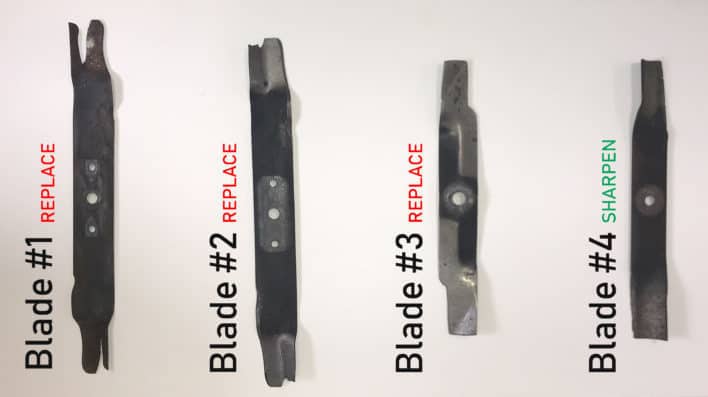
Image Source: minnesotaequipment.com
The Importance of Sharp Mower Blades
Think of your lawn mower blades as sharp knives for your grass. When they’re sharp, they make a clean cut, leaving a smooth, healthy surface. When they’re dull, they rip and tear the grass. This is like chewing with your mouth open instead of taking a clean bite.
Signs of Dull Mower Blades
Recognizing the signs of dull mower blades is key to preventing lawn damage. Don’t wait until your lawn looks terrible to act.
- Ragged or Torn Grass Tips: The most obvious sign is a lawn that looks brown or yellowish at the top. This is because the grass blades are being torn, not cut cleanly.
- Uneven Cutting: If your lawn looks like it’s been mowed with a blunt object, your blades are likely dull. You might see “streaks” of longer grass or an overall uneven appearance.
- Increased Grass Stress: Dull blades stress the grass, making it more vulnerable to diseases, pests, and drought.
- More Effort to Mow: You might notice that your mower struggles to cut, even in thinner grass. You may have to push harder or slow down considerably.
- Visible Nicks or Bends: If you inspect your blades, you might see chips, nicks, or bends, especially after hitting rocks or debris.
Impact of Dull Mower Blades
Mowing with dull blades can have a significant negative impact on your lawn’s health and appearance.
- Disease and Pests: Torn grass blades create openings for fungi and diseases to enter the plant. Stressed grass is also more attractive to certain insect pests.
- Slowed Growth: The damage from dull blades can hinder the grass’s ability to grow properly, leading to a thinner, less dense lawn.
- Poor Water Retention: Damaged grass loses moisture more easily, making your lawn more susceptible to browning during dry spells.
- Unattractive Appearance: A lawn mowed with dull blades simply doesn’t look good. The ragged edges and uneven cut detract from the overall beauty of your yard.
How Often Should You Replace Lawn Mower Blades?
The frequency of mower blade replacement varies depending on several factors. It’s not a one-size-fits-all answer.
Factors Influencing Mower Blade Lifespan
Several elements contribute to how long your mower blades will last and how often you’ll need to consider sharpening lawn mower blades or replacing them entirely.
- Grass Type and Density: Cutting thick, dense grass puts more strain on blades than cutting fine, sparse grass.
- Mowing Frequency: If you mow your lawn very often, your blades will wear out faster.
- Yard Conditions: Mowing through sandy soil, areas with a lot of rocks, or debris will dull blades much quicker than mowing a clean, smooth lawn.
- Blade Quality: Higher-quality blades made from tougher steel alloys tend to last longer and hold an edge better.
- Maintenance Practices: Regular cleaning and proper storage can extend the life of your blades.
Typical Mower Blade Replacement Frequency
While there’s no exact number, here’s a general guideline for mower blade replacement frequency:
- Residential Use: For the average homeowner mowing a typical suburban lawn, replacing blades every 50-100 hours of use is a good benchmark. This often translates to once or twice a year.
- Heavy Use: If you have a large property, mow frequently, or encounter tough conditions, you might need to replace blades more often, perhaps every 25-50 hours of use.
- Commercial Use: Professional landscapers who mow many hours daily will need to replace or sharpen blades much more frequently, potentially daily or weekly depending on conditions.
When to Change Mower Blades: More Than Just Hours
While hours of use are a good starting point, always rely on the visual and performance cues mentioned earlier.
Signs Indicating Replacement is Necessary
Beyond the general usage guidelines, here are specific indicators that it’s time to change your mower blades:
- Visible Damage: If you notice significant nicks, chips, bends, or cracks on the blades, it’s time for replacement. Such damage can cause imbalance and further harm your mower.
- Inability to Sharpen: If you’ve sharpened your blades multiple times and they are becoming very thin or worn down, their cutting efficiency is compromised.
- Consistent Poor Cut Quality: Even after sharpening, if you continue to see ragged edges or an uneven cut, the blades might be beyond their usable life.
- Vibration: Severely bent or unbalanced blades can cause excessive vibration during operation. This is a serious sign that needs immediate attention.
Best Time to Replace Lawn Mower Blades
The best time to replace lawn mower blades is often during your off-season or before the start of the main mowing season.
- Spring Preparation: Replacing blades in early spring ensures you start the mowing season with sharp, efficient cutting tools. This is a proactive approach to maintaining your lawn’s health from the get-go.
- Fall Cleanup: Some people prefer to replace blades in the fall after the final mow. This way, the mower is ready to go with fresh blades for the following spring.
- During Maintenance: If you’re already performing other lawn mower maintenance schedule tasks, like oil changes or air filter replacements, it’s an ideal time to inspect and potentially swap out your blades.
Sharpening Lawn Mower Blades vs. Replacing Them
This is a common question for many lawn owners. Both have their place in blade care.
The Art of Sharpening Lawn Mower Blades
Sharpening lawn mower blades is a cost-effective way to maintain their cutting edge.
Benefits of Sharpening
- Cost Savings: Sharpening is cheaper than buying new blades.
- Extends Blade Life: It allows you to get more use out of your existing blades.
- Improves Cut Quality: Sharp blades provide a cleaner cut, promoting better lawn health.
When Sharpening is Appropriate
Sharpening is ideal when blades are:
- Slightly dull but not significantly damaged.
- Showing signs of wear but still have enough material left for a good edge.
- You are on a regular maintenance schedule.
Lawn Mower Blade Sharpening Tips
- Use the Right Tools: A metal file, bench grinder, or blade sharpening attachment for a drill can be used. Always use a file or grinder that moves away from the cutting edge.
- Maintain the Angle: Most mower blades have a specific angle (usually 30-45 degrees). Try to maintain this angle when sharpening.
- Balance the Blade: After sharpening, it’s crucial to balance the blade. An unbalanced blade will cause vibration and damage your mower. Use a blade balancer tool.
- Wear Safety Gear: Always wear safety glasses and gloves when handling and sharpening mower blades.
When Replacement is the Better Option
There are times when simply sharpening isn’t enough, and replacement is the better choice.
Reasons to Replace Blades
- Severe Damage: Bent, cracked, or heavily chipped blades should always be replaced. Trying to sharpen damaged blades is ineffective and dangerous.
- Excessive Wear: If blades are significantly worn down after multiple sharpenings, they may be too thin to provide a proper cut or hold an edge effectively.
- Warping: If a blade has been severely bent from hitting an object, it might be warped, leading to imbalance.
Can I Sharpen a Lawn Mower Blade Myself?
Yes, you can sharpen a lawn mower blade yourself with the right tools and a bit of practice. However, for severely damaged blades or if you’re unsure, professional sharpening or replacement is recommended.
Your Lawn Mower Maintenance Schedule: Incorporating Blade Care
A comprehensive lawn mower maintenance schedule should always include blade inspection and care.
Regular Blade Inspection
Make it a habit to visually inspect your mower blades:
- After Mowing in Rough Conditions: If you hit a rock or hard object, stop immediately and check your blades.
- Before and After Storage: Inspect blades before putting the mower away for the season and again before starting it up in the spring.
- Monthly (During Mowing Season): A quick visual check once a month can catch problems early.
Cleaning Blades
After mowing, especially in wet conditions, clean grass clippings and debris from the blades. This prevents rust and corrosion, which can weaken the metal.
Safety First: Removing Blades
Always disconnect the spark plug wire before attempting to remove or work on the mower blades. This prevents accidental starting.
Steps for Safe Blade Removal
- Disconnect Spark Plug: This is the most critical safety step.
- Tilt Mower: Tilt the mower so the carburetor and air filter are facing upwards to prevent oil or fuel leaks.
- Secure the Blade: Use a block of wood to prevent the blade from turning when you loosen the bolt.
- Loosen the Bolt: Use a socket wrench to turn the bolt counter-clockwise.
- Remove Blade: Carefully remove the blade, noting its orientation.
Reinstalling Blades
When reinstalling or installing new blades, ensure they are oriented correctly (usually with the “lift” or “airfoil” side facing upwards) and that the mounting bolt is tightened securely.
Choosing the Right Replacement Blades
When it’s time for new blades, selecting the correct ones is important.
Blade Types and Compatibility
- OEM Blades: Original Equipment Manufacturer (OEM) blades are made to the exact specifications of your mower model. They are usually the safest bet for proper fit and performance.
- Aftermarket Blades: Many reputable companies produce aftermarket blades. Look for brands known for quality and ensure they are compatible with your specific mower model. Check the length, hole size, and any specific features.
When to Consider Upgraded Blades
- High-Lift Blades: These create a stronger vacuum, which can be beneficial for collecting grass clippings and leaves, especially in softer grass.
- Mulching Blades: Designed with more curves and cutting surfaces to chop grass into very fine pieces that decompose quickly back into the lawn.
- All-Season Blades: Some blades are designed for better performance in various conditions, from cutting thick summer grass to mulching leaves in the fall.
Frequently Asked Questions About Lawn Mower Blades
Here are some common questions related to mower blade replacement and maintenance.
Q1: How do I know if my lawn mower blades are dull?
A1: Look for ragged, torn, or yellowish grass tips after mowing. You might also notice an uneven cut or hear the mower struggling more than usual.
Q2: Can I sharpen my lawn mower blades with a grinder?
A2: Yes, you can use a bench grinder or an angle grinder with a grinding wheel. However, be careful not to overheat the blade (which can ruin its temper) and always maintain the correct angle. Using a file is often safer for beginners.
Q3: How often should I sharpen lawn mower blades?
A3: It depends on usage, but a good rule of thumb is to sharpen them at least once a year, or more often if you mow frequently or in challenging conditions. Sharpening every 25 hours of mowing is a common recommendation.
Q4: What happens if I mow with bent lawn mower blades?
A4: Mowing with bent blades can cause severe vibration, leading to damage to the mower’s engine and deck. It also results in a poor cut and can stress your lawn. Bent blades should be replaced immediately.
Q5: Is it safe to remove lawn mower blades myself?
A5: Yes, it is safe if you follow proper safety precautions. Always disconnect the spark plug wire first, tilt the mower correctly, and use a block of wood to secure the blade while loosening the bolt.
Q6: How do I balance my lawn mower blade after sharpening?
A6: After sharpening, use a blade balancer tool. This tool helps you find the heavier side of the blade. You then grind away a small amount of metal from the heavier side until the blade balances evenly.
Q7: What’s the difference between high-lift and mulching blades?
A7: High-lift blades have angled ends that create a stronger suction, good for bagging clippings and leaves. Mulching blades have a more curved design with extra cutting surfaces to chop grass into fine pieces for mulching.
Conclusion
Maintaining sharp and well-balanced lawn mower blades is essential for a healthy, beautiful lawn and for the longevity of your mower. By paying attention to the signs of dullness, following a regular lawn mower maintenance schedule, and knowing when to opt for sharpening lawn mower blades versus replacement, you can ensure your mower performs at its best. Remember that mower blade lifespan is influenced by many factors, so regular inspection and proactive care are your best allies in achieving a perfect cut, season after season.