
Can you water your lawn every day in 100-degree weather? While frequent watering might seem intuitive, it’s not always the best approach for lawn health during extreme heat. The ideal lawn watering frequency in 100-degree weather depends on several factors, including grass type, soil, and overall climate. This guide will help you navigate lawn care extreme heat to keep your grass healthy and vibrant.
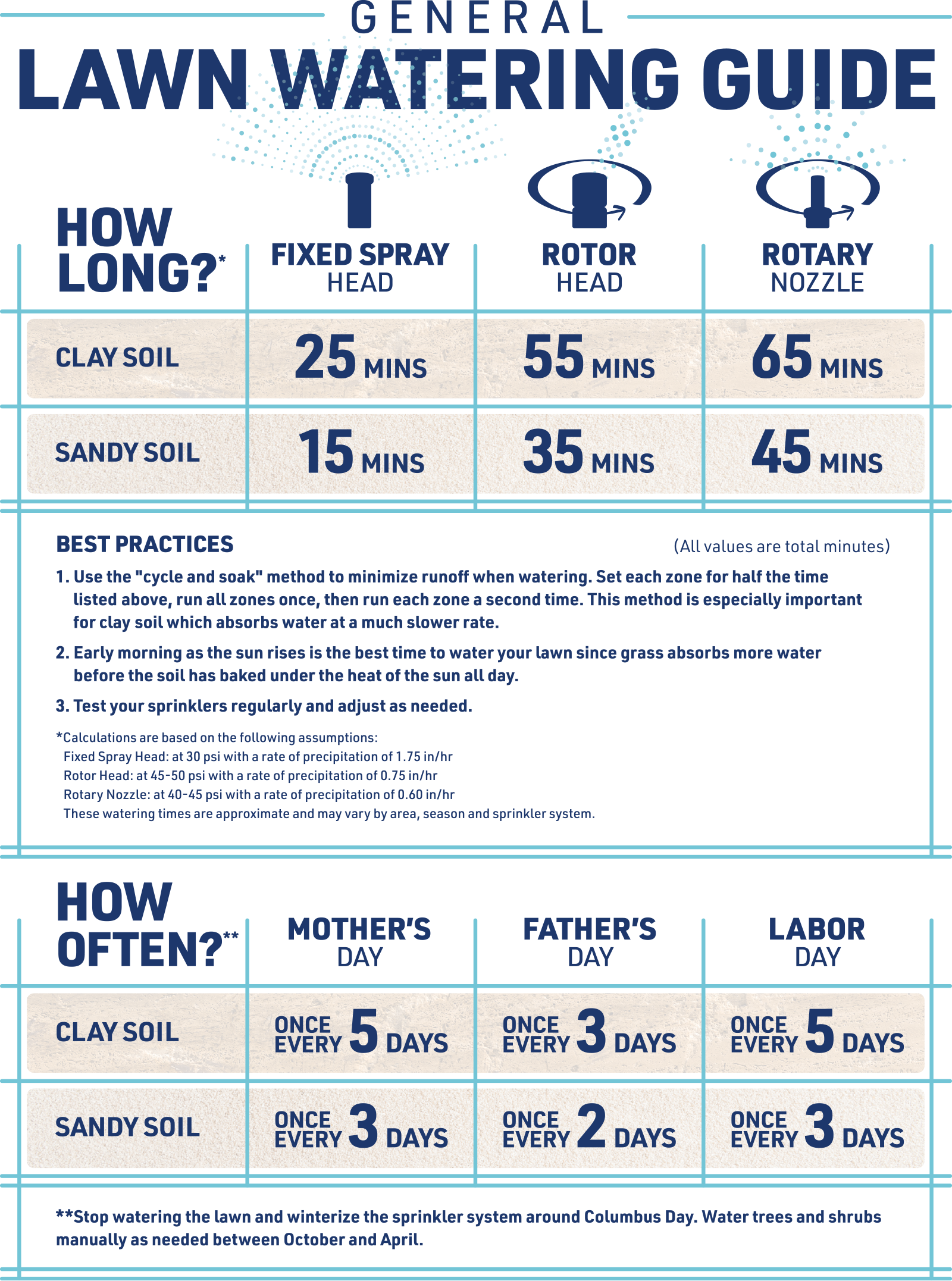
Image Source: grow.ifa.coop
The Challenge of 100-Degree Heat for Your Lawn
When temperatures soar to 100 degrees Fahrenheit and beyond, your lawn faces significant challenges. Grass, like all living things, needs water to survive. However, extreme heat accelerates water loss through evaporation from both the soil surface and the grass blades themselves. This can quickly lead to heat stress lawn conditions, characterized by wilting, browning, and even death if not managed properly.
Why Heat is So Tough on Grass
- Evaporation: High temperatures cause water to turn into vapor and escape into the air at a much faster rate. This means the water you apply to your lawn can disappear before it even soaks into the ground.
- Transpiration: Grass plants release water vapor through tiny pores in their leaves, a process called transpiration. During intense heat, they transpire more to cool themselves, but this also uses up their internal water reserves quickly.
- Root Zone Drying: As the surface dries out, the moisture deeper in the soil is also drawn up and used by the grass. If the soil doesn’t get a chance to rehydrate, the roots can struggle to find water.
Recognizing Signs of Heat Stress
It’s crucial to spot the early signs of heat stress lawn before it becomes severe. Look out for:
- Wilting Grass: This is the most obvious sign. Grass blades will start to curl or fold inwards, giving the lawn a grayish-blue or dull appearance. This is your lawn’s way of conserving moisture.
- Footprints Remain: If you walk across your lawn and the grass blades don’t spring back up, it’s a strong indicator of dehydration.
- Color Changes: The vibrant green color will start to fade. You might see patches of yellow or brown appearing, especially in areas that receive more direct sun or have less robust root systems.
- Rolled Leaf Blades: Individual blades of grass might curl or roll up to reduce their surface area exposed to the sun.
Best Practices for Watering in Extreme Heat
When the mercury hits 100 degrees, your watering schedule needs to be adjusted to combat the intense heat. The goal is to deliver water efficiently to the root zone, where it can be absorbed by the grass.
Best Time to Water Lawn
The best time to water lawn during hot weather is early in the morning. Aim for between 4 AM and 9 AM.
Why Early Morning is Ideal:
- Reduced Evaporation: Temperatures are cooler, and there’s less wind, meaning more water reaches the soil and root zone instead of evaporating into the air.
- Less Disease Risk: Watering in the morning allows the grass blades to dry off before nightfall. Wet foliage overnight can encourage fungal diseases. Watering in the evening, especially when temperatures are high, can also lead to faster evaporation and potentially stress the grass by keeping it wet when it needs to respire.
- Water Pressure: Water pressure is often higher in the early morning, ensuring better coverage from your sprinklers.
When to Avoid Watering:
- Midday: Avoid watering between 10 AM and 6 PM. The sun is strongest, and temperatures are highest, leading to maximum evaporation. Most of the water will simply evaporate before it can benefit your lawn.
- Late Evening: While better than midday, watering too late in the evening can leave grass blades wet overnight, which can promote disease.
The Principle of Deep Watering Lawn
In 100-degree weather, the most effective strategy is deep watering lawn. This means providing a large amount of water less frequently, encouraging grass roots to grow deeper into the soil. Deeper roots are better able to access moisture, making your lawn more resilient to heat and drought.
How Deep Watering Works:
- Encourages Root Growth: When you water deeply, the soil becomes saturated. Grass roots will then grow downwards in search of this moisture, extending their reach into cooler, moister soil layers.
- Reduces Surface Evaporation: By watering less often but more thoroughly, you minimize the surface area of the soil that is exposed to dry air and intense sun for extended periods.
- Improves Drought Tolerance: A lawn with a deep root system is significantly more capable of withstanding dry spells and high temperatures.
Determining How Much Water Your Lawn Needs
The general rule of thumb for lawn watering frequency is to provide about 1 to 1.5 inches of water per week, whether from rain or irrigation. During 100-degree weather, you might need to adjust this slightly, but the principle of deep watering remains key.
Measuring Water Application:
The most accurate way to know how much water you’re applying is to use a rain gauge or a tuna can. Place them on your lawn before you start watering. Time how long it takes for the gauge or can to collect about 1 inch of water. This will give you a good estimate of how long to run your sprinklers for each watering session.
- Light Rainfall: If you have a sprinkler system, you can test it by placing empty tuna cans or similar containers around your yard. Run your sprinklers for a set amount of time (e.g., 15 minutes). Then, measure the amount of water in each can. Average the results to determine your sprinkler’s application rate.
- Application Rate Example: If your sprinklers put out 0.25 inches of water every 15 minutes, you would need to run them for 1 hour to deliver 1 inch of water.
Adjusting Your Watering Schedule for Heat
In 100-degree weather, you might need to water more frequently than usual, but still adhere to deep watering principles. Instead of watering lightly every day, aim for a deep watering every 2-3 days, or even less if you have a drought tolerant grass type.
Sample Watering Schedule for 100-Degree Heat:
This is a general guideline and may need to be adjusted based on your specific lawn and conditions.
| Day | Watering Frequency | Duration per Session | Notes |
|---|---|---|---|
| 1 | Deep Watering | 45-60 minutes | Early morning (4-9 AM) |
| 2 | No Watering | Allow soil to dry slightly on the surface | |
| 3 | Deep Watering | 45-60 minutes | Early morning (4-9 AM) |
| 4 | No Watering | ||
| 5 | Deep Watering | 45-60 minutes | Early morning (4-9 AM) |
Important Considerations:
- Observe Your Lawn: Pay close attention to your grass. If you see signs of wilting or heat stress lawn, you may need to water slightly more often.
- Soil Type: Sandy soils drain faster and may require more frequent watering than clay soils, which retain moisture longer.
- Grass Type: Some grasses are naturally more drought tolerant grass varieties. Knowing your grass type is crucial.
Strategies for Enhancing Lawn Hydration and Resilience
Beyond simply watering more, several other lawn hydration tips can help your grass survive and thrive in extreme heat.
Aeration for Better Water Penetration
Aerating your lawn, especially before or during periods of extreme heat, can significantly improve how well water penetrates the soil. Compacted soil prevents water from reaching the roots.
Benefits of Aeration:
- Loosens Soil: Creates small holes that allow water, air, and nutrients to reach the root zone more easily.
- Reduces Runoff: Helps water soak into the ground rather than running off the surface.
- Improves Root Growth: Encourages deeper and stronger root development.
Overseeding with Drought-Tolerant Grasses
If you live in an area that frequently experiences extreme heat and drought, consider overseeding your lawn with drought tolerant grass varieties.
Popular Drought-Tolerant Grasses:
- Bermuda Grass: Very heat and drought tolerant, thrives in full sun.
- Zoysia Grass: Once established, it’s quite drought tolerant and can withstand heat well.
- Tall Fescue (some varieties): Newer, improved varieties of tall fescue have better drought and heat tolerance than older types.
- Centipede Grass: Tolerates heat and humidity, but prefers slightly acidic soil.
Mowing Height and Frequency
Adjusting your mowing practices can also help your lawn stay hydrated.
- Mow Higher: Raise your mower blade to a higher setting. Taller grass blades provide more shade to the soil, reducing evaporation and keeping the root zone cooler. Aim for 3-4 inches for most cool-season grasses and 1-2 inches for warm-season grasses.
- Mow Less Frequently: During extreme heat, allow your grass to grow a bit taller between mows. This reduces stress on the grass blades and conserves moisture.
- Keep Blades Sharp: Dull mower blades can tear grass blades, creating wounds that lose more moisture and are more susceptible to disease.
Mulching and Soil Health
A healthy soil structure is fundamental to good water retention.
- Compost: Topdressing your lawn with a thin layer of compost can improve soil’s ability to hold moisture.
- Avoid Compaction: Try to limit foot traffic and heavy equipment use on your lawn during hot, dry periods, as this can compact the soil.
Supplemental Watering and Emergency Measures
Sometimes, even with the best watering schedule, your lawn might need extra help to survive extreme heat. This is where supplemental watering comes into play.
Hand Watering Problem Areas
If you notice particularly dry or wilting grass in specific spots, consider hand watering these areas with a hose and sprinkler or a watering wand. This allows you to deliver targeted moisture where it’s needed most.
Using Soaker Hoses or Drip Irrigation
For targeted watering, soaker hoses or drip irrigation systems can be very effective. They deliver water directly to the root zone with minimal loss to evaporation.
Recognizing When to Let Your Lawn Go Dormant
In prolonged periods of extreme heat and drought, it’s important to recognize that some grass types can go dormant. Dormancy is a natural survival mechanism where the grass essentially shuts down to conserve energy and water.
Signs of Dormancy:
- Color Change: The grass will turn brown or straw-colored.
- No Spring Back: Footprints will remain pressed into the lawn.
What to Do During Dormancy:
- Reduce Watering: Once your lawn is dormant, you can significantly reduce watering. You may only need to provide about 0.5 inches of water every 2-4 weeks to keep the crown and roots alive.
- Avoid Heavy Traffic: Do not walk on or use heavy equipment on dormant grass, as it is very fragile and easily damaged.
- Resume Watering: As temperatures cool and rainfall returns, your grass should begin to green up again.
Special Considerations for Different Grass Types
Your choice of grass significantly impacts its lawn watering frequency needs, especially in hot weather.
Cool-Season Grasses
- Examples: Kentucky Bluegrass, Perennial Ryegrass, Fine Fescues, Tall Fescue.
- Behavior in Heat: Cool-season grasses generally struggle in prolonged periods of 100-degree weather. They can go dormant or even die if not managed carefully.
- Watering Strategy: Deep watering is essential. Watering every 2-3 days might be necessary, but always monitor for signs of stress. Consider increasing mowing height significantly to provide shade. If prolonged drought and heat occur, allowing them to go dormant might be the best strategy to conserve water and prevent further damage.
Warm-Season Grasses
- Examples: Bermuda Grass, Zoysia Grass, St. Augustine Grass, Centipede Grass.
- Behavior in Heat: Warm-season grasses are adapted to heat and will actively grow during this time. They are generally more drought tolerant grass varieties.
- Watering Strategy: They still need regular watering to maintain their lushness and health during extreme heat. Deep watering every 3-5 days might be sufficient, depending on rainfall and soil. They are more resilient to going dormant than cool-season grasses but will still benefit from consistent moisture.
Frequently Asked Questions (FAQ)
Q1: How often should I water my lawn when it’s 100 degrees?
A1: In 100-degree weather, you should aim for deep watering lawn about every 2-3 days, or even less frequently if you have drought tolerant grass. The goal is to provide a large amount of water to encourage deep root growth rather than frequent shallow watering.
Q2: Is it okay to water my lawn every day in 100-degree heat?
A2: Watering every day can lead to shallow roots and increase the risk of fungal diseases, especially if the grass stays wet overnight. Deep, less frequent watering is generally a better approach.
Q3: What are the best times to water my lawn during extreme heat?
A3: The best time to water lawn is early in the morning, between 4 AM and 9 AM, to minimize evaporation and disease risk.
Q4: My grass is turning brown. Is it dead?
A4: Brown grass in 100-degree weather could be a sign of heat stress lawn or dormancy. If the grass is dormant, it is still alive, and will likely recover when temperatures cool and moisture returns. You can check by pulling on a few brown blades; if they resist and feel dry and brittle, it’s likely dormant or dead. If they still have some life or moisture, it might be dormancy.
Q5: What is supplemental watering?
A5: Supplemental watering refers to any additional watering beyond your regular watering schedule, typically applied to specific areas or during critical stress periods to help the lawn recover or survive.
Q6: How do I know if my grass needs water?
A6: Look for signs of wilting grass, such as folded or curled blades, or footprints that remain after walking on the lawn. A slight dulling of the color can also be an early indicator.
Q7: Can I water my lawn in the evening during a heatwave?
A7: While it’s better than midday, watering in the evening can leave grass blades wet overnight, increasing the risk of fungal diseases. Early morning is the preferred time.
Q8: What are some good drought tolerant grass options?
A8: Some excellent drought tolerant grass varieties include Bermuda Grass, Zoysia Grass, and certain improved varieties of Tall Fescue.
Q9: How does aeration help with watering in heat?
A9: Aeration loosens compacted soil, allowing water to penetrate more easily and reach the root zone, improving lawn hydration tips and overall resilience.
Q10: What is deep watering lawn?
A10: Deep watering lawn means applying enough water to moisten the soil several inches down, encouraging roots to grow deeper. This is typically done by watering for longer periods less frequently.
By following these guidelines and paying close attention to your lawn’s needs, you can effectively manage lawn watering frequency and protect your grass from the damaging effects of 100-degree weather. Remember that consistent observation and adaptation are key to successful lawn care extreme heat.