
So, how often should you water your lawn in Florida? Generally, you should aim to water your lawn deeply and infrequently, typically once or twice a week, depending on weather conditions and grass type.
Florida’s warm climate and sandy soils mean lawns often need more frequent watering than in cooler regions. However, overwatering can be just as damaging as underwatering, leading to shallow roots, increased disease susceptibility, and wasted water. This guide will help you establish a smart Florida lawn watering schedule that keeps your grass healthy and vibrant while adhering to local watering restrictions Florida might impose.
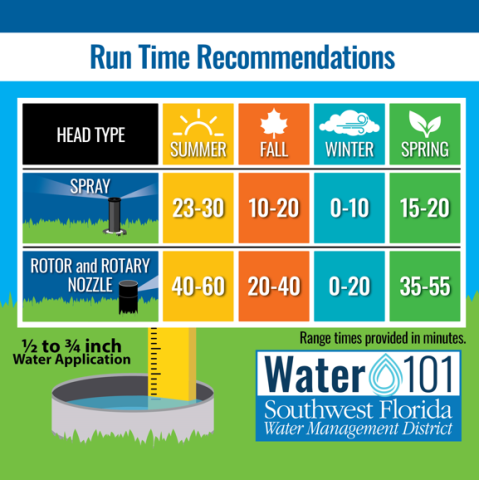
Image Source: www.swfwmd.state.fl.us
The Basics of Florida Lawn Watering
Watering your lawn isn’t just about keeping the grass green; it’s about promoting a deep, robust root system. Healthy roots anchor the grass, help it access nutrients, and make it more resilient to drought and pests.
Key Factors Influencing Watering Needs:
- Grass Type: Different grasses have varying water requirements. St. Augustine grass, a popular choice in Florida, has specific needs.
- Soil Type: Sandy soils drain quickly, meaning they may need more frequent watering than clay soils.
- Weather: Hot, dry, and windy conditions increase evaporation, requiring more frequent watering. Rainy periods mean you can skip watering.
- Sun Exposure: Lawns in full sun will dry out faster than those in shady areas.
- Season: Summer heat and potential drought mean more watering, while cooler, wetter winters usually require less.
- Age of Lawn: New lawns have different watering needs than established ones.
Deciphering Your Lawn’s Watering Needs
To water your lawn effectively, you need to know what your grass is telling you. Wilting, a bluish-gray tint, or footprints that remain visible long after you walk on the grass are all signs of thirst.
How to Water a New Lawn Florida
Watering a new lawn in Florida is different from maintaining an established one. The goal is to keep the shallow roots moist until they can grow deeper.
Steps for Watering a New Lawn:
- Initial Watering: Immediately after sodding or seeding, water the area thoroughly until the soil is moist about 3-4 inches deep.
- Frequent Light Watering: For the first week or two, water lightly once or twice a day, especially if it’s hot and dry. The goal is to keep the top inch of soil consistently moist.
- Gradually Reduce Frequency: As the grass establishes roots, gradually reduce the frequency of watering while increasing the duration. Aim to water every other day, then every third day, and so on.
- Deep Watering: Once the lawn is established (usually after 4-6 weeks), transition to the deep watering practices recommended for mature lawns.
Important Note: Avoid walking on a new lawn until it’s well-established, as the shallow roots can be easily damaged.
Watering Frequency for St. Augustine Grass Florida
St. Augustine grass is a common and beautiful lawn grass in Florida. It’s known for its shade tolerance and attractive appearance. However, it can be susceptible to various issues if not watered properly.
- Watering Frequency: For established St. Augustine grass, aim to water deeply once or twice a week. The actual frequency depends heavily on the weather. During prolonged dry spells or heatwaves, you might need to water twice a week. In cooler or rainy periods, once every 7-10 days or even less might suffice.
- Watering Duration: When you water, do so for a longer period to encourage deep root growth. This usually means running your sprinklers for 20-30 minutes per zone, or until about 1 inch of water has been applied.
- Signs of Stress: St. Augustine grass will show signs of thirst. Look for a bluish-gray color or wilting blades. Avoid waiting until the grass is severely stressed before watering.
Drought-Tolerant Lawn Watering Florida
Florida can experience periods of drought, making drought-tolerant lawn watering Florida practices essential. Many common Florida grasses are relatively drought-tolerant once established.
Tips for Drought-Tolerant Watering:
- Deep and Infrequent: This is the golden rule. Water deeply to encourage roots to grow down into the soil where moisture is more consistent.
- Allow Grass to Go Dormant: Most Florida grasses, when stressed by drought, will go dormant rather than die. Dormant grass may turn brown but will usually green up again once sufficient rainfall returns. Resist the urge to water constantly to keep it green during a drought.
- Reduce Fertilizer: Avoid fertilizing during drought conditions, as this encourages growth that requires more water.
- Mulch: Applying mulch to garden beds around your lawn helps retain soil moisture.
The Best Time to Water Lawn Florida
Timing your watering is crucial for efficiency and plant health. Watering at the right time minimizes evaporation and allows the grass to absorb water effectively.
Best Time to Water Lawn Florida:
The best time to water lawn Florida is early in the morning, typically between 4 AM and 10 AM.
Why early morning is best:
- Reduced Evaporation: Temperatures are cooler, and there is less wind, meaning more water reaches the soil and roots.
- Drying of Foliage: This timing allows the grass blades to dry off before nightfall. Wet foliage overnight can encourage fungal diseases.
- Water Pressure: Water pressure is generally higher in the early morning, leading to more efficient sprinkler performance.
What to Avoid:
- Midday: High temperatures and strong sunlight lead to significant water loss through evaporation.
- Evening/Night: Watering late in the evening or at night leaves the grass blades wet for extended periods, creating a favorable environment for fungal growth and diseases.
Deep Watering Florida Lawns
Deep watering Florida lawns is critical for establishing a strong root system that can withstand dry periods and heat. Shallow, frequent watering encourages roots to stay near the surface, making them more vulnerable to stress.
How to Achieve Deep Watering:
- Measure Your Water: Use a rain gauge or a tuna can to see how long it takes your sprinklers to deliver about 1 inch of water in a specific zone.
- Water Less Often, But Longer: Instead of watering for 10 minutes every day, water for 20-30 minutes once or twice a week (depending on conditions).
- Observe Your Lawn: Learn to read the signs your lawn gives you. If it looks stressed, it might need a watering.
- Adjust for Weather: If you’ve had significant rainfall, skip a scheduled watering. If it’s exceptionally hot and dry, you might need to water slightly more frequently.
Lawn Irrigation Needs Florida
Understanding lawn irrigation needs Florida requires looking at your specific sprinkler system and how it delivers water.
Irrigation System Checks:
- Even Coverage: Ensure your sprinklers are not watering the same spots repeatedly while missing others. Adjust sprinkler heads for even coverage.
- Proper Sprinkler Heads: Different sprinkler heads are designed for different watering patterns. Ensure you have the right types for your lawn.
- Zone Management: Group areas with similar watering needs together into irrigation zones. Don’t water a shady, cool-season grass area with the same schedule as a sunny, heat-loving area.
- System Leaks: Check for leaks in pipes and sprinkler heads, which waste water and money.
- Timer Settings: Regularly check and adjust your irrigation timer based on seasonal needs and rainfall.
Lawn Care Tips Florida Watering
Effective watering is just one part of good lawn care tips Florida watering. Here are other crucial tips:
- Mowing Height: Mow at the higher recommended height for your grass type. Taller grass shades the soil, keeping it cooler and reducing moisture loss.
- Aeration: Aerating your lawn helps water penetrate the soil more easily, especially in compacted areas.
- Soil Health: Healthy soil retains moisture better. Amend your soil with compost as needed.
- Fertilization: Fertilize at the appropriate times of the year for your grass type. Avoid fertilizing during extreme heat or drought.
- Weed Control: Weeds compete with your grass for water and nutrients. Manage them proactively.
- Pest and Disease Management: Healthy, properly watered lawns are less susceptible to pests and diseases.
Common Lawn Watering Mistakes Florida
Many Floridians make common errors that lead to unhealthy lawns and wasted water. Recognizing these mistakes is the first step to correcting them.
Common Lawn Watering Mistakes Florida:
- Shallow Watering: Watering for short durations frequently, leading to shallow root systems.
- Overwatering: Applying too much water, which can drown roots, encourage fungal diseases, and leach nutrients from the soil.
- Watering at the Wrong Time: Watering during the heat of the day or late at night.
- Ignoring Rainfall: Running sprinklers when it’s raining or has recently rained.
- Not Adjusting for Seasons: Using the same watering schedule year-round, regardless of weather or grass dormancy.
- Uneven Sprinkler Coverage: Having dry spots and overly wet spots due to poorly adjusted sprinklers.
- Watering Based on Appearance Only: Waiting until the grass looks visibly stressed to water, which means the lawn has already experienced damage.
Watering Restrictions Florida
Many Florida communities have watering restrictions Florida in place to conserve water, especially during dry seasons. These restrictions can vary by location and can change based on water supply levels.
What You Need to Know:
- Check Local Regulations: It is essential to know the specific watering days and times allowed in your city or county. These are often based on even or odd street addresses.
- Seasonal Restrictions: Restrictions are often stricter during the dry season (typically November through April) and may be eased during the wetter months.
- Penalties: Violating watering restrictions can result in fines.
- Rain Sensors and Smart Controllers: Some areas may offer exemptions or incentives for installing rain sensors or smart irrigation controllers that adjust watering based on weather data.
General Guidelines (Always verify with your local authority):
- Watering Days: Often limited to one to three days per week, depending on the location and time of year.
- Watering Times: Typically restricted to early morning hours (e.g., before 10 AM) and sometimes a limited window in the evening (though early morning is preferred).
- Watering Duration: There might be limits on how long you can water per session.
Frequently Asked Questions (FAQ)
Q1: How do I know if my lawn needs watering?
A1: Look for signs like a dull, bluish-gray color, wilting blades, or footprints that remain visible after you walk on the grass. You can also use a screwdriver or soil probe to check soil moisture; if it’s dry more than 2-3 inches down, it’s likely time to water.
Q2: Can I water my lawn with a hose if I don’t have sprinklers?
A2: Yes, you can water with a hose, but it’s much harder to ensure even coverage and deep watering. Move the hose around to cover different areas thoroughly. It’s more time-consuming but can be effective if done correctly.
Q3: My lawn has brown patches. Is it because I’m not watering enough?
A3: Brown patches can be caused by several issues, including underwatering, overwatering (leading to root rot), fungal diseases, pest infestations, or even pet urine. Assess other signs of stress and consider what else might be affecting your lawn.
Q4: Is it okay to water my lawn when it’s raining lightly?
A4: It’s generally not necessary to water when it’s raining. Even light rain may provide enough moisture. Your irrigation system’s rain sensor should prevent watering during rainfall. If you don’t have one, be sure to turn off your system manually when rain is in the forecast or occurring.
Q5: How much water does my lawn actually need?
A5: Most established Florida lawns benefit from about 1 to 1.5 inches of water per week, applied deeply and infrequently. The exact amount depends on grass type, soil, temperature, and rainfall.
By following these lawn care tips Florida watering, you can maintain a beautiful and healthy lawn while conserving precious water resources. Remember to always check your local watering restrictions and adapt your practices to the specific conditions of your lawn and the prevailing weather.