
When you overseed your lawn, how often should you water it? You should water newly overseeded grass lightly and frequently, usually two to three times a day, for the first two to three weeks. This ensures the top inch of soil stays consistently moist, which is crucial for germination and early growth.
Overseeding your lawn is a fantastic way to thicken it, fill in bare spots, and improve its overall health and appearance. However, the success of your overseeding efforts hinges significantly on proper watering. Getting the watering overseeded grass right is critical for seed germination and the establishment of new, healthy turf. This guide will delve into the intricacies of creating an effective overseeding lawn watering schedule, ensuring your new grass thrives. We’ll cover everything from new grass watering techniques to the best time to water overseeded lawn, and crucially, how much water for overseeded lawn is actually needed.
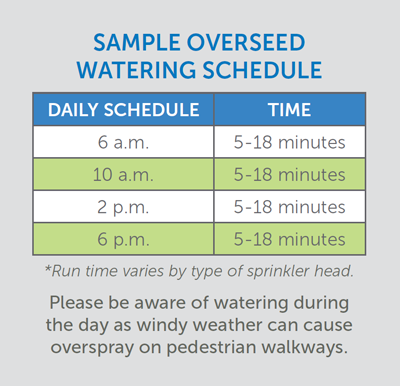
Image Source: www.brightview.com
The Critical Role of Moisture for New Seed
New grass seed has delicate needs. Unlike established turf, it lacks a developed root system. This makes it highly susceptible to drying out. The primary goal of watering new seed is to provide consistent moisture to the germination zone – typically the top half-inch to inch of soil.
Why Frequent Watering is Key
- Germination: Grass seeds need to absorb water to begin the germination process. If the seed dries out at any point during germination, it can die, and you’ll have to start over.
- Root Development: Initially, new grass seedlings send down shallow roots. Frequent, light watering encourages these roots to grow downwards in search of moisture, leading to a stronger, more resilient plant.
- Preventing Desiccation: The thin blades of new grass are easily damaged by drying winds or intense sunlight. Consistent moisture protects them.
This leads to the concept of frequent watering new grass. It’s not about drowning the seeds, but about maintaining a perpetual state of dampness in the crucial top layer of soil.
Understanding Dormant Grass Seed
Sometimes, you might be dealing with watering dormant grass seed. This refers to seeds that are present in the soil but haven’t germinated due to unfavorable conditions (like cold temperatures or lack of moisture). If you’re overseeding in a season where some seed might already be present but dormant, your watering strategy needs to be flexible. You still need to provide enough moisture to wake up and sustain germination when conditions become favorable.
Developing Your Overseeding Lawn Watering Schedule
Creating a successful overseeding lawn watering schedule is a balancing act. You want to keep the soil moist without waterlogging it, which can lead to fungal diseases and prevent oxygen from reaching the seeds and new roots.
Initial Watering After Overseeding
Immediately after spreading the seed, the first watering is crucial. This should be a thorough but gentle watering to settle the seeds into the soil and ensure good seed-to-soil contact. Avoid using a strong stream from a hose, as this can wash the seeds away or create large gaps in coverage. A sprinkler with a fine spray is ideal.
The First Few Weeks: Frequent and Light
For the first two to three weeks, or until the new grass is about an inch or two tall and visibly established, you’ll need to water more frequently.
- Frequency: Aim for two to three light waterings per day.
- Duration: Each watering session should be short, just enough to moisten the top half-inch to inch of soil. The goal is surface moisture, not deep saturation.
- Timing: The best time to water overseeded lawn is typically in the early morning. This allows the grass to absorb moisture before the heat of the day causes rapid evaporation. Watering in the late afternoon or evening can leave the grass blades wet overnight, which can promote fungal diseases. If you absolutely must water twice a day, an early morning watering and a mid-afternoon watering (before the hottest part of the day) is a better compromise than evening.
Transitioning to Less Frequent, Deeper Watering
Once the new grass has germinated and is showing consistent growth (around an inch or two tall), you can gradually adjust your watering schedule. This is when you start transitioning towards the watering new seed practices for more established young grass.
- Frequency: Reduce watering to once a day.
- Duration: Increase the duration of each watering session slightly to encourage roots to grow deeper. Aim to moisten the soil to a depth of about 2-3 inches.
- Timing: Continue to water in the early morning.
As the grass continues to grow and thicken, you’ll further reduce the frequency and increase the duration, aiming for the watering patterns suitable for your specific grass type. For example, watering fescue overseeded lawn will have slightly different needs than a warm-season grass in the peak of summer.
How Much Water for Overseeded Lawn? The Right Amount
This is a common question: how much water for overseeded lawn is the right amount? The answer is not a set volume, but rather a moisture level.
The “Damp, Not Soaked” Principle
The fundamental principle for maintaining moisture overseeded lawn is to keep the top layer of soil consistently damp, like a wrung-out sponge. It should not be soggy or puddled.
- Too Little Water: Leads to dry seeds, failed germination, and weak seedlings.
- Too Much Water: Can lead to damping-off disease (a fungal issue that kills seedlings at the soil line), root rot, and shallow root development as roots don’t need to search for water.
Visual Cues and Testing
The best way to gauge moisture is to visually inspect the soil and do a simple finger test:
- Visual Inspection: The soil surface should look dark and moist, not dry and dusty.
- Finger Test: Gently push your finger into the soil. If it feels damp to the touch up to your first or second knuckle, the moisture level is likely adequate. If it feels dry, it’s time to water.
Factors Influencing Watering Frequency and Amount
Several environmental factors will impact your overseeding watering schedule:
1. Temperature
- Warm Temperatures: Higher temperatures lead to faster evaporation. On hot days, you may need to water more frequently or for slightly longer durations to maintain the necessary moisture.
- Cool Temperatures: During cooler periods, evaporation is slower, and you can likely reduce watering frequency.
2. Sunlight Intensity and Duration
- Intense Sun: Direct, intense sunlight will dry out the soil surface more quickly. Water more often during periods of high sun exposure.
- Shade: Areas in shade will retain moisture longer, so adjust watering accordingly.
3. Wind
- Windy Conditions: Wind significantly increases the rate of evaporation from the soil surface and transpiration from the grass blades. You may need to water more frequently on windy days.
4. Soil Type
- Sandy Soils: These soils drain quickly. They will require more frequent watering but less volume per watering session.
- Clay Soils: These soils retain moisture for longer. They require less frequent watering but need a longer duration to allow water to penetrate without running off.
5. Seed Type
Different grass species have slightly different germination requirements and sensitivities. For instance, watering fescue overseeded lawn might differ slightly from other cool-season grasses. Tall fescue, for example, is known for its drought tolerance once established, but its initial watering needs are similar to other cool-season grasses.
Best Time to Water Overseeded Lawn
As mentioned, the best time to water overseeded lawn is generally early in the morning.
Morning Watering Advantages:
- Reduced Evaporation: The cooler temperatures and lower wind speeds of the morning minimize water loss due to evaporation.
- Ample Absorption Time: The grass has the entire day to absorb the moisture.
- Drying Foliage: The sun helps dry the grass blades before evening, reducing the risk of fungal diseases.
What About Other Times?
- Midday Watering: This is generally the least efficient time. High temperatures and strong sunlight lead to significant water loss through evaporation. It can also shock the grass if the water is cold and the air is hot.
- Evening Watering: This is the second-best option but carries risks. While evaporation is lower in the evening, leaving the grass blades wet throughout the night creates an ideal environment for fungal growth and diseases like dollar spot or brown patch. If you must water in the evening, aim for early evening rather than late at night.
Common Pitfalls to Avoid
- The “Set It and Forget It” Approach: Assuming your sprinkler system is set correctly and not checking the moisture levels is a recipe for disaster. Regular monitoring is essential.
- Overwatering: This is as detrimental as underwatering. It leads to disease, shallow roots, and wasted water.
- Watering Too Infrequently: Allowing the seedbed to dry out completely will kill germinating seeds.
- Using a Strong Spray: This can dislodge seeds and create uneven coverage.
- Ignoring Weather Forecasts: Rain can supplement your watering, so adjust your schedule accordingly.
How to Monitor Moisture Effectively
- Turf Type: Consider the type of grass you are overseeding. For example, overseeding a fescue lawn requires consistent moisture, but established fescue is quite drought-tolerant.
- Seasonal Considerations: If you’re overseeding in the fall, cooler temperatures and potentially more natural rainfall might mean less manual watering is needed compared to an early spring overseeding.
Table: Overseeding Watering Schedule Example (Cool-Season Grasses)
This is a general guide and will need adjustment based on the factors discussed.
| Stage | Frequency | Duration per Session | Target Moisture Depth | Notes |
|---|---|---|---|---|
| Seed Application | Immediately | Thorough, gentle | Soil surface | Settle seeds, ensure seed-to-soil contact. |
| Germination Phase | 2-3 times per day | Light (5-10 min) | Top 0.5 – 1 inch | Keep surface consistently damp. |
| Seedling Establishment | 1-2 times per day | Light to moderate | Top 1 – 2 inches | Reduce frequency as grass grows taller. |
| Early Growth (1-2 inches) | Once daily | Moderate (10-15 min) | Top 2 – 3 inches | Begin to encourage deeper root growth. |
| Growing In (2-3 inches) | Every 2-3 days | Longer (15-20 min) | Top 3 – 4 inches | Adjust based on weather and soil drainage. |
| Established Growth | As needed (1-2x/wk) | Deep watering | 4 – 6 inches | Transition to regular lawn watering. |
Important Note: “Duration” is highly dependent on your sprinkler system’s output. You can measure this by placing tuna cans or collection cups around your lawn and timing how long it takes to collect a certain amount of water (e.g., 0.25 inches).
Watering Fescue Overseeded Lawn Specifics
Fescue grasses, especially Tall Fescue, are popular for overseeding due to their resilience. When overseeding with fescue, the principles remain the same: consistent moisture for germination.
- Germination Time: Fescue seeds typically germinate within 7-14 days under ideal conditions.
- Initial Watering: The first 2-3 weeks are critical. Keep the top inch of soil consistently moist. This means frequent, light waterings – potentially two to three times a day.
- Establishment: As fescue seedlings reach about an inch in height, you can start to gradually reduce watering frequency while slightly increasing the duration. The goal is to encourage the roots to reach deeper into the soil profile.
- Drought Tolerance: Once fescue is established, it is relatively drought-tolerant. However, during the initial overseeding phase, it’s still vulnerable.
Maintaining Moisture Overseeded Lawn: Beyond Watering
While watering is paramount, other practices contribute to maintaining moisture overseeded lawn:
- Light Rolling (Optional): After seeding, a light rolling can improve seed-to-soil contact. This helps seeds absorb moisture from the soil.
- Mulching (Optional): A very light layer of straw or peat moss can help retain soil moisture and prevent erosion, but it must be light enough not to impede sunlight or air to the emerging seedlings.
- Traffic Control: Keep foot traffic and pets off the newly overseeded area. This prevents soil compaction and protects delicate seedlings.
- Weed Control: Weeds compete with new grass for water and nutrients. Address them carefully, as many herbicides can harm young grass.
Fertilization and Overseeding
While not directly about watering, it’s worth noting that many overseeding products include starter fertilizer. This fertilizer provides the necessary nutrients for early growth. Ensure your watering schedule supports the fertilizer’s effectiveness by keeping the soil moist, allowing nutrients to dissolve and be absorbed by the roots.
Adjusting for Different Seasons
Spring Overseeding
- Conditions: Generally favorable temperatures but can have unpredictable weather, including late frosts or sudden heat waves.
- Watering Needs: Be prepared for fluctuations. You might start with more frequent watering and then need to increase it if a warm spell hits. Cooler, damp spells might allow for slightly longer intervals between watering.
Fall Overseeding
- Conditions: Typically cooler, with more natural rainfall. This can be advantageous.
- Watering Needs: You might find yourself watering less manually than in spring, especially if you get timely rain. However, you still need to ensure the seedbed doesn’t dry out between natural rainfall events, especially in the critical first few weeks. Be mindful of the first frost; you might need to water a bit more before a hard freeze to ensure any germinated seeds have enough moisture to survive the winter.
Frequently Asked Questions (FAQ)
Q1: How long do I need to water my overseeded lawn this frequently?
A1: You need to maintain this frequent, light watering schedule for the first 2-3 weeks, or until the new grass is about 1-2 inches tall and showing good establishment. After that, you can gradually transition to less frequent, deeper watering.
Q2: Can I use a sprinkler system or should I hand water?
A2: Both can work. A sprinkler system, especially one with a gentle spray or an oscillating sprinkler, is efficient for covering larger areas. However, hand watering with a hose and a fine spray nozzle allows for more precise control and ensures you’re not over-saturating specific spots. For smaller areas, hand watering is often best.
Q3: What if it rains? Do I still need to water?
A3: If you receive enough rain to moisten the top inch of soil, you can skip a watering session. However, always check the soil moisture. Light drizzles may not be sufficient to penetrate deeply enough for germination and root development.
Q4: My overseeded lawn is turning yellow. What’s wrong?
A4: Yellowing can be a sign of several issues. It could be overwatering (leading to root rot), underwatering (the grass is stressed), or a nutrient deficiency. Check the soil moisture first. If it’s consistently wet, reduce watering. If it’s dry, increase it. If moisture seems right, consider if a starter fertilizer was applied and if it’s been sufficient.
Q5: Is it okay to walk on the overseeded lawn?
A5: Absolutely not during the germination and establishment phase. Foot traffic can compact the soil, break fragile seedlings, and disrupt the moisture in the seedbed. Keep all traffic off the newly seeded areas until the grass is well-established (at least 3-4 inches tall and mowed a few times).
Q6: How do I know when to stop watering so frequently?
A6: The key indicator is the height and thickness of the new grass. Once it consistently reaches 1-2 inches tall and looks like a thin turf, you can start reducing the frequency. Continue to monitor soil moisture and adjust. The goal is to train the roots to grow deeper, so as you reduce surface watering frequency, you increase the duration to encourage this.
By meticulously following these guidelines for watering overseeded grass, you significantly increase your chances of a lush, healthy, and dense lawn. Patience and consistent observation are your best tools.