
How often do you water lawn seed? You should water lawn seed lightly and frequently, typically two to three times a day, to keep the top inch of soil consistently moist. This is crucial for successful seed germination.
Starting a new lawn from seed can be incredibly rewarding. The sight of tiny green shoots pushing through the soil is a milestone, but reaching that point requires careful attention, especially when it comes to watering. Watering newly seeded lawn is perhaps the most critical factor determining success or failure. Get it wrong, and your efforts could be washed away or left to dry out. This guide will walk you through everything you need to know about watering lawn seed after planting, from the initial soaking to nurturing those first fragile sprouts.
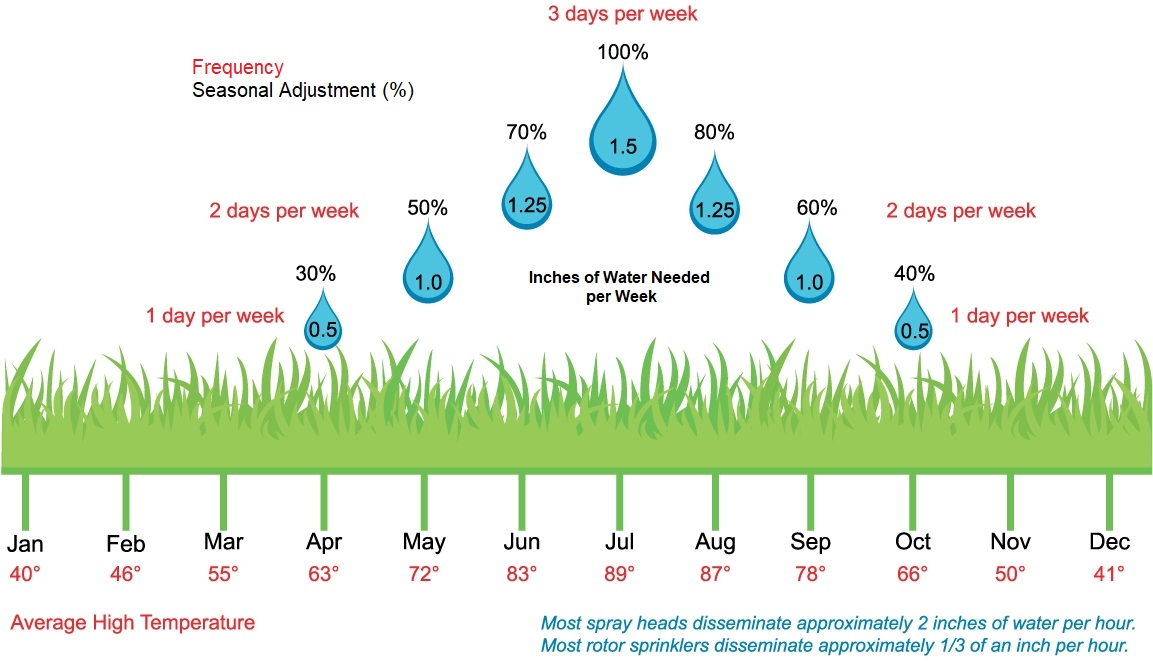
Image Source: greeleygov.com
The Science of Seed Germination Watering
Seed germination is a delicate process. For grass seeds to sprout, they need a constant supply of moisture. This moisture softens the seed coat and activates the enzymes within the seed that fuel growth. Think of it like a tiny plant waking up from a long sleep – it needs a good drink to get going.
How Much to Water Seed
The question of how much to water seed isn’t about volume as much as it is about consistency. You don’t want to drench the soil to the point of saturation, as this can wash away the seeds or create an environment where disease thrives. Instead, the goal is to maintain a consistently moist surface. The top half-inch to inch of soil should feel like a wrung-out sponge. If you can easily squeeze water out of the soil, you’re watering too much. If it feels dry to the touch, you’re not watering enough.
Seed Germination Watering: The Core Principle
The primary principle for seed germination watering is to keep the seedbed consistently moist. This doesn’t mean flooding the area. It means providing enough water to penetrate the top layer of soil where the seeds are located, but not so much that it creates puddles or washes them away.
Keeping Grass Seed Moist: A Daily Task
Keeping grass seed moist is a daily, and sometimes multiple-times-daily, commitment. The frequency of watering will depend heavily on the weather. On hot, dry, or windy days, the soil will dry out much faster, requiring more frequent watering. On cooler, overcast days, you may be able to water less often.
Watering Schedule for Grass Seed: A Phased Approach
A successful watering schedule for grass seed isn’t a one-size-fits-all approach. It evolves as the seeds progress from dormant potential to established seedlings. We can break this down into phases:
Phase 1: Immediately After Seeding
The very first watering after planting your grass seed is crucial. This initial watering should be thorough but not excessive. The goal is to settle the seeds into the soil and ensure good seed-to-soil contact. This helps prevent the seeds from drying out and provides the moisture they need to begin the germination process.
- Action: Water the entire seeded area gently until the soil is moist several inches deep.
- Why: This settles the seeds, ensures good contact with the soil, and provides the initial moisture for germination.
Phase 2: Germination Period (First 1-3 Weeks)
This is the most critical period. During seed germination watering, you need to keep the top layer of soil consistently moist. This usually means watering multiple times a day.
- Frequency: 2-3 times per day, or more in hot, dry, or windy conditions.
- Duration: Short bursts of watering, just enough to moisten the surface. Aim for about 5-10 minutes per watering session, depending on your sprinkler’s output.
- Goal: Prevent the surface soil from ever drying out completely.
What is Seed Germination Watering?
Seed germination watering refers to the specific watering practices needed to encourage grass seeds to sprout and grow. It’s characterized by frequent, light watering to maintain a consistently moist seedbed.
Phase 3: Seedling Establishment (3-6 Weeks)
Once you see significant germination and the grass blades are emerging, you can gradually adjust your watering. The young grass shoots are still vulnerable, but they are beginning to develop deeper root systems.
- Frequency: Reduce watering to once a day, or every other day, as needed.
- Duration: Water for longer periods, allowing the moisture to penetrate deeper into the soil (about 1-2 inches).
- Goal: Encourage root development by watering less frequently but more deeply. This teaches the roots to grow downwards in search of water.
Watering New Grass Shoots
When watering new grass shoots, continue to be gentle. The young blades are delicate and can be damaged by strong water pressure. Using a fine mist or a gentle sprinkler setting is ideal.
Phase 4: Established Lawn (After 6 Weeks)
Once your grass is well-established, you can transition to a more typical lawn watering schedule. This usually involves watering deeply and less frequently, encouraging strong root growth.
- Frequency: 1-2 times per week, depending on rainfall and temperature.
- Duration: Water long enough to moisten the soil 4-6 inches deep.
- Goal: Promote a deep, healthy root system.
Best Time to Water Seed
The best time to water seed is early in the morning. This allows the water to soak into the soil and benefit the seeds and seedlings before the heat of the day causes significant evaporation. Watering in the morning also helps prevent fungal diseases, as the foliage has time to dry off before nightfall.
Why Morning Watering is Key
- Minimizes Evaporation: Less water is lost to the sun and wind.
- Promotes Root Growth: Water is available to the roots during the day’s activity.
- Reduces Disease Risk: Foliage dries before night, limiting the spread of fungal infections.
What About Evening Watering?
While morning is ideal, evening watering can be a secondary option if necessary. However, avoid watering late at night. If the grass blades remain wet overnight, it creates a perfect environment for fungal diseases to develop and spread, which can be detrimental to new seedlings.
Factors Influencing Watering Frequency
Several environmental and situational factors will dictate how often water lawn seed you need to. Adapting your watering based on these will significantly improve your chances of success.
Weather Conditions
- Temperature: Hotter temperatures mean faster drying of the soil. You’ll need to water more often on hot days.
- Wind: Windy conditions also accelerate soil drying.
- Rainfall: If you receive adequate rainfall, you may be able to skip a watering session. Always check the soil moisture before watering, even after rain. Sometimes a light shower doesn’t penetrate deeply enough.
Soil Type
- Sandy Soils: These drain quickly and dry out faster. They require more frequent watering.
- Clay Soils: These retain moisture longer but can become waterlogged if overwatered. They may require less frequent watering but still need consistent moisture during the germination phase.
Seed Type
Different grass seed varieties have slightly different moisture requirements. Some cool-season grasses might be a bit more forgiving, while some warm-season grasses might demand more consistent moisture during their establishment. Always check the specific recommendations for the seed mix you are using.
Sunlight Exposure
Areas that receive full sun will dry out faster than shaded areas. You might need to adjust your watering schedule to provide more water to sunnier spots.
Techniques for Effective Watering of New Grass Seed
Using the right watering techniques is just as important as the frequency.
Sprinkler Selection
- Gentle Sprinklers: Use sprinklers that produce a fine mist or gentle spray. Avoid sprinklers with high-pressure streams that can displace seeds.
- Even Coverage: Ensure your sprinklers cover the entire seeded area evenly. Overlapping sprinkler patterns can help prevent dry spots.
Watering Methods
- Hand Watering: For very small areas, a watering can with a fine rose can provide gentle, controlled watering.
- Soaker Hoses: These can be effective for larger areas as they deliver water slowly and directly to the soil, minimizing evaporation.
Checking Soil Moisture
Regularly check the soil moisture. The best way is to gently press your finger into the soil. If it feels dry to the touch, it’s time to water. You can also use a soil moisture meter.
Troubleshooting Common Watering Issues
Even with the best intentions, problems can arise.
Issue: Seeds Washing Away
- Cause: Watering too heavily or with too much pressure.
- Solution: Reduce water pressure, use a gentler watering method (like a mist setting or soaker hose), and water in shorter, more frequent bursts. If possible, consider using a straw or peat moss mulch to help hold seeds in place.
Issue: Dry Spots
- Cause: Uneven sprinkler coverage, poor soil contact, or rapid drying due to wind or sun.
- Solution: Adjust sprinkler heads to ensure even coverage. You may need to spot-water dry areas more frequently. Improve seed-to-soil contact by lightly raking or walking over the seeded area after planting.
Issue: Overwatering and Fungal Diseases
- Cause: Excessive watering, especially in cool or humid conditions, leading to soggy soil and ideal conditions for fungi.
- Solution: Reduce watering frequency and duration. Ensure the soil drains well. Water only in the early morning. If you suspect a fungal issue, you may need to consult a gardening professional about appropriate treatments.
New Lawn Watering Guide: A Practical Approach
This new lawn watering guide summarizes the practical steps for success.
- After Seeding: Water thoroughly to settle seeds.
- Germination Phase (Days 1-21): Keep the top 0.5-1 inch of soil consistently moist. This typically means watering lightly 2-3 times per day. Adjust based on weather.
- Seedling Growth (Weeks 3-6): Gradually reduce watering frequency to once a day or every other day. Water a bit deeper (1-2 inches) to encourage root growth.
- Establishment (After 6 Weeks): Transition to watering deeply and infrequently (1-2 times per week), aiming for 4-6 inches of soil moisture.
Seedling Watering Frequency
Seedling watering frequency should be a gradual reduction from the high frequency needed for germination. As the roots grow, the seedlings can access water from deeper in the soil, allowing for less frequent watering.
Watering Lawn Seed After Planting: Key Takeaways
- Consistency is Key: The most important factor is keeping the seedbed consistently moist.
- Frequency Over Volume: During germination, frequent, light watering is better than infrequent, heavy watering.
- Timing Matters: Water early in the morning to minimize evaporation and disease risk.
- Observe and Adapt: Pay attention to weather, soil type, and how your grass seed is responding. Adjust your watering schedule accordingly.
By following this new lawn watering guide, you can provide your grass seed with the ideal conditions to germinate and establish a healthy, lush lawn.
Frequently Asked Questions (FAQ)
Q1: How long should I water newly seeded lawn?
For newly seeded lawns, you should water lightly and frequently, often 2-3 times per day, for short durations (5-10 minutes) to keep the top inch of soil consistently moist during the germination phase.
Q2: Can I water grass seed in the afternoon?
While morning is ideal, watering in the afternoon is acceptable if necessary, but avoid watering late at night as it can promote fungal diseases.
Q3: What happens if I overwater my grass seed?
Overwatering can drown the seeds, wash them away, or create conditions for fungal diseases to thrive, which can kill young grass.
Q4: How do I know if my grass seed is getting enough water?
The soil surface should feel like a wrung-out sponge. If it looks dry or starts to form a crust, it needs more water. If you see puddles, you are watering too much.
Q5: Do I need to water if it rains?
Yes, you may still need to water even if it rains. Light showers might not penetrate deeply enough to reach the seeds. Always check the soil moisture.
Q6: Can I use a regular garden hose to water grass seed?
A regular garden hose can be used, but ensure you use a sprinkler attachment that provides a gentle spray or mist. Avoid high-pressure streams.
Q7: How do I water a sloped lawn with seed?
For slopes, use a gentle watering method like a soaker hose or a sprinkler that disperses water slowly to prevent runoff and erosion. Consider using a tackifier or mulch to help hold the seeds in place.