
Can you use weed and feed too often? Yes, using weed and feed too often can harm your lawn. This guide will help you figure out the best practices for using weed and feed to keep your lawn healthy and green.
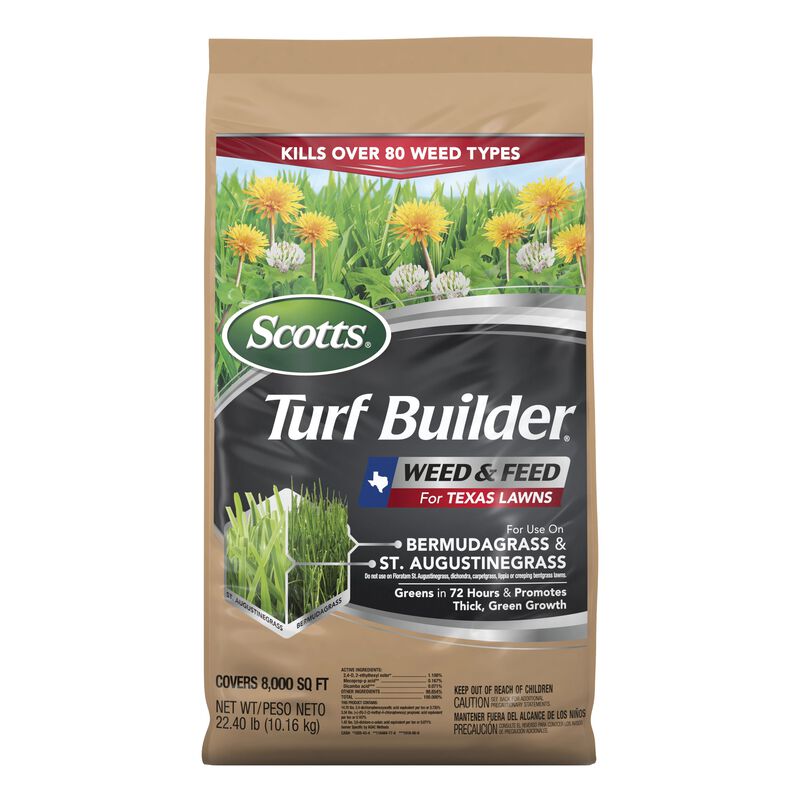
Image Source: scotts.com
Timing Your Lawn Treatments: When to Apply Weed and Feed
Applying weed and feed at the right time is crucial for success. Too early or too late, and you won’t get the results you want. It’s all about catching the weeds when they are actively growing and the grass is ready to absorb the nutrients.
The Ideal Window: Best Time for Weed and Feed
The best time to apply weed and feed depends on your grass type and the climate in your region. However, there are general guidelines that apply to most situations.
-
Spring: This is often the most popular time to apply weed and feed.
- Why: Weeds are actively growing in the spring. The fertilizer also helps your grass recover from winter and green up.
- When: Look for a period after the last frost, when temperatures are consistently between 60°F and 80°F (15°C and 27°C). The soil should be moist, but not waterlogged.
- Important: Make sure your grass has already started to green up. Applying before this can be less effective.
-
Fall: Fall is another excellent time for weed and feed applications, especially for controlling perennial weeds.
- Why: Many common lawn weeds, like dandelions and clover, are well-established and preparing for winter. The herbicide will be more effective at this stage. The fertilizer will also help your grass store energy for winter and come back strong in the spring.
- When: Aim for early to mid-fall, typically September or October, before the first hard frost. Temperatures should still be mild enough for the chemicals to work.
Seasonal Weed and Feed: Adapting to the Year
Your lawn’s needs change throughout the year. A good weed and feed schedule takes these seasonal changes into account.
-
Summer: Generally, it’s not recommended to apply weed and feed during the peak of summer heat.
- Why: High temperatures can stress your lawn, and the combination of chemicals and heat can lead to burning or damage. Many common weeds also go dormant in the summer heat.
- Exception: If you have a specific weed problem and the temperatures are mild, a carefully chosen product might be used, but caution is advised.
-
Winter: Weed and feed products are not effective in winter.
- Why: Grass and weeds are dormant in cold weather, so they won’t absorb the chemicals.
How Often to Fertilize Lawn: Beyond Weed Control
Weed and feed products combine a weed killer with a fertilizer. This means you also need to consider how often to fertilize your lawn independently of weed control.
Fertilizing Needs: Keeping Your Grass Healthy
Most lawns benefit from a regular fertilization schedule. The exact frequency depends on your grass type, soil conditions, and how you want your lawn to look.
- General Rule: Many lawn care experts recommend fertilizing 2-4 times per year.
- Spring: To encourage growth after winter.
- Summer: A lighter application may be beneficial in some regions, but avoid the hottest periods.
- Fall: Crucial for root development and storing energy for winter.
- Late Fall/Dormant Feeding: For some grass types, a final application before winter can be very beneficial.
Integrating Weed and Feed into Your Fertilization Plan
When you use a weed and feed product, you’re essentially fertilizing your lawn at the same time you’re treating weeds.
- Avoid Over-Fertilizing: If you’ve recently applied a standalone fertilizer, wait at least 4-6 weeks before using a weed and feed product to prevent over-fertilization, which can burn your lawn.
- Replace a Scheduled Feeding: You can use a weed and feed product in place of one of your scheduled fertilizer applications, provided the timing is appropriate for weed control.
Weed and Feed Schedule: Planning Your Applications
Creating a weed and feed schedule helps ensure you’re applying the product effectively without overdoing it.
Frequency of Weed and Feed Application: How Often is Too Often?
This is a critical question. The answer is almost always less often than you might think.
-
General Guideline: Most lawn care professionals and product manufacturers recommend using weed and feed no more than twice a year.
- Spring Application: As mentioned, this is common.
- Fall Application: For perennial weed control and lawn strengthening.
-
Why the Limitation?
- Weed Resistance: Overusing herbicides can contribute to the development of herbicide-resistant weeds.
- Lawn Stress: Repeated applications can stress your turf, making it more susceptible to disease and pests.
- Environmental Impact: Excessive chemical use can impact beneficial insects and soil microorganisms.
- Fertilizer Overload: Your grass only needs so much fertilizer. Too much can lead to excessive growth that requires more mowing and can weaken the grass if not managed properly.
Crafting Your Weed and Feed Schedule
A typical weed and feed schedule might look like this:
- Late Spring (April-May): Apply after weeds have emerged and are actively growing, and grass has greened up.
- Early Fall (September-October): Apply before the first hard frost to target perennial weeds and prepare the lawn for winter.
Table: Sample Weed and Feed Schedule
| Season | Target Weeds | Best Time to Apply | Notes |
|---|---|---|---|
| Spring | Annual broadleaf weeds (e.g., chickweed, henbit) | When weeds are actively growing, grass has greened up, and soil is moist. Mid-spring is ideal. | Avoid applying during extreme heat or drought. Ensure temps are between 60-80°F (15-27°C). |
| Fall | Perennial broadleaf weeds (e.g., dandelion, clover) | Early to mid-fall, before the first hard frost. Cool, moist conditions are best. | Helps control weeds for the following year and strengthens the lawn for winter. |
| Summer | Not Recommended | High temperatures can damage the lawn. Many weeds are dormant. | |
| Winter | Not Applicable | Grass and weeds are dormant. |
Weed Killer and Fertilizer Timing: The Synergy
The effectiveness of weed and feed relies on the precise timing of both components.
- Herbicides: Most broadleaf herbicides in “weed and feed” products are most effective when weeds are actively growing and have a good root system. This is why spring and fall are ideal. The weed killer needs to be absorbed by the weed’s leaves and roots.
- Fertilizers: Fertilizers are absorbed by the grass roots and, to some extent, by the leaves. They provide nutrients to promote healthy growth. The timing for fertilizer is also linked to the grass’s growth cycle.
When you use weed and feed, you’re synchronizing these needs. If you apply it when weeds aren’t growing or when the grass is stressed, you’ll waste the product and potentially harm your lawn.
How Often to Treat Lawn Weeds: A Broader Perspective
While weed and feed is a convenient tool, it’s not the only way to manage weeds.
Integrated Weed Management
A comprehensive approach to weed control is often more effective and sustainable. This includes:
- Healthy Turf: The best defense against weeds is a thick, healthy lawn. Properly mowed, watered, and fertilized grass will outcompete many weeds.
- Manual Removal: For a few weeds, pulling them by hand is effective, especially after rain when the soil is soft.
- Spot Treatments: If you have a localized weed problem, consider using a targeted liquid or granular herbicide directly on the weeds rather than broadcasting a weed and feed over the entire lawn.
- Pre-emergent Herbicides: These are applied before weeds germinate, preventing them from sprouting. They are particularly useful in early spring to stop crabgrass and other summer annuals.
- Post-emergent Herbicides: These are applied after weeds have emerged and are growing. Weed and feed products contain post-emergent herbicides.
When to Use Weed and Feed in Your Strategy
Use weed and feed as part of your overall strategy, not as a standalone solution for all weed problems.
- For General Maintenance: It’s a good option for addressing a variety of broadleaf weeds that commonly appear in spring and fall.
- If You Fertilize Regularly: It can be used to combine a fertilization with weed control, saving a step.
- If You’re Not Already Treating Weeds: It’s a convenient way to tackle an existing weed problem while feeding your lawn.
Lawn Care Calendar Weed and Feed: Planning Your Year
A good lawn care calendar can help you visualize when and how to use your weed and feed products.
Sample Lawn Care Calendar
Here’s a general calendar, but always adjust it based on your specific climate and grass type.
-
March-April (Early Spring):
- Activity: Rake thatch, aerate if needed. Apply pre-emergent herbicide for crabgrass if you have a history of it.
- Weed & Feed: Hold off for now. Wait for grass to green up and active weed growth.
-
April-May (Late Spring):
- Activity: First mowing. Begin regular watering and mowing.
- Weed & Feed: Apply Weed and Feed if broadleaf weeds are present and temperatures are favorable (60-80°F). This is a prime time.
-
June-August (Summer):
- Activity: Adjust mowing height higher. Water deeply and less often.
- Weed & Feed: Avoid applying. High heat can damage the lawn. Focus on proper watering and mowing. If specific weeds are a major problem, consider spot treatments with appropriate herbicides.
-
September-October (Fall):
- Activity: Continue mowing. Overseed if necessary.
- Weed & Feed: Apply Weed and Feed if perennial weeds are still a concern. This is the second best time. It will help kill existing weeds and prepare the lawn for winter.
-
November-February (Winter):
- Activity: Final mow, clear leaves.
- Weed & Feed: Do not apply. The lawn is dormant.
Important Considerations for Application
Before you spread that bag or pour that liquid, remember these key points:
- Read the Label: Always read and follow the instructions on the product label carefully. It provides specific guidance for your region and grass type.
- Grass Type: Some weed and feed products can harm certain grass types (e.g., some broadleaf weed killers can damage ornamental plants or specific turfgrasses). Know your grass type!
- Soil Moisture: The soil should be moist for the fertilizer to be absorbed. The weeds should also be actively growing and not stressed by drought for the herbicide to work effectively.
- Rainfall: Avoid applying if rain is expected within 24-48 hours, as it can wash away the product before it works. Also, avoid applying if you plan to water soon after. Many products require moisture to activate, but too much water too soon can dilute them.
- Mowing:
- Before Application: Do not mow for 1-2 days before applying, allowing weeds to have enough leaf surface to absorb the herbicide.
- After Application: Do not mow for 1-2 days after applying. For best results with granular products, wait to water until the dew has dried.
- Temperature: As mentioned, avoid application when temperatures exceed 80-85°F (27-29°C).
Frequently Asked Questions (FAQ)
Q1: Can I apply weed and feed when my grass is wet?
Generally, it’s best to apply when the grass is dry. However, some products are designed to be applied to wet grass. Always check the product label. If applying to dry grass, watering the lawn lightly before application can help activate the fertilizer and allow the herbicide to stick to the weeds better.
Q2: How soon can I water my lawn after applying weed and feed?
This varies by product. Some granular products need moisture to activate, so you might water lightly a day or two after. Others may recommend waiting a few days to allow the herbicide to be absorbed. Check the product label for specific instructions.
Q3: What if I apply weed and feed too close together?
If you apply weed and feed too soon after a previous application, or too close to a regular fertilization, you risk over-fertilizing. This can “burn” the lawn, causing brown patches and damaging the grass. If you suspect you’ve over-applied, water the lawn thoroughly to help dilute the fertilizer.
Q4: Can I use weed and feed on a new lawn?
No, you should never use weed and feed on a new lawn or on grass seed. The chemicals can kill the delicate new grass. Wait until the new grass has been mowed at least 3-4 times before considering any type of weed control or fertilization.
Q5: What are the signs of over-fertilization on my lawn?
Over-fertilization can cause the grass to turn yellow or brown, resembling drought stress. It can also lead to excessive, weak growth. If you see these signs, water the lawn deeply to help flush out excess nutrients.
Q6: Is it okay to use weed and feed in the same year?
Yes, but typically only twice a year, in spring and fall, and with careful spacing. Using it more than twice a year is generally not recommended due to the risk of lawn damage and weed resistance.
Q7: How long do I need to wait before letting pets or children on the lawn after applying weed and feed?
Again, this depends on the product. Always check the label. Most manufacturers recommend keeping pets and children off the lawn until it has been watered in and dried completely. Some products may have a longer re-entry time.
By following these best practices, you can effectively use weed and feed products to maintain a healthy, weed-free lawn without causing damage. Remember that observation and adherence to product instructions are key to successful lawn care.