
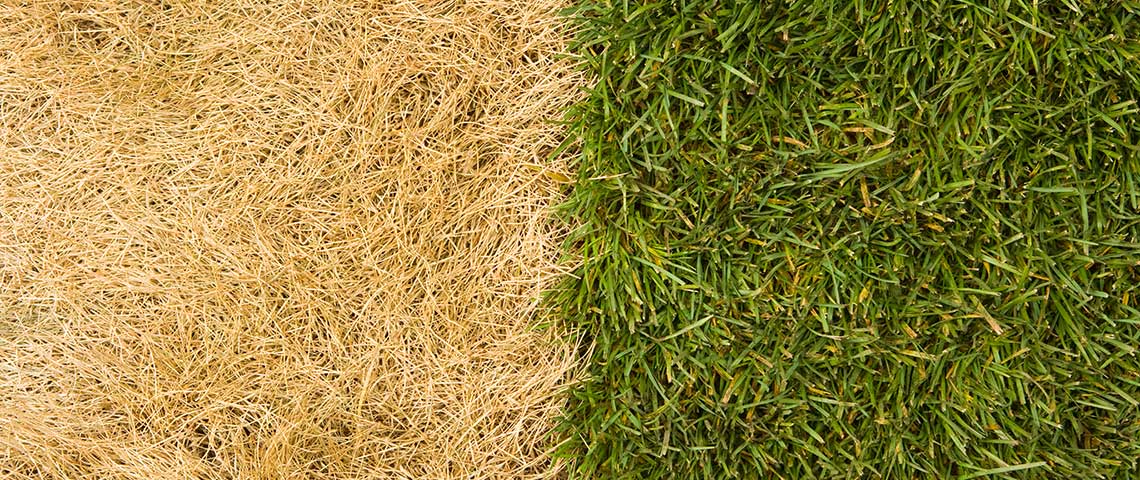
Image Source: www.pennington.com
How to Bring Back a Dead Lawn: Revive Your Yard Fast
Can I bring back a dead lawn? Yes, you absolutely can bring back a dead lawn! Is it possible to revive brown grass? Yes, with the right approach, you can revive brown grass and transform your yard from drab to vibrant. This comprehensive guide will walk you through the essential steps to perform effective lawn repair tips and achieve grass resuscitation. We’ll delve into the best methods for bringing dead grass back to life, focusing on soil rejuvenation for lawns, and uncovering the best way to fix a dead lawn.
A lawn that has succumbed to drought, disease, or neglect can seem like a lost cause. However, many “dead” lawns are merely dormant or severely stressed. With proper care and attention, you can often rescue your turf and enjoy a lush, green space once more. This isn’t just about aesthetics; a healthy lawn contributes to your home’s curb appeal, can help with soil erosion, and provides a pleasant outdoor environment. Let’s get your lawn back on track!
The Initial Assessment: What’s Really Going On?
Before you start any major interventions, it’s crucial to determine the true state of your lawn. Is it truly dead, or is it just dormant? This distinction is vital for choosing the right treatment.
Distinguishing Dormancy from Death
Dormancy is a natural survival mechanism for grass. When conditions become unfavorable (extreme heat, drought, or cold), grass plants can shut down their growth, turning brown to conserve energy and moisture. The roots, however, remain alive. When conditions improve, the grass can green up again.
Death, on the other hand, means the grass plant’s life cycle has ended. This can happen due to disease, severe pest infestation, or prolonged neglect that overwhelms the plant’s ability to survive. Dead grass will feel brittle and break easily, and you won’t find any signs of green life even in the crown of the plant.
How to Test:
* The Tug Test: Gently pull on a brown patch of grass. If it comes out easily with little resistance, it’s likely dead. If it’s firmly rooted and difficult to pull, the roots are likely alive, and the grass is probably dormant.
* Scratch Test: Use a trowel or a sharp knife to scrape away a small section of the brown grass and the soil beneath. If you see green and moist growth underneath, the roots are alive. If it’s dry, brown, and crumbly all the way down, it’s likely dead.
Common Culprits Behind a Dead or Dying Lawn
Several factors can contribute to a lawn’s demise. Identifying the root cause will help you implement the most effective solutions.
- Drought and Heat Stress: Prolonged periods without adequate rainfall or consistent watering can stress grass to the point of dormancy or death.
- Poor Soil Quality: Compacted soil, lack of essential nutrients, or incorrect soil pH can prevent grass from thriving and make it susceptible to stress. Soil rejuvenation for lawns is key here.
- Pest Infestations: Grubs, chinch bugs, and other soil-dwelling or surface-feeding insects can decimate a lawn by feeding on roots or grass blades.
- Diseases: Fungal diseases like brown patch, dollar spot, or rust can cause significant browning and turf death.
- Improper Mowing and Maintenance: Cutting the grass too short, using dull mower blades, or neglecting to water and fertilize can weaken the turf.
- Thatch Buildup: An excessive layer of dead organic matter (thatch) can prevent water, air, and nutrients from reaching the soil and roots.
- Weed Competition: Aggressive weeds can crowd out grass, stealing vital resources.
Step-by-Step Guide to Lawn Revival
Once you’ve assessed the situation, it’s time to act. This process often requires a multi-pronged approach.
Step 1: Clear Out the Dead Material
Before you can introduce new life, you need to remove what’s no longer serving your lawn.
Raking and Dethatching
- Light Raking: For mildly stressed lawns with a thin layer of dead grass, a good raking with a stiff-tined lawn rake can help remove loose debris and improve air circulation. This also helps to loosen any surface thatch.
- Dethatching: If you discover a thick layer of thatch (more than ½ inch), it’s time for dethatching. You can rent a power dethatcher or use a manual dethatching rake. This process pulls out the dead organic matter, allowing water, air, and nutrients to penetrate the soil. This is a crucial step for lawn care for dead patches.
Aeration
- Why Aerate? Aeration involves removing small plugs of soil from the lawn. This is essential for compacted soil, which restricts root growth and prevents water and nutrients from reaching the grass. Aeration is one of the most effective lawn repair tips.
- When to Aerate: The best time to aerate is during the active growing season of your grass type. For cool-season grasses (like fescue, ryegrass, and bluegrass), this is typically spring or fall. For warm-season grasses (like Bermuda, Zoysia, and St. Augustine), late spring or early summer is ideal.
- How to Aerate: You can rent a core aerator. Aim to aerate in two directions (north-south and east-west) for best results. Leave the soil plugs on the surface; they will break down and return nutrients to the soil.
Step 2: Address Soil Health – The Foundation of Revival
A healthy lawn starts with healthy soil. Soil rejuvenation for lawns is paramount when dealing with a distressed yard.
Soil Testing
- What it Tells You: A soil test will reveal your soil’s pH level, as well as the levels of essential nutrients like nitrogen, phosphorus, and potassium. It can also identify deficiencies in micronutrients.
- How to Get a Test: Contact your local cooperative extension office. They often provide low-cost soil testing services and detailed recommendations tailored to your region and grass type.
Correcting Soil pH
- Ideal pH: Most grasses prefer a slightly acidic to neutral pH, generally between 6.0 and 7.0.
- Adjusting pH:
- Too Acidic (Low pH): Apply agricultural lime. Follow the recommendations from your soil test precisely, as too much lime can be detrimental.
- Too Alkaline (High pH): Apply elemental sulfur. Again, use caution and follow soil test advice.
Improving Soil Structure
- Composting: Top-dressing your lawn with a thin layer of compost after aeration is an excellent way to improve soil structure, add organic matter, and provide slow-release nutrients. This is a vital part of soil rejuvenation for lawns.
- Adding Organic Matter: If your soil is very sandy or clay-heavy, incorporating organic matter like peat moss or well-rotted manure can improve drainage, aeration, and water retention.
Step 3: Bringing Back the Green – Seeding and Fertilizing
With the soil prepped, it’s time to introduce new life.
Fertilizing Dormant Grass and New Seed
- Starter Fertilizer: When overseeding, always use a starter fertilizer. These fertilizers contain higher levels of phosphorus, which is crucial for root development in new grass seedlings. This addresses the needs of the new growth after performing lawn overseeding techniques.
- Fertilizing Dormant Grass: If your lawn is dormant but not dead, a light application of a balanced fertilizer can help it recover once temperatures are more favorable. Be cautious not to over-fertilize dormant grass, as this can burn it.
- Timing is Key: Fertilize when grass is actively growing or when you’ve just seeded. Avoid fertilizing during extreme heat or drought.
Lawn Overseeding Techniques
- Choosing the Right Seed: Select a grass seed variety that is suited to your climate, sunlight conditions, and existing grass type. For overseeding, consider a blend of high-quality perennial ryegrass or fescues, which establish quickly and are often more resilient.
-
The Process:
- Prepare the Seedbed: After aeration and dethatching, lightly rake the lawn to create good soil-to-seed contact.
- Apply Seed: Use a broadcast spreader or a drop spreader for even distribution. Follow the recommended seeding rate for your chosen grass type. A common rate for overseeding is around 5-10 pounds per 1,000 square feet.
- Rake In: Gently rake the seed into the top ¼ to ½ inch of soil.
- Top-Dress (Optional): A thin layer of compost or peat moss can help retain moisture and protect the seeds.
- Water Consistently: Keep the seeded areas consistently moist until the new grass is established.
-
Why Overseeding Works: Overseeding fills in bare spots and thin areas, improving the overall density and health of your lawn. It’s a cornerstone of effective lawn overseeding techniques.
Step 4: Watering for Recovery
Proper watering is critical for helping your lawn recover.
Watering a Dry Lawn Effectively
- Deep and Infrequent: The goal is to encourage deep root growth. Water deeply enough to moisten the soil several inches down. This means watering for longer periods but less often.
- When to Water: The best time to water is in the early morning, before the sun gets too hot. This minimizes evaporation and reduces the risk of fungal diseases that can occur with evening watering.
- Signs Your Lawn Needs Water: Wilting grass blades that have a bluish-gray tint, or footprints that remain visible long after you’ve walked on the lawn, are indicators that your lawn needs a drink.
- Adjusting for Conditions: During hot, dry periods, you may need to water more frequently. Conversely, during cooler, more humid weather, reduce watering frequency.
Watering New Seed
- Constant Moisture: Newly seeded lawns require constant moisture to germinate and establish. Water lightly several times a day if necessary, ensuring the top inch of soil remains consistently damp but not waterlogged. As the seedlings grow taller, gradually transition to deeper, less frequent watering.
Step 5: Mowing for Health, Not Scalping
How you mow can significantly impact your lawn’s recovery.
Best Mowing Practices
- Mow High: Set your mower to a higher setting. Taller grass blades shade the soil, which helps retain moisture and suppress weeds. For most cool-season grasses, aim for 2.5 to 3.5 inches. For warm-season grasses, 1.5 to 2.5 inches is usually appropriate.
- Never Remove More Than One-Third: Never cut off more than one-third of the grass blade length in a single mowing. This prevents shocking the grass and weakening it further.
- Sharp Blades: Always use a sharp mower blade. Dull blades tear grass, leaving ragged edges that are prone to disease and browning. This is a simple but crucial aspect of lawn care for dead patches.
Step 6: Weed and Pest Management
Unwanted guests can hinder your lawn’s recovery.
Dealing with Weeds
- Manual Removal: For small infestations, pulling weeds by hand, especially after rain when the soil is soft, is effective.
- Herbicides: If weeds are widespread, consider using a selective herbicide. Apply it according to the product label instructions, and be mindful of the type of grass you have to avoid damaging it. Some herbicides are designed for new seedlings, while others can harm them.
Tackling Pests
- Identify the Pest: Before applying any treatment, accurately identify the pest. Look for signs like chewed grass, visible insects, or damage patterns.
- Treatment: Depending on the pest, you might use insecticidal soaps, horticultural oils, or specific insecticides. Always follow product instructions carefully and consider environmentally friendly options.
Bringing Dead Grass Back to Life: Specific Scenarios
Let’s explore how these steps apply to different levels of lawn damage.
Scenario 1: Mostly Brown, But Still Some Green
If your lawn is mostly brown but you can still find some green blades, especially in shaded areas, it’s likely suffering from drought stress or a mild fungal issue.
- Deep Watering: Start with deep, infrequent watering to rehydrate the root system.
- Light Fertilization: Apply a balanced, slow-release fertilizer to provide essential nutrients for recovery.
- Gentle Mowing: Once the grass shows signs of greening, mow at the highest setting.
- Monitor: Watch for signs of improvement or decline.
Scenario 2: Significant Bare Patches and Thinning
This indicates that some grass has died, and the soil may be compacted or lacking nutrients.
- Dethatch and Aerate: Remove dead material and improve soil structure.
- Soil Test and Amend: Correct pH and nutrient deficiencies.
- Overseed: Apply a quality grass seed mix to fill in the bare spots.
- Starter Fertilizer: Use a starter fertilizer with your seed.
- Consistent Watering: Crucial for new seed germination and re-establishment.
Scenario 3: The Lawn Appears Completely Dead (Black and Brittle)
If the scratch test reveals no life whatsoever, you’re likely looking at a complete lawn replacement.
- Remove Dead Turf: You may need to use a sod cutter to remove the dead sod.
- Soil Preparation: This is where soil rejuvenation for lawns truly shines. Till the soil, incorporate significant amounts of compost, and level the area.
- Seeding or Sodding:
- Seeding: Follow the overseeding techniques described above, ensuring excellent seed-to-soil contact and consistent moisture.
- Sodding: For a quicker, though more expensive, solution, lay down fresh sod. Ensure the soil underneath is properly prepared and that you water the new sod immediately and consistently.
- Establishment Care: Treat the new lawn as you would a newly seeded lawn, with careful watering and mowing.
Maintenance for Long-Term Lawn Health
Once your lawn has recovered, consistent maintenance is key to preventing future issues.
Seasonal Lawn Care Checklist
- Spring: Aerate if needed, dethatch if thatch is excessive, fertilize (especially if you overseeded), and begin regular mowing. Monitor for early weed and pest problems.
- Summer: Water deeply and infrequently during hot periods. Mow high. Watch for signs of drought stress or disease. Spot treat weeds.
- Fall: This is often the most critical time for cool-season grasses. Aerate and overseed if necessary. Apply a fall fertilizer to help grass store energy for winter. Continue mowing.
- Winter: Protect your lawn from winter damage. Avoid heavy foot traffic on frozen or waterlogged soil.
Watering a Dry Lawn: Prevention is Key
The best way to avoid a “dead” lawn is to prevent it from becoming severely stressed in the first place.
- Adjust Mowing Height: Higher mowing heights improve drought tolerance.
- Water Wisely: Establish a watering schedule that encourages deep roots.
- Improve Soil: Healthy soil with good organic matter content retains moisture better.
- Choose Drought-Tolerant Grasses: If you live in an area prone to drought, consider grass varieties known for their drought resistance.
Frequently Asked Questions (FAQ)
Q1: How long does it take to bring back a dead lawn?
A1: The timeline varies depending on the extent of the damage and the methods used. For minor dormancy, you might see improvement in a few weeks. For severely damaged lawns requiring overseeding, it can take a full growing season for the lawn to become dense and established. Complete renovation and sodding can provide an instant green lawn, but establishment still takes time.
Q2: Can I fix dead lawn patches in the winter?
A2: Generally, it’s best to avoid major lawn repair in winter, especially for cool-season grasses. The grass is dormant or stressed, and new seeds or sod will likely not establish. Focus on preparation (like planning for spring) and minimal intervention if necessary. You can remove dead grass and debris to prevent disease.
Q3: Is it better to reseed or sod a dead lawn?
A3: Reseeding is more cost-effective and allows you to choose specific grass types suited to your yard. However, it takes longer to establish and requires careful watering. Sodding provides an instant lawn but is more expensive and requires immediate and consistent watering to prevent the sod from drying out.
Q4: What is the best way to fix dead lawn spots from dog urine?
A4: Dog urine can burn grass due to its high nitrogen content. You can try to dilute the urine immediately with water. For spots that have already died, remove the dead grass, amend the soil with compost, and reseed with a resilient grass variety.
Q5: How often should I fertilize dormant grass?
A5: Fertilizing dormant grass should be done sparingly, if at all. If you choose to fertilize, use a slow-release fertilizer at a reduced rate and only when temperatures are favorable for growth. Over-fertilizing dormant grass can cause damage.
By following these detailed steps and committing to consistent care, you can effectively perform lawn repair tips, achieve grass resuscitation, and successfully bring dead grass back to life, transforming your yard into a vibrant, healthy green space. Remember, patience and persistence are key to a thriving lawn.