
Can you bring a dead lawn back to life? Yes, you absolutely can! While a lawn may appear completely dead, many dormant grass roots remain alive, waiting for the right conditions. This comprehensive guide will walk you through the essential steps of lawn repair and reviving dead grass, transforming your barren yard into a vibrant green space. We’ll cover everything from diagnosing the problem to the final touches of lawn care for dead patches and lawn recovery tips.
The sight of a browning, patchy lawn can be disheartening. It might look like a lost cause, but don’t despair! Often, what appears as a dead lawn is merely a stressed or dormant one. With the right approach, you can successfully bring your grass back from the brink. This process, often referred to as lawn resuscitation, requires patience and a systematic plan.
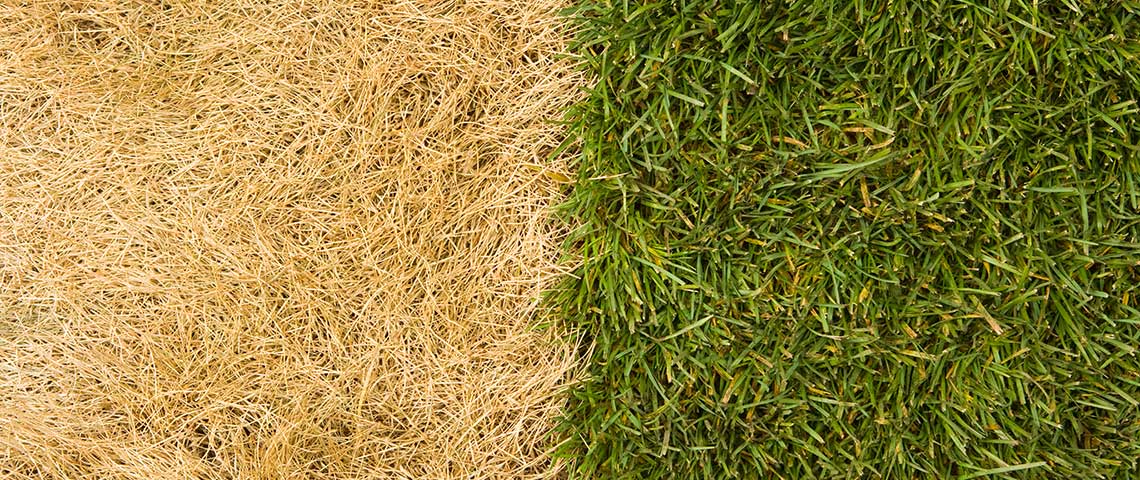
Image Source: www.pennington.com
Deciphering the “Dead” Lawn: What’s Really Going On?
Before you start digging, it’s crucial to figure out why your lawn looks so poor. This will guide your entire lawn recovery strategy.
Common Culprits Behind a Fading Lawn
- Drought: Lack of water is a primary reason for grass browning. When grass doesn’t get enough moisture, it goes dormant to conserve energy.
- Heat Stress: Extreme temperatures, especially when combined with drought, can scorch grass.
- Disease: Fungal infections can cause patches of grass to die off. Common culprits include brown patch, dollar spot, and pythium blight.
- Pests: Grubs, chinch bugs, and other soil-dwelling insects can feed on grass roots, leading to wilting and death.
- Compacted Soil: If soil is too hard, grass roots struggle to grow, access nutrients, and get water. This is where soil aeration for dead lawns becomes vital.
- Poor Nutrition: A lack of essential nutrients can weaken grass, making it more susceptible to stress and disease. This is where fertilizing dormant grass plays a key role.
- Improper Mowing: Cutting grass too short or using dull mower blades can damage the grass and make it prone to stress.
- Thatch Buildup: A thick layer of dead grass and organic matter can prevent water, air, and nutrients from reaching the soil.
How to Tell if Grass is Truly Dead or Just Dormant
This is a critical first step. Tug on a brown blade of grass.
- If it pulls out easily and feels dry and brittle: It’s likely truly dead.
- If it resists pulling and feels dry but somewhat flexible: There’s a good chance the roots are still alive, and the grass is dormant. You can try scratching the surface of the soil. If you see any green underneath, it’s a positive sign.
Your Action Plan for Reviving Dead Grass
Once you have a general idea of the problem, it’s time to put a plan into action. This is where the real lawn repair work begins.
Step 1: Clear the Debris
Before any treatment, you need a clean slate.
- Rake thoroughly: Use a stiff-tined rake to remove dead grass, leaves, thatch, and any other debris. This helps expose the soil and allows for better penetration of water, air, and treatments.
- Bag and dispose: Don’t leave the debris on your lawn.
Step 2: Address the Underlying Cause
This is arguably the most important phase of lawn resuscitation.
If Drought or Heat is the Issue: Watering Wisely
Even dormant grass needs some water. However, overwatering stressed lawns can be just as harmful as underwatering.
- Water deeply and infrequently: Aim for about 1 inch of water per week. Water early in the morning to minimize evaporation.
- Monitor soil moisture: Stick your finger about 2 inches into the soil. If it feels dry, it’s time to water.
- Avoid frequent, shallow watering: This encourages shallow root growth, making the grass more vulnerable to drought.
If Pests are a Problem: Identification and Treatment
- Inspect for signs: Look for brown patches, chewed blades, or visible insects. You might need to dig up a small section of sod to check for grubs.
- Consult a professional: For severe infestations, professional pest control might be necessary.
If Disease is Suspected: Targeted Treatments
- Identify the disease: Many lawn diseases have distinct visual symptoms. Online resources or local garden centers can help with identification.
- Apply appropriate fungicides: Follow product instructions carefully.
If Soil Compaction is the Culprit: Soil Aeration for Dead Lawns
Compacted soil suffocates grass roots. Aeration is key.
- Core Aeration: This process removes small plugs of soil, allowing air, water, and nutrients to reach the roots.
- Timing: Aerate when the grass is actively growing, typically in the fall or spring.
- Benefits: Aeration improves drainage, reduces thatch, and encourages deeper root growth.
Step 3: Nourish Your Lawn: Fertilizing Dormant Grass and Beyond
Once the immediate threats are addressed, it’s time to feed your lawn.
- Soil Test: The best approach is to get a soil test from your local extension office. This tells you exactly what nutrients your soil is lacking.
- Choose the Right Fertilizer: Look for a fertilizer with a balanced N-P-K (Nitrogen-Phosphorus-Potassium) ratio. For fertilizing dormant grass, a slow-release fertilizer is ideal.
- Application: Apply fertilizer evenly using a spreader. Follow the instructions on the fertilizer bag. Avoid over-fertilizing, which can burn the grass.
- Timing is Crucial: Fertilize when the grass is showing signs of recovery or when you plan to overseed a lawn.
Step 4: Re-Seeding: Overseeding a Lawn for a Fuller Finish
If your lawn has significant bare patches, overseeding a lawn is essential for bringing grass back to life.
Best Practices for Overseeding a Lawn
- Timing: Fall is generally the best time to overseed cool-season grasses. Spring is suitable for warm-season grasses. Ensure temperatures are moderate and there’s adequate moisture.
- Prepare the Seedbed:
- Light Raking: After initial clearing and aeration, lightly rake the bare areas to loosen the soil and create good seed-to-soil contact.
- Remove Debris: Ensure no large clumps of thatch or soil remain.
- Choose the Right Seed:
- Match Your Existing Grass: If possible, use a grass seed mix that matches your current lawn type.
- Consider Your Climate and Sun Exposure: Select varieties suited to your local conditions.
- High-Quality Seed: Invest in good quality seed for better germination rates and disease resistance.
- Apply the Seed:
- Spreader: Use a broadcast spreader for even distribution.
- Spacing: Follow the recommended seeding rates for your chosen grass type. Aim for a consistent spread across bare areas.
- Ensure Seed-to-Soil Contact:
- Light Raking: Gently rake the seed into the top ¼ inch of soil.
- Compaction (Optional): Lightly walk over the seeded areas or use a roller to press the seed into the soil.
- Watering After Overseeding:
- Keep Seed Moist: This is critical for germination. Water lightly and frequently (2-3 times a day) until the new seedlings are about 1 inch tall.
- Gradual Deep Watering: Once seedlings are established, gradually transition to deeper, less frequent watering.
- Fertilizing After Overseeding:
- Starter Fertilizer: Use a starter fertilizer specifically designed for new seedlings. It provides the nutrients needed for early growth.
- Timing: Apply it shortly after seeding or as recommended on the fertilizer packaging.
- Mowing New Grass:
- Wait: Don’t mow until the new grass reaches about 3 inches in height.
- Mulching Mower: Use a mulching mower to return clippings to the soil, adding nutrients.
- Mow High: Mow at a higher setting (around 3 inches) to help the new grass establish deeper roots and shade out weeds.
Step 5: Ongoing Lawn Care for Dead Patches and General Maintenance
Once your grass starts to green up, consistent care is key to sustained lawn recovery.
Mowing Practices for a Healthy Lawn
- Mow High: Aim to cut no more than one-third of the grass blade at a time. Taller grass shades the soil, keeping it cooler and moister, and encourages deeper root growth.
- Sharp Blades: Dull mower blades tear grass, leaving it vulnerable to disease and stress. Sharpen your blades regularly.
- Mulch Clippings: Leave grass clippings on the lawn. They decompose and return valuable nutrients to the soil.
Watering Strategies for Resilience
- Deep and Infrequent: Continue the practice of watering deeply and infrequently to promote strong root systems.
- Adjust for Weather: Water more during hot, dry periods and less during cooler, wetter weather.
Weed Control
- Early Intervention: Address weeds as soon as they appear. Healthy, dense grass is the best defense against weeds.
- Spot Treatment: For isolated weeds, use targeted herbicides rather than broadcasting them over the entire lawn.
Topdressing (Optional)
- What it is: Applying a thin layer of compost or a soil/compost mix over the lawn.
- Benefits: Improves soil structure, adds nutrients, and helps retain moisture.
- How to do it: Spread a thin layer evenly over the lawn and rake it in. This is particularly helpful for bare patches and can be done after overseeding.
Bringing Grass Back to Life: A Seasonal Approach
Lawn recovery tips can vary depending on the time of year. Here’s a general seasonal breakdown:
Spring: Awakening and Rebuilding
- Assess winter damage: Check for frost heaving or winter kill.
- Clean up: Rake away debris.
- Aeration: If compaction is an issue, spring is a good time for aeration.
- Fertilize: Apply a balanced fertilizer once grass shows signs of active growth.
- Overseed: If needed, overseed cool-season grasses.
- Weed control: Address any emerging weeds.
Summer: Stress Management
- Water wisely: Focus on deep, infrequent watering during heat waves.
- Mow higher: Raise mower blades to reduce stress.
- Avoid fertilizing: Do not fertilize during extreme heat.
- Pest and disease watch: Be vigilant for signs of problems.
Fall: The Prime Time for Recovery
- Rake leaves: Prevent smothering of grass.
- Aeration: Another excellent time for aeration, especially for cool-season grasses.
- Overseeding: The ideal season for overseeding cool-season lawns.
- Fertilize: Apply a fall fertilizer to help grass store energy for winter.
- Weed control: Tackle persistent weeds.
Winter: Dormancy and Protection
- Minimal activity: Grass is typically dormant.
- Avoid heavy traffic: Protect the lawn from excessive foot traffic or heavy equipment.
- Snow cover: Snow can act as an insulator.
Bringing Grass Back to Life: Troubleshooting Common Issues
Even with the best efforts, you might encounter specific challenges.
Patchy Brown Spots
- Diagnosis: Could be disease, pests, pet urine, or localized drought.
- Treatment: For small spots, loosen the soil, reseed, and keep moist. For suspected disease or pests, identify and treat accordingly. If it’s pet urine, water the area heavily to dilute the salts.
Thin, Weak Grass Throughout
- Diagnosis: Likely due to poor soil fertility, insufficient watering, or improper mowing.
- Treatment: Fertilizing dormant grass appropriately, improving watering habits, and adjusting mowing height can help. Overseeding a lawn can thicken it.
Yellowish Grass
- Diagnosis: Often a sign of nitrogen deficiency, but could also indicate overwatering or poor drainage.
- Treatment: Apply a nitrogen-rich fertilizer. If overwatering is suspected, adjust your watering schedule. Ensure good drainage.
Frequently Asked Questions (FAQ)
Q1: How long does it take to revive a dead lawn?
A1: The timeline for lawn recovery varies greatly. With consistent effort and proper care, you could see significant improvement within 4-8 weeks, but a full recovery might take a season or longer, especially if the damage was severe.
Q2: Can I revive my lawn in the middle of summer?
A2: While possible, summer is the most challenging time to revive a lawn due to heat and drought stress. Focus on watering stressed lawns properly, mowing high, and only attempt overseeding if you can commit to consistent watering. Fall is generally a better time for major lawn repair.
Q3: What is the best fertilizer for reviving dead grass?
A3: A balanced, slow-release fertilizer is often best. A starter fertilizer is excellent for new seed. A soil test will help you choose the most appropriate type for your specific needs.
Q4: My lawn has bare patches. What’s the best way to fill them?
A4: Overseeding a lawn is the most effective method. Prepare the soil in the bare patch, spread the seed, ensure good soil contact, and keep it consistently moist until germination and establishment.
Q5: How often should I water a reviving lawn?
A5: For dormant grass recovering, water deeply once a week (about 1 inch of water). For newly seeded areas, water lightly 2-3 times a day until the seedlings are about an inch tall, then gradually transition to deeper watering. The key is to keep the soil consistently moist but not waterlogged.
Q6: Is soil aeration necessary for reviving dead lawns?
A6: Yes, if soil compaction is a contributing factor. Soil aeration for dead lawns allows essential elements like air, water, and nutrients to reach dormant roots, which is crucial for bringing grass back to life.
Q7: What are the most important lawn recovery tips?
A7: The most critical lawn recovery tips include correctly diagnosing the problem, addressing underlying issues (pests, disease, compaction), providing adequate water and nutrients (fertilizing dormant grass), and ensuring good seed-to-soil contact if overseeding a lawn. Patience and consistency are also vital.
By following these steps, you can transform your seemingly dead lawn into a lush, healthy green carpet. Remember, lawn repair and reviving dead grass is a process that requires dedication, but the reward of a beautiful, vibrant lawn is well worth the effort. Good luck with your lawn resuscitation journey!