
Is your lawn looking sad, thin, and full of brown patches? Yes, you can bring your lawn back to life fast, even if it looks like a lost cause. This guide will walk you through the steps to achieve a lush, green, and healthy lawn quickly. We’ll cover everything from identifying the problems to implementing effective solutions for lawn repair, lawn restoration, and lawn revitalization.
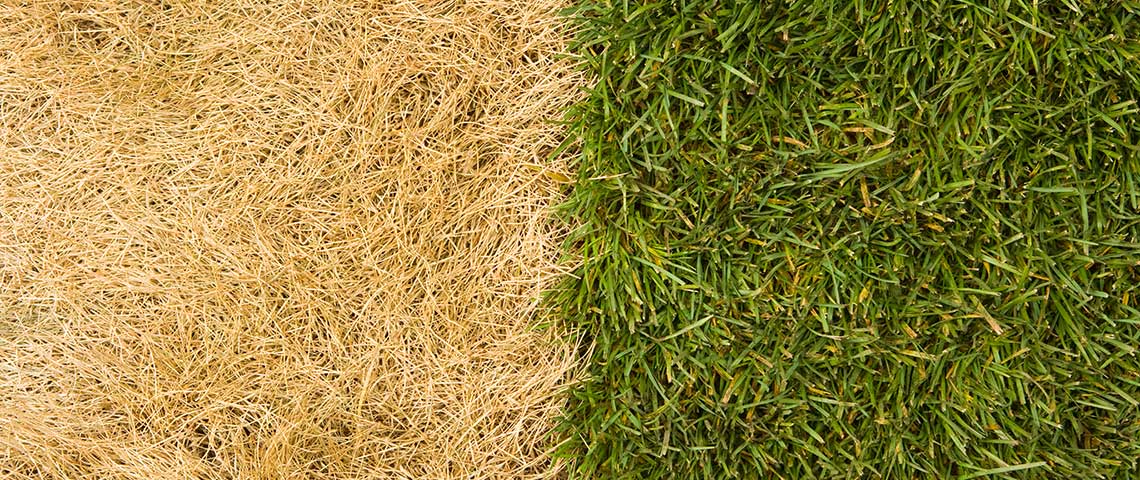
Image Source: www.pennington.com
Diagnosing Your Lawn’s Woes
Before you can fix your lawn, you need to know what’s wrong. Many issues can lead to a struggling lawn. Common culprits include pests, diseases, poor soil conditions, improper watering, and lack of nutrients.
Common Lawn Problems and Their Causes:
- Yellowing Grass: This can be caused by a lack of nitrogen, overwatering, or even underwatering. It could also signal a disease.
- Brown Patches: These are often due to dog urine, fungal diseases (like brown patch or dollar spot), grubs, or dry, compacted soil.
- Thin or Patchy Lawn: This usually points to low nutrient levels, poor soil, excessive shade, or disease.
- Weed Infestation: Weeds compete with grass for water, nutrients, and sunlight, leading to a weaker lawn.
Simple Tests to Perform:
- The “Pull Test”: Grab a clump of grass. If it pulls out easily, the roots are weak, likely due to poor soil or lack of water. Healthy grass will resist.
- Soil Compaction Test: Push a screwdriver or a thin rod into the soil. If it goes in easily, the soil is likely not compacted. If it’s difficult, compaction is a problem.
- Grub Search: Dig a small section of your lawn. If you find more than 5-10 grubs in a square foot, you likely have a grub infestation.
Step-by-Step Lawn Revitalization
Once you know what you’re dealing with, you can start the process of lawn restoration. This is more than just a quick fix; it’s about creating a healthy foundation.
Step 1: Clean Up and Clear Out
Start by removing any debris. This includes fallen leaves, twigs, rocks, and old grass clippings. These can smother the grass and prevent sunlight from reaching it.
- Raking: Use a stiff garden rake to remove surface debris.
- Edging: Trim the edges of your lawn to give it a neat appearance and prevent grass from creeping into flower beds.
Step 2: Aeration – Giving Your Soil a Breath
Compacted soil is a major enemy of healthy grass. Aeration creates small holes in the soil, allowing air, water, and nutrients to reach the roots. This is a crucial step for lawn revitalization.
Why Aeration Matters:
- Reduces soil compaction.
- Improves air circulation to the roots.
- Enhances water penetration.
- Helps fertilizer and nutrients reach the root zone.
How to Aerate:
- Core Aeration: This is the most effective method. A core aerator pulls out small plugs of soil. You can rent one or hire a professional.
- Spike Aeration: While less effective than core aeration, spike aerators can still help loosen soil.
Best Time to Aerate: Spring or early fall, when grass is actively growing.
Step 3: Dethatching – Removing the Smothering Layer
Thatch is a layer of dead and living grass stems and roots that builds up between the green grass and the soil. A thin layer is beneficial, but a thick layer (over half an inch) can suffocate your lawn.
Why Dethatching is Important:
- Allows water, air, and nutrients to reach the soil.
- Prevents fungal diseases.
- Encourages deeper root growth.
How to Dethatch:
- Manual Raking: For light thatch, a stiff dethatching rake can work.
- Power Dethatcher: For thicker thatch, a power dethatcher (rented or purchased) is more efficient.
Best Time to Dethatch: Similar to aeration, spring or early fall is ideal.
Step 4: Overseeding – Filling in the Gaps
Once you’ve aerated and dethatched, your lawn is ready for new seed. Overseeding helps to thicken lawn that has become thin or patchy.
Choosing the Right Seed:
- Match Your Existing Grass: Select a seed mix that is compatible with your current grass type for a uniform look.
- Consider Your Climate and Conditions: Choose a seed that thrives in your local climate, sunlight exposure, and soil type.
Overseeding Techniques:
- Preparation: Lightly rake the lawn to expose the soil. This helps the seeds make good contact.
- Seeding: Spread the grass seed evenly. You can use a broadcast spreader for larger areas or a drop spreader for more precise application.
- Raking In: Gently rake the seed into the soil to ensure good seed-to-soil contact.
- Watering: Keep the seeded areas consistently moist, but not waterlogged, until the new grass germinates and establishes.
Step 5: Fertilizing – Feeding Your Lawn
Fertilizer provides the essential nutrients your grass needs to grow strong and healthy, helping it to green up lawn and become more resilient.
Understanding Fertilizer Numbers:
Fertilizer bags have three numbers (e.g., 10-10-10). These represent:
- Nitrogen (N): Promotes leafy green growth. Crucial for helping to green up lawn.
- Phosphorus (P): Aids in root development.
- Potassium (K): Enhances overall plant health and disease resistance.
When and How to Fertilize:
- Timing: Fertilize after aeration and overseeding. A starter fertilizer (high in phosphorus) is good for new seed.
- Application: Use a spreader for even application. Follow the package instructions carefully to avoid over-fertilizing, which can burn the grass.
Step 6: Watering – The Right Way
Proper watering is key to lawn repair and maintaining a healthy lawn.
Watering Best Practices:
- Deep and Infrequent: Water deeply (about 1 inch per week) rather than frequent shallow watering. This encourages deeper root growth.
- Morning Watering: Water early in the morning to reduce evaporation and allow the grass blades to dry before nightfall, which helps prevent fungal diseases.
- Check Soil Moisture: Stick your finger into the soil. If it feels dry a couple of inches down, it’s time to water.
Step 7: Weed Control – Tackling the Intruders
Weeds steal resources from your grass. Effective weed control is essential for lawn restoration.
Weed Control Strategies:
- Pre-emergent Herbicides: Applied in early spring, these prevent weed seeds from germinating.
- Post-emergent Herbicides: Applied after weeds have emerged, these kill existing weeds.
- Manual Removal: Pulling weeds by hand is effective for small infestations and for specific types of weeds.
- Healthy Lawn: A thick, healthy lawn is the best defense against weeds.
Step 8: Pest and Disease Management
If you suspect pests or diseases, identify them correctly to apply the right treatment.
Common Pests and Diseases:
- Grubs: Eat grass roots, causing brown, dead patches.
- Chinch Bugs: Suck sap from grass blades, causing yellowing and browning.
- Fungal Diseases (Brown Patch, Dollar Spot): Often caused by humidity, overwatering, or poor air circulation.
Treatment Options:
- Insecticides: For pest infestations.
- Fungicides: For fungal diseases.
- Cultural Practices: Proper watering, mowing, and fertilization can prevent many pest and disease problems.
Advanced Lawn Renovation Techniques
For severely damaged lawns, you might need more intensive lawn renovation.
Re-Sodding vs. Seeding
- Re-sodding: Laying down pre-grown turf. This is the fastest way to get a mature lawn, but it’s also the most expensive.
- Seeding: Planting grass seed. This is more economical but takes longer to establish.
Addressing Specific Patchy Lawn Solutions
If you have significant bare spots or patchy lawn solutions are what you’re after, you can tackle these areas individually.
Repairing Bare Patches:
- Loosen the Soil: Rake the bare patch to loosen the soil and remove any dead grass.
- Add Topsoil: If the soil is poor, add a layer of quality topsoil.
- Seed and Water: Apply grass seed as described in the overseeding section and keep moist.
- Cover: For quicker results and to protect the seed, you can use a thin layer of straw or a specialized seed-starting blanket.
Dealing with Dead Grass Remedies
When you encounter dead grass remedies, it’s about preparing the ground for new growth.
Reviving Dead Grass Areas:
- Identify the Cause: Was it drought, disease, or something else? Address the underlying issue.
- Remove Dead Grass: Rake out all the dead, brown grass.
- Improve the Soil: Aerate the area and amend the soil if necessary.
- Reseed or Sod: Apply new seed or a patch of sod.
Maintaining Your Revived Lawn
Once your lawn is back to life, consistent maintenance is key to keeping it that way.
Mowing Practices:
- Mow High: Set your mower to the higher end of the recommended range for your grass type. Taller grass shades out weeds and promotes deeper roots.
- Sharp Blades: Dull mower blades tear grass, making it susceptible to disease.
- Mulch Clippings: Leave grass clippings on the lawn (unless they are excessively long or wet). They return nutrients to the soil.
Watering and Fertilizing Schedule:
- Adjust as Needed: Water more during hot, dry periods and less during cooler, wet times.
- Seasonal Fertilization: Follow a fertilization schedule appropriate for your grass type and climate.
Ongoing Weed and Pest Control:
- Regular Inspection: Keep an eye out for early signs of weeds or pests.
- Targeted Treatments: Address problems as they arise rather than waiting for them to spread.
Timeline for Lawn Revitalization
Bringing a lawn back to life is a process, but with the right steps, you can see significant improvements quickly.
- Week 1-2: Aeration, dethatching, and initial seeding. You might start seeing germination of new seeds.
- Week 3-4: First mowing of new grass. You should notice greener patches and a thickening of the lawn.
- Month 2-3: The lawn should appear significantly fuller and greener. Ongoing watering and care are crucial.
- 6 Months – 1 Year: With consistent care, your lawn will be well-established, dense, and healthy, showcasing a successful lawn renovation.
Table: Seasonal Lawn Care Guide
| Season | Key Tasks | Focus |
|---|---|---|
| Spring | Aeration, dethatching, overseeding, pre-emergent weed control, fertilization (starter fertilizer for new seed), regular watering. | Establishing growth, weed prevention, repairing winter damage. |
| Summer | Mowing high, watering deeply and infrequently, spot-treating weeds, monitoring for pests and diseases. | Maintaining health during heat stress, preventing disease. |
| Fall | Overseeding (especially for cool-season grasses), fertilization (winterizer), aeration (if not done in spring), leaf removal. | Preparing for winter dormancy, strengthening roots. |
| Winter | Minimal activity, avoid heavy traffic on frozen lawn, consider soil testing for next year. | Protecting the lawn, planning for the next season. |
Frequently Asked Questions (FAQs)
Q1: Can I really bring my dead lawn back to life?
Yes, in most cases, you can bring a dead or severely damaged lawn back to life. The key is to identify the cause of the damage and address it, followed by proper aeration, seeding, fertilization, and watering.
Q2: How fast can I expect to see results?
You can start seeing new green growth within 7-14 days after seeding, assuming ideal conditions. A visibly thicker and greener lawn will typically take 4-6 weeks, with significant improvement within 2-3 months. Full lawn restoration can take up to a year.
Q3: What are the best dead grass remedies?
The best remedies involve removing the dead grass, loosening the soil, adding compost or topsoil if needed, and then reseeding or sodding the area. Addressing the underlying cause of the death (e.g., drought, disease) is crucial.
Q4: How often should I water my newly seeded lawn?
Keep the top inch of soil consistently moist. This might mean watering lightly multiple times a day for the first week or two, especially in hot weather. Once the grass is established, switch to deeper, less frequent watering.
Q5: What is the best way to thicken lawn?
Overseeding is the most effective way to thicken a lawn. Aeration and proper fertilization also contribute to a denser turf by promoting healthier grass growth and root development.
Q6: My lawn is very patchy lawn solutions. What should I do?
For patchy lawns, start with aeration and dethatching. Then, overseed the bare and thin areas with a quality grass seed mix. Consistent watering and feeding will help the new grass fill in.
By following these detailed steps, you can effectively revive lawn, green up lawn, and achieve a beautiful, healthy landscape. Remember that consistent care and attention are the foundations of lasting lawn revitalization.