
Image Source: cdn.mos.cms.futurecdn.net
How To Control Ants In Lawn: Natural & Effective Solutions
What is the best way to control ants in my lawn? The best way to control ants in your lawn is often a combination of preventative measures and targeted treatments, prioritizing natural and effective solutions to protect your grass and the environment.
Are you tired of seeing ant trails crisscrossing your once-pristine lawn? Ants are common invaders, and while a few might not cause major issues, large ant colonies lawn can damage grass roots, create unsightly mounds, and even pose a nuisance to your outdoor activities. Thankfully, you don’t have to resort to harsh chemicals to reclaim your yard. This comprehensive guide will explore how to control ants in your lawn using natural, effective, and safe methods. We’ll delve into natural ant control lawn techniques, discuss DIY ant removal lawn options, explore powerful ant bait lawn strategies, and even touch upon when to consider professional ant extermination lawn services.
Locating Ant Colonies for Effective Treatment
Before you can effectively tackle an ant problem, it’s crucial to locate the source: the ant colonies. Ants don’t just randomly appear; they build intricate underground networks. Spotting these ant colonies lawn is your first step towards successful eradication.
Signs of Ant Presence
- Visible Ant Trails: These are the most obvious sign, showing the pathways ants use to travel between their nest and food sources.
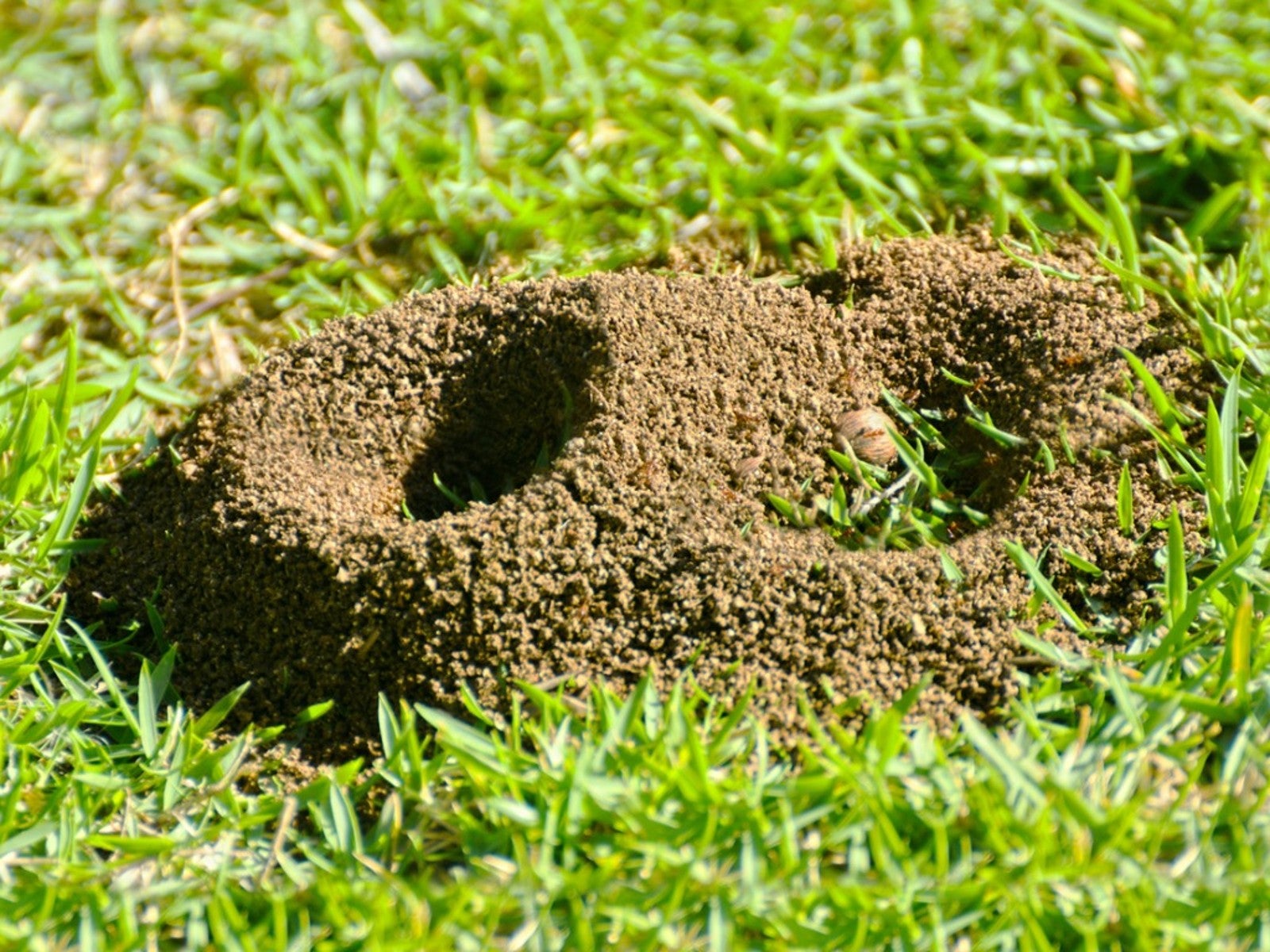
- Ant Mounds: These small piles of excavated soil are often a clear indication of an underground nest. They can be found in various locations, including garden beds, along walkways, or directly in the lawn.
- Presence of Aphids: Many ant species farm aphids for their sugary honeydew. If you notice aphids on your plants, ants are likely nearby.
- Winged Ants (Swarmers): During mating season, reproductive ants with wings emerge from established colonies. Spotting these can indicate a mature, nearby colony.
Common Nesting Sites in Lawns
Ants prefer dry, protected locations for their nests. In a lawn setting, this often includes:
- Under rocks or logs: These provide shelter and a stable environment.
- Beneath patio stones or pavers: Cracks and crevices offer entry points.
- Near sprinkler heads or irrigation systems: Moisture can be an attractant.
- In areas with compacted soil: This can make digging easier for some species.
- Around tree roots or stumps: These offer structure and potential food sources.
Natural Ant Control Lawn Strategies
There are numerous ways to manage ants in your lawn without resorting to synthetic pesticides. These natural ant control lawn methods focus on disruption, deterrence, and the use of safer, naturally derived substances.
Disrupting Ant Trails and Nests
A fundamental aspect of natural ant control lawn is disrupting their established routines.
- Boiling Water: A simple yet effective method for directly targeting visible nests. Carefully pour boiling water directly into the entrance of ant mounds. This can kill a significant number of ants and disrupt the colony. Repeat applications may be necessary. Be cautious when using boiling water around desirable plants, as it can harm them too.
- Vinegar Solution: Mix equal parts white vinegar and water in a spray bottle. Spray this solution directly onto ant trails and mounds. The acidity of the vinegar disrupts their scent trails, confusing them and making it difficult for them to navigate. The smell can also deter them.
Using Natural Deterrents
Certain natural substances can make your lawn less appealing to ants.
- Essential Oils: Peppermint oil, tea tree oil, and citrus oils are known ant deterrents. Mix a few drops of these oils with water in a spray bottle and apply to ant trails and entry points. The strong scents can overwhelm ants’ senses and drive them away.
- Cinnamon: Ants dislike the strong smell of cinnamon. Sprinkle ground cinnamon around ant mounds and along frequented pathways.
- Coffee Grounds: Used coffee grounds, when sprinkled around ant activity areas, can act as a natural repellent. The acidity and texture are thought to be off-putting to ants.
Effective DIY Ant Removal Lawn Techniques
When you need a hands-on approach to tackle ants, DIY ant removal lawn solutions offer practical and often budget-friendly options.
Borax Ant Killer Lawn Applications
Borax ant killer lawn treatments are a popular DIY choice. Borax is a naturally occurring mineral that, when ingested by ants, disrupts their digestive systems and can lead to dehydration.
How Borax Works:
Borax acts as a stomach poison for ants. When ants consume bait mixed with borax, it interferes with their ability to absorb nutrients and water. This ultimately leads to their demise. It’s important to note that borax is most effective when ants ingest it directly.
DIY Borax Bait Recipes:
-
Sugar and Borax Mix:
- 1 part Borax
- 3 parts granulated sugar
- Water (to form a paste or thick liquid)
Mix the borax and sugar thoroughly. Add just enough water to create a paste or a thin syrup. Place this mixture in shallow containers (like bottle caps or small saucers) near ant trails or nests. The sugar attracts the ants, and they carry the borax-laden bait back to the colony, sharing it with others.
-
Peanut Butter and Borax:
- 1 part Borax
- 3 parts creamy peanut butter
Mix the borax and peanut butter thoroughly. This creates a highly attractive bait for ants due to the fat and protein content in the peanut butter. Place small amounts of this mixture on cardboard pieces or bottle caps near ant activity.
Important Considerations for Borax:
- Placement: Place bait stations out of reach of children and pets.
- Patience: Borax is not an instant kill. It takes time for ants to ingest enough bait and for it to affect the colony.
- Effectiveness: This method is most effective against sugar-feeding ants.
Diatomaceous Earth Ants Lawn Applications
Diatomaceous earth (DE) is a natural product made from fossilized aquatic organisms. When used for diatomaceous earth ants lawn applications, it acts as a mechanical killer.
How Diatomaceous Earth Works:
Food-grade diatomaceous earth has microscopic sharp edges that scratch the outer exoskeleton of insects, including ants. This damage causes them to dehydrate and die. It is a non-toxic method for controlling ants.
Using Diatomaceous Earth:
- Direct Application: Lightly sprinkle a thin layer of food-grade diatomaceous earth around ant mounds, along ant trails, and near entry points into your lawn or garden.
- Reapplication: DE needs to be reapplied after rain or watering, as moisture can clump it together and reduce its effectiveness.
- Caution: While safe for humans and pets, avoid inhaling the dust. It’s best to apply it on a calm day.
Powerful Ant Bait Lawn Strategies
Ant bait lawn treatments are designed to lure ants to a poisoned food source. The ants then carry the bait back to their colony, effectively poisoning the queen and other ants. This is often the most efficient way to eliminate entire ant colonies lawn.
How Ant Baits Work
Ant baits typically consist of an attractant (like sugar or protein) combined with a slow-acting poison. The slow-acting nature is crucial. If the poison kills the ant too quickly, it won’t have a chance to share it with the colony.
Types of Ant Baits
- Gel Baits: These are often the most effective for many ant species. They come in a paste or gel form and can be applied directly to ant trails or in bait stations.
- Granular Baits: These are small granules that ants carry back to their nests. They are good for broadcasting over larger areas.
- Liquid Baits: Similar to gels, these are liquid formulations that ants consume.
Choosing the Right Ant Bait Lawn Product
When selecting a commercial ant killer for lawn, look for products specifically designed for ants and consider the active ingredients. Some common and effective active ingredients in ant baits include:
- Fipronil: A broad-spectrum insecticide that works well against many ant species.
- Hydramethylnon: Another effective slow-acting poison that ants readily consume.
- Borax: As mentioned earlier, borax is also used in some commercial baits.
When to Use Commercial Ant Killer for Lawn:
While natural methods are excellent, sometimes a more robust ant killer for lawn is necessary, especially for severe infestations or aggressive ant species. Look for products labeled for lawn use and follow application instructions carefully.
Preventing Ants in Yard: Long-Term Solutions
The most effective way to manage ants is to prevent them from establishing colonies in your yard in the first place. Preventing ants in yard involves creating an environment that is less attractive to them.
Eliminating Food and Water Sources
Ants are drawn to readily available food and water.
- Clean Up Spills: Promptly clean up any sugary spills from outdoor gatherings, picnics, or fallen fruit from trees.
- Secure Trash Cans: Ensure your outdoor trash cans have tight-fitting lids. Rinse them out periodically to remove residue.
- Pet Food: Do not leave pet food outdoors for extended periods.
- Water Sources: Fix leaky outdoor faucets or hoses that might create persistent puddles. Ensure your lawn isn’t overwatered, as this can attract ants looking for moisture.
Managing Your Lawn’s Health
A healthy lawn is less susceptible to ant infestations.
- Proper Mowing and Watering: Maintain your lawn at the appropriate height and water deeply but infrequently. This encourages deeper root growth and can make the soil less appealing to ants for nesting.
- Aeration: Aerating your lawn helps to reduce soil compaction, which can make it harder for ants to establish deep colonies.
- Fertilization: A well-fertilized lawn is more vigorous and can better withstand minor ant damage.
Physical Barriers and Deterrents
Creating physical barriers can help keep ants out of specific areas.
- Diatomaceous Earth: As mentioned, a perimeter of DE around patios, garden beds, or the foundation of your house can deter ants.
- Cornmeal: Some people report success with cornmeal as a deterrent. The theory is that ants eat it, but cannot digest it, leading to their demise. While anecdotal, it’s a harmless option to try.
- Cinnamon and Pepper: Similar to their use in direct treatment, sprinkling these around the perimeter of your yard can act as a deterrent.
Professional Ant Extermination Lawn Services
In cases of severe or persistent ant problems, or when dealing with specific aggressive ant species (like fire ants), professional ant extermination lawn services may be the best ant treatment lawn option.
When to Call the Professionals
- Widespread Infestation: If ant activity is extensive throughout your entire lawn and garden.
- Aggressive Ant Species: If you suspect you are dealing with stinging ants like fire ants, which can be dangerous.
- DIY Failure: If you have tried multiple DIY methods without success.
- Identifying Species: Professionals can accurately identify ant species and tailor treatments accordingly.
What Professionals Offer
- Accurate Diagnosis: They can identify the type of ant and the extent of the infestation.
- Targeted Treatments: Professionals have access to a range of effective treatments, including baits and barrier sprays, that are not available to the public.
- Safety: They are trained in the safe and effective application of pesticides, minimizing risks to humans, pets, and the environment.
- Guaranteed Results: Many professional services offer guarantees on their treatments.
Best Ant Treatment Lawn: A Comparative Approach
Deciding on the best ant treatment lawn often depends on the severity of the infestation, the type of ants, and your personal preferences regarding chemical use.
| Treatment Method | Effectiveness | Natural/Chemical | Speed of Action | Long-Term Prevention | Notes |
|---|---|---|---|---|---|
| Natural Deterrents | Low to Moderate | Natural | Slow | Moderate | Best for minor issues or as a supplementary measure. Requires consistent reapplication. |
| Boiling Water/Vinegar | Moderate (targets visible nests) | Natural | Moderate | Low | Effective for immediate nest disruption but may not eliminate the entire colony. Use caution around plants. |
| DIY Borax Bait | Moderate to High (for sugar-feeding ants) | Natural (Mineral) | Slow | Moderate | Requires patience. Effective when ants carry it back to the colony. Keep away from children and pets. |
| Diatomaceous Earth | Moderate (mechanical killer) | Natural | Moderate | Moderate | Effective for physical disruption. Needs reapplication after moisture. Ensure food-grade DE is used. |
| Commercial Ant Baits | High | Chemical (often) | Slow to Moderate | Moderate | Highly effective for colony elimination. Choose products formulated for lawn use. Follow label instructions precisely. |
| Professional Extermination | Very High | Chemical (often) | Fast to Moderate | High | Recommended for severe infestations or aggressive ant species. Offers expertise and tailored solutions. |
Frequently Asked Questions About Lawn Ants
Q1: How long does it take for natural ant control methods to work?
A1: Natural methods often take longer to show results compared to chemical treatments. Patience is key, and repeated applications may be necessary. You might see a reduction in ant activity within a few days to a couple of weeks.
Q2: Can I use ant killer for lawns on my vegetable garden?
A2: It’s crucial to check the product label. Many general ant killer for lawn products are not safe for use on edible plants. Look for organic or natural pest control solutions specifically approved for vegetable gardens if ants are a problem there.
Q3: Are ants in my lawn always a bad thing?
A3: While large colonies can be problematic, a small number of ants can actually be beneficial. They help aerate the soil and can prey on other lawn pests. However, when ant activity becomes excessive or causes visible damage, intervention is usually necessary.
Q4: What is the best ant treatment lawn for fire ants?
A4: Fire ants are particularly aggressive and can deliver painful stings. For fire ant mounds, specialized ant bait lawn products designed to target fire ants are often the most effective. Professional ant extermination lawn services are also highly recommended for fire ant infestations due to their persistent nature and the potential danger they pose.
Q5: How can I get rid of ants around my patio without harming my grass?
A5: When treating ants near a patio, focus on the ant trails and entry points. DIY ant removal lawn techniques like using a diluted vinegar spray or placing borax bait in small containers at the edge of the patio can be effective. Diatomaceous earth ants lawn applications around the perimeter can also create a barrier.
By implementing a combination of these natural, DIY, and sometimes professional strategies, you can effectively control ants in your lawn and maintain a healthy, beautiful outdoor space. Remember, consistency and a proactive approach to preventing ants in yard are your best allies.