
Are dandelions ruining your beautiful lawn? Yes, you can control dandelions in your lawn using natural methods. This guide will explore the best ways to get rid of dandelions and keep them from coming back.
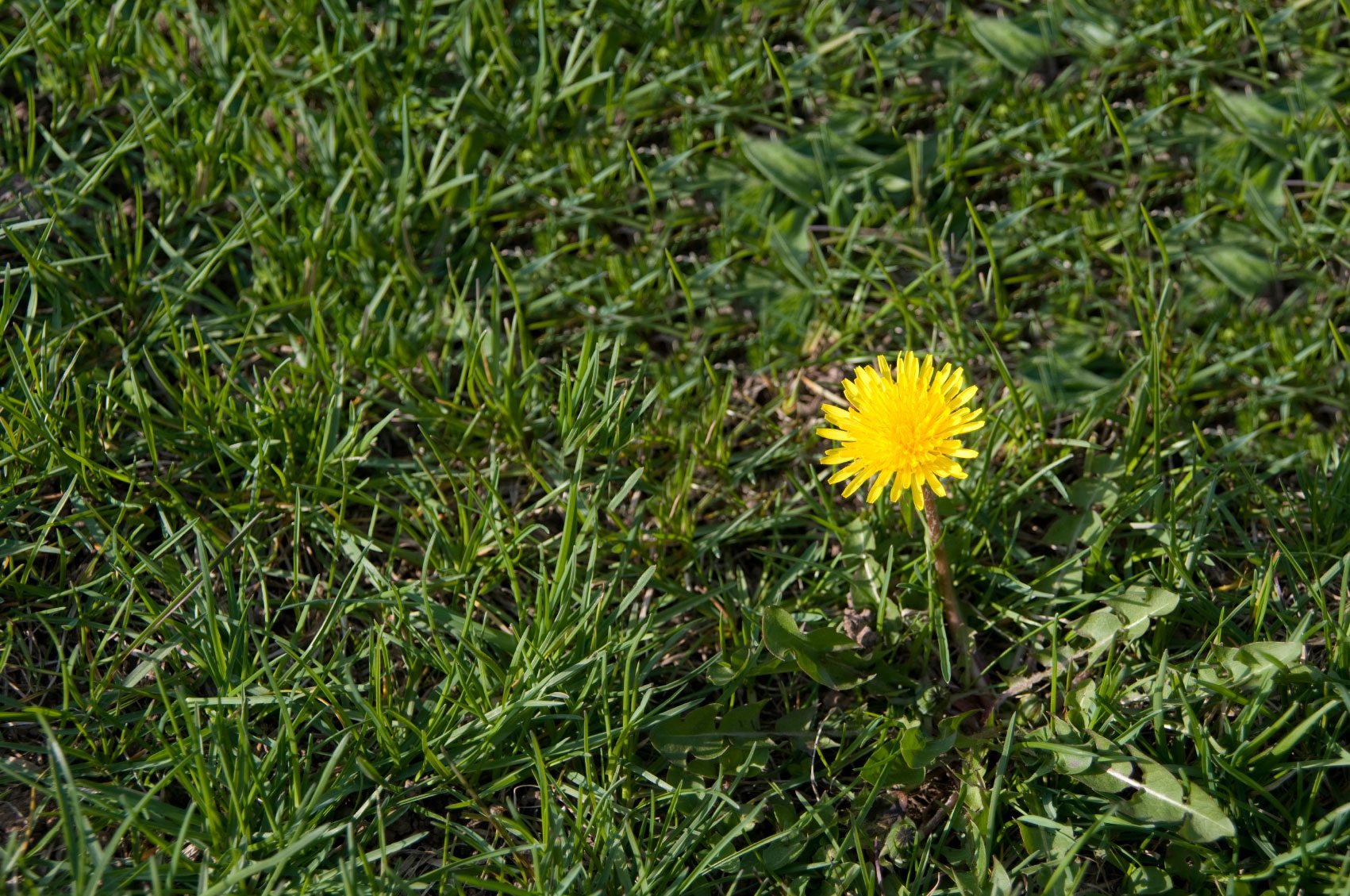
Image Source: cdn.mos.cms.futurecdn.net
Why Dandelions Appear in Your Lawn
Dandelions, with their bright yellow flowers and fluffy seed heads, are more than just a nuisance. They are a sign that your lawn might not be as healthy as it could be. These hardy weeds thrive in compacted soil, thin turf, and areas with low fertility. They have a long taproot that can grow deep into the ground, making them tough to remove.
Common Causes of Dandelion Infestations
- Compacted Soil: When soil is packed too tightly, it hinders healthy grass growth. Dandelions, with their strong roots, can easily push through this tough ground.
- Thin Turf: Bare patches or thin areas in your lawn give dandelions the space and sunlight they need to sprout and grow.
- Low Soil Fertility: Grass needs nutrients to grow thick and strong. If your soil lacks these, dandelions will take advantage of the available resources.
- Improper Mowing: Mowing your grass too short weakens it, making it more susceptible to weeds like dandelions.
- Dormant Grass: During dry spells or winter, grass can go dormant. Dandelions, being more resilient, can often survive and even thrive during these times.
Natural Dandelion Control Strategies
There are many effective ways to tackle dandelions without resorting to harsh chemicals. These natural methods focus on improving your lawn’s health and using targeted weed removal.
Mechanical Dandelion Removal: The Power of Pulling
One of the most direct ways to control dandelions is through mechanical removal. This means physically taking them out of your lawn. The best way to kill dandelions when you see them is to pull them out by the root.
Getting Rid of Dandelion Roots
The key to successful mechanical removal is to get rid of dandelion roots. Dandelions have a deep taproot, sometimes over a foot long. If you leave even a small piece of the root behind, the plant can regrow.
- Timing is Crucial: The ideal time to pull dandelions is after a good rain or watering. The soil will be softer, making it easier to pull the entire root system without breaking it.
- Use the Right Tools: A specialized dandelion weeder or a sturdy knife can help loosen the soil around the root. These tools are designed to reach deep and get under the taproot.
- Pull Carefully: Gently rock the tool back and forth while pulling upward. Aim to remove the entire taproot.
- Dispose Properly: Don’t leave pulled dandelions on your lawn, as they can re-root or go to seed. Compost them if possible, or put them in a bag for disposal.
Other Mechanical Methods
- Hoeing: For dandelions in garden beds or pathways, a sharp hoe can be used to slice them off at the soil line. This is most effective on young plants before they go to seed.
- Edging Tools: A flat spade or edging tool can be used to cut around the base of the dandelion and lift it out, root and all.
Homemade Dandelion Killer Solutions
When you need a quick fix, homemade dandelion killer solutions can be effective, especially for spot treatment. These often use common household ingredients.
Vinegar Solution
White vinegar is a natural herbicide. Acetic acid in vinegar can burn the leaves and stems of weeds.
- Ingredients:
- 1 gallon of white vinegar (5% acidity)
- 1 tablespoon of liquid dish soap
- Optional: 1 tablespoon of salt (use sparingly, as salt can harm grass if applied too broadly)
- Instructions:
- Mix all ingredients in a garden sprayer.
- Spray directly onto the dandelion leaves and flowers.
- Best used on a sunny, dry day. The sun helps the vinegar work faster.
- Important: Avoid spraying your desired grass or other plants, as vinegar will kill them too. It’s best for spot treatment.
Boiling Water
A simple yet effective method for spot treatment.
- Instructions:
- Boil a kettle or pot of water.
- Carefully pour the boiling water directly onto the dandelion, ensuring you cover the plant and the base of the stem.
- This will kill the plant, including the top part of the root. You may need to repeat this for stubborn plants or larger dandelions.
Citrus Oil Spray
Citrus oils, like d-limonene, are also effective contact herbicides.
- Ingredients:
- Commercial citrus-based weed killer (read label carefully) or create your own by mixing citrus oil with a mild soap.
- Instructions:
- Follow product instructions or mix about 2 tablespoons of citrus oil with 1 tablespoon of mild liquid soap in a gallon of water.
- Spray directly on dandelions.
- Like vinegar, this will kill any plant it touches, so use it carefully.
Organic Dandelion Removal: Embracing Nature’s Methods
Organic dandelion removal focuses on long-term lawn health and sustainable practices. These methods aim to create an environment where grass thrives and dandelions struggle.
Improving Lawn Health
The most effective natural dandelion control is to have a healthy, dense lawn. Healthy grass outcompetes weeds for sunlight, water, and nutrients.
- Proper Mowing: Mow your grass at the higher end of the recommended height for your grass type (usually 3-4 inches). This shades the soil, preventing weed seeds from germinating and helps grass roots grow deeper.
- Adequate Watering: Water deeply and less frequently. This encourages deeper root growth in your grass, making it more resilient. Aim for about 1 inch of water per week, adjusting for weather.
- Soil Aeration: If your soil is compacted, aerate your lawn. This allows air, water, and nutrients to reach the grass roots.
- Fertilization: Feed your lawn with organic fertilizers. This improves soil structure and provides nutrients for healthy grass growth.
Corn Gluten Meal
Corn gluten meal is a natural pre-emergent herbicide. It works by inhibiting root formation in germinating seeds.
- How it Works: When applied at the right time, it can prevent dandelion seeds (and other weed seeds) from establishing roots. It also provides nitrogen as it breaks down, acting as a fertilizer.
- When to Treat Dandelions: Apply corn gluten meal in early spring, before dandelion seeds germinate (usually when forsythia bushes are in bloom). A second application in the fall can also be beneficial.
- Application: Spread a thin layer evenly over your lawn. It’s best applied to dormant or established turf.
Natural Herbicides for Dandelion Treatment Lawn
While the goal is often preventing dandelions in grass, sometimes you need an effective dandelion weed killer that is still natural.
- Flame Weeding: For areas like patios, driveways, or between pavers, a propane torch can be used to “flame weed.” Briefly passing the flame over the weed causes its cells to rupture, killing the plant. Be extremely cautious with this method, especially in dry conditions, to avoid fire hazards.
- Salt: As mentioned earlier, salt can kill plants, but it also sterilizes the soil and can harm grass. Use it very sparingly and only on hard surfaces or in areas where you don’t want anything to grow.
Preventing Dandelions in Grass: Long-Term Solutions
The best approach to controlling dandelions is to prevent them from appearing in the first place. This involves creating a lawn environment that favors grass and discourages weeds.
Creating a Dense Turf
- Overseeding: Regularly overseed your lawn, especially in the fall. This fills in any thin spots and creates a thicker turf that dandelions cannot penetrate.
- Choose the Right Grass Seed: Select grass varieties that are well-suited to your climate and soil conditions. Dense, healthy grass is your best defense.
Proper Lawn Maintenance Practices
- Mowing Height: Maintain a mowing height of 3-4 inches. This promotes deeper root growth and shades the soil.
- Watering Habits: Water deeply and infrequently. This encourages a strong root system.
- Fertilization Schedule: Fertilize your lawn according to a schedule that suits your grass type and climate. Organic fertilizers improve soil health over time.
- Soil Testing: Periodically test your soil to check for nutrient deficiencies or pH imbalances. Adjustments can be made to create optimal growing conditions for grass.
Dandelion Seed Management
Dandelions spread via wind-blown seeds. Each dandelion seed head can produce thousands of seeds, and these seeds can remain viable in the soil for many years.
- Remove Before Seeding: The most crucial step is to remove dandelions before they go to seed. This means pulling them as soon as you see them, ideally before they form those characteristic white puffballs.
- Clean Lawn Equipment: Ensure your mower and other lawn equipment are clean to avoid spreading dandelion seeds to new areas.
When to Treat Dandelions
Knowing when to treat dandelions is key to effective control, whether you’re pulling them or using a natural herbicide.
Early Spring is Critical
The most effective time to tackle dandelions is in early spring, just as they begin to sprout or flower.
- Pre-Emergent Control: Applying corn gluten meal in early spring can help prevent seeds from germinating.
- Pulling Young Plants: Dandelions are easiest to pull when they are young and the soil is moist. Their taproots are less developed, making removal more complete.
- Spot Treatment: If you see young dandelions appearing, this is the ideal time to use your homemade vinegar spray or boiling water for spot treatment.
Throughout the Growing Season
Dandelions can pop up throughout the spring and summer.
- Continuous Monitoring: Keep an eye on your lawn and pull any dandelions you see as soon as possible, especially before they bloom.
- Replenish Thin Spots: If you have areas where dandelions are a persistent problem, consider overseeding those spots in the fall or spring to encourage denser grass growth.
Fall Treatments
- Corn Gluten Meal: A fall application of corn gluten meal can help prevent some of the seeds that may have dropped from overwintering and germinating the following spring.
- Soil Improvement: Fall is a good time to aerate, dethatch, and fertilize your lawn to build its strength for the next season, making it more resistant to weeds.
Natural Dandelion Control: A Comparison
Here’s a look at some common natural methods and their effectiveness.
| Method | Effectiveness (Killing Dandelions) | Best For | Pros | Cons |
|---|---|---|---|---|
| Mechanical Removal | High (if root removed) | Individual weeds, any lawn stage | Very effective if done correctly, no chemicals, good for soil health | Labor-intensive, requires consistent effort |
| Vinegar Spray | Medium (contact kill) | Spot treatment, young dandelions | Readily available, natural ingredients | Can harm grass, may need repeat applications, not effective on roots |
| Boiling Water | Medium (contact kill) | Spot treatment, small infestations | Simple, no chemicals, readily available | Can harm grass, may not kill deep roots, risk of burns |
| Corn Gluten Meal | Pre-emergent (prevents growth) | Prevention, early spring/fall | Natural pre-emergent, fertilizes lawn | Not effective on existing dandelions, timing is critical |
| Improving Lawn Health | High (long-term prevention) | Entire lawn | Creates a resilient lawn, environmentally friendly | Takes time and consistent effort, not an immediate fix |
| Salt Solution | High (but sterilizes soil) | Hard surfaces, paths, driveways | Kills weeds effectively | Sterilizes soil, will kill grass and beneficial soil microbes, harmful to environment |
| Flame Weeding | High (contact kill) | Patios, driveways, cracks | Quick, no chemicals | Fire hazard, not for lawns, can scorch soil |
Addressing Stubborn Dandelions
Some dandelions are more persistent than others. If you’ve tried pulling and natural sprays, here are a few more options for dandelion treatment lawn care:
- Repeat Pulling: If you miss a root piece, that dandelion will likely return. Make it a habit to regularly scout your lawn and pull any new sprouts.
- Dandelion Diggers: These tools have a “fork” or “V” shape at the end designed to get under the taproot and lever it out. They can be very effective for larger or older dandelions.
- Soil Improvement: Continue to focus on improving your soil health. Dandelions thrive in poor conditions. As your grass gets stronger, it will naturally push out weeds.
Final Thoughts on Natural Dandelion Control
Controlling dandelions naturally is a journey, not a single event. It requires patience and consistent effort. By focusing on preventing dandelions in grass through healthy lawn practices and employing targeted mechanical and natural removal methods, you can achieve a beautiful, weed-free lawn without the use of harsh chemicals. Remember, a healthy lawn is your best defense against all types of weeds.
Frequently Asked Questions (FAQ)
Q1: What is the absolute best way to kill dandelions naturally?
A1: The absolute best natural way to kill dandelions is by pulling them out by the root. This prevents them from regrowing and is most effective when the soil is moist.
Q2: Can I use boiling water to kill dandelions in my lawn?
A2: Yes, you can use boiling water for spot treatment. Pour it directly onto the dandelion, being careful not to spill it on your grass or plants, as it will kill them too. It’s most effective on younger plants.
Q3: How do I get rid of dandelion roots effectively?
A3: To get rid of dandelion roots effectively, use a dandelion weeder or a sturdy knife to loosen the soil around the taproot. Gently rock the tool while pulling upward to extract the entire root. The best time to do this is when the soil is moist after rain or watering.
Q4: Are there any homemade dandelion killers that are safe for grass?
A4: While many homemade solutions like vinegar or salt can kill dandelions, they can also harm or kill your grass. For spot treatments where you are careful to only spray the weed, they can be used. Improving lawn health is the safest way to ensure grass thrives and outcompetes dandelions.
Q5: When should I treat dandelions for the best results?
A5: You should treat dandelions in early spring when they are young and before they go to seed. Regular monitoring and removal throughout the growing season are also important. Applying pre-emergent controls like corn gluten meal in early spring is also a key preventative step.
Q6: What is an effective dandelion weed killer that is organic?
A6: Mechanical removal (pulling) is a highly effective organic method. Corn gluten meal is an organic pre-emergent that prevents seeds from germinating. For existing weeds, carefully applied vinegar solutions or commercial organic herbicides can work as contact killers.
Q7: How can I stop preventing dandelions in grass?
A7: Preventing dandelions in grass involves several key practices: maintain a healthy, dense turf by mowing at the correct height, watering deeply and infrequently, aerating compacted soil, and overseeding thin areas. Remove dandelions before they produce seeds.
Q8: Is there a specific dandelion treatment lawn care routine?
A8: A good dandelion treatment lawn care routine involves early spring application of corn gluten meal (optional), regular mowing at a higher setting, consistent watering, manual removal of any visible dandelions before they seed, and addressing any soil health issues. Fall overseeding and fertilization also contribute to a robust lawn that resists weeds.