
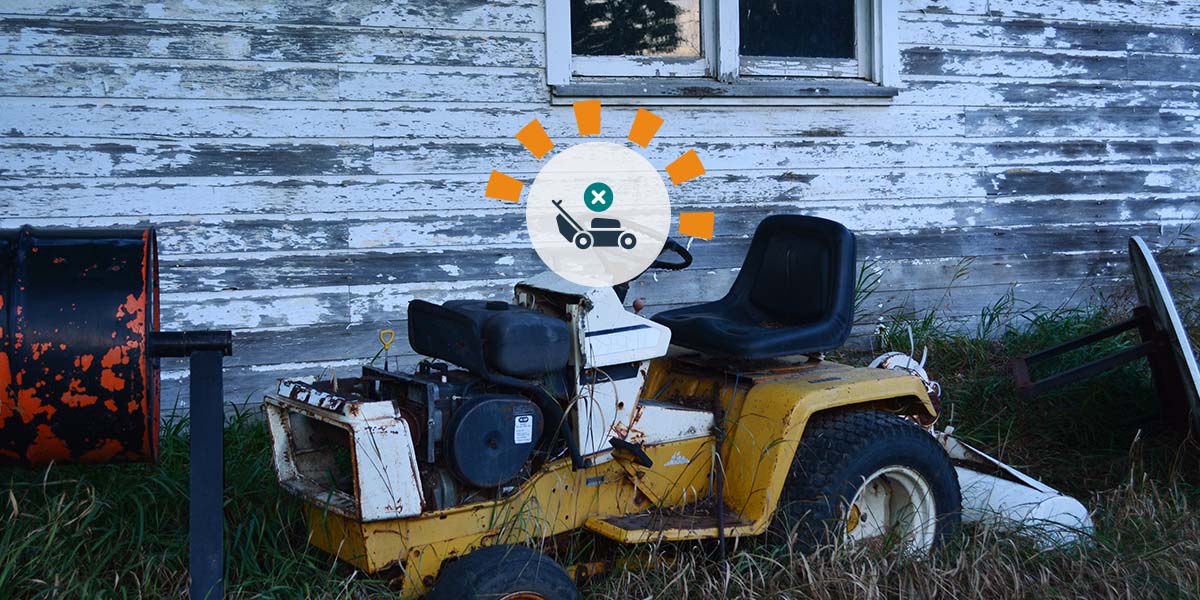
Image Source: dumpsters.com
How To Dispose Of A Riding Lawn Mower Safely and Eco-Friendly
So, you need to get rid of your old riding lawn mower. Can you just leave it on the curb? No, you can’t just leave it on the curb. Proper riding mower disposal involves more than simply abandoning your old machine. It requires a thoughtful approach to ensure safety for yourself and the environment. This guide will walk you through the best methods for handling your unwanted lawn tractor removal, from selling to recycling, and what to do with any hazardous materials.
Why Proper Disposal Matters
Throwing away a riding lawn mower without care can lead to several problems. Firstly, these machines contain various materials that can be harmful if not managed correctly. Think of the engine oil, gasoline, battery acid, and other fluids. If these leak into the ground, they can contaminate soil and water sources, harming plants, animals, and even people. This is why hazardous waste disposal lawn mower is a critical consideration.
Secondly, a significant portion of a riding lawn mower is made of metal. This metal can be recycled, giving it a new life and reducing the need to mine for new resources. This aligns with the principles of environmentally friendly mower disposal and lawn mower recycling.
Lastly, simply leaving a large, non-functional piece of equipment like a riding mower on the curb can be unsightly and may even result in fines from your local municipality. It’s not just about what’s inside the mower; it’s also about responsible land stewardship.
Exploring Your Disposal Options
When it’s time to say goodbye to your trusty steed of the lawn, you have several excellent options. Each has its own benefits, and the best choice for you will depend on the mower’s condition, your local resources, and your personal preferences.
1. Selling Your Used Riding Mower
If your riding mower is still in working condition, even if it’s a bit worn, selling it is often the most financially rewarding and environmentally sound option. Someone else might be looking for an affordable way to maintain their property, and your mower could be just what they need.
Where to Sell
- Online Marketplaces: Websites like Craigslist, Facebook Marketplace, and eBay are popular platforms for selling used equipment. Be sure to take clear, well-lit photos of your mower from all angles.
- Local Classifieds: Don’t underestimate the power of local newspapers or community bulletin boards.
- Farm and Equipment Dealers: Some dealerships may buy used equipment or offer consignment services.
- Yard Sales: A classic method for selling items directly to your neighbors.
Tips for a Successful Sale
- Clean it Up: A clean mower looks more appealing and suggests it was well-maintained. Wash it, remove any grass clippings, and wipe down surfaces.
- Be Honest: Accurately describe the mower’s condition, including any known issues or repairs. This builds trust with potential buyers.
- Provide Maintenance Records: If you have them, service records can be a big selling point.
- Set a Fair Price: Research similar models in your area to get an idea of market value.
- Safety First: When arranging viewings or test drives, meet in a public place if possible, or have someone with you at your home.
Selling vs. Other Options
Selling your used riding mower is a great way to recoup some of your investment and ensure the machine continues to be used, rather than immediately becoming waste. This is often preferred over simply trying to junk my riding mower without exploring sale possibilities.
2. Donating Your Riding Mower
If selling isn’t feasible or you simply want to give back, donating your riding mower is a fantastic alternative. Many organizations can benefit from functional lawn equipment.
Where to Donate
- Community Centers and Parks: Local organizations that maintain public spaces might appreciate a working mower.
- Schools with Agricultural Programs: Vocational schools or schools with landscaping programs could use your mower for training.
- Churches and Religious Institutions: Many have grounds to maintain and may welcome a donation.
- Habitat for Humanity ReStores: While they primarily sell home goods, some ReStores accept tools and equipment. It’s best to call ahead and check their policy.
- Non-profits that Help Low-Income Families: Some charities provide equipment to help families maintain their homes.
Considerations for Donation
- Check the Condition: Most organizations prefer working equipment. If your mower needs minor repairs, consider fixing it before donating to make it more useful.
- Tax Deductions: Keep records of your donation, as it may be tax-deductible. Get a receipt from the organization.
- Transportation: You’ll likely need to arrange for the mower to be transported to the donation center.
3. Riding Mower Disposal Services and Scrap Yards
If your riding mower is beyond repair and you can’t find a buyer or a donation recipient, it’s time to consider more direct disposal methods.
Professional Riding Mower Disposal Services
Many companies specialize in junk removal and lawn tractor removal. These services offer convenience by picking up your mower directly from your property.
- How They Work: You typically schedule a pickup time, and the service will come to your location. They will then transport the mower to be properly disposed of, often prioritizing recycling.
- Costs: Fees can vary based on your location, the size of the mower, and any additional services required (like draining fluids). It’s wise to get quotes from a few different providers.
- Benefits: This is a hassle-free option, especially if you don’t have the means to transport the mower yourself. They are experienced in handling proper riding mower disposal.
Scrap Yards and Metal Recyclers
Scrap yards are equipped to handle large metal items like riding lawn mowers. They will typically pay you for the weight of the metal.
- What to Expect: You’ll need to transport the mower to the scrap yard. They will then weigh it and pay you based on current scrap metal prices.
- Preparing the Mower: Before taking it to a scrap yard, it’s crucial to drain all fluids (gasoline, oil, coolant, battery acid) as these are considered hazardous waste and cannot be left in the mower when it’s scrapped. You may also need to remove the battery separately.
- How to Scrap a Riding Mower: The process involves separating the metal from non-metal components. Scrap yards have facilities to do this efficiently.
Junk My Riding Mower Services
This is essentially another term for professional disposal services. If you’re looking to “junk my riding mower,” these are the companies you’ll be calling.
4. Local Recycling Centers and Transfer Stations
Some municipal recycling centers or transfer stations accept large items like riding lawn mowers.
- Check Local Regulations: It’s vital to contact your local waste management authority or recycling center to inquire about their policies. Some may have specific drop-off days or require appointments for large items.
- Fees: There might be a disposal fee associated with dropping off the mower, especially if it’s considered bulky waste.
- Fluid Drainage: You will almost certainly be required to drain all fluids (gas, oil, battery acid) before drop-off.
Handling Hazardous Materials
This is arguably the most critical aspect of environmentally friendly mower disposal. Riding lawn mowers contain several hazardous materials that require special handling.
Gasoline and Oil
- Drainage: Before disposing of your mower, drain all gasoline and engine oil.
- Safe Storage: Store drained gasoline in a U.S. Department of Transportation (DOT) approved container. Do not store it in old plastic milk jugs or other unsuitable containers, as gasoline can degrade plastic and cause leaks.
- Disposal: Never pour gasoline or oil down a drain, into the sewer system, or onto the ground. Many auto parts stores, hazardous waste collection sites, or your local landfill’s hazardous waste facility will accept used motor oil and gasoline for proper disposal or recycling.
Batteries
- Type: Riding lawn mowers typically use lead-acid batteries, which are highly corrosive and contain toxic heavy metals.
- Removal: Carefully remove the battery. Wear gloves and eye protection.
- Disposal: Lead-acid batteries are recyclable. Most places that sell car or lawn mower batteries will accept old ones for recycling. Many auto parts stores, battery retailers, and hazardous waste collection sites have battery recycling programs. Do NOT throw them in your regular trash.
Other Fluids
- Coolant/Antifreeze: If your mower has a liquid-cooled engine, you’ll need to drain and dispose of the coolant properly. Antifreeze is toxic and should be taken to a hazardous waste collection site.
- Brake Fluid: If applicable, brake fluid also needs to be disposed of as hazardous waste.
Important Note: Always consult your local waste management guidelines for specific instructions on hazardous waste disposal lawn mower in your area. They can provide information on designated drop-off locations and any specific requirements.
Step-by-Step Guide to Proper Riding Mower Disposal
Let’s break down the process into actionable steps to ensure you’re disposing of your riding mower safely and responsibly.
Step 1: Assess the Mower’s Condition
- Working Order: Is it running, or does it just need a minor fix?
- Cosmetic Issues: Is it just rusty, or are there significant structural problems?
- Completeness: Are all major parts present, or has some been salvaged already?
Step 2: Choose Your Disposal Method
Based on your assessment, decide if selling, donating, or scrapping is the best route.
Step 3: Prepare the Mower
- Clean: Give it a good wash.
- Remove Accessories: Take off any attachments you want to keep (e.g., trailer hitch, bagging system).
- Drain Fluids (Crucial for Recycling/Scrapping):
- Gasoline: Use a siphon pump to transfer to an approved container.
- Engine Oil: Locate the drain plug, place a catch pan underneath, and drain the oil. Transfer to a sealed container.
- Battery Acid: If the battery is leaking or you are not recycling it immediately, ensure it is upright.
- Disconnect Battery: Remove the battery for separate recycling.
Step 4: Execute Your Chosen Method
- Selling: List it online or locally. Arrange viewings and sales.
- Donating: Contact the organization, arrange transport, and get your receipt.
- Scrapping/Recycling:
- Transport the drained mower to a local scrap yard or recycling center.
- If using a riding mower disposal services company, schedule your pickup.
Step 5: Dispose of Hazardous Materials Separately
- Gasoline: Take to a proper collection point or authorized facility.
- Motor Oil: Take to an auto parts store or collection site.
- Batteries: Take to a battery retailer or hazardous waste facility.
- Coolant/Other Fluids: Take to a hazardous waste collection site.
The Environmental Impact of Recycling
Recycling is a cornerstone of responsible disposal. When you participate in lawn mower recycling, you’re contributing to a healthier planet in several ways:
- Resource Conservation: Metals like steel and aluminum are valuable resources. Recycling them reduces the need for mining, which can be an environmentally damaging process.
- Energy Savings: Producing goods from recycled materials often requires significantly less energy than producing them from raw materials.
- Pollution Reduction: Recycling helps reduce air and water pollution associated with manufacturing and mining.
- Waste Diversion: Keeping large items like riding mowers out of landfills conserves valuable landfill space.
What if I Can’t Drain the Fluids Myself?
If you are unable to safely drain the fluids from your riding mower, it’s best to hire a professional riding mower disposal services company. They have the expertise and equipment to handle hazardous materials safely and will ensure they are disposed of according to regulations. Trying to dispose of a mower with fluids still in it can lead to environmental damage and potential fines.
FAQs About Riding Mower Disposal
Here are some common questions people have when it comes to disposing of their riding lawn mowers:
Q1: Can I take my riding mower to a regular landfill?
A1: In most areas, large items like riding lawn mowers are not accepted in regular trash collection. Some landfills have designated areas for bulky waste or hazardous materials, but you must check their specific policies first. It’s essential to drain all fluids before any drop-off.
Q2: How do I find a local riding mower disposal service?
A2: You can search online for “junk removal services,” “lawn mower removal,” or “appliance disposal” in your area. Websites like Yelp, Angie’s List, or even a simple Google search can help you find local providers. Always ask if they specialize in equipment disposal and what their environmental practices are.
Q3: Is it illegal to abandon a riding lawn mower?
A3: Yes, abandoning a riding lawn mower or any large equipment is generally illegal and considered illegal dumping. This can result in fines and is detrimental to the environment.
Q4: What is the best way to sell a non-working riding mower?
A4: If your mower is not working, you can try selling it “as-is” to someone who buys used equipment for parts or repair. List it on online marketplaces, clearly stating that it is non-operational and mention any specific issues. You might get a lower price, but it’s still better than scrapping it immediately.
Q5: Can I scrap parts from my riding mower myself?
A5: Yes, you can remove parts like the engine, battery, and metal frame for separate recycling. However, ensure you safely drain all fluids before dismantling. The engine oil and battery acid require special handling.
Q6: What should I do if I find an old riding mower on my property?
A6: If you discover an abandoned riding mower on your property, contact your local municipal waste management or public works department. They can advise you on the proper procedure for its removal, which may involve arranging for a special pickup or providing instructions for self-disposal according to local regulations.
By following these guidelines, you can ensure your old riding lawn mower is disposed of in a way that is safe, responsible, and kind to our planet. Whether you choose to sell, donate, or recycle, proper preparation and adherence to local regulations are key.