
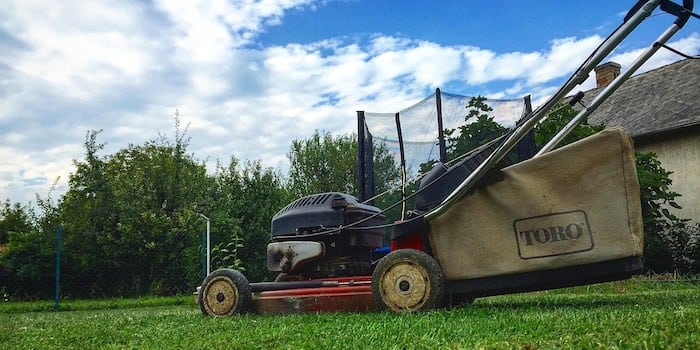
Image Source: goloadup.com
How to Dispose of Lawn Mower Safely: A Step-by-Step Guide
So, you’re wondering, “How do I get rid of my old lawn mower?” You can’t just toss it in the regular trash. This guide will walk you through the safe and responsible ways to handle lawn mower disposal, whether it’s a trusty gas model, a sleek electric mower, or even a robotic one. We’ll cover everything from recycling to donating and hiring professional services.
Preparing Your Mower for Disposal
Before you can hand over your old mower, a bit of prep work is essential. This ensures safety for you and whoever handles it next.
Draining Fuel and Oil (Gas Mowers)
Gas-powered lawn mowers contain hazardous fluids that need careful removal.
h4: Safe Fuel Removal
- Why it’s important: Gasoline is highly flammable and can pollute the environment.
- What you’ll need: A certified fuel drain pan, a funnel, an approved gasoline container, and gloves.
- Steps:
- Ensure the mower is on a flat, stable surface.
- Allow the engine to cool completely.
- Carefully place the fuel drain pan beneath the fuel tank or carburetor.
- Using a siphon or the drain plug (if available), transfer the gasoline into the approved container.
- Never use your mouth to siphon fuel.
- Store the gasoline in a well-ventilated area, away from heat or open flames.
- Many auto parts stores or local recycling centers accept old gasoline.
h4: Oil Disposal
- Why it’s important: Used motor oil is a toxic pollutant.
- What you’ll need: A drain pan, a funnel, an approved oil container, and gloves.
- Steps:
- Locate the oil drain plug on your mower.
- Position the drain pan underneath it.
- Remove the plug and let all the oil drain out.
- Once drained, replace the oil plug securely.
- Pour the used oil into the approved container.
- Seal the container tightly.
- Used motor oil can often be recycled at auto parts stores or hazardous waste facilities.
Disconnecting Batteries (Electric Mowers)
Electric mowers, especially corded or battery-powered models, have different disposal needs.
h4: Battery Handling
- Why it’s important: Batteries, especially lithium-ion, can be hazardous if damaged and contain valuable recyclable materials.
- What you’ll need: Appropriate tools (often a screwdriver or wrench) and gloves.
- Steps:
- Consult your mower’s manual for specific battery removal instructions.
- Safely disconnect the battery terminals.
- Keep the battery away from metal objects to prevent short circuits.
- Check with your local waste management or recycling center for battery recycling programs. Many retailers also offer battery take-back programs.
Cleaning the Mower
A quick clean-up makes the mower more manageable and pleasant for whoever handles it.
h4: Basic Cleaning
- Why it’s important: Removes debris and makes it easier to inspect.
- Steps:
- Brush off loose dirt, grass clippings, and debris from the mower deck and body.
- Wipe down surfaces with a damp cloth.
- Ensure the blades are not exposed or are securely covered if you need to move the mower.
Disposal Options: What Are My Choices?
Once your mower is prepped, you have several avenues for getting rid of it responsibly. Avoid simply leaving it on the curb, as this can lead to fines and environmental harm.
Option 1: Recycling Your Lawn Mower
Recycling is a fantastic way to give your old mower a new life through its metal components.
h4: Lawn Mower Scrap Metal Recycling
- Why recycle? Mowers are largely made of metal (steel, aluminum) which can be melted down and reused, saving energy and resources.
- How to find a recycler:
- Scrap Metal Yards: Search online for “scrap metal recycling near me.” These facilities specifically process metal items.
- Local Recycling Centers: Some municipal recycling facilities accept larger metal items like lawn mowers. Call ahead to confirm.
- Junk Removal Services: Many junk removal services will take items for recycling as part of their service.
- What to expect:
- You might need to transport the mower yourself to the recycling facility.
- Some facilities may pay you a small amount based on the weight of the metal.
- Ensure all fluids (fuel, oil) are drained before taking it to a scrap metal yard.
Option 2: Donating Your Lawn Mower
If your mower is still in working condition, even if it’s old, donating it can help others.
h4: Donating a Working Lawn Mower
- Who accepts donations?
- Community Gardens: Often in need of equipment.
- Local Churches or Non-profits: May use them for grounds maintenance.
- Schools or Vocational Programs: Could use them for training purposes.
- Habitat for Humanity ReStores: Some accept working appliances and tools.
- Online Marketplaces (Freecycle, Buy Nothing groups): List it for free to local individuals.
- What to consider:
- Ensure the mower is in good working order.
- Clean it up before donating.
- Call the organization beforehand to confirm they accept lawn mowers.
Option 3: Selling Your Old Mower
If your mower still runs and is in decent shape, you might be able to get some cash for it.
h4: Selling a Functional Lawn Mower
- Where to sell:
- Online Marketplaces: Craigslist, Facebook Marketplace, eBay.
- Local Classifieds: Community newspapers or websites.
- Garage Sales: A classic way to offload items.
- Tips for selling:
- Take clear, well-lit photos of the mower from all angles.
- Provide an honest description of its condition, including any known issues.
- Include details like brand, model, age, and recent maintenance.
- Price it competitively.
Option 4: Hiring a Mower Removal Service
For convenience or if your mower is beyond repair, a professional service is a great option.
h4: Junk Lawn Mower Removal Services
- When to use this service:
- The mower is broken and unrepairable.
- You lack the time or means to transport it.
- You want a hassle-free disposal solution.
- How it works:
- Find a service: Search for “junk removal services” or “lawn mower removal service” in your area.
- Get a quote: Most services offer free estimates over the phone or online.
- Schedule pickup: They will come to your home and haul away the mower.
- Disposal: Reputable services will ensure the mower is disposed of or recycled properly.
- What to expect:
- Costs can vary based on the service provider and the mower’s size and location.
- Ensure they are licensed and insured.
- Confirm they handle the draining of fluids if necessary.
Option 5: Checking with Your Local Waste Management
Your local municipality often has specific guidelines for bulky item disposal.
h4: Local Landfill or Transfer Station Rules
- Why check local rules? Many landfills have specific drop-off days or procedures for items like lawn mowers. Some may charge a fee.
- How to find information:
- Visit your city or county’s website: Look for sections on waste management, recycling, or bulky item pickup.
- Call your local sanitation department: They can provide the most accurate information.
- Important considerations:
- Hazardous Waste: While some landfills accept scrap metal, they may not accept mowers with drained fuel and oil unless they are properly treated.
- Fees: Be prepared for potential disposal fees.
- Landfill Lawn Mower: If you must take it to a landfill, ensure it’s allowed and follow all their procedures.
Specific Disposal Considerations for Different Mower Types
While many disposal methods overlap, there are nuances for different mower technologies.
Gas Mower Disposal
Gas mowers are the most common and have the most involved disposal due to fuel and oil.
h4: Key Steps for Gas Mower Disposal
- Drain all fuel: Use a siphon and store fuel safely for proper disposal or use.
- Drain all oil: Collect used oil in a sealed container for recycling.
- Remove the spark plug: This prevents accidental starting.
- Recycle: Take to a scrap metal yard or use a junk removal service.
- Check local regulations: Some areas may have specific drop-off days or hazardous waste collection events.
Electric Mower Disposal
Electric mowers are generally easier to dispose of, but battery disposal is key.
h4: Key Steps for Electric Mower Disposal
- Remove the battery: Handle with care and recycle it through appropriate channels.
- Check for hazardous materials: Older electric mowers might contain small amounts of other hazardous components.
- Recycle: Many metal recyclers accept electric mowers. Electronics recycling centers might also be an option, especially for more modern electric or robotic mowers.
- Donate or sell: If functional, these are often easier to find new homes for.
What About Non-Working Mowers?
A broken mower presents a slightly different challenge, but the options remain similar.
Dealing with a Broken Mower
h4: Options for Non-Functional Mowers
- Scrap Metal Recycling: This is often the best route for a non-working mower, as the metal value is still present.
- Junk Removal Service: These services are equipped to handle non-working appliances and machinery.
- DIY Part Salvage: If you’re handy, you might be able to salvage usable parts (like wheels, motors if they are still good, or the blade) before recycling the rest. However, be extremely cautious when handling mower blades.
Table: Comparing Disposal Methods
| Disposal Method | Pros | Cons | Best For |
|---|---|---|---|
| Recycling (Scrap Metal) | Environmentally friendly, recovers valuable materials, often free. | Requires draining fluids, transport may be needed, some facilities have restrictions. | Mowers of any condition, especially those made primarily of metal. |
| Donation | Helps others, environmentally friendly, potentially tax-deductible. | Mower must be in working condition, requires finding a recipient. | Working mowers that are still functional and relatively clean. |
| Selling | Earn money, reduces waste. | Requires effort to list, negotiate, and arrange pickup, mower must be functional. | Working mowers in good cosmetic and mechanical condition. |
| Mower Removal Service | Convenient, hassle-free, handles all logistics. | Costs money, requires finding a reputable service. | Broken mowers, busy individuals, or those who can’t transport. |
| Local Waste Management | Accessible, often included in municipal services. | May have specific days/times, potential fees, requires adherence to rules. | Mowers that cannot be recycled or donated, and local services allow it. |
Frequently Asked Questions (FAQ)
Q1: Can I just throw my old lawn mower in the regular trash?
A1: No, you generally cannot throw a lawn mower in your regular household trash. They are considered bulky items and often contain hazardous materials (fuel, oil, batteries) that require special handling according to local regulations.
Q2: Where can I recycle a lawn mower?
A2: You can recycle a lawn mower at scrap metal yards, some municipal recycling centers, and through junk removal services that prioritize recycling. Always ensure the fuel and oil are drained first.
Q3: Is it safe to drain gasoline from a lawn mower myself?
A3: Yes, it is safe if done correctly. Always work in a well-ventilated area, away from ignition sources, and use proper tools and containers to prevent spills and fires.
Q4: What do I do with the old gasoline and oil?
A4: Old gasoline and oil should not be poured down drains or into the environment. Take them to a local hazardous waste collection facility, an auto parts store that accepts used oil, or a designated recycling center.
Q5: How much does a mower removal service cost?
A5: The cost of a mower removal service varies. It typically depends on your location, the size of the mower, and the specific company’s pricing structure. Expect it to range from $75 to $200 or more.
Q6: Can I donate a broken lawn mower?
A6: Generally, no. Most donation centers prefer working equipment. However, some specialized programs or vocational schools might accept non-working mowers for training purposes, but you would need to inquire directly.
Q7: What if my mower is electric? How do I dispose of it?
A7: For electric mowers, the primary concern is the battery. Remove the battery safely and recycle it separately. The mower itself can often be recycled with scrap metal or taken to electronics recycling centers.
Q8: What is lawn mower scrap metal?
A8: Lawn mower scrap metal refers to the metal components of a lawn mower that can be salvaged and sent to a recycling facility. This includes the mower deck, wheels, frame, and engine block (after fluids are removed).
Q9: Should I remove parts before taking it for scrap metal recycling?
A9: It’s usually not necessary to dismantle the mower yourself for scrap metal. Scrap yards are equipped to handle the whole unit after fluids have been drained. However, removing the battery from electric models is usually recommended.
Q10: Can I take my old mower to the landfill?
A10: Some landfills accept lawn mowers, but often as bulky waste with associated fees. It’s crucial to check with your local landfill or waste management authority for their specific policies and any preparation requirements (like draining fluids).
Final Thoughts on Lawn Mower Disposal
Properly disposing of your old lawn mower is more than just decluttering your garage; it’s a responsible act that protects the environment and conserves resources. Whether you choose to recycle it as scrap metal, donate a working machine, or hire a professional mower removal service, following these steps ensures your old equipment is handled safely and ethically. Always prioritize draining hazardous fluids and checking local regulations to make the process smooth and compliant.