
What is the easiest way to fill in holes in a lawn? The easiest way is to use a simple patching mix, fill the hole with it, and water it. Can I fix lawn holes with everyday materials? Yes, you can often use soil, compost, and grass seed to repair lawn holes. Who is responsible for fixing lawn holes caused by animals? Typically, the homeowner is responsible for lawn repair, even if animals caused the damage.
A beautiful, green lawn is a source of pride for many homeowners. However, unsightly holes can quickly ruin that picture-perfect look. Whether they’re caused by pets digging, burrowing animals, or simply wear and tear from foot traffic, these holes need addressing. This comprehensive guide will walk you through how to fill in holes in your lawn easily and effectively, ensuring a smooth, even surface for everyone to enjoy. We’ll cover everything from identifying the cause to choosing the right materials and applying them for lasting results. Getting your lawn back in shape is a crucial part of good lawn care.
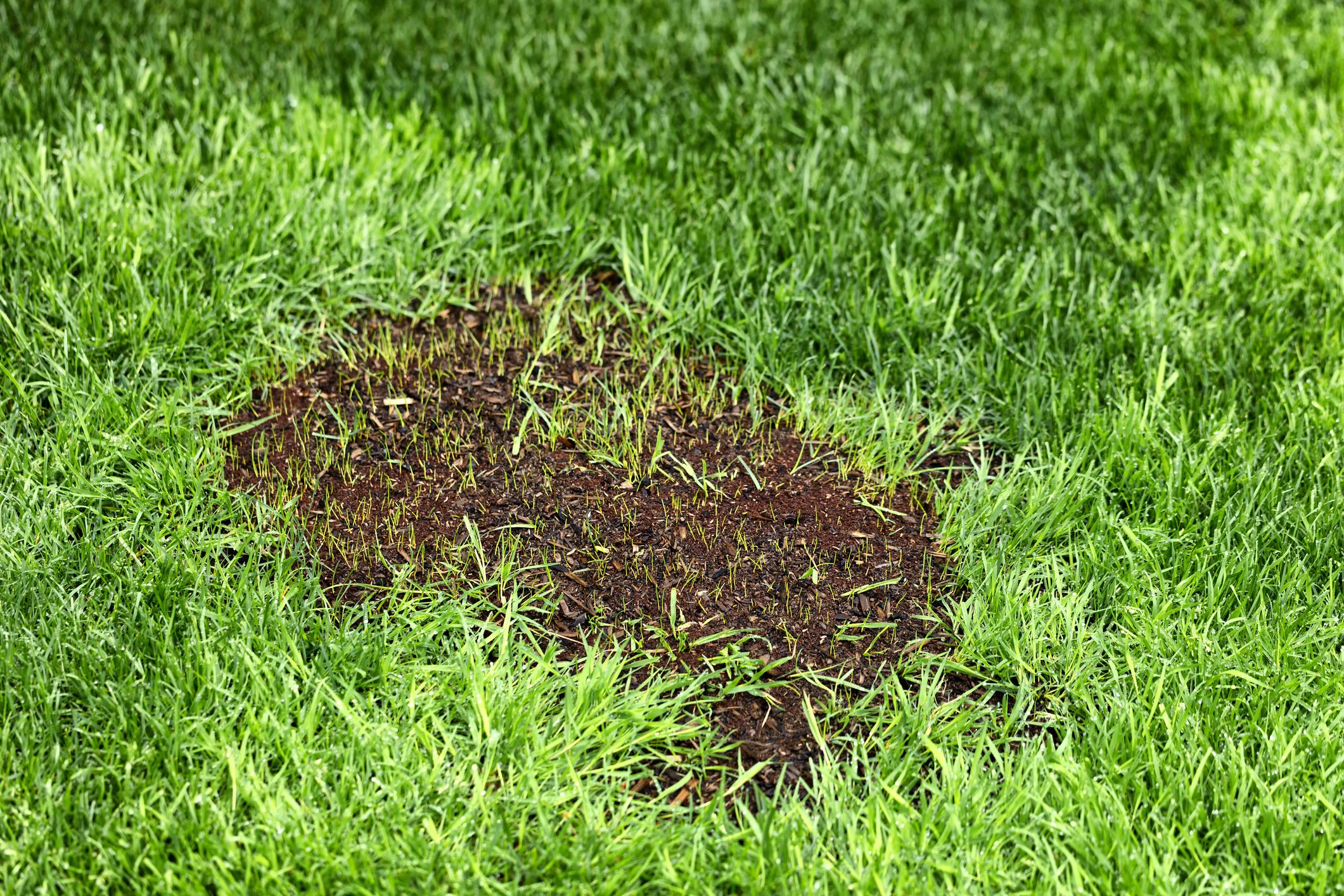
Image Source: hips.hearstapps.com
Why Holes Appear in Your Lawn
Before we dive into the “how,” let’s touch upon the “why.” Knowing the cause of your lawn holes can help you prevent them from happening again.
- Pets: Dogs, in particular, love to dig. Whether it’s out of boredom, anxiety, or simply the thrill of the hunt, their digging can create numerous holes.
- Burrowing Animals: Moles, voles, gophers, and rabbits create tunnels and mounds beneath the surface, which can lead to sunken areas or holes in your lawn.
- Weather: Heavy rain can erode soil, creating small divots and holes, especially on sloped areas. Frost heave can also push soil upwards, creating cracks and openings.
- Foot Traffic: High-traffic areas, like pathways across the lawn, can compact the soil and lead to depressions where water collects and grass struggles to grow.
- Grubs and Insects: Certain soil pests can damage grass roots, causing patches of lawn to die and collapse, creating holes.
- Tree Roots: Shallow tree roots can sometimes break through the surface, creating openings.
Step-by-Step Guide to Filling Lawn Holes
Regardless of the cause, the process for filling these unwanted openings is generally the same. We aim to create a level lawn and encourage healthy grass growth.
Step 1: Assess the Hole and Clear the Area
h4: Inspecting the Damage
Take a moment to look at the hole. How deep is it? Is the soil loose or compacted? Are there any visible signs of animal activity, like tunnels? This will help you decide how much material you’ll need and if any specific treatments are necessary.
h4: Removing Debris
Using a trowel or a small spade, carefully remove any loose soil, rocks, roots, or debris from the hole. You want a clean surface for the new soil to adhere to. If the hole is large, you might need a larger spade.
Step 2: Choose Your Filling Material
The best material for filling holes depends on the size of the hole and the desired outcome. Here are some common and effective options for lawn repair:
h5: Soil and Compost Mix
For most standard holes, a mixture of topsoil and compost is ideal.
- Topsoil: Provides the basic structure for your patch.
- Compost: Adds essential nutrients and improves soil structure, helping new grass grow strong. This is a great soil amendment.
A good ratio is often 50/50 topsoil and compost.
h5: Patching Mixes
Commercial patching mixes are readily available and convenient. These often contain a blend of grass seed, starter fertilizer, and a composted soil or peat moss base. They are designed for quick and easy patch lawn jobs.
h5: Sand
For very small divots or areas where drainage is an issue, a sandy soil mix can be beneficial. However, pure sand is generally not recommended as it can lack nutrients.
h5: Sod Scraps (for Sod Repair)
If you’ve recently laid sod or have leftover pieces, you can use these to fill holes. This is often the quickest way to achieve an instant repair if you have the material on hand.
Step 3: Fill the Hole
Now it’s time to add your chosen material.
h4: For Small to Medium Holes
- Add the Mix: Start filling the hole with your soil and compost mix or patching mix.
- Lightly Tamp: Gently press the soil down with your hands or the back of a shovel. Avoid compacting it too much, as this can hinder root growth. You want the soil level to be slightly below the surrounding lawn surface to account for settling and the eventual addition of seed.
h4: For Larger or Deeper Holes
- Layering: For deeper holes, it’s best to fill them in layers. Add about 3-4 inches of your soil mix at a time.
- Watering Between Layers: Lightly water each layer before adding the next. This helps settle the soil and prevent large air pockets.
- Final Level: Ensure the final layer of soil is about ½ to 1 inch below the surrounding lawn surface. This allows space for grass seed and mulch.
h4: Filling Holes Caused by Animals
If you suspect animals like moles or voles have created the holes, it’s a good idea to address the pest problem first. Once the activity stops, then proceed with filling the holes using the methods described above. You might want to add a layer of gravel at the very bottom of deep holes before adding soil to deter burrowing creatures.
Step 4: Seeding or Sodding
The next step depends on how you want to patch lawn the area.
h4: Seeding for a Patch Lawn
This is the most common and cost-effective method for filling most holes.
- Choose the Right Grass Seed: Select a grass seed that matches your existing lawn type. If you’re unsure, a high-quality general-purpose grass seed blend will likely work well. Consider the sun exposure and climate of your area.
- Spread the Seed: Sprinkle grass seed evenly over the filled hole. Follow the seeding rate recommended on the seed bag, typically around 10-15 seeds per square inch.
- Rake Lightly: Gently rake the seed into the top layer of soil. This ensures good seed-to-soil contact, which is crucial for germination.
- Apply a Starter Fertilizer (Optional but Recommended): A starter fertilizer will give the new grass seedlings the nutrients they need to establish quickly. Follow the product instructions.
- Cover with Mulch (Optional): A thin layer of straw or a specialized seed-starting mulch can help retain moisture and protect the seeds from birds and drying out.
h4: Sod Repair
If you need an instant fix or have a larger area to repair, sod is a good option.
- Cut Sod to Size: Trim a piece of sod to fit snugly into the hole.
- Place the Sod: Lay the sod piece directly onto the filled hole, ensuring it makes good contact with the soil underneath.
- Firm the Sod: Gently press down on the sod to eliminate air pockets. You can use a roller or your feet.
- Water Thoroughly: Water the new sod immediately and keep it consistently moist until it is established.
Step 5: Watering and Ongoing Care
Proper watering is key to successful lawn repair.
h4: Initial Watering
After seeding or sodding, water the area thoroughly but gently. Avoid using a strong stream of water that could wash away seeds or dislodge sod.
h4: Consistent Moisture
- For Seed: Keep the soil consistently moist until the new grass has germinated and reached about 2-3 inches in height. This may mean watering lightly several times a day, especially in hot or dry weather.
- For Sod: Water deeply to moisten the soil beneath the sod. Keep the sod moist until it has rooted into the ground. You can check this by gently trying to lift a corner. If it resists, it’s rooted.
h4: Mowing
- For Seed: Avoid mowing until the new grass is at least 3 inches tall. When you do mow, use a sharp blade and don’t cut off more than one-third of the blade height.
- For Sod: You can mow sod as soon as it is rooted, following the same guidelines about not cutting too much off at once.
h4: Fertilizing
Once the new grass is established (after the first mowing for seeded areas), you can apply a balanced lawn fertilizer to encourage continued healthy growth. This is part of good gardening tips for your entire yard.
Overseeding for a Fuller Lawn
If you have numerous small holes or bare patches, you might consider overseeding your entire lawn after addressing the individual holes. Overseeding involves spreading grass seed over an existing lawn to thicken it and fill in thin areas. This is a great way to enhance overall lawn care and patch lawn more broadly.
Dealing with Specific Hole Causes
Sometimes, you need to tailor your approach based on what caused the hole.
h4: Pet Digging Spots
- Prevention: Provide your pet with a designated digging area filled with sand or loose soil. Ensure your pet gets enough exercise and mental stimulation.
- Repair: Fill these holes with a good quality soil mix, seed, and perhaps a deterrent like citrus peels or cayenne pepper sprinkled around the edges (use with caution if you have pets who might ingest them).
h4: Animal Burrow Holes (Moles, Gophers, Voles)
- Pest Control: The first step is to deal with the underground culprits. This might involve traps, repellents, or professional pest control.
- Filling: Once you’re sure the activity has stopped, fill the holes firmly. For gopher holes, some recommend filling them with gravel before adding soil to make it harder for them to re-tunnel.
h4: Heavy Foot Traffic Areas
- Reduce Traffic: If possible, reroute pathways to avoid these areas temporarily while they recover.
- Aeration: Aerating compacted soil helps improve drainage and allows roots to penetrate more easily.
- Repair: Fill depressions with a mix of topsoil and compost, then reseed or patch with sod.
Tools You’ll Need
Gathering the right tools makes the job much easier:
- Trowel or Small Spade: For clearing and digging.
- Gloves: To protect your hands.
- Wheelbarrow or Bucket: To carry soil and materials.
- Garden Rake: For leveling and incorporating seed.
- Watering Can or Hose with Sprinkler Attachment: For watering.
- Grass Seed or Sod: Your chosen repair material.
- Compost or Topsoil: For filling.
- Starter Fertilizer (Optional): To boost new growth.
- Mulch (Optional): For seed protection.
Common Mistakes to Avoid
Even simple lawn repair can go wrong if you’re not careful.
- Over-Compacting Soil: This makes it difficult for new grass roots to grow.
- Using Poor Quality Soil: Cheap soil might lack nutrients or contain weed seeds.
- Not Matching Grass Seed: This can result in patches of grass that look different from the rest of your lawn.
- Under- or Over-Watering: Both can kill new grass seedlings. Consistency is key.
- Mowing Too Soon: Damaging fragile new grass.
- Ignoring the Cause: Holes can reappear if the underlying issue (like a pest problem) isn’t addressed.
Frequently Asked Questions (FAQ)
Q1: How deep should I fill a hole in my lawn?
A1: For most repairs, fill the hole so the top of the soil is about ½ to 1 inch below the level of the surrounding lawn. This allows room for grass seed and mulch without creating a raised bump.
Q2: Can I just throw grass seed into the hole?
A2: While you can, it’s much more effective to prepare the hole by filling it with good soil and lightly raking the seed into the soil for better germination. Simply scattering seed on top of loose soil often leads to poor results.
Q3: How long does it take for patched lawn areas to blend in?
A3: This depends on the season, weather, and the type of grass seed used. Generally, you can expect to see significant growth within 2-4 weeks. For the patched areas to fully blend with the established lawn, it might take a full growing season.
Q4: What if the hole is very large?
A4: For large holes, you might need to bring in more substantial amounts of topsoil. Consider using sod for a quicker, more seamless repair. If the damage is extensive, you might need to reseed a larger section of your lawn or even consider a full lawn renovation.
Q5: When is the best time of year to fill holes in my lawn?
A5: The best times are typically spring and fall when temperatures are moderate and there’s sufficient moisture for grass growth. Avoid making repairs during the hottest part of summer or when the ground is frozen.
Conclusion
Filling holes in your lawn doesn’t have to be a daunting task. By following these simple steps, choosing the right materials, and providing proper care, you can easily patch lawn areas and restore a smooth, healthy, and beautiful appearance to your yard. Remember, consistent lawn care and a little effort can make a big difference in the overall health and appearance of your lawn, creating a welcoming space for everyone to enjoy. Happy gardening!