
Low spots in your lawn are more than just an eyesore; they can lead to poor grass growth, increased weed problems, and even waterlogged areas. So, how do you fill low spots in your lawn? The easiest way is to add a mixture of topsoil and compost to the depression, level it out, and reseed. This guide will walk you through the simple steps to achieve a smooth, healthy lawn.
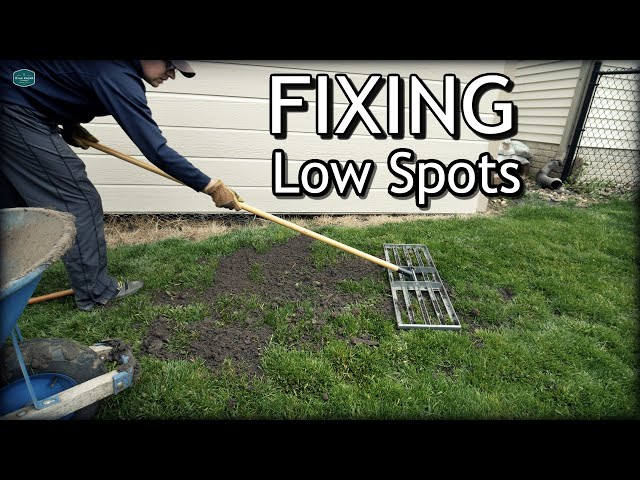
Image Source: i.ytimg.com
Why Your Lawn Develops Low Spots
Lawn depressions, or low spots, are a common frustration for homeowners. These dips and hollows can appear for various reasons, often related to the underlying soil and how water behaves on your property. Understanding these causes is the first step in effectively addressing the problem and preventing future issues.
Natural Soil Settling
Over time, soil naturally settles. This is especially true in newly established lawns or areas where fill dirt was used during construction. As the soil particles settle and consolidate, the ground surface can sink, creating unevenness. This process is more pronounced when soil is not adequately compacted during installation.
Soil Compaction
Soil compaction is a significant culprit behind lawn depressions. When soil becomes densely packed, it reduces pore space, making it harder for water and air to penetrate. Heavy foot traffic, the use of heavy machinery, and even prolonged rainfall can contribute to soil compaction. As the soil compacts, it can sink, forming low areas that collect water. This lack of aeration also stresses grass roots, hindering healthy growth.
Erosion and Runoff
Water runoff is a major factor in creating and worsening low spots. When rain or sprinkler water flows across your lawn, it carries soil particles with it. Over time, this gradual removal of soil from certain areas leads to the formation of depressions, while the soil accumulates elsewhere. This is particularly common on sloped areas or in yards with inadequate drainage.
Poor Initial Grading
If your lawn was not properly graded during its initial construction, low spots are almost inevitable. Grading is the process of shaping the land to ensure proper water flow away from structures and towards designated drainage areas. If this was done incorrectly, water will naturally pool in certain spots, leading to soil erosion and the formation of hollows.
Tree Root Activity
While trees are beneficial for your landscape, their root systems can impact your lawn’s surface. As roots grow and spread, they can push up the soil in some areas while creating voids or settling in others, leading to minor dips and unevenness.
Animal Activity
Less common, but still a possibility, is that burrowing animals like moles or voles can create underground tunnels that eventually collapse, forming small depressions on the surface.
Preparing to Fill Your Lawn’s Low Spots
Before you start filling, taking a few preparatory steps ensures a more successful and lasting repair. This involves assessing the severity of the low spot, gathering the right materials, and making sure your lawn is ready for the repair.
Assessing the Low Spot
The first crucial step is to evaluate the size and depth of the depression.
- Shallow Depressions (less than 2 inches deep): These are generally easier to fix and can often be addressed with a simple topdressing.
- Moderate Depressions (2-6 inches deep): These will require more material and might involve a bit more work to ensure a good, level finish.
- Deep Depressions (over 6 inches deep): Very deep hollows may require multiple applications of soil or a more involved approach, possibly including soil amendment to improve drainage and prevent future settling.
Consider the cause of the low spot. If soil compaction is suspected, aeration might be necessary before filling. If drainage is an issue, addressing that will be key to preventing the problem from recurring.
Gathering Your Materials
Having the right materials is essential for an effective lawn repair.
- Topsoil: This is the foundation of your repair. Good quality topsoil provides the necessary structure and nutrients for grass to grow. Look for screened topsoil to ensure it’s free of large debris.
- Compost: A rich compost will act as a soil amendment, improving the soil’s structure, water retention, and nutrient content. It helps new grass establish more quickly.
- Leveling Rake or Garden Rake: This tool is crucial for spreading and leveling the soil mixture evenly.
- Shovel: For scooping and moving the soil and compost.
- Wheelbarrow: To transport materials easily.
- Grass Seed: Choose a seed mix that matches your existing lawn or is suitable for the conditions in the low spot (e.g., shade-tolerant or drought-resistant).
- Starter Fertilizer (Optional but Recommended): This provides essential nutrients to help the new grass establish strong roots.
- Watering Can or Hose with a Sprinkler Nozzle: For gently watering the newly repaired area.
Timing Your Lawn Repair
The best time to fill low spots is during the active growing season for your grass.
- Cool-Season Grasses (e.g., Kentucky Bluegrass, Fescue, Ryegrass): Early fall is ideal, as the soil is still warm enough for germination, and cooler temperatures reduce stress on new seedlings. Spring is also a good option.
- Warm-Season Grasses (e.g., Bermuda, Zoysia, St. Augustine): Late spring or early summer is the best time, allowing the grass to establish before the heat of summer or the onset of cooler weather.
Avoid performing repairs during extreme heat, drought, or when the ground is frozen or waterlogged.
The Step-by-Step Process for Filling Low Spots
Now that you’re prepared, let’s get to work on leveling your lawn. This process focuses on adding material and encouraging new growth.
Step 1: Loosen the Soil in the Depression
Before adding new material, it’s beneficial to loosen the soil at the bottom of the low spot. This helps the new soil integrate better with the existing ground and improves drainage.
- Use a shovel or a garden fork to lightly break up the soil in the depression.
- If soil compaction is a significant issue, consider aerating the area with a core aerator. This creates small holes, allowing for better penetration of water, air, and nutrients.
Step 2: Mix Your Filling Material
A good blend of topsoil and compost creates an ideal environment for grass.
- Ratio: A common and effective mix is two parts topsoil to one part compost. For example, if you’re using 3 bushels of material, use 2 bushels of topsoil and 1 bushel of compost.
- Mixing: If you’re working with a large area or significant depth, it’s best to mix these materials thoroughly in a wheelbarrow or on a tarp before applying them. This ensures an even distribution of nutrients and soil structure.
Step 3: Apply the Filling Material
Start adding your soil mixture to the low spot.
- Fill Gradually: For deeper depressions, add the soil mixture in layers of no more than 2-3 inches at a time. This prevents excessive settling and makes it easier to achieve a level surface.
- Leveling: After each layer, use your leveling rake to spread the material evenly. Gently pat it down to remove large air pockets. The goal is to bring the soil level up to, or very slightly above, the surrounding lawn. Grass will settle slightly over time, so a slight crown is acceptable.
Table: Recommended Filling Material per Depression Depth
| Depression Depth | Recommended Filling Material (Ratio Topsoil:Compost) | Notes |
|---|---|---|
| 0-2 inches | 100% Topsoil or 2:1 Topsoil:Compost | Can often be topdressed. |
| 2-6 inches | 2:1 or 3:1 Topsoil:Compost | Apply in layers, level each layer. Consider aeration if compacted. |
| Over 6 inches | 3:1 or 4:1 Topsoil:Compost, potentially adding sand | Multiple layers are essential. Ensure good drainage is considered. |
Step 4: Rake and Level the Surface
Once the depression is filled to the desired level, use your rake to create a smooth, even surface.
- Gently rake the entire area, ensuring the new soil is flush with the surrounding lawn.
- Remove any stones, roots, or debris that were brought to the surface during raking.
- The surface should be firm but not overly compacted.
Step 5: Reseed the Area
Now it’s time to introduce new grass to the patched area.
- Seed Choice: Select a high-quality grass seed that matches your existing lawn. If you’re unsure, a reputable garden center can help you identify the best blend.
- Distribution: Spread the grass seed evenly over the prepared soil. Follow the seeding rate recommended on the seed bag. You can do this by hand or with a broadcast spreader for larger areas.
- Raking in Seed: Lightly rake the seed into the soil. This ensures good seed-to-soil contact, which is crucial for germination. A rake depth of about 1/8 to 1/4 inch is usually sufficient.
Step 6: Apply Starter Fertilizer (Optional)
A starter fertilizer can give your new grass seedlings a significant boost.
- Apply a thin layer of starter fertilizer according to the product’s instructions. These fertilizers are formulated with higher phosphorus levels to promote root development.
Step 7: Water Gently and Consistently
Proper watering is critical for successful reseeding and lawn repair.
- Initial Watering: Water the newly seeded area thoroughly but gently immediately after seeding and fertilizing. You want to moisten the soil without washing away the seed.
- Consistent Moisture: Keep the seedbed consistently moist for the first 1-2 weeks. This means light watering once or twice a day, depending on the weather. The goal is to keep the top inch of soil damp.
- Reduce Watering: As the seedlings grow and establish, gradually reduce the frequency of watering but increase the duration. This encourages deeper root growth.
Step 8: Mow Appropriately
When the new grass reaches about 3 inches in height, it’s time for the first mowing.
- Sharp Blade: Ensure your mower blade is sharp.
- High Setting: Mow at the highest setting for your grass type.
- Don’t Remove Too Much: Don’t cut more than one-third of the grass blade at a time. This prevents stressing the new growth.
Advanced Techniques and Considerations
Sometimes, a simple fill-and-seed approach isn’t enough, especially for persistent low spots or when drainage is a major concern.
Addressing Drainage Issues
If your low spots consistently hold water, you have a drainage problem that needs to be addressed along with filling.
- Aeration: As mentioned, aeration can help improve water infiltration. Regular aeration throughout the year is beneficial for overall lawn health.
- Soil Amendment for Drainage: If your soil is heavy clay, adding more organic matter like compost or using a soil conditioner can improve its structure and drainage over time.
- French Drains or Channel Drains: For severe water pooling, consider installing a French drain or a channel drain to redirect excess water away from the problem area. This is a more significant landscaping project but offers a long-term solution.
Using Sod Instead of Seed
For a quicker fix or for very visible areas, you can use sod instead of seed after filling the low spot.
- Prepare the area as described above (fill, level).
- Lay pieces of sod into the depression, ensuring they fit snugly together and are level with the surrounding lawn.
- Water thoroughly and keep the sod consistently moist until it establishes roots.
Soil Patching Techniques
For very small or shallow dips, you might use a soil patching technique.
- Topdressing: For minor imperfections, simply spreading a thin layer of topsoil or a topsoil and compost mix over the area and gently raking it in can be enough.
- Patch Kits: Commercial lawn repair kits often contain a mix of seed, fertilizer, and a mulch or soil amendment, designed for easy soil patching.
Preventing Future Low Spots
Once you’ve successfully filled and repaired your lawn, focus on preventing new dips from forming.
- Regular Aeration: This combats soil compaction.
- Proper Watering: Avoid overwatering, which can lead to soil erosion and saturation.
- Avoid Heavy Traffic: Limit heavy foot traffic or the use of heavy equipment on the lawn, especially when it’s wet.
- Monitor Drainage: Keep an eye on how water flows across your lawn after rain and address any pooling issues promptly.
- Fertilize Appropriately: A healthy, dense lawn is more resistant to erosion and minor disturbances.
Troubleshooting Common Issues
Even with the best intentions, sometimes repairs don’t go as planned. Here are a few common issues and how to address them.
Grass Not Growing After Seeding
- Problem: Seed didn’t germinate, or seedlings died.
- Possible Causes: Lack of moisture, excessive heat, poor seed-to-soil contact, weed competition, disease.
- Solution: Re-evaluate your watering schedule. Ensure consistent moisture. If it was too hot, wait for cooler weather. Consider a different seed mix if the conditions are challenging. Ensure you used a good quality seed and that it was raked into the soil.
New Grass Washes Away
- Problem: Seed or soil washed out of the low spot.
- Possible Causes: Heavy rainfall or over-watering on a slope.
- Solution: Use a lighter watering method. Consider using a jute or straw erosion control blanket over the seeded area, especially on slopes, until the grass establishes. This helps hold the soil in place.
Low Spot Still Settles
- Problem: The repaired area continues to sink.
- Possible Causes: The original depression was very deep, and the soil is still settling, or there’s an underlying drainage issue that needs more attention.
- Solution: Add more topsoil and compost in layers, ensuring each layer is gently compacted. If water saturation is suspected, investigate drainage solutions.
Uneven Growth Between New and Old Grass
- Problem: The new grass looks different or grows at a different rate.
- Possible Causes: Different seed varieties were used, or the soil conditions in the repaired area are still different.
- Solution: Over time, with proper care, mowing, and fertilization, the new grass will often blend in. You can also consider overseeding the entire lawn in the fall to unify the grass species and density.
Frequently Asked Questions (FAQ)
Q1: Can I just put dirt on top of the low spot?
A1: While you can add dirt, it’s best to use a mixture of topsoil and compost for better results. Compost acts as a soil amendment, improving the health and growth of new grass, and preventing the patch from becoming a problem again.
Q2: How much topsoil do I need?
A2: The amount of topsoil needed depends on the size and depth of your low spot. Measure the dimensions of the depression and calculate the volume. A general rule of thumb is to buy slightly more than you think you’ll need.
Q3: How often should I water the repaired area?
A3: For the first 1-2 weeks, keep the seedbed consistently moist. This usually means watering lightly once or twice a day. After that, gradually increase the watering time and decrease the frequency to encourage deep root growth.
Q4: When is the best time for lawn repair and reseeding?
A4: For cool-season grasses, early fall or spring is best. For warm-season grasses, late spring or early summer is ideal. Avoid extreme weather conditions.
Q5: What if the low spot is really big?
A5: For large or very deep low spots, you might need to bring in a larger quantity of fill material. Consider using a mixture with a higher ratio of topsoil to compost and apply it in multiple layers, allowing each layer to settle slightly before adding the next. You may also need to address underlying drainage issues for larger depressions.
Conclusion
Filling low spots in your lawn is a manageable task that significantly contributes to a healthier, more beautiful yard. By understanding the causes of these depressions and following a simple, step-by-step process using quality materials like topsoil and compost, you can effectively level your lawn. Remember to focus on good soil amendment, proper watering, and appropriate reseeding techniques. With a little effort, you can transform those unsightly dips into a lush, uniform lawn. Consistent maintenance, including aeration and attention to drainage, will help prevent future issues and ensure your lawn repair efforts last.