
Can you fix a compacted lawn? Yes, you absolutely can! The best way to fix a compacted lawn is through aeration. This process involves creating small holes in the soil, allowing air, water, and nutrients to reach the grass roots.
A lawn that feels hard and doesn’t absorb water well is likely suffering from soil compaction. This is a common problem that affects many home lawns, especially those with high heavy foot traffic, clay soil, or a history of heavy machinery use. When soil particles are pressed too close together, they block air and water from reaching the grass roots, leading to thin, unhealthy grass. This guide will walk you through how to fix a compacted lawn and restore its vitality through proper aeration and other essential lawn care practices.
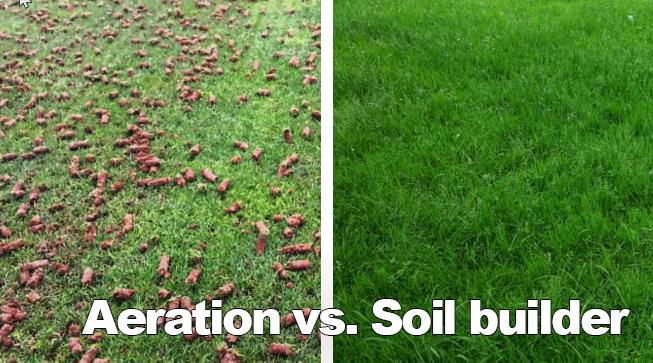
Image Source: grasspad.com
Deciphering Soil Compaction
Soil compaction occurs when soil particles are squeezed together, reducing pore space. This leaves little room for air, water, and nutrients to move through the soil and reach the grass roots. Several factors contribute to soil compaction:
- Heavy Foot Traffic: Walking, playing, or parking vehicles on your lawn repeatedly presses the soil down.
- Clay Soil: Soils with a high clay content naturally have smaller particles that pack together more easily.
- Heavy Machinery: Using lawnmowers, tillers, or other heavy equipment can compress the soil, especially when the ground is wet.
- Erosion: Without adequate ground cover, soil can erode, leaving finer particles exposed to compaction from rain impact.
- Lack of Organic Matter: Organic matter helps to create a more porous soil structure. Low organic content makes the soil more prone to compaction.
When soil becomes compacted, grass struggles to grow. Its roots can’t penetrate the dense soil, limiting their access to essential resources. This results in a lawn that is:
- Thin and patchy
- Susceptible to drought and disease
- Slow to recover from stress
- Prone to moss and weed growth
Signs of a Compacted Lawn
Spotting the signs of compaction early is key to preventing serious damage. Look out for these indicators:
- Water Pooling: Water sits on the surface for a long time after rain or watering, indicating poor improving drainage.
- Hard Surface: The soil feels very hard and resistant when you try to push a trowel or screwdriver into it.
- Shallow Roots: When you dig up a grass clump, the roots are shallow and have not penetrated deeply into the soil.
- Thin or Stunted Grass: The grass appears weak, thin, and doesn’t grow as vigorously as it should.
- Increased Weed Growth: Compacted soil favors the growth of weeds, which are often more tolerant of poor conditions.
- Moss and Algae: These often appear in compacted areas where water may sit and sunlight is limited.
The Solution: Aeration
Aeration is the process of making holes in your lawn to relieve soil compaction. This allows air, water, and nutrients to penetrate the soil and reach the grass roots. It’s one of the most beneficial lawn maintenance practices you can undertake. There are two main types of aeration: core aeration and spike aeration.
Core Aeration vs. Spike Aeration
- Core Aeration: This method uses a machine with hollow tines that pull out small plugs of soil from the lawn. These plugs are then left on the surface to break down naturally, returning organic matter to the soil. Core aeration is more effective for severe compaction as it creates larger, deeper holes, allowing for better air and water penetration.
- Spike Aeration: This method involves pushing spikes into the soil, creating holes. While it can help to a degree, spike aeration is less effective than core aeration for relieving heavy soil compaction. The spikes can sometimes further compress the soil around the hole, negating some of the benefits.
For significant compaction issues, core aeration is the preferred method.
When to Aerate Your Lawn
The best time to aerate your lawn depends on your grass type.
- Cool-Season Grasses: (e.g., Kentucky bluegrass, fescue, ryegrass) Aerate in the early fall or early spring when the grass is actively growing but not under heat or drought stress.
- Warm-Season Grasses: (e.g., Bermuda grass, zoysia grass, St. Augustine grass) Aerate in late spring or early summer when the grass is actively growing.
It’s generally best to avoid aerating during periods of drought or extreme heat, as this can stress the grass.
The Aeration Process: A Step-by-Step Guide
Here’s how to effectively aerate your lawn for optimal results.
Step 1: Prepare Your Lawn
Before you begin, ensure your lawn is properly prepared.
- Mow the Grass: Mow your lawn a day or two before aerating. Shorter grass makes it easier for the aerator to penetrate the soil and pull out plugs.
- Water the Lawn: Water your lawn lightly the day before aerating. Moist soil is easier to penetrate than dry, hard soil. However, avoid overwatering, as excessively wet soil can lead to mud and more damage.
Step 2: Choose Your Aeration Tool
You have a few options for aerating your lawn:
- Manual Core Aerator: These are hand-held tools that require some physical effort but are effective for smaller lawns or for spot-treating compacted areas. They work by pushing down on a handle, inserting tines, and pulling out soil plugs.
- Renting a Core Aerator: For larger lawns, renting a powered core aerator is the most practical solution. These machines are readily available at most equipment rental stores.
- Purchasing a Core Aerator: If you have a large property or plan to aerate regularly, investing in your own core aerator might be worthwhile.
Step 3: Aerating Your Lawn
Once you have your tool, it’s time to start aerating.
- Pattern: Work in a systematic pattern across your lawn, overlapping your passes slightly to ensure complete coverage.
- Depth and Spacing: Aim to aerate about 1/4 to 1/2 inch in diameter holes, and space them 2 to 4 inches apart. For core aerators, the tines should penetrate 2 to 6 inches deep.
- Plugs: If using a core aerator, the machine will eject small plugs of soil. Leave these plugs on the surface. They will break down naturally and return valuable nutrients to the soil.
- Frequency: For moderately compacted lawns, aerating once a year is usually sufficient. Severely compacted lawns may benefit from aerating twice a year, spaced about 6-8 weeks apart.
Step 4: Post-Aeration Care
What you do after aerating can significantly enhance the benefits of the process.
- Leave the Plugs: As mentioned, let the soil plugs from core aeration break down naturally. You can lightly rake them to help speed up the process, but avoid excessive disruption.
- Overseeding: Aeration is the perfect time to overseed your lawn. The holes created by aeration provide an excellent environment for new grass seed to germinate and establish. The loosened soil helps the seeds make good contact, and the improved air and water flow aid their growth.
- Seed Selection: Choose a grass seed mix that is suited to your lawn’s conditions and climate.
- Application: Spread the seed evenly over the aerated lawn. A spreader is recommended for uniform distribution.
- Watering: Keep the newly seeded areas consistently moist until the seeds germinate and the seedlings are established.
- Fertilizing: If you are not overseeding, you can apply a balanced lawn fertilizer after aerating. The nutrients will be readily available to the grass roots in the loosened soil.
- Watering: Water your lawn thoroughly after aerating, especially if you have overseeded. This helps to settle the soil and activate any applied fertilizers or seeds.
- Avoid Heavy Traffic: Refrain from heavy foot traffic or using heavy machinery on the newly aerated lawn for a few days to allow the soil to settle.
Beyond Aeration: Complementary Lawn Care Practices
While aeration is the primary solution for soil compaction, other lawn care practices can further improve your lawn’s soil health and resilience.
Dethatching
Dethatching is the process of removing thatch, which is a layer of dead and living grass stems, roots, and debris that accumulates on the soil surface. A thick thatch layer (more than 1/2 inch) can impede the flow of air, water, and nutrients to the soil, contributing to compaction.
- When to Dethatch: Dethatch cool-season grasses in the early fall or spring and warm-season grasses in the late spring or early summer.
- How to Dethatch: You can use a manual dethatching rake or rent a powered dethatching machine (also called a power rake). The machine will pull up the thatch material, which you then collect and compost.
- Aeration Synergy: Dethatching and aeration are often done together. Removing thatch before aerating allows the aeration tines to penetrate the soil more effectively.
Improving Soil Structure
Over time, you can improve the underlying structure of your soil to prevent future compaction.
- Adding Organic Matter: Incorporating compost, well-rotted manure, or other organic materials into your soil can significantly improve its structure. Organic matter helps bind soil particles together, creating larger pores that improve air and water movement and resist compaction. You can do this by topdressing your lawn with a thin layer of compost after aerating.
- Mulching: Applying a layer of organic mulch around trees and shrubs can help retain soil moisture, suppress weeds, and improve soil structure as it decomposes.
- Avoiding Working Wet Soil: Never work with or walk on your lawn when the soil is saturated. This is when it’s most susceptible to compaction.
Proper Watering and Fertilizing
Consistent and appropriate lawn maintenance also plays a role in soil health.
- Water Deeply and Infrequently: Encourage deep root growth by watering your lawn deeply but less often. This helps roots grow down into the soil, making them less susceptible to the effects of surface compaction.
- Fertilize Appropriately: Use a balanced fertilizer based on soil test results. Over-fertilizing can lead to weak, shallow root systems that are more prone to compaction.
Frequently Asked Questions (FAQ)
Here are answers to some common questions about fixing compacted lawns:
Q1: How often should I aerate my lawn?
A1: For most lawns with moderate compaction, aerating once a year is sufficient. If your lawn experiences heavy foot traffic or has very dense clay soil, you might need to aerate twice a year, ideally in the spring and fall for cool-season grasses, or in late spring/early summer for warm-season grasses.
Q2: Can I aerate my lawn with a spike aerator?
A2: While spike aerators can offer some minor relief for very light compaction, they are generally less effective than core aerators. In some cases, the act of pushing spikes into the soil can actually further compact the soil around the hole. For noticeable compaction, a core aerator is highly recommended.
Q3: What is the best time of year to aerate?
A3: The best time to aerate depends on your grass type. For cool-season grasses (like fescue, bluegrass, ryegrass), the ideal times are early spring or early fall. For warm-season grasses (like Bermuda, zoysia, St. Augustine), late spring or early summer is best. The key is to aerate when the grass is actively growing but not stressed by extreme heat or drought.
Q4: How long does it take for an aerated lawn to recover?
A4: Grass should start to show signs of recovery within a week or two after aeration, especially if you’ve overseeded or fertilized. The full benefits, like improved water penetration and healthier growth, become more apparent over several weeks and months.
Q5: My lawn feels hard, but I don’t see any obvious signs of compaction. Should I still aerate?
A5: If the soil feels hard when you try to dig into it, it’s a strong indicator of compaction, even if you don’t see other visible signs like water pooling. Aeration is a preventative measure as well as a corrective one. It will improve air and water circulation, leading to healthier, more resilient grass.
Q6: Is it okay to aerate a new lawn?
A6: It’s generally recommended to wait until a new lawn is well-established, typically after its first year of growth, before aerating. This allows the roots to develop fully.
Q7: Can I aerate and dethatch at the same time?
A7: Yes, in fact, it’s often beneficial to do both. Dethatching removes the layer of dead organic matter that can block aeration, allowing the aerator’s tines to penetrate the soil more effectively. After both processes, your lawn is ideally prepared for overseeding and fertilization.
Q8: What should I do with the soil plugs left by the aerator?
A8: Leave the soil plugs on the lawn surface. As they dry and break down, they will return valuable nutrients and organic matter to your soil. You can lightly rake them to help speed up the decomposition process if desired.
By following this comprehensive guide, you can effectively address soil compaction and transform your lawn into a lush, healthy, and vibrant space. Remember that consistent lawn care and timely aeration are key to maintaining excellent soil health and enjoying a beautiful lawn year after year.