
Can you fix a dead lawn? Yes, absolutely! Bringing a dead lawn back to life is achievable with the right approach and consistent effort. While it might seem daunting when faced with a sea of brown, brittle grass, there are proven methods to revive your lawn and restore its lush green appearance.
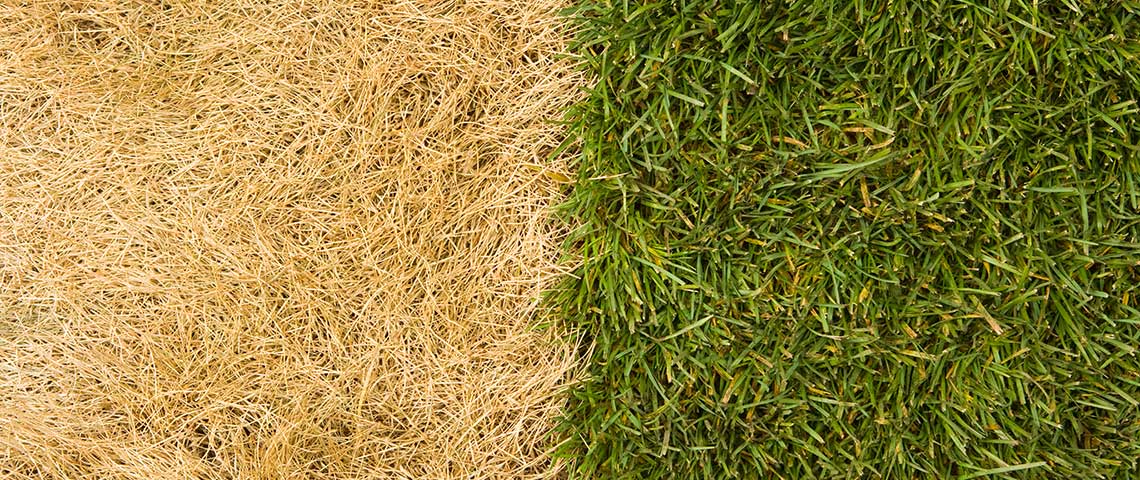
Image Source: www.pennington.com
Deciphering the “Dead” Lawn Mystery
First, let’s clarify what “dead” truly means for your lawn. Often, what appears to be a dead lawn is actually just dormant or severely stressed grass. True death means the roots are no longer viable. The good news is that most brown lawns can be brought back. The key is to identify the underlying cause of its demise and address it.
Common Culprits Behind Lawn Collapse
Several factors can lead to a lawn looking completely lifeless. Pinpointing the primary reason is the first step in effective lawn repair.
Drought and Heat Stress
Prolonged periods without adequate rainfall, coupled with high temperatures, can stress grass to the point of dormancy or death. The blades turn brown and crispy as the plant conserves its resources.
Pests and Diseases
Insects like grubs or chinch bugs can decimate a lawn by feeding on the roots or blades. Fungal diseases, often exacerbated by excessive moisture or poor air circulation, can also cause widespread browning.
Poor Soil Conditions
Compacted soil, lack of essential nutrients, or incorrect soil pH can prevent grass roots from accessing water and nutrients, leading to a weak and unhealthy lawn.
Mowing Mishaps
Mowing too low, using dull mower blades, or removing too much grass at once can shock the grass, making it susceptible to stress and damage.
Over or Under-Watering
Ironically, both too much and too little water can kill grass. Overwatering can lead to root rot and fungal diseases, while underwatering causes dehydration.
Chemical Damage
Accidental spills of gasoline, oil, or improper application of herbicides can create dead patches in the lawn.
Steps to Revive Brown Grass
Once you have a better idea of why your lawn looks so sad, you can begin the process of bringing dead lawn back to life. This is not an overnight fix, but a gradual process of recovery.
Step 1: Assess the Damage and Test the Soil
Before you grab any tools, take a close look at your lawn.
Is it Truly Dead?
- The Tug Test: Grab a clump of the brown grass and try to pull it. If it comes up easily with no resistance and the roots are gone, it’s likely dead. If it’s hard to pull and the roots are intact, the grass might just be dormant and has a good chance of recovery.
- Check the Roots: Dig up a small section. Healthy roots are usually white or tan and firm. Black, mushy, or non-existent roots indicate a problem.
Soil Testing
A soil test will tell you about your soil’s pH, nutrient levels (like nitrogen, phosphorus, and potassium), and organic matter content. This information is crucial for choosing the right amendments and fertilizers. You can get a soil testing kit from your local garden center or extension office.
Step 2: Rake and Remove Debris
Once you’ve confirmed the grass is indeed dead or dormant and needs help, it’s time to clean up.
Power Raking or Dethatching
For areas with a thick layer of thatch (dead grass and organic matter at the base of the grass blades), dethatching is essential. This can be done with a manual dethatching rake or a power dethatcher. This process removes the dead material, allowing air, water, and nutrients to reach the soil and any surviving grass roots.
General Debris Removal
Remove any fallen leaves, twigs, or other organic debris that might be smothering the soil or preventing sunlight from reaching any potential new growth.
Step 3: Aeration for Better Soil Health
Compacted soil is a major enemy of healthy turf. Aeration involves creating small holes in the soil to allow for better air circulation, water penetration, and nutrient absorption.
How to Aerate
You can use a manual core aerator or rent a power aerator. Core aeration is preferred as it pulls out small plugs of soil, leaving the holes open. Spike aeration, which simply pokes holes, is less effective. Aerate in the fall or spring when grass is actively growing.
Step 4: Addressing the Cause and Fertilizing
Now that the soil is prepped, it’s time to feed it and potentially treat the underlying issues.
Fertilizing Dead Grass: When and How
You can fertilize dead grass, but it’s more about fertilizing the soil to encourage new growth from the roots or from new seed.
- Starter Fertilizer: Use a starter fertilizer with a higher phosphorus content (the middle number in the N-P-K ratio). Phosphorus is vital for root development, which is exactly what you need when trying to revive brown grass.
- Timing: Apply fertilizer after aeration and dethatching, as this allows the nutrients to penetrate the soil more effectively.
- Application: Use a broadcast spreader for even distribution. Follow the product’s instructions carefully to avoid over-fertilizing, which can damage grass.
Dealing with Pests and Diseases
If pests or diseases were the culprit, treat them now.
* Pest Control: Identify the pest and use an appropriate insecticide.
* Disease Treatment: Apply a fungicide if a fungal disease is present. Ensure good air circulation and proper watering practices to prevent recurrence.
Step 5: Overseeding or Reseeding Dead Lawn Areas
This is often the most critical step in bringing a dead lawn back to life. You’re essentially giving your lawn a fresh start in the areas that are beyond repair.
Choosing the Right Seed
- Match Your Climate and Existing Grass Type: Select grass seed that is suited to your region’s climate and blends well with your existing turf, if any. Cool-season grasses like fescue and ryegrass are common in many areas.
- High-Quality Seed: Invest in a reputable brand. Look for seed mixtures that are resistant to drought, disease, and pests.
How to Reseed Dead Lawn Areas
- Loosen the Soil: After aeration, lightly rake the bare or dead patches to loosen the soil. This creates a good seedbed.
- Spread the Seed: Use a spreader for even coverage. Follow the recommended seeding rate for your chosen grass type. For severely bare areas, you might need a slightly higher rate.
- Rake Lightly: Gently rake the seeded areas to ensure the seeds are in good contact with the soil.
- Apply a Starter Fertilizer: As mentioned before, a starter fertilizer will give the new seeds the nutrients they need to germinate and establish strong roots.
- Mulch (Optional but Recommended): A thin layer of straw or specialized seed mulch can help retain moisture, protect the seeds from birds, and keep the soil temperature more consistent.
Step 6: Watering for New Growth
Proper watering is crucial for both existing grass recovery and new seed germination.
For Existing Dormant Grass
Once you’ve fertilized and aerated, water the lawn deeply but infrequently. Aim to moisten the soil to a depth of about 4-6 inches. This encourages deeper root growth.
For New Seed
- Consistent Moisture: Keep the seeded areas consistently moist, but not waterlogged, until the seeds germinate and the new grass is about 1-2 inches tall.
- Light Watering: Use a fine mist setting on your sprinkler to avoid washing away the seeds.
- Gradual Deepening: As the grass grows, gradually transition to less frequent, deeper watering to encourage strong root systems.
Step 7: Mowing for Recovery
Mowing practices play a significant role in a lawn’s health and recovery.
Mowing New Grass
- Wait for Height: Don’t mow new grass until it reaches about one-third taller than its recommended mowing height.
- Sharp Blades: Always use sharp mower blades. Dull blades tear the grass, making it more susceptible to disease.
- Don’t Remove Too Much: Never remove more than one-third of the grass blade in a single mowing.
Mowing Recovering Grass
Continue to mow at the higher end of the recommended height for your grass type. This helps the grass shade the soil, keeping it cooler and retaining moisture. It also encourages the grass to grow thicker, helping to fix patchy lawn areas.
Lawn Care for Dead Patches: Targeted Solutions
Sometimes, a lawn isn’t uniformly dead but has distinct dead or bare patches. Lawn care for dead patches requires a focused approach.
Re-establishing Grass in Bare Spots
This is essentially the reseeding process described earlier, but concentrated on specific areas.
Preparing the Patch
- Remove Dead Grass: Dig out any completely dead grass and roots.
- Loosen Soil: Work the soil with a trowel or garden fork to a depth of about 2-3 inches.
- Add Compost: Mix in a small amount of compost to improve soil structure and fertility.
- Level and Seed: Rake the area smooth, sow grass seed, lightly cover with soil or compost, and water consistently.
Using Grass Resurrection Tips
These are advanced techniques or strategies to aid in recovery.
Topdressing
After aeration or reseeding, applying a thin layer of compost or a high-quality topsoil mix can improve soil quality and help retain moisture, beneficial for grass resurrection tips.
Grub Control
If grubs are identified as the problem, timely application of grub control products is essential. Look for signs of grubs: patches of dead grass that pull up easily like a carpet.
Saving a Dying Lawn: Proactive Measures
Saving a dying lawn often involves early intervention and preventative care. If you notice signs of stress before the grass turns completely brown, act quickly.
Water Wisely
- Deep and Infrequent: Water deeply once or twice a week rather than shallowly every day. This encourages deep root growth, making the grass more resilient to drought.
- Morning Watering: Water in the early morning to minimize evaporation and reduce the risk of fungal diseases.
Mow Smart
- Correct Height: Mow at the highest recommended height for your grass type.
- Sharp Blades: Regularly sharpen your mower blades.
- Mulching Clippings: Leave grass clippings on the lawn; they return valuable nutrients to the soil.
Fertilize Appropriately
- Seasonal Feeding: Fertilize according to a schedule tailored to your grass type and climate.
- Balanced Nutrients: Use a balanced fertilizer that provides all the necessary macro and micronutrients.
Monitor for Pests and Diseases
Regularly inspect your lawn for signs of trouble. Early detection and treatment can prevent widespread damage.
Fertilize Dead Grass: The Right Approach
Can you fertilize dead grass? Yes, but the purpose changes. You’re not feeding the dead grass; you’re feeding the soil and the potential for new growth, whether from existing roots or new seed.
When to Fertilize
- Post-Aeration/Dethatching: As mentioned, after you’ve improved soil access, fertilizing becomes more effective.
- Before Seeding: A starter fertilizer is ideal before you reseed dead lawn areas.
- During Recovery: Continue to fertilize as the grass recovers to provide ongoing nourishment.
Types of Fertilizers for Recovery
- Starter Fertilizers (High Phosphorus): Crucial for new seed and encouraging root development in struggling grass.
- Balanced Fertilizers (e.g., 10-10-10): Provide a good mix of nitrogen, phosphorus, and potassium for overall lawn health.
- Slow-Release Nitrogen: This type of nitrogen feeds the grass over a longer period, promoting steady growth without a surge that can be unsustainable.
Reseed Dead Lawn Areas: A Detailed Guide
When significant portions of your lawn have died, reseed dead lawn areas is the most effective solution.
Timing is Everything
The best time to reseed is typically in the fall for cool-season grasses, as this allows the new grass to establish roots before the heat of summer or the harshness of winter. For warm-season grasses, late spring or early summer is ideal.
Preparing the Ground
- Clear Debris: Remove all dead grass, rocks, and debris from the area.
- Loosen Soil: Use a rake or tiller to loosen the top 2-4 inches of soil.
- Amend Soil: If your soil is poor, incorporate compost or other organic matter to improve its structure and fertility.
- Leveling: Rake the area smooth to create an even surface for seeding.
Seed Application
- Seed Mix: Use a high-quality seed mix appropriate for your climate and soil conditions.
- Spreading: Use a spreader for even distribution. Follow the recommended seeding rates from the seed packaging.
- Incorporation: Lightly rake the seeds into the soil, ensuring they are covered by about 1/8 to 1/4 inch of soil.
Watering New Seed
- Constant Moisture: Keep the soil consistently moist for the first 2-3 weeks. Water lightly multiple times a day if necessary, especially in warm or windy weather.
- Reduce Frequency: As seedlings establish, gradually reduce watering frequency while increasing the amount of water per watering session.
Protecting New Growth
- Avoid Traffic: Keep foot traffic and mowing off the new grass until it is well-established (at least 3-4 inches tall).
- First Mowing: When mowing for the first time, use a sharp blade and cut only the very tips of the grass blades.
Troubleshooting Common Lawn Problems
Even after following these steps, you might encounter issues.
Why Isn’t the Seed Germinating?
- Lack of Moisture: The most common reason. Ensure consistent moisture.
- Poor Seed-to-Soil Contact: Seeds were not properly raked into the soil.
- Old Seed: Seed viability decreases over time.
- Wrong Temperature: The soil temperature might be too cold or too hot for germination.
- Pests: Birds or rodents might be eating the seeds.
My Lawn is Still Patchy After Reseeding
- Inconsistent Watering: Some areas may have dried out.
- Soil Issues: Poor soil quality might be hindering growth in certain spots.
- Too Little Seed: Not enough seed was applied in those areas.
- Competition: Existing weeds might be outcompeting the new grass.
Frequently Asked Questions (FAQ)
Q1: How long does it take to bring a dead lawn back to life?
A: The timeline varies greatly depending on the extent of the damage, the underlying causes, and the care provided. For minor stress, you might see improvement in a few weeks. For severely dead areas, a full recovery, including reseeding, can take several months to a full growing season.
Q2: Can I reseed my lawn in the summer?
A: While not ideal, it’s possible in cooler climates or with diligent watering. However, summer heat and potential drought conditions can make it challenging for new grass to establish. Fall is generally the best time for cool-season grasses.
Q3: What is the best fertilizer for reviving a lawn?
A: A starter fertilizer with a higher phosphorus content (the middle number in N-P-K) is excellent for encouraging root growth. Once established, a balanced fertilizer can be used.
Q4: How often should I water my newly seeded lawn?
A: Newly seeded lawns need consistent moisture. Water lightly multiple times a day to keep the top layer of soil damp, but not waterlogged, until the grass germinates and reaches about an inch or two in height. Then, you can gradually transition to deeper, less frequent watering.
Q5: My lawn is brown but the roots look okay. Is it dead?
A: If the roots are intact and white or tan, the grass is likely dormant due to drought or heat. With proper watering and care, it should recover and turn green again.
By following these comprehensive steps, you can effectively address a seemingly dead lawn and restore its vitality. Patience, consistency, and the right approach are your greatest allies in this process.