
Is your lawn a waterlogged mess? Does it stay soggy for days after rain? Yes, you can fix a wet lawn by implementing effective drainage solutions. A perpetually wet lawn isn’t just unsightly; it can lead to root rot, fungal diseases, and attract pests, ultimately killing your grass. This in-depth guide will walk you through the common causes of a wet lawn and provide actionable strategies, from simple lawn care tips to more involved subsurface drainage systems, to restore your yard to its healthy, vibrant state. We’ll cover how to diagnose the problem, explore various drainage solutions, and discuss methods for preventing waterlogging in the future.
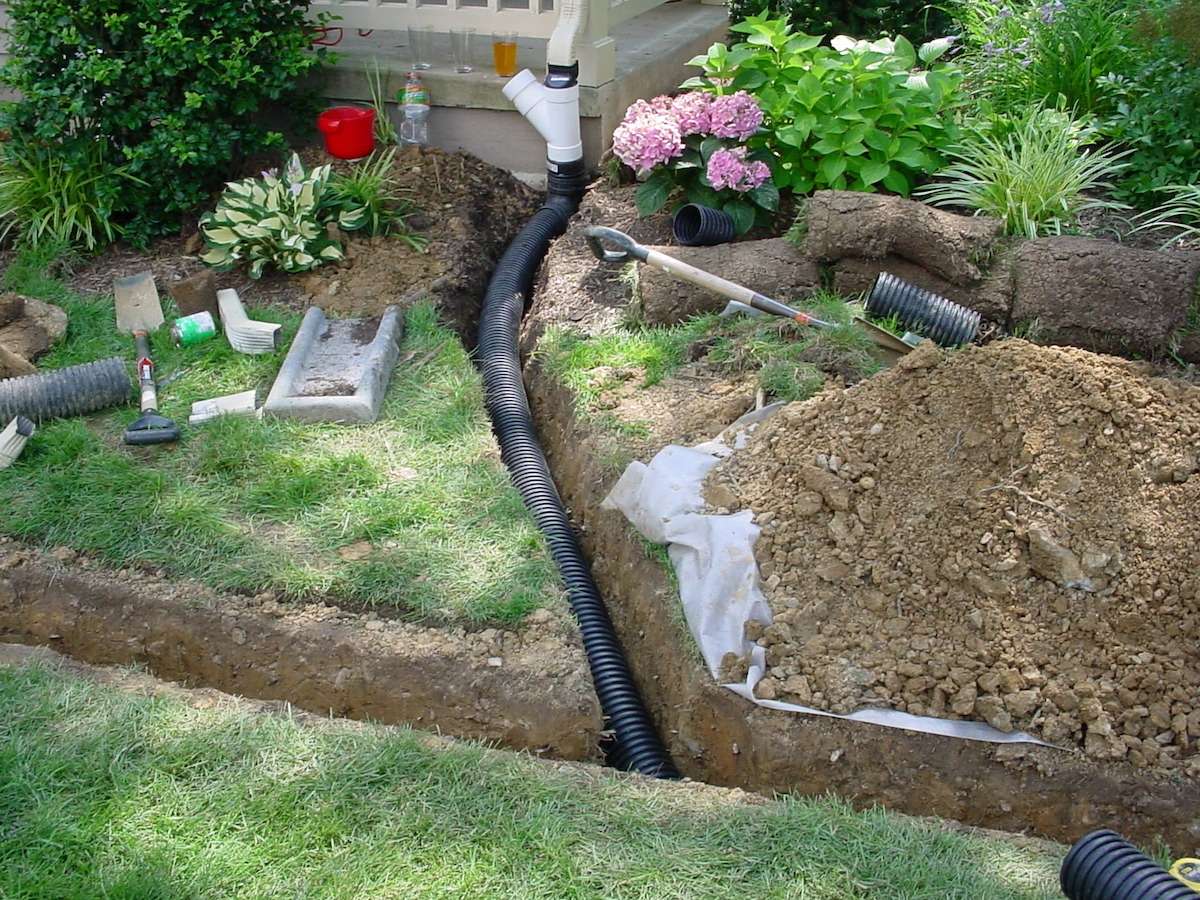
Image Source: www.kingstownelawn.com
Why is My Lawn So Wet? Deciphering the Causes
Before you can fix a wet lawn, it’s crucial to understand why it’s happening. Several factors can contribute to a soggy landscape, and identifying the root cause is the first step towards effective soggy lawn repair.
Soil Compaction: A Major Culprit
Over time, foot traffic, heavy machinery, and even natural settling can compact your soil. Compacted soil has very little pore space. This means water and air struggle to penetrate the ground. Instead, water sits on the surface or in the upper layers, leading to that dreaded waterlogged feeling. Improving soil permeability is key to combating compaction.
Poor Soil Drainage: The Nature of the Earth
Some soil types naturally have poor drainage. Heavy clay soils, for instance, have very fine particles that pack together tightly, making it difficult for water to drain away. If your lawn is built on a clay base, you might be fighting an uphill battle with water retention.
Grading and Topography: The Slopes Tell a Story
The way your land is sloped, or graded, plays a significant role in how water moves across your property. If your lawn is in a low-lying area or is surrounded by higher ground, water will naturally collect there. Even a slight depression can become a pond after heavy rain. Understanding surface drainage is vital here.
Overwatering and Poor Irrigation Practices: Too Much of a Good Thing
Sometimes, the issue isn’t just the soil; it’s how we’re managing our lawns. Overwatering your grass, especially if your irrigation system isn’t set up correctly or you’re watering during the wrong times of day, can lead to a constantly wet surface.
Clogged Gutters and Downspouts: Redirecting the Flow
If your home’s gutters are full of leaves and debris, or if downspouts are directed straight onto your lawn without any splash blocks or extensions, they can dump large volumes of water in one area, overwhelming the soil’s capacity to absorb it.
Hardscaping and Impermeable Surfaces: Nowhere for Water to Go
Driveways, patios, and sidewalks are impermeable surfaces. If they are poorly designed or not sloped away from your lawn, they can channel water directly into your yard, exacerbating drainage issues.
Shallow Root Systems: Grass That Can’t Drink Deeply
Healthy grass with deep roots can absorb more water. However, if your grass has a shallow root system due to poor fertilizing, lack of sunlight, or a compact upper soil layer, it won’t be able to draw water away from the surface as effectively.
Expert Lawn Care Tips for a Drier Yard
Addressing a wet lawn often starts with simple, yet effective, lawn care tips. These are the first line of defense and can make a significant difference in preventing waterlogging.
Lawn Aeration: Breathing Life Back into Your Soil
- What is lawn aeration? Lawn aeration is a process that involves removing small plugs of soil from your lawn. This creates holes that allow air, water, and nutrients to penetrate deeper into the soil.
- Why it helps: For compacted soil, lawn aeration is a game-changer. It breaks up the compacted layers, improving soil drainage and allowing grass roots to grow deeper.
- How to do it:
- Timing: The best time to aerate is during your grass’s active growing season. For cool-season grasses (like fescue and bluegrass), this is typically spring or fall. For warm-season grasses (like Bermuda and zoysia), it’s late spring or early summer.
- Methods: You can use a manual core aerator (a tool you step on) for small areas, or a rented power core aerator for larger lawns. Spike aerators are less effective as they can further compact the soil around the hole.
- Aftercare: Leave the soil plugs on the lawn; they will break down naturally. You can follow up with a light topdressing of compost or overseed your lawn for an extra boost.
Overseeding for a Thicker Lawn: Density Matters
A thick, healthy lawn is more resilient to water issues. Overseeding, especially after aeration, helps fill in thin patches and create a denser turf. Denser grass can help shed surface water more effectively and its roots contribute to better soil structure over time.
Adjusting Mowing Habits: Height and Frequency
- Mow Higher: Cutting your grass too short stresses the plant and can expose the soil to sun and wind, which can sometimes paradoxically lead to surface crusting. Aim for a higher mowing height, as this encourages deeper root growth.
- Sharp Mower Blades: Clean cuts heal faster and help prevent disease, which can thrive in wet conditions.
Proper Watering Techniques: Less is More, When Done Right
- Water Deeply and Infrequently: Instead of light, frequent watering, water your lawn deeply but less often. This encourages roots to grow down in search of moisture, improving overall soil drainage.
- Water in the Morning: Watering early in the day allows the grass blades to dry off before nightfall, reducing the risk of fungal diseases, which are common in soggy conditions.
- Check Soil Moisture: Use a soil moisture meter or a trowel to check if your lawn actually needs watering before you turn on the sprinklers.
Raking and Debris Removal: Clearing the Path
- Remove Thatch: A thick layer of thatch (dead grass clippings and organic matter) can act like a sponge, holding excess water at the surface and preventing it from draining into the soil. Rake your lawn to remove thatch, especially in the spring.
- Clear Leaves: Fallen leaves can smother grass and contribute to thatch buildup, hindering drainage.
Drainage Solutions: Tackling Persistent Waterlogging
When simple lawn care tips aren’t enough, you’ll need to implement more robust drainage solutions. These can range from improving surface drainage to installing more complex subsurface drainage systems.
Improving Surface Drainage: Guiding Water Away
Surface drainage focuses on redirecting water that sits on top of the soil.
1. Regrading Your Lawn: Reshaping the Landscape
- What it involves: This is a more significant undertaking that involves altering the slope of your yard. The goal is to create a gentle slope away from your house and towards a natural drainage area or a designated drainage system.
- When to consider it: If your lawn consistently collects water in a specific low spot or the entire yard slopes towards your home, regrading might be necessary.
- How it’s done: This usually involves adding or removing soil to create the desired slope. It can be a DIY project for minor adjustments, but for significant changes, hiring a landscaping professional is recommended. Ensure any added soil is of good quality and mixed with compost to improve its drainage capabilities.
2. French Drains: The Underground Workhorse
- What is a French drain? A French drain is a trench filled with gravel or rock that surrounds a perforated pipe. The pipe and gravel system collects and redirects surface and groundwater away from the problem area.
- How it works: Water seeps through the gravel, enters the perforated pipe, and is carried away to a lower point, like a storm drain, a dry well, or a downhill slope. This is a very effective subsurface drainage solution.
- Installation Steps:
- Plan the Path: Identify the low-lying, wet areas and determine where the water needs to go. The drain should slope downhill.
- Dig the Trench: Dig a trench about 12-18 inches deep and 12-18 inches wide. The bottom of the trench should slope at least 1 inch per foot.
- Line with Fabric: Line the trench with landscape fabric to prevent soil and silt from clogging the gravel.
- Add Gravel: Place a layer of gravel (about 4-6 inches) at the bottom of the trench.
- Lay the Pipe: Place a perforated drainage pipe (typically 4 inches in diameter) on top of the gravel, ensuring the perforations face downwards.
- Fill with Gravel: Cover the pipe with more gravel, filling the trench almost to the top.
- Cover with Fabric and Soil: Fold the landscape fabric over the gravel, then cover with a thin layer of topsoil to re-establish your lawn.
3. Dry Wells: Capturing and Releasing Water
- What is a dry well? A dry well is a pit dug in the ground and filled with gravel or a pre-fabricated chamber. It’s designed to collect surface water and allow it to slowly percolate into the surrounding soil.
- How it works: Water from downspouts or surface drains is channeled into the dry well. The gravel or chamber allows the water to be stored temporarily and then released gradually into the subsurface.
- Installation: Dig a hole, line it with landscape fabric, fill it with gravel, and connect your drainage pipes. For larger volumes of water, consider a pre-fabricated dry well system.
4. Channel Drains (Trench Drains): For Paved Areas
- What they are: These are linear drains installed in paved surfaces like patios or walkways that collect surface water and direct it to a designated outlet, preventing it from flowing onto your lawn.
- Purpose: They are excellent for managing runoff from hardscaping and improving surface drainage.
Implementing Subsurface Drainage: Deeper Solutions
Subsurface drainage tackles water that has already penetrated the soil surface or is rising from below.
1. Installing a Drainage System (Perforated Pipe Networks):
- Purpose: This is a more extensive system of perforated pipes laid in gravel-filled trenches, often laid in a grid pattern or main collector line, to intercept and remove excess groundwater.
- When it’s needed: This is usually for persistent, widespread waterlogging where surface drainage alone isn’t sufficient. It directly addresses issues with soil drainage at a deeper level.
- Considerations: This is a significant landscaping project and often requires professional installation. It can involve extensive digging and careful grading of the pipe network to ensure proper flow.
2. Soil Amendment for Improving Soil Permeability:
- What it means: This involves adding organic matter and other amendments to your soil to improve its structure and allow water to drain more freely.
- How to do it:
- Compost: Regularly top-dress your lawn with compost. Compost improves soil structure, creating more pore space for water and air.
- Sand: In some cases, especially with heavy clay soils, adding coarse sand can help improve drainage. However, be cautious, as mixing sand with clay improperly can create a concrete-like substance. It’s often best to incorporate sand with a significant amount of organic matter.
- Gypsum: For clay soils, adding gypsum can help improve soil structure and permeability without altering the soil pH.
3. Silt Fencing and Berms: Natural Water Management
- Silt Fencing: While often used in construction to prevent erosion, silt fencing can be strategically placed to temporarily redirect surface water away from a problem area until more permanent solutions can be implemented.
- Berms: Creating gentle mounds or berms of soil can help direct surface water away from low spots in your lawn.
Preventing Waterlogging: Long-Term Lawn Health
Once you’ve implemented drainage solutions, ongoing maintenance and good practices are crucial for preventing waterlogging from returning.
Regular Lawn Maintenance: The Foundation of a Healthy Lawn
- Aeration Schedule: Make lawn aeration a regular part of your lawn care routine, perhaps once a year.
- Thatch Removal: Keep thatch levels in check by dethatching as needed.
- Soil Testing: Periodically test your soil to check its pH and nutrient levels. Healthy soil supports healthy grass with deeper roots.
- Overseeding: Keep your lawn dense by overseeding bare or thin patches.
Smart Irrigation: Water Wisely
- Rain Sensors: Install rain sensors on your irrigation system to automatically shut off sprinklers when it rains.
- Smart Controllers: Use smart irrigation controllers that adjust watering schedules based on weather data.
- Zone Management: Ensure your irrigation zones are set up correctly, so you’re not overwatering areas that already have drainage issues.
Gutter and Downspout Maintenance: Directing Runoff
- Clean Gutters: Regularly clean out gutters and downspouts to ensure water flows freely.
- Downspout Extensions: Use downspout extensions to direct water at least 10-15 feet away from your home’s foundation and your lawn. Consider extending them to a more suitable drainage area.
Landscaping Choices: Working with Nature
- Planting: Consider planting trees or shrubs that tolerate or thrive in moist conditions in areas prone to waterlogging. These plants can help absorb excess moisture.
- Grading: When undertaking new landscaping projects, always ensure proper grading to direct water away from your home and lawn.
When to Call a Professional: Expert Intervention
While many drainage issues can be tackled with DIY solutions, some problems are more complex and may require the expertise of professionals.
Signs You Need Professional Help:
- Widespread and Persistent Waterlogging: If your entire yard or large sections remain soggy for extended periods, despite your efforts.
- Suspected Groundwater Issues: If you believe the waterlogging is due to a high water table or groundwater emerging from the ground.
- Complex Grading or Drainage System Installation: If you need to install a comprehensive subsurface drainage system or significantly regrade your property.
- Foundation Issues: If water is consistently pooling around your home’s foundation, it can lead to serious structural problems. In such cases, professional drainage solutions are essential.
- Lack of Success with DIY Methods: If you’ve tried several DIY solutions without seeing significant improvement.
What Professionals Offer:
- Site Assessment: Professionals can accurately diagnose the cause of your drainage problems, considering soil type, topography, and potential groundwater issues.
- Customized Solutions: They can design and install tailored drainage systems, such as extensive French drain networks, sump pumps, or grading plans.
- Heavy Equipment: Professionals have access to specialized equipment for digging trenches, moving soil, and installing complex systems.
- Knowledge of Local Regulations: They are familiar with local building codes and regulations regarding drainage and stormwater management.
Frequently Asked Questions (FAQ)
Q1: How long does it take for a lawn to dry out after heavy rain?
A: A healthy lawn with good soil drainage should dry out within 24-48 hours after rain. If your lawn remains waterlogged for much longer, it indicates a drainage problem.
Q2: Can I just fill in the wet spots with soil?
A: While adding soil can temporarily improve surface appearance, it often doesn’t solve the underlying drainage issue. If the problem is with soil compaction or the water table, simply adding soil may worsen the problem by creating a “bathtub” effect, trapping water in the original layer. It’s better to address the cause with drainage solutions and soil amendment.
Q3: What is the best time of year to address lawn drainage problems?
A: The best time to undertake major drainage work is typically during the cooler, drier months when your lawn is less actively growing. This minimizes stress on the grass. However, some tasks like aeration can be done during the growing seasons.
Q4: How much does it cost to fix a wet lawn?
A: The cost can vary significantly depending on the extent of the problem and the solutions implemented. Simple aeration might cost a few hundred dollars for a professional service. Installing French drains or regrading can range from several hundred to several thousand dollars, depending on the size of the area and the complexity of the job.
Q5: Will a wet lawn attract more pests?
A: Yes, a constantly wet lawn can attract pests like mosquitoes, slugs, and certain types of flies. It can also create an environment conducive to fungal diseases, which can further damage your lawn and attract other pests.
Conclusion: Reclaiming Your Yard
A wet lawn can be a frustrating problem, but with a systematic approach and the right drainage solutions, you can transform your soggy yard into a healthy, beautiful space. Start by diagnosing the cause, implement appropriate lawn care tips, and don’t hesitate to consider more robust drainage solutions like French drains or regrading if needed. By improving soil permeability and ensuring proper water management, you can say goodbye to waterlogging and enjoy a vibrant, dry lawn all year round.