
Yes, you can fix bare spots in your lawn caused by dogs. The key is to address the underlying issue of concentrated urine and then to revive the damaged areas with appropriate grass seed and care. This comprehensive guide will walk you through preventing, repairing, and maintaining a beautiful lawn that both you and your furry friends can enjoy.
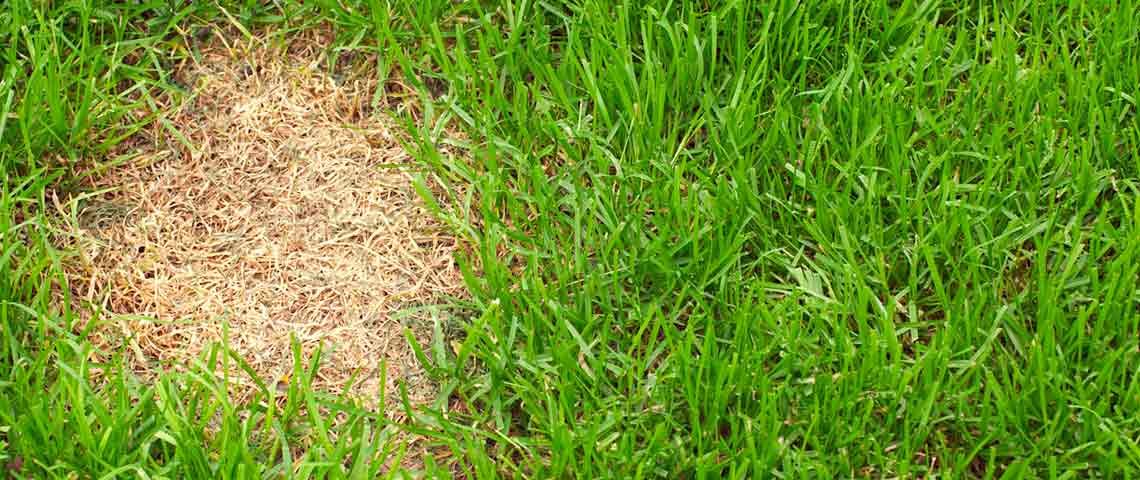
Image Source: www.pennington.com
Grasping The Problem: Why Dogs Damage Lawns
It’s a common sight for dog owners: those unsightly brown patches that seem to appear out of nowhere. While we love our canine companions, their bathroom habits can wreak havoc on our otherwise pristine lawns. The primary culprit behind these dog urine spots lawn damage is the high concentration of nitrogen and other salts in dog urine. When a dog repeatedly urinates in the same spot, these elements become too concentrated for grass to tolerate, essentially “burning” the blades and killing the roots.
The Science Behind The Burn
Dog urine contains nitrogen in the form of urea. When this urea breaks down, it forms ammonia. While nitrogen is a vital nutrient for grass growth in diluted amounts, concentrated ammonia and the salts present in urine can dehydrate and kill grass cells. This leads to the characteristic dead, brown patches.
Other Contributing Factors
While urine is the main offender, other factors can exacerbate the damage:
- Frequency of urination: Dogs that urinate in the same spots frequently will cause more damage.
- Diet: A dog’s diet can influence the composition of their urine.
- Hydration: A well-hydrated dog may have less concentrated urine.
- Grass type: Some grass varieties are more susceptible to urine damage than others.
Repairing Dog Pee Lawn Damage: A Step-by-Step Approach
When you’re faced with repair dog pee lawn damage, a multi-step process is usually most effective. It’s not just about re-seeding; it’s about reviving the soil and encouraging healthy growth.
Step 1: Clean Up The Area
Before you can repair, you need to clean.
- Remove Dead Grass: Rake up any dead or damaged grass. This removes the weakened material and allows new growth to emerge.
- Flush The Area: If the spot is still moist from a recent accident, gently water the area to dilute the remaining urine salts. This is a crucial step to prevent further damage to surrounding grass.
Step 2: Amend The Soil
The soil in these spots might be compacted and depleted.
- Loosen The Soil: Use a trowel or garden fork to gently loosen the top inch or two of soil. This helps with aeration and allows new seed to establish better.
- Add Compost: Mix in a small amount of good quality compost or topsoil. This enriches the soil with nutrients and improves its structure, creating a better environment for grass to grow.
Step 3: Choose The Right Seed
Selecting the best grass for dog urine resistance is important for future prevention, but for repair, you need seed that will establish quickly.
- Fast-Growing Varieties: Look for ryegrass or fescues. These germinate and establish relatively quickly, helping to cover the bare spots faster.
- Consider a Patch Kit: Many garden centers offer specific lawn repair kits designed for high-traffic areas or dog damage. These often contain a blend of seeds, starter fertilizer, and a soil amendment.
Step 4: Sow The Seed
Proper seeding is crucial for successful lawn repair dog spots.
- Follow Seed Packet Instructions: Ensure you sow the seed at the recommended rate. Over-seeding can lead to competition and weaker growth.
- Lightly Cover: Gently rake the seed into the loosened soil so it has good contact. Avoid burying it too deeply. A light covering of topsoil or straw can help retain moisture and protect the seed from birds.
Step 5: Water Wisely
Consistent moisture is key for germination and establishment.
- Keep Seed Moist: Water gently and frequently to keep the seedbed consistently moist, but not waterlogged. A fine mist from a sprinkler is ideal.
- Reduce Watering Frequency: Once the grass starts to grow, gradually reduce the frequency of watering but increase the duration. This encourages deeper root growth.
Step 6: Fertilize Appropriately
Starter fertilizer can give new grass a boost.
- Use a Starter Fertilizer: Apply a starter fertilizer specifically formulated for new lawns. These have a higher phosphorus content to promote root development.
- Avoid Over-Fertilizing: Too much fertilizer can burn new grass. Follow the product instructions carefully.
Preventing Dog Urine Burns: Proactive Lawn Care
The best way to deal with bare spots is to prevent them from happening in the first place. Implementing dog friendly lawn solutions and strategies for prevent dog urine burns can make a significant difference.
Training And Management
- Designated Potty Areas: Train your dog to use a specific area of the yard. This could be a patch of gravel, mulch, or a particular grassy area. By consistently taking your dog to this spot, they’ll learn to associate it with elimination.
- Leash Control: Supervise your dog when they are outside, especially when they are young or newly trained. This allows you to redirect them if they start to go in an undesirable spot.
- Encourage Hydration: Ensure your dog always has access to fresh water. This can help dilute their urine.
Dietary Adjustments
While not a magic bullet, diet can play a role.
- Consult Your Veterinarian: Discuss your dog’s diet with your vet. Some specialized dog foods are formulated to potentially reduce urine acidity or nitrogen levels.
- Avoid High-Protein Diets (in excess): While protein is essential, excessively high protein levels in some dog foods might contribute to urine concentration.
Lawn Care Dog Urine Strategies
These involve modifying your lawn or your dog’s habits.
- Regular Watering: Water your lawn deeply and regularly. This dilutes any urine that lands on the grass, lessening the impact. Watering immediately after your dog urinates in a spot can also help.
- Supplement Soil Amendments: You can use certain soil amendments to help buffer the effects of urine.
- Gypsum: Adding gypsum to the soil can help neutralize the salts in urine, making them less damaging to grass. Apply it to the entire lawn periodically, or specifically to areas where your dog frequents.
- Compost: Regularly adding compost to your lawn improves soil health and helps it absorb and dilute urine more effectively.
- Dog Urine Resistant Grass: Choosing the dog urine resistant grass varieties for your lawn from the outset is a smart preventative measure.
Best Grass Varieties for Dog-Friendly Lawns
When selecting grass, some types are naturally more resilient.
| Grass Type | Resilience to Urine | Growth Habit | Climate Suitability | Notes |
|---|---|---|---|---|
| Tall Fescue | Good | Deep-rooted, clumping | Cool/Transition | Tolerates shade, good wear resistance. |
| Perennial Ryegrass | Moderate | Fine-bladed, fast-growing | Cool/Transition | Quick germination, good for overseeding. |
| Kentucky Bluegrass | Moderate | Spreading rhizomes | Cool | Forms a dense turf, good self-repair. |
| Bermuda Grass | Good | Spreading rhizomes/stolons | Warm | Drought tolerant, needs full sun. |
| Zoysia Grass | Good | Spreading rhizomes/stolons | Warm | Dense, slow-growing, good shade tolerance. |
Important Note: Even the most resistant grasses can be damaged by concentrated dog urine if not managed properly.
Natural Remedies Dog Spots Lawn
Many owners prefer natural solutions.
- Vinegar Solution: A diluted vinegar solution (1 part white vinegar to 10 parts water) can be sprayed on affected areas after a dog urinates. The vinegar helps neutralize the ammonia. However, use sparingly as too much can harm grass.
- Tomato Juice (Myth Busting): While some sources suggest tomato juice, there’s no scientific evidence to support its effectiveness in preventing or treating dog urine spots. It might temporarily mask odors, but it won’t change the chemical composition of the urine.
- Dietary Supplements: Certain supplements are marketed to alter urine pH, such as cranberry extract or specific digestive aids. Always consult your veterinarian before giving your dog any supplements.
Regrow Grass Dog Damage: Long-Term Solutions
To successfully regrow grass dog damage, you need a sustained approach. This involves consistent repair and prevention.
Overseeding
Regular overseeding can help fill in thinning areas and improve the overall density of your lawn, making it more resilient.
Aeration
Core aeration helps relieve soil compaction, allowing better air, water, and nutrient penetration. This is beneficial for the entire lawn and aids in the recovery of damaged spots.
Dethatching
Excessive thatch can prevent water and nutrients from reaching the soil. Dethatching removes this layer, promoting healthier grass growth.
Frequently Asked Questions (FAQ)
What is the best way to fix dog urine spots on my lawn?
The best way to fix dog urine spots is to rake out dead grass, loosen the soil, amend it with compost, sow a fast-growing grass seed suitable for your climate, and water consistently until established.
Can I regrow grass in spots where my dog has urinated?
Yes, you can regrow grass in these spots by following a repair process that involves removing dead material, improving the soil, and re-seeding.
How often should I water my lawn to prevent dog urine damage?
Watering your lawn deeply and regularly, especially after a dog urinates in a spot, helps dilute the urine and minimize damage. Aim for about 1 inch of water per week, spread over 1-2 sessions.
What grass types are most resistant to dog urine?
Tall fescue, Bermuda grass, and Zoysia grass are generally considered more resistant to dog urine than some finer fescues or bluegrasses, though no grass is completely immune.
Are there natural remedies for dog spots on the lawn?
Yes, natural remedies include diluting urine with water, using a diluted vinegar solution (use sparingly), and incorporating compost into the soil. Always consult your vet before giving your dog any supplements.
How do I prevent my dog from making bare spots in the lawn?
Preventative measures include training your dog to use a designated potty area, ensuring they are well-hydrated, potentially adjusting their diet with vet approval, and maintaining a healthy, resilient lawn through proper lawn care dog urine strategies.
By following these steps and implementing consistent lawn care dog urine practices, you can effectively tackle those frustrating bare spots and cultivate a lush, healthy lawn that can withstand your dog’s visits.