
Can you fix dead spots in your lawn caused by dog urine? Yes, you absolutely can! Dealing with dog urine lawn damage is a common problem for pet owners, but with the right approach, you can restore your grass and prevent future issues. This guide will walk you through everything you need to know about tackling those yellow lawn patches dog leave behind and burn spots dog urine create.
Having a beautiful, green lawn is a dream for many homeowners, but when you share your yard with a furry friend, that dream can sometimes feel like a nightmare. The nitrogen in dog urine, while essential for plant growth in diluted amounts, is highly concentrated and can scorch grass blades. This leads to those tell-tale brown or yellow circles that mar your otherwise pristine lawn. But don’t despair! Repair dog urine lawn issues is achievable with a bit of knowledge and consistent effort.
This comprehensive guide will cover:
- Why dog urine damages grass.
- How to treat existing dead spots.
- Strategies for preventing future damage.
- Long-term lawn care tips for dog owners.
Let’s get your lawn back in top shape!
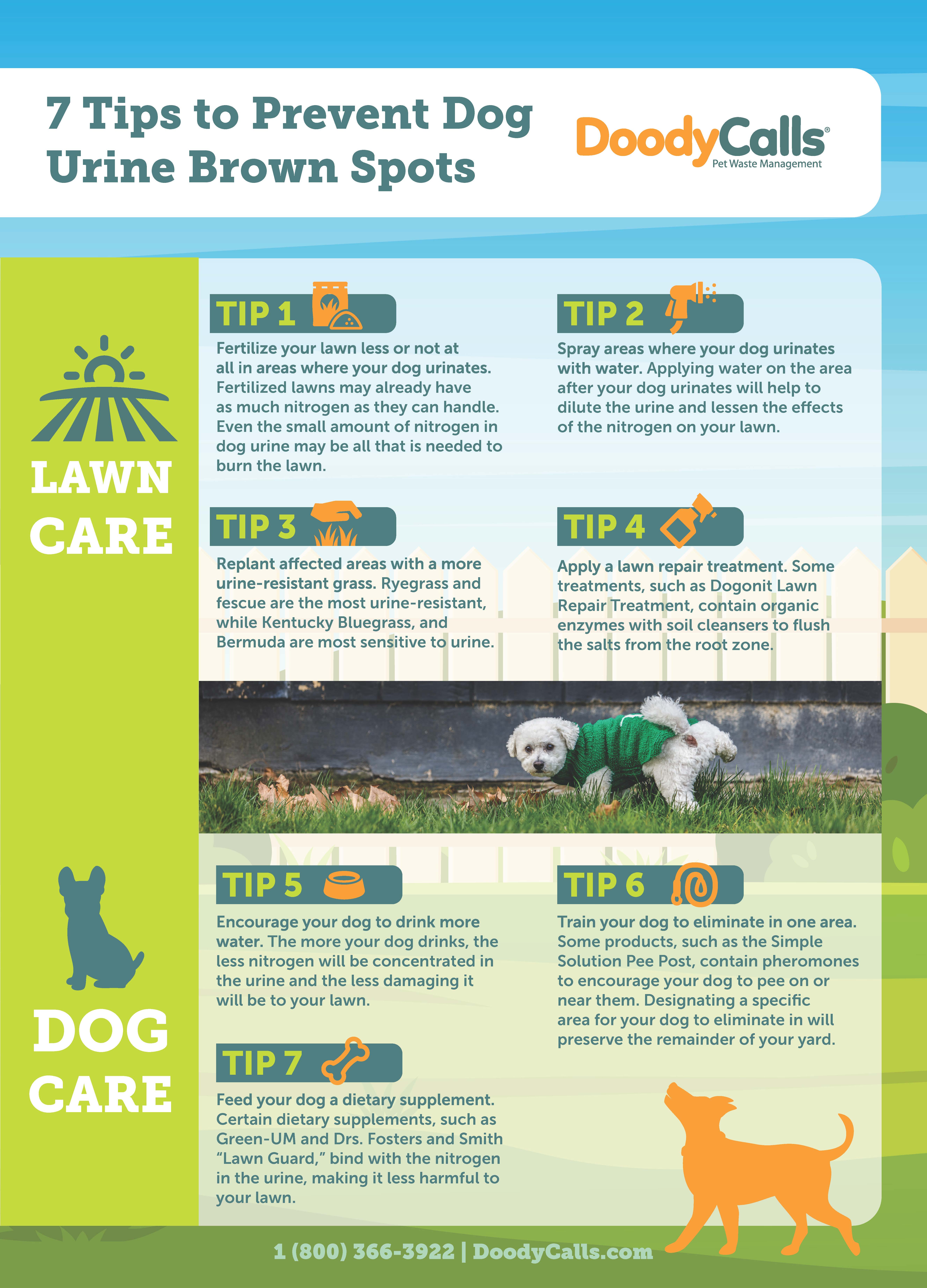
Image Source: www.doodycalls.com
Deciphering Why Dog Urine Burns Grass
To effectively fix the problem, we first need to grasp why it happens. It’s not simply that dogs urinate on the lawn; it’s the composition of their urine that causes dog urine lawn damage.
The Nitrogen Factor
Dog urine is rich in nitrogen, a key nutrient for plant growth. However, like many things in life, too much of a good thing can be bad. When your dog urinates on your lawn, the high concentration of nitrogen acts like a fertilizer overload. Instead of promoting healthy growth, it burns the grass blades and roots, leading to yellow lawn patches dog create.
Other Contributing Elements
While nitrogen is the primary culprit, other components in urine can also play a role:
- Salts: These can dehydrate the grass, making it more susceptible to burning.
- Urea: This compound breaks down into ammonia, which can also be toxic to grass in high concentrations.
It’s the combination of these elements that causes the characteristic “burn spots” you see on your lawn.
Fixing Existing Dog Urine Burn Spots
Once you’ve identified the affected areas, it’s time to focus on how to repair dog urine lawn damage. This process typically involves cleaning up the area, re-seeding, and nurturing the new growth.
Step 1: Clean and Prepare the Damaged Area
Before you can fix the spots, you need to remove any dead or dying grass and loosen the soil.
- Remove Dead Grass: Rake out all the dead, yellow, or brown grass. You want to expose the soil underneath. A stiff rake or a wire brush works well for this.
- Loosen the Soil: Use a trowel or garden fork to gently loosen the compacted soil in the affected area. This helps new seeds germinate and establish roots more easily.
- Remove Debris: Make sure to clear away any loose thatch or debris from the spot.
Step 2: Re-seeding or Patching Your Lawn
With the area prepped, you can now introduce new grass seed.
Choosing the Right Grass Seed
The best seed for your lawn will depend on your climate and the type of grass you already have. Look for:
- Durable Grass Types: Consider ryegrass or fescue blends, as they tend to be more resilient.
- Seed Blends: Often, a mix of seeds will provide better coverage and resistance to various conditions.
Seeding Techniques
- Broadcast Seeding: Sprinkle seeds evenly over the loosened soil. Don’t plant them too deep; a light covering is all that’s needed.
- Patching Kits: Many garden centers offer pre-mixed patching kits that include grass seed, fertilizer, and soil amendment, making the process simpler.
Watering New Seeds
Proper watering is crucial for successful germination.
- Keep it Moist: The seedbed should be kept consistently moist, not waterlogged. Water lightly and frequently, especially in the first few weeks.
- Protect the Area: If possible, try to keep your dog away from the newly seeded patches until the grass is established.
Step 3: Using Topsoil and Compost
Adding a layer of quality topsoil or compost can significantly improve the chances of successful repair.
- Benefits: These materials provide essential nutrients and improve soil structure, helping the new grass grow strong.
- Application: Mix a thin layer of compost or topsoil into the loosened soil before seeding, or spread a thin layer over the newly seeded area.
Step 4: Applying a Soil Amendment to Neutralize Urine Residue
To neutralize dog urine grass and prevent future burn spots from remaining residue, you can use certain amendments.
- Gypsum: Calcium sulfate, commonly known as gypsum, is a natural soil amendment that can help neutralize the salts and acidity in dog urine. It also improves soil structure.
- How to Use: Sprinkle a thin layer of gypsum over the affected area before re-seeding. You can also apply it to your lawn generally as a preventative measure.
Strategies for Preventing Dog Urine Spots
The best approach to dog pee lawn treatment is prevention. By implementing a few strategies, you can significantly reduce the occurrence of dead spots and keep your lawn looking healthy.
Encouraging Hydration
One of the simplest ways to minimize damage is to ensure your dog is well-hydrated.
- Fresh Water: Always have fresh, clean water available for your dog, both indoors and outdoors.
- Increase Intake: If your dog is prone to drinking less, consider adding a bit of water to their food or using a pet drinking fountain. Diluted urine is less potent.
Training and Redirecting Your Dog
Positive reinforcement and a bit of training can go a long way.
- Designated Potty Area: Train your dog to use a specific area of your yard. This could be a patch of gravel, mulch, or a designated spot with dog-friendly ground cover.
- Positive Reinforcement: When your dog uses the designated area, offer praise and a treat. This encourages them to return to that spot.
- Redirecting: If you catch your dog in the act of urinating on a preferred spot, gently redirect them to their designated area.
Rinsing the Lawn After Urination
This is a simple yet highly effective method to dilute the urine before it has a chance to damage the grass.
- Watering Can or Hose: Keep a watering can or a hose with a spray nozzle near your dog’s favorite potty spots.
- Immediate Rinse: As soon as you see your dog urinate, immediately rinse the area with plenty of water. This dilutes the nitrogen and salts, preventing them from burning the grass.
Diet Adjustments for Dog Urine Lawn Treatment
While not a definitive solution, some believe that dietary changes can impact urine concentration.
- Consult Your Vet: Always discuss any dietary changes with your veterinarian.
- High-Quality Food: Ensure your dog is eating a high-quality, balanced diet. This can lead to healthier urine with less concentrated compounds.
- Supplements (with caution): Some products are marketed as urine-neutralizing supplements. These often contain ingredients like DL-methionine or cranberry extract, which are thought to alter urine pH. However, their effectiveness can vary, and it’s crucial to consult your vet before giving your dog any supplements.
Installing Dog-Friendly Lawn Solutions
For dedicated dog owners, investing in specific dog friendly lawn solutions can be a game-changer.
- Gravel or Mulch Patches: Create dedicated “potty zones” using gravel, wood chips, or a special dog-friendly turf. These materials are less susceptible to urine damage and are easy to clean.
- Artificial Turf: High-quality artificial turf is a very durable option that is completely resistant to dog urine damage. Look for options designed with pets in mind, which often have good drainage.
- Pee Posts or Urination Stations: These are essentially small posts or markers that you can train your dog to use as a dedicated urination spot.
Advanced Lawn Care Dog Urine Strategies
Beyond immediate repairs and basic prevention, there are advanced lawn care dog urine strategies that can help maintain a healthier lawn overall.
Aeration
Aeration is a process that involves creating small holes in the soil.
- Benefits: It improves air circulation, water penetration, and nutrient absorption, which helps grass grow stronger and more resilient to damage.
- Timing: Aerate your lawn in the spring or fall, especially if you have heavy clay soil or notice compaction.
Overseeding
Regular overseeding can help fill in any thin patches and maintain a dense turf.
- Process: After aeration, spread a layer of grass seed over your lawn to promote thicker growth.
- Frequency: Overseeding once or twice a year can significantly improve lawn health and density.
Proper Fertilization
While dog urine is a form of fertilizer, imbalanced lawn fertilization can worsen issues.
- Avoid Over-fertilizing: Follow a regular, but not excessive, fertilization schedule. Too much fertilizer can stress the grass, making it more vulnerable to urine burn.
- Slow-Release Fertilizers: Opt for slow-release fertilizers that provide nutrients gradually, reducing the risk of burning.
Soil Testing
Knowing your soil’s pH and nutrient levels is key to effective lawn care dog urine.
- Testing Kits: You can purchase home soil testing kits or send a sample to your local extension office.
- pH Levels: Soil that is too acidic or too alkaline can make grass more susceptible to damage. Adjustments can be made based on test results.
Troubleshooting Common Issues
Even with the best prevention, you might encounter persistent problems. Here are some troubleshooting tips for fixing lawn damage dogs might cause.
Persistent Yellow Patches
If yellow lawn patches dog create don’t seem to recover, it could be due to:
- Deep Root Damage: The urine may have penetrated deeper than expected.
- Poor Soil Conditions: The soil might lack the necessary nutrients or drainage for regrowth.
- Underlying Disease: In rare cases, yellow patches can be a sign of a fungal disease.
Solution: For persistent issues, you may need to dig out the affected soil entirely and replace it with fresh topsoil before re-seeding. Consider a soil test to identify any underlying issues.
Multiple Small Spots
If you have numerous small spots across your lawn, it indicates frequent urination in various locations.
Solution: Focus on the prevention strategies, particularly rinsing after urination and training your dog to use a designated area. Increasing your dog’s water intake is also a good idea.
Lawn Damage in Winter
Dog urine lawn damage can be particularly noticeable in winter when grass growth slows down.
Solution: Address these spots in the spring when the growing season begins. You can lightly rake the areas and sprinkle some grass seed, but substantial repairs are best done when the weather is warmer and the grass is actively growing.
Table: Common Dog Urine Lawn Damage Scenarios and Solutions
| Scenario | Cause | Solution |
|---|---|---|
| Burn Spots Dog Urine (circular brown) | Concentrated nitrogen and salts scorch grass. | Remove dead grass, loosen soil, re-seed with a durable blend, water consistently. Consider gypsum to neutralize residue. |
| Yellow Lawn Patches Dog (fading color) | Similar to burn spots, often less severe, indicating early stages. | Rinse the area immediately after urination. Ensure adequate hydration for your dog. Address with re-seeding if the yellowing persists. |
| Thinning Turf | Frequent urination in specific areas, weakening grass over time. | Implement designated potty areas, train your dog, and consider overseeding to thicken the lawn and improve its resilience. |
| Overall Yellowing of Grass | Could be a combination of urine damage and other lawn issues. | Conduct a soil test. Ensure proper fertilization, aeration, and watering. Check for signs of disease or pest infestation. Consider a dog-friendly lawn treatment like diluted liquid seaweed for general health. |
Frequently Asked Questions About Fixing Dog Urine Lawn Damage
Here are answers to some common questions about dealing with dog urine lawn damage.
Q1: How quickly do dog urine spots appear?
A1: Dog urine spots can appear quite rapidly, sometimes within a day or two, especially during warm, sunny weather when the grass is actively growing and susceptible to burning.
Q2: Can I use human fertilizer to fix dog urine spots?
A2: It’s generally not recommended to use standard human lawn fertilizer to “fix” dog urine spots. While fertilizer provides nutrients, applying it directly to a burn spot can exacerbate the problem by adding more concentrated chemicals. The best approach is to repair the spot with seed and ensure proper lawn fertilization practices for overall health.
Q3: How long does it take for a dog urine spot to heal?
A3: If the damage is minor and you rinse the area immediately, the grass may recover on its own within a week or two. For more severe spots that have killed the grass, it can take several weeks to a month for new grass to grow and fill in after re-seeding, depending on the season and weather conditions.
Q4: Are there special dog-friendly lawn treatments?
A4: Yes, there are products and methods specifically designed for dog friendly lawn solutions. These include soil amendments like gypsum, specialized grass seed blends, and even training aids like pee posts. Regular lawn care practices, like aeration and proper hydration of your dog, also contribute to a dog-friendly lawn.
Q5: Can I use baking soda on dog urine spots?
A5: While baking soda is often suggested for various home remedies, it’s generally not recommended for dog urine lawn damage. Baking soda can alter soil pH in ways that might be detrimental to grass growth, and its effectiveness in neutralizing urine damage is questionable compared to other methods like gypsum.
Q6: How much water should I use to rinse the lawn after my dog urinates?
A6: Use a generous amount of water. Imagine you’re watering the spot to dilute a spill. A good rule of thumb is to thoroughly rinse the area for at least a minute with a steady stream from a hose or a watering can filled with several gallons of water. The goal is to wash away the concentrated urine before it can soak into the soil and damage the grass roots.
Conclusion: A Greener Lawn Awaits
Dealing with dog urine lawn damage is a persistent challenge for many pet owners, but it’s a battle you can win. By understanding why dog urine burns grass and implementing proactive prevention strategies and effective repair techniques, you can maintain a beautiful, healthy lawn.
Remember to focus on:
- Prevention: Hydration, training, and rinsing are your first lines of defense.
- Repair: Promptly address dead spots by removing dead grass, re-seeding, and proper watering.
- Maintenance: Regular lawn care dog urine strategies like aeration and overseeding will build a more resilient lawn.
With a little effort and the right approach to fixing lawn damage dogs create, you can enjoy a lush green yard that both you and your canine companion can appreciate. Happy gardening!