
Can you fix brown spots on your lawn caused by dog urine? Yes, you absolutely can! This article will guide you through effective and easy fixes for dog spots on lawn, helping you restore your turf to its former glory.
Dog urine can be tough on lawns, leaving behind unsightly brown or yellow patches. The culprit is nitrogen and other salts in your dog’s pee. While it might seem like a permanent problem, repair dog spots grass is achievable with the right approach. This guide will cover everything from immediate treatments to long-term prevention strategies to repair dog spots grass.
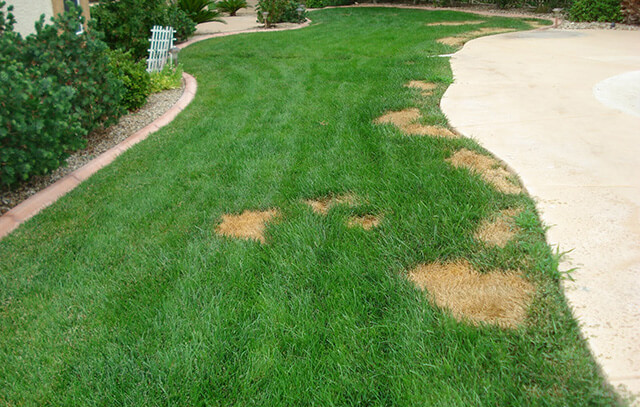
Image Source: www.ecogreen.ca
Why Dog Urine Damages Your Lawn
To effectively treat brown spots from dog pee, it’s important to know why they happen. Dog urine contains high levels of nitrogen, ammonia, and salts. When concentrated, these elements act like fertilizer in small doses, but in larger amounts, they scorch the grass, much like too much fertilizer would. This is why you see those distinct rings or patches of dead grass.
The Science Behind the Spots
- Nitrogen Overload: Nitrogen is essential for grass growth, but too much burns the blades.
- Salts and Minerals: Other compounds in urine can dehydrate the grass, leading to wilting and death.
- pH Imbalance: Urine can alter the soil’s pH, making it difficult for grass to thrive.
Easy Fixes for Existing Dog Spots
When you notice those dreaded brown circles, it’s time to act. Here are some easy fixes to lawn repair dog urine damage:
1. The Watering Method: Dilution is the Solution
This is the simplest and often most effective immediate fix.
- How it works: Watering the affected area immediately after your dog has urinated helps dilute the concentration of nitrogen and salts, preventing the grass from burning.
- When to do it: As soon as you can, after noticing your dog pee.
- Steps:
- Grab your hose.
- Thoroughly water the spot for at least 5-10 minutes.
- The goal is to wash the urine into the soil, away from the grass roots.
This method is especially useful if you catch your dog in the act. It’s a proactive step to prevent dog urine damage lawn.
2. Raking and Reseeding: For Already Damaged Areas
If the grass is already dead or significantly damaged, watering alone won’t bring it back. You’ll need to reintroduce new grass.
- When to do it: For spots that are already brown and crispy.
- Steps:
- Rake the dead grass: Use a stiff rake to remove all the dead, dry grass from the affected patch. This helps loosen the soil.
- Loosen the soil: Gently dig into the loosened soil with a trowel or garden fork. This aerates the soil and makes it easier for new seeds to establish.
- Add topsoil (optional but recommended): If the patch is deep, adding a thin layer of good quality topsoil can provide a better base for new grass.
- Choose the right grass seed: Select a seed mix that matches your existing lawn, or consider dog urine resistant grass varieties if this is a recurring problem.
- Sow the seeds: Sprinkle the grass seed evenly over the prepared area. Follow the package instructions for the correct seeding rate.
- Cover lightly: Gently rake the seeds into the soil to ensure good seed-to-soil contact.
- Water gently: Keep the area consistently moist. A light misting several times a day is ideal for germination. Avoid heavy watering, which can wash the seeds away.
- Protect the area: Keep dogs and other pets off the newly seeded area until the grass is well-established (usually a few weeks).
This is a core technique for repair dog spots grass that have already succumbed to the damage.
3. Using a “Dog Pee Killer for Grass” or Lawn Repair Mix
There are commercial products designed to neutralize the effects of dog urine on grass.
- What they are: These are often granular or liquid treatments that contain beneficial bacteria, soil conditioners, or products that help break down the nitrogen and salts in urine. Some also include grass seed and starter fertilizer.
- How to use them:
- Follow the product instructions carefully.
- Typically, you’ll apply the product directly to the affected spot.
- Some require watering in.
- For products containing seed, follow the reseeding steps mentioned above.
When looking for a dog pee killer for grass, check reviews and ingredient lists to ensure it’s safe for your lawn and pets.
Natural Solutions for Dog Urine Lawn Damage
Many people prefer natural dog urine remover lawn solutions. These are great for the environment and often just as effective.
1. Baking Soda
Baking soda is a natural deodorizer and can help neutralize the acidity of urine.
- How to use it:
- After your dog urinates, wait for the spot to dry a bit.
- Sprinkle a generous amount of baking soda over the affected area.
- Water the spot thoroughly.
- Caveats: While it can help neutralize, it’s not a guaranteed fix for severe damage, and too much baking soda can also harm grass. Use it sparingly for best results.
2. Tomato Juice
Some anecdotal evidence suggests tomato juice can help neutralize urine’s acidity.
- How to use it:
- Pour a small amount of plain tomato juice (no added sugar or spices) directly onto the urine spot after your dog has finished.
- Water the area well afterwards.
- Effectiveness: This is a less proven method compared to others, but it’s a readily available, natural option to try.
3. Gypsum
Gypsum (calcium sulfate) is a soil amendment that can help improve soil structure and reduce the salt content.
- How it works: It helps to bind with the salts in the urine, making them less harmful to the grass.
- How to use it:
- Apply a small amount of granular gypsum to the affected area.
- Water it in.
- Note: Gypsum is more of a soil conditioner and can help prevent future damage if applied regularly to areas where your dog frequently urinates. It’s not an instant fix for dead spots.
4. Diluted Vinegar
White vinegar is acidic, so it might seem counterintuitive. However, when heavily diluted, it’s thought to help neutralize the ammonia in urine.
- How to use it:
- Mix 1 part white vinegar with 5 parts water.
- Pour the diluted mixture over the affected spot.
- Water thoroughly afterwards.
- Caution: Use this method with extreme caution. Undiluted or improperly diluted vinegar can kill grass. It’s better to stick to other methods if you’re unsure.
Preventing Dog Spots on Your Lawn
Prevention is always better than cure. Here’s how to prevent dog urine damage lawn:
1. Encourage Spot Rotation
- Why it works: By having your dog urinate in different spots, you prevent any single area from receiving too much concentrated urine.
- How to do it:
- Train your dog to use specific areas of the yard.
- Take your dog for walks and encourage them to use other areas outside your home.
- If you have a designated “dog relief area,” regularly sprinkle it with water after your dog uses it.
2. Increase Fluid Intake
- Why it works: More water means diluted urine, which is less damaging to grass.
- How to do it:
- Ensure your dog always has access to fresh, clean water.
- Consider adding a little water to their food, especially in warmer weather.
- If your dog’s urine is consistently dark yellow, consult your veterinarian.
3. Dietary Supplements and Adjustments
There are supplements available that claim to help neutralize the nitrogen in dog urine.
- What to look for: Products often contain ingredients like DL-methionine, cranberry extract, or probiotics.
- How they work: These are thought to alter the pH or chemical composition of the urine.
- Important: Always consult your veterinarian before giving your dog any new supplements. They can advise if it’s appropriate for your dog’s health and ensure the dosage is correct. What works for one dog might not work for another.
4. Lawn Treatments and Soil Conditioners
- Gypsum: As mentioned earlier, regular application of gypsum can improve soil structure and help manage salt buildup.
- Compost: A healthy lawn with good soil is more resilient. Regularly top-dressing your lawn with compost can improve its overall health and its ability to withstand minor stressors.
5. Consider Dog-Friendly Grass Varieties
If you’re establishing a new lawn or overseeding, choosing the right grass type can make a difference. Some grass varieties are more tolerant to dog urine than others.
-
What are dog urine resistant grass types?
- Fescues (Tall Fescue, Fine Fescue): These grasses have deep root systems and are generally more drought-tolerant and resilient.
- Ryegrass (Perennial Ryegrass): While it can be damaged, ryegrass often recovers quicker than some other types.
- Bermuda Grass: Very hardy and can often bounce back from urine damage.
- Kentucky Bluegrass: Can be damaged but has good self-repairing qualities.
-
Key Characteristics: Look for grasses that are known for their resilience, ability to recover quickly, and good nitrogen tolerance (or ability to dilute it effectively).
DIY Dog Spots Lawn Solutions: Putting It All Together
Let’s create a simple plan for your DIY dog spots lawn efforts:
Step-by-Step Plan:
- Immediate Action: If you see your dog peeing, grab the hose and water the spot for 5-10 minutes.
- Assess Damage: For existing spots, determine if the grass is dead or just stressed.
- Stressed (Yellow/Wilting): Water thoroughly.
- Dead (Brown/Crispy): Proceed to reseeding.
- Prepare the Patch:
- Rake out dead grass.
- Loosen the soil.
- Add a little topsoil if needed.
- Reseed:
- Choose appropriate grass seed.
- Sow seeds, lightly cover, and water gently.
- Keep dogs off the area.
- Natural Treatments: For ongoing minor issues or as a preventative, consider watering with diluted vinegar (carefully!) or applying baking soda after watering.
- Prevention:
- Encourage spot rotation.
- Ensure ample fresh water for your dog.
- Talk to your vet about diet/supplements.
- Consider dog urine resistant grass for future lawn projects.
Tools and Materials You Might Need
Here’s a quick list of what can help you repair dog spots grass:
- Garden hose with a spray nozzle
- Stiff garden rake
- Trowel or small garden fork
- Topsoil (optional)
- Grass seed (matching your lawn or a resilient variety)
- Compost or soil amendment (like gypsum)
- Watering can or sprinkler
- Wheelbarrow (for larger repairs)
- Commercial lawn repair product (optional)
- Gloves
Table: Comparing Lawn Repair Methods
| Method | Best For | Ease of Use | Cost (Low/Med/High) | Effectiveness |
|---|---|---|---|---|
| Watering | Fresh urine | Very Easy | Low | Good |
| Raking & Reseeding | Dead spots | Medium | Medium | Very Good |
| Commercial Products | Dead or stressed spots | Easy | Medium | Good to Very Good |
| Baking Soda | Minor spots, neutralizing | Easy | Low | Fair |
| Gypsum | Soil health, preventative | Easy | Low to Medium | Good (long term) |
| Dog Urine Resistant Grass | New lawns, overseeding, prevention | N/A (planning) | Medium to High | Excellent (preventative) |
Frequently Asked Questions (FAQ)
Q1: How long does it take for dog spots on the lawn to heal?
A1: If the grass is just stressed, watering can help it recover within a few days to a week. If the grass is dead and you reseed, it typically takes 2-4 weeks for new grass to establish and become visible, with full maturity taking longer.
Q2: Can I just put fertilizer on the brown spots?
A2: No, brown spots are usually caused by too much nitrogen, not too little. Adding more fertilizer will likely make the problem worse. Focus on diluting or removing the urine and reseeding if necessary.
Q3: Will my dog start peeing in the same spot every time?
A3: Dogs often do return to the same spots due to scent marking. This is why prevention through spot rotation and encouraging new relief areas is crucial.
Q4: Are there any sprays that instantly kill dog urine on the lawn?
A4: While there are products designed to neutralize urine’s effects, there isn’t a spray that instantly “kills” urine without potentially harming the grass. Most effective solutions involve dilution, neutralization over time, or reseeding. Always read product labels carefully.
Q5: Can I use old coffee grounds on my lawn to help with dog spots?
A5: Coffee grounds can add nitrogen and organic matter to the soil, which is generally good for lawns. However, they are not a direct solution for neutralizing the concentrated effects of dog urine. Use them as a general soil amendment, but don’t rely on them for spot repair.
By following these tips and techniques, you can effectively fix dog spots on lawn and maintain a beautiful, healthy yard that you and your canine companion can both enjoy. Remember that consistency in prevention and prompt action on damage are key to keeping your lawn looking its best.