
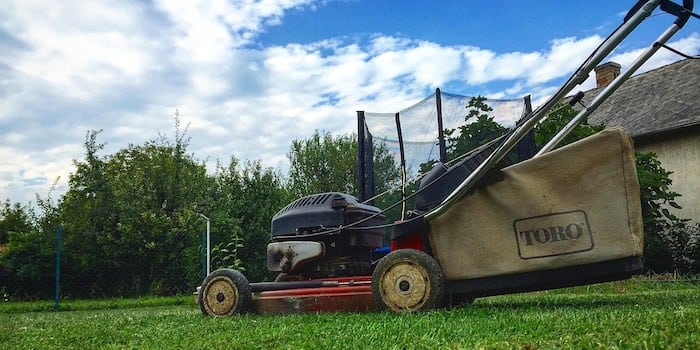
Image Source: goloadup.com
How To Get Rid Of An Old Lawn Mower: Sell, Recycle, or Haul Away
What is the best way to get rid of an old lawn mower? The best way depends on its condition and your goals, but options include selling it if it works, donating it if it’s still usable but you don’t want to sell, recycling it for its metal parts, or hiring a service for junk mower removal.
Your trusty lawn mower has served you well, trimming your grass week after week. But now, it’s on its last legs. Maybe it’s sputtering, refusing to start, or simply too old and inefficient. You’re faced with the question: how to get rid of an old lawn mower? This guide will walk you through the various options, from selling and donating to recycling and hauling it away. We’ll help you find the most suitable and responsible way to handle your unwanted mower.
Selling Your Old Mower: Turning Trash into Treasure
If your lawn mower still has some life in it, selling it is a great way to recoup some of your investment and help someone else out. A working mower is a valuable commodity for homeowners who might not want to buy new.
Where to Sell Your Old Mower
There are several avenues for selling your old mower. Consider where your target audience is most likely to look.
-
Online Marketplaces:
- Facebook Marketplace: This is one of the most popular platforms for selling used items locally. It’s free to use and reaches a vast audience. You can easily post photos, descriptions, and set your price.
- Craigslist: Another classic for local sales, Craigslist is great for mechanical items. Be prepared for direct communication with potential buyers and possibly some haggling.
- eBay: If you’re willing to ship or can find a local pickup buyer, eBay can reach a wider audience beyond your immediate area. It’s particularly good for older or more unique models.
- Nextdoor: This app connects you with your neighbors, making it easy to sell items locally. It’s ideal for items you want to get rid of quickly within your community.
-
Local Options:
- Lawn and Garden Shops: Some local shops that sell new mowers may also buy used ones or know of people who do. It’s worth a call to inquire.
- Garage Sales: If you’re already planning a garage sale, include your mower. It can be a draw for people specifically looking for yard equipment.
- Local Classifieds: While less common now, some local newspapers still have a classifieds section where you can list items.
Pricing Your Old Mower
Determining the right price is key to a quick sale.
- Research Similar Models: Look up what similar models in similar condition are selling for on the platforms mentioned above.
- Consider Age and Condition: A mower that’s only a few years old and in good working order will command a higher price than one that’s 10 years old and showing signs of wear.
- Be Honest About Flaws: Mention any issues, like a slightly weak pull cord or a worn seat. This builds trust and avoids surprises for the buyer.
- Factor in Extras: Did you include any accessories, like a bagger or mulch kit? These can increase the value.
Tips for a Successful Sale
- Clean it Up: A clean mower looks more appealing and well-maintained. Wash off dirt and debris, and wipe down the surfaces.
- Take Good Photos: Use clear, well-lit photos from multiple angles. Show the engine, deck, and any accessories.
- Write a Detailed Description: Include the make, model, age, engine size, any features (self-propelled, electric start), and its condition. Mention any repairs you’ve made.
- Be Responsive: Answer questions promptly from potential buyers.
- Safety First: If you’re selling it to someone who will pick it up, make sure you have a safe way to load it. Consider having a helper for heavier mowers.
Donating Your Old Mower: Giving Back to the Community
If your mower is still in decent working condition but you don’t want to go through the hassle of selling, donating it is a fantastic option. Many organizations can benefit from working lawn equipment.
Where to Donate Your Old Mower
- Local Charities and Nonprofits: Many community organizations, like Habitat for Humanity ReStores, Goodwill, or local churches, accept donations of usable tools and equipment. Call them first to confirm they accept lawn mowers and to ask about their drop-off procedures.
- Community Gardens and Allotments: These often rely on donated equipment to help their members maintain the grounds.
- Schools or Vocational Programs: Some vocational schools or agricultural programs might be interested in older, but functional, lawn mowers for training purposes.
- Thrift Stores: Some thrift stores specializing in home goods or tools may be willing to take it.
How to Prepare Your Donation
- Ensure it Runs: Most organizations will only accept mowers that are in working order. Check the oil, gas, and spark plug.
- Clean it: Similar to selling, a clean mower is more likely to be accepted and appreciated.
- Provide Information (Optional): If you know its history or any minor quirks, sharing this with the organization can be helpful.
- Check for Tax Deductions: If you donate to a registered 501(c)(3) organization, you may be eligible for a tax deduction. Be sure to get a receipt and keep good records.
Recycling Your Old Mower: Resourceful Disposal
When a mower is beyond repair or too old to sell, lawn mower recycling becomes the most environmentally responsible choice. Mowers are made of valuable materials like steel, aluminum, and plastic, which can be salvaged and reused.
What Happens During Lawn Mower Recycling?
Recycling facilities will typically:
- Drain Fluids: Any residual gasoline and oil are safely removed and disposed of or recycled.
- Dismantle: The mower is taken apart to separate different materials.
- Separate Materials: Metal components (steel, aluminum) are separated from plastics, rubber, and other materials.
- Process for Reuse: The separated materials are then sent to appropriate recycling centers to be melted down and repurposed.
Where to Find Lawn Mower Recycling Centers
- Local Recycling Centers: Your municipal or county recycling center is often the first place to check. They may have specific programs for bulky items like lawn mowers.
- Scrap Metal Yards: Businesses that specialize in scrap metal will often take old mowers. They are particularly interested in the metal content. You might even get a small payment for your scrap lawn mower based on its weight.
- Waste Management Companies: Some waste disposal companies offer specialized recycling services for large items.
- Special Collection Events: Keep an eye out for community-organized e-waste or bulky item collection events, as these often include lawn equipment.
Preparing Your Mower for Recycling
- Drain All Fluids: It’s crucial for safety and environmental reasons to drain all gasoline and oil before taking your mower to a recycling center. This is usually a requirement.
- Remove Battery (if applicable): If your mower has a battery (especially electric or riding mowers), remove it and recycle it separately according to local regulations, as batteries often require special handling.
Hauling Away Your Old Mower: When You Need It Gone Fast
If your mower is broken, you don’t have the means to transport it, or you simply want the quickest solution, hiring a service to haul away mower is your best bet. This is often referred to as junk mower removal.
Types of Hauling Services
- Junk Removal Companies: These are professional services that specialize in removing unwanted items from your property. They handle all the heavy lifting and transportation. Companies like 1-800-GOT-JUNK?, Junk King, or local equivalents are good options.
- Local Landscaping or Repair Shops: Sometimes, small landscaping businesses or repair shops will offer removal services, especially if they are taking away a new mower in exchange.
- Municipal Bulk Trash Pickup: Check with your local sanitation department. Many cities offer scheduled bulk trash pickups for large items, which may include lawn mowers. There might be a fee or specific days for this.
What to Consider When Hiring a Service
- Cost: Get quotes from multiple services. Prices can vary based on the size of the mower, your location, and the company’s pricing structure.
- Convenience: These services typically come to your home, so you don’t have to worry about transport.
- Disposal Practices: Inquire about their disposal methods. Do they prioritize recycling, or will it just go to a landfill? Many reputable junk removal companies have partnerships with recycling facilities.
- Scheduling: Book in advance, especially during busy seasons.
Repurposing Your Old Mower: Creative Reuse
For the DIY enthusiast or the creatively inclined, an old lawn mower can be a source of parts or inspiration for a new project. Repurposing an old mower can be a fun and rewarding way to give it a second life.
Ideas for Repurposing
- Parts Salvage: The engine, wheels, handlebars, and blades can often be reused in other projects. Think go-karts, mini-bikes, or even custom garden art.
- Garden Art: With some imagination, an old mower can become a quirky planter or a decorative piece in your garden.
- Planter Box: Remove the engine and blades, and use the mower deck as a raised planter bed for flowers or herbs.
- Custom Projects: Welders and fabricators might find the metal frame and components useful for building unique machinery or structures.
Safety When Repurposing
- Always Drain Fluids: Before you start tinkering, make sure all gasoline and oil are completely drained.
- Disconnect Spark Plug: To prevent accidental starting, disconnect the spark plug wire.
- Handle Blades with Care: Mower blades are sharp. Wear thick gloves and exercise caution when handling them.
- Wear Safety Gear: Always wear safety glasses and work gloves when dismantling or modifying equipment.
Comparing Your Options: Which Way is Best?
Choosing the best way to get rid of mower involves weighing several factors. Here’s a quick comparison table to help you decide:
| Option | Best For | Pros | Cons |
|---|---|---|---|
| Selling | Mower is in good working condition. | Earn money, help someone else, environmentally friendly. | Requires effort to list, communicate, and meet buyers; may not sell quickly. |
| Donating | Mower is in good working condition but you want a quick, easy exit. | Helps a good cause, potentially tax-deductible, easy process. | No financial return, must ensure it’s in usable condition. |
| Recycling | Mower is broken, very old, or has no resale value. | Environmentally responsible, salvages valuable materials, often free or low-cost. | Requires draining fluids; may involve transport to a facility. |
| Haul Away/Junk Removal | Mower is broken, heavy, or you need it gone immediately. | Most convenient, no effort on your part, fast removal. | Costs money, less environmentally friendly if not done responsibly. |
| Repurposing | You enjoy DIY projects and want to reuse parts creatively. | Fun and rewarding, creative outlet, can save money on future projects. | Requires time, tools, and skills; safety precautions are paramount. |
FAQs About Unwanted Mower Disposal
Here are answers to some common questions about getting rid of an old lawn mower:
Q1: Can I just throw my old lawn mower in the regular trash?
A1: Generally, no. Most municipal waste services consider lawn mowers to be bulky items or potentially hazardous waste due to residual fluids (oil, gasoline). They often require special pickup arrangements or cannot accept them at all. Check with your local waste management provider for specific rules.
Q2: How do I safely drain gasoline and oil from my lawn mower?
A2: For gasoline, you can use a siphon pump or tilt the mower carefully into a gas-safe container. For oil, locate the drain plug underneath the engine (refer to your mower’s manual) and place a catch pan beneath it. Dispose of these fluids properly at a designated hazardous waste collection site or auto parts store that accepts them.
Q3: What if my mower is electric or battery-powered?
A3: Electric and battery-powered mowers also need proper disposal. Batteries, especially, often require specialized recycling. Many electronics recycling centers or retailers that sell these types of mowers will accept them for responsible disposal.
Q4: Will I get paid to recycle my lawn mower?
A4: You might get a small amount of money at a scrap metal yard, as they pay by weight for the metal content. However, the primary benefit of recycling is environmental, not financial.
Q5: What if my mower is a riding mower?
A5: The process is similar, but riding mowers are much heavier and larger. Selling or donating may require more effort for pickup. Recycling and junk removal services are often better suited for transporting these larger machines. Ensure any service you hire is equipped to handle the weight and size.
Q6: How do I find a local scrap lawn mower yard?
A6: You can search online using terms like “scrap metal yard near me,” “metal recyclers,” or “auto salvage yards.” Many auto salvage yards also accept other types of metal equipment.
Q7: Is it legal to dump an old lawn mower anywhere?
A7: No, it is illegal and environmentally irresponsible to dump an old lawn mower in vacant lots, parks, or natural areas. You could face fines and penalties. Always use proper disposal channels.
Getting rid of an old lawn mower doesn’t have to be a burden. By exploring your options – from selling and donating to recycling and professional removal – you can ensure your old equipment is handled responsibly and, perhaps, even find a new purpose for its parts. Choose the method that best suits the mower’s condition and your personal preferences.