
Can you get rid of ants on your lawn naturally and safely? Yes, you absolutely can! This guide will walk you through effective, earth-friendly methods for ant control on your lawn.
Ants are a common sight in many lawns. While they play a role in the ecosystem, a large ant population can be a nuisance, creating unsightly mounds, potentially damaging grass roots, and even attracting other pests. When you’re wondering how to get rid of ants on your lawn, the good news is you don’t need harsh chemicals to reclaim your outdoor space. This article explores natural and safe solutions for effective pest control.
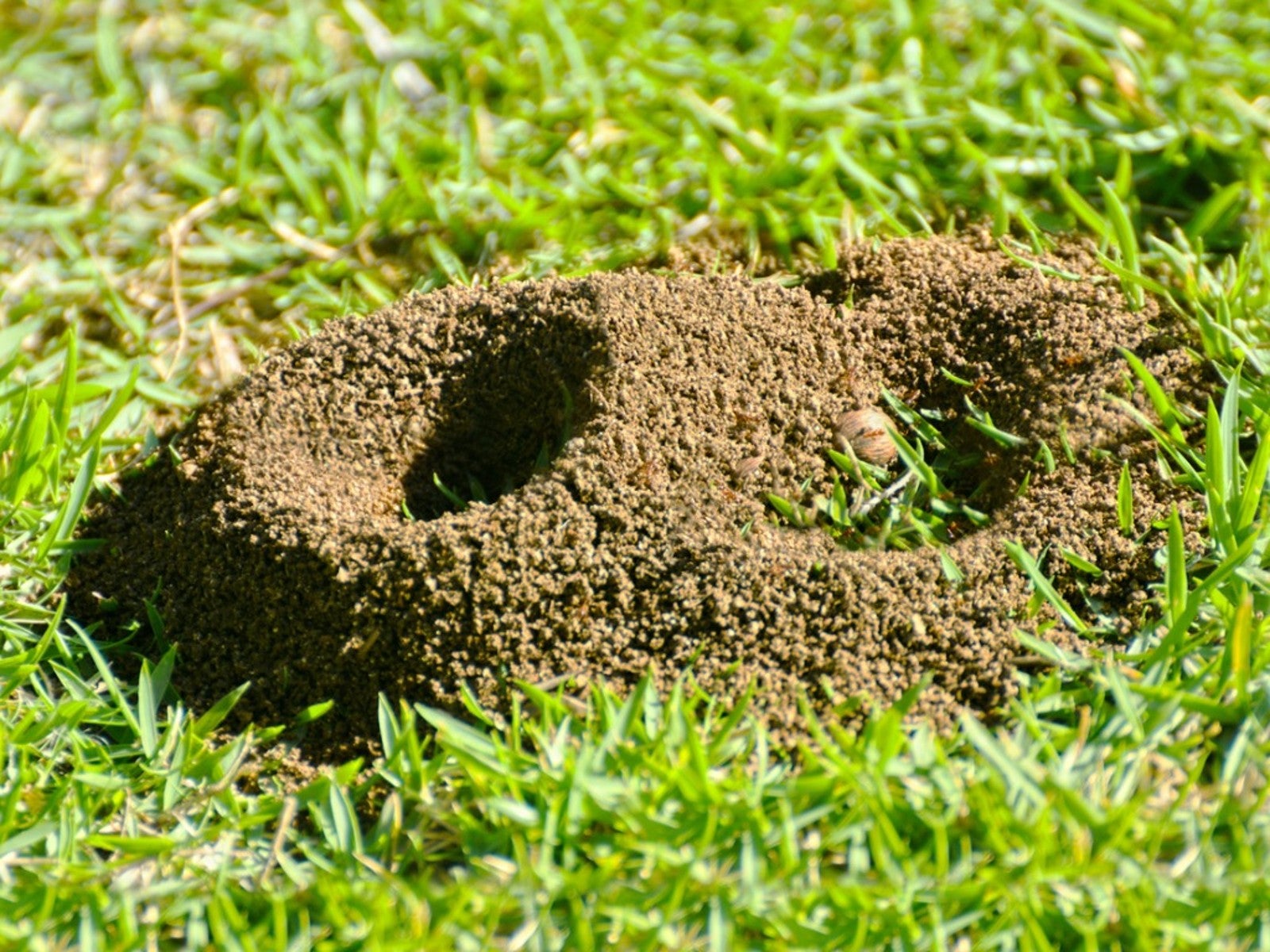
Image Source: cdn.mos.cms.futurecdn.net
Why Ants Take Over Your Lawn
Before we dive into solutions, it helps to know why ants are attracted to your lawn in the first place.
- Food Sources: Ants are always looking for food. This can include dead insects, honeydew (a sugary substance produced by aphids and scale insects), fallen fruit, and even small seeds.
- Shelter: Lawns provide excellent nesting sites. Ants often build their colonies in well-drained soil, under rocks, or in areas with thatch buildup.
- Water: While they seek food and shelter, ants also need water, especially during dry spells. They may forage on dew or moisture in the soil.
- Warmth: Ants, being cold-blooded, enjoy sunny spots. Areas of your lawn that get a lot of sun can become prime real estate for ant colonies.
Natural Ant Control: The Gentle Approach
Many people prefer natural methods because they are safer for children, pets, and the environment. These techniques often focus on disrupting ant colonies or repelling them without causing harm to beneficial insects or soil health. This is crucial for good lawn care.
1. Identifying the Ant Problem
Knowing what kind of ants you’re dealing with can sometimes help tailor your approach, though most natural methods work broadly. Common lawn ants include:
- Pavement Ants: Often build mounds near sidewalks and driveways.
- Odorous House Ants: Known for their unpleasant smell when crushed, they can forage on lawns.
- Carpenter Ants: While they prefer to nest in wood, they forage on lawns for food and can be a concern if their colonies are nearby.
2. Disrupting Ant Trails: The Power of Scent
Ants rely heavily on scent trails to navigate. Disrupting these trails can confuse them and make it harder for them to find their way to food sources or back to their colony.
Vinegar for Ants: A Natural Deterrent
Vinegar is a fantastic natural ant repellent. Its strong scent confuses ants and can kill them on contact.
-
How to Use:
- Mix equal parts white vinegar and water in a spray bottle.
- Spray this mixture directly onto ant trails and hills.
- Repeat daily as needed.
-
Why it Works: The acetic acid in vinegar erases their scent trails and is toxic to ants.
-
Important Note: While effective, vinegar can also affect grass if applied too frequently or in high concentrations. Test on a small area first.
Essential Oils: Nature’s Ant Repellents
Certain essential oils have strong scents that ants dislike.
- Effective Oils: Peppermint, tea tree oil, citrus oils (lemon, orange), and cinnamon oil are known ant repellents.
-
How to Use:
- Mix 10-15 drops of your chosen essential oil with a cup of water in a spray bottle.
- Add a drop of liquid dish soap to help the oil and water mix.
- Spray around ant mounds, along trails, and on entry points to your home if ants are coming from the lawn.
- Reapply every few days, especially after rain.
-
Why it Works: The potent aroma of these oils masks the ants’ scent trails and can be irritating to them.
Coffee Grounds: A Gritty Barrier
Used coffee grounds can act as a barrier and a repellent for ants.
-
How to Use:
- Sprinkle used coffee grounds around ant hills and along the edges of your lawn where ants are present.
- You can also mix them into the soil around plants that ants frequent.
-
Why it Works: Ants reportedly dislike the texture and scent of coffee grounds. It’s also a great organic addition to your soil.
3. Targeting Ant Colonies: Natural Ant Killer Options
Sometimes, you need to go straight to the source – the ant colony.
Diatomaceous Earth: The Natural Abrasive
Diatomaceous earth (DE) is a fine powder made from fossilized aquatic organisms. It’s incredibly effective and safe when used correctly.
- How it Works: DE has microscopic sharp edges that cut through an ant’s exoskeleton. As ants walk over it, they lose moisture and dehydrate.
-
How to Use:
- Purchase food-grade diatomaceous earth.
- Lightly dust the powder around ant mounds, along ant trails, and in areas where you see a lot of ant activity.
- Apply in the late evening or early morning when ants are most active.
- Reapply after rain, as DE becomes less effective when wet.
-
Safety: Ensure you wear a mask when applying DE to avoid inhaling the dust, though it is non-toxic to humans and pets once settled.
Borax for Ants: A Classic Solution
Borax for ants is a time-tested method, but it requires careful application due to its toxicity to pets and children if ingested.
- How it Works: Borax is a naturally occurring mineral that acts as a stomach poison for ants. When mixed with a bait, ants consume it and carry it back to their colony, effectively killing the queen and other ants.
-
How to Make Ant Bait:
- Mix 1 part borax with 3 parts sugar (granulated or powdered sugar works well).
- Add a small amount of water to create a paste or thick syrup.
- Place small amounts of this bait on a piece of cardboard or a shallow lid near ant trails and hills.
-
Safety Precautions:
- Place bait in areas inaccessible to children and pets.
- Do not apply borax directly to your lawn, as it can harm plants and soil.
- Use it sparingly and only where needed.
Yeast and Sugar Bait
A simple mixture of yeast and sugar can also be effective.
-
How to Use:
- Mix 1 part brewer’s yeast with 1 part sugar.
- Add a little water to make a paste.
- Place small dabs of this mixture on pieces of cardboard near ant activity.
-
Why it Works: Ants are attracted to the sugar, and the yeast consumes their internal sugars, eventually killing them.
4. Enhancing Your Lawn’s Natural Defenses
A healthy lawn is less susceptible to pest infestations.
Beneficial Nematodes: Tiny Allies for Your Lawn
Beneficial nematodes are microscopic, naturally occurring organisms that are parasites to various insect pests, including ants.
- How they Work: Certain species of nematodes, like Steinernema feltiae or Steinernema carpocapsae, actively hunt and kill ant larvae and adults. They enter the ant’s body and release bacteria that kill the ant, while the nematodes reproduce inside the dead insect.
-
How to Apply:
- Purchase beneficial nematodes from a reputable supplier.
- Follow package instructions for application. They are usually mixed with water and applied to the soil.
- Apply when soil temperatures are between 50-80°F (10-27°C).
- Water the lawn thoroughly before and after application.
-
Benefits: They are safe for humans, pets, and other beneficial insects. They are a great addition to a holistic pest control strategy.
Aeration and Dethatching: Improving Soil Health
Over time, lawns can develop thatch, a layer of dead grass and organic matter. This can create a favorable environment for ants.
- Aeration: Poking holes in the soil helps with water and air penetration, improving root health and making the soil less appealing to ants seeking dry, compacted areas.
- Dethatching: Removing excess thatch reduces hiding places and food sources for ants.
5. Physical Barriers and Removal
Sometimes, simple physical methods can be effective.
Boiling Water: A Direct Attack
A direct and natural way to tackle ant hills.
-
How to Use:
- Boil a kettle of water.
- Carefully pour the boiling water directly into and around the ant hill.
- Be cautious not to splash yourself or damage nearby plants.
- Repeat if necessary.
-
Effectiveness: This method kills ants on contact, but it may not reach the entire colony, especially deeper nests.
Cornmeal and Flour: Disruption and Confusion
While debated, some gardeners swear by cornmeal or flour as a natural deterrent.
- How to Use: Sprinkle cornmeal or flour around ant mounds.
- Why it Might Work: The theory is that ants cannot digest cornmeal, and it will cause them to swell up and die. Flour might disrupt their trails or clog their breathing spirales.
6. Natural Ant Bait Strategies: When to Use Bait
While some find baiting too aggressive, natural baits are a viable option for targeted control.
Borax and Sugar Bait (Revisited)
This is a common and effective ant bait.
- Application: Place small amounts of the bait mixture (as described above) on small pieces of cardboard or in shallow containers near ant trails. Ensure it’s placed where pets and children cannot access it.
Peanut Butter and Borax/Boric Acid Bait
A more enticing bait for some ant species.
-
How to Use:
- Mix a small amount of peanut butter (which ants love) with borax or boric acid (about 1 part borax to 4 parts peanut butter).
- Add a bit of sugar to increase attractiveness.
- Place small dabs of this mixture on cardboard squares near ant activity.
-
Safety: Again, strict placement away from pets and children is paramount.
7. Choosing the Right Ant Spray (Naturally)
When considering an ant spray, natural options are best for a safe lawn.
Soap and Water Spray
A simple soap and water solution can be effective for visible ants.
-
How to Use:
- Mix a tablespoon of natural liquid dish soap (avoid degreasers) with a quart of water.
- Spray directly on ants.
-
Why it Works: Soap breaks down the ants’ exoskeleton, causing dehydration and death. It also helps to wash away their scent trails.
Neem Oil Spray
Neem oil is a potent natural insecticide derived from the neem tree.
-
How to Use:
- Mix 1-2 tablespoons of cold-pressed neem oil with a quart of warm water.
- Add a teaspoon of natural liquid dish soap to emulsify the oil.
- Spray directly on ant colonies and trails.
-
Why it Works: Neem oil disrupts insect hormones, affecting their growth and reproduction, and also acts as a repellent and suffocates them.
What NOT to Do for Natural Ant Control
- Avoid Broad-Spectrum Chemical Sprays: These can harm beneficial insects like ladybugs and earthworms, disrupt soil health, and pose risks to pets and children.
- Don’t Leave Food Sources Accessible: Clean up fallen fruit, secure garbage cans, and address aphid infestations on plants, as aphids produce honeydew, a favorite food for many ants.
- Don’t Just Kill Visible Ants: This is a temporary fix. Focus on disrupting trails and targeting the colony for long-term control.
Long-Term Lawn Care Strategies for Ant Prevention
Preventing ants from becoming a problem in the first place is always the best approach to lawn care.
Maintaining a Healthy Turf
- Proper Watering: Water deeply and less frequently to encourage deep root growth, which makes the lawn more resilient.
- Mowing Height: Keep grass at an appropriate height (usually 2.5-3 inches) to shade the soil and keep it cooler and moister, which is less attractive to some ant species.
- Fertilization: Use organic fertilizers to promote healthy soil and grass, making it less appealing to pests.
Addressing Aphid and Other Honeydew Producers
Aphids, scale insects, and mealybugs are often found on lawn grasses or nearby plants. They feed on plant sap and excrete a sticky, sugary substance called honeydew. Ants love honeydew and will actively “farm” these insects.
- Natural Aphid Control:
- Blast them off with a strong spray of water.
- Introduce beneficial insects like ladybugs or lacewings.
- Use insecticidal soap or neem oil sprays (diluted as per instructions).
Reducing Thatch Buildup
As mentioned earlier, thatch can be an ant haven. Regularly aerate your lawn and consider dethatching if the thatch layer exceeds half an inch.
Sealing Entry Points
If ants are invading from surrounding areas, inspect your home and lawn for any cracks or openings where they might be entering. Seal these gaps to prevent them from crossing over.
Frequently Asked Questions (FAQ)
Q1: How quickly do natural ant remedies work?
A1: Natural remedies often work gradually. Vinegar and soap sprays offer immediate but temporary relief on contact. Baits take time as ants must ingest them and carry them back to the colony, which can take a few days to a week or more for full effect. Beneficial nematodes also take time to establish and work.
Q2: Can I use borax directly on my lawn?
A2: It is generally not recommended to apply borax directly to your lawn. Borax can be toxic to plants and soil organisms if used in high concentrations. It’s best used in bait formulations placed in targeted areas away from plant roots.
Q3: Are ants in my lawn always a bad thing?
A3: No, ants can be beneficial in a lawn ecosystem. They help aerate the soil and consume other insect pests. However, a very large population creating numerous mounds can indicate an imbalance or become a nuisance.
Q4: How can I tell if my ant problem is severe?
A4: A severe ant problem is indicated by a high number of visible ant mounds across your lawn, frequent trails of ants marching across your lawn or towards your home, and damage to grass or plants caused by their nesting or feeding habits.
Q5: What is the best natural ant killer for a large lawn infestation?
A5: For a large lawn infestation, a combination of methods is often best. Diatomaceous earth applied to trails and mounds, followed by applications of beneficial nematodes to target the soil-dwelling colonies, and using vinegar for ants or essential oil sprays to disrupt trails can be a comprehensive natural approach. Consistent lawn care will also help prevent future issues.
Conclusion: A Greener Approach to Ant Control
Getting rid of ants on your lawn naturally and safely is achievable with patience and the right methods. By focusing on disrupting their environment, utilizing natural repellents and killers, and fostering a healthy lawn ecosystem, you can effectively manage ant populations without resorting to harsh chemicals. Embrace these eco-friendly strategies for a beautiful, pest-free lawn that’s safe for everyone.