
Can you get rid of Bermuda grass permanently? Yes, you can get rid of Bermuda grass permanently, but it requires a persistent and multi-faceted approach. Bermuda grass is a warm-season perennial that spreads aggressively through rhizomes and stolons, making it a challenging weed to manage in cool-season lawns.
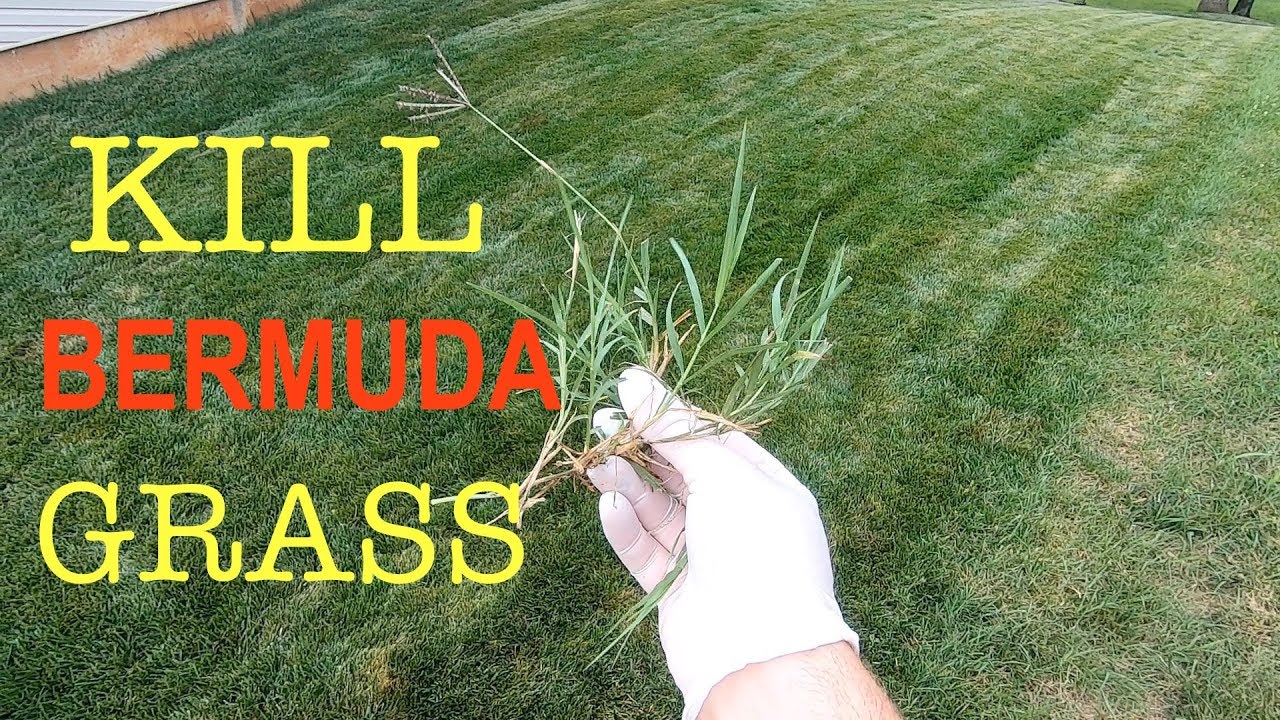
Image Source: i.ytimg.com
Deciphering Bermuda Grass: Why It’s a Lawn Nuisance
Bermuda grass (Cynodon spp.) is a popular choice for lawns in warm climates due to its resilience, drought tolerance, and ability to recover from wear. However, when it infiltrates a cool-season lawn, it becomes an invasive grass that stands out with its lighter green color and coarser texture, especially during the cooler months when your desired turf goes dormant. Its rapid growth and tenacious spreading habits make Bermuda grass removal a priority for many homeowners.
The Spreading Nature of Bermuda Grass
- Rhizomes: These are underground stems that grow horizontally, producing new shoots and roots, allowing the grass to spread beneath the soil surface.
- Stolons: These are above-ground stems that creep along the soil surface, rooting at nodes to form new plants.
- Dense Root System: Bermuda grass develops a deep and intricate root system, making it difficult to pull out manually and allowing it to absorb nutrients and water efficiently.
Strategies for Bermuda Grass Removal
Getting rid of Bermuda grass permanently involves a combination of methods that target its aggressive growth and spread. This is not a one-time fix; it’s an ongoing process that requires patience and dedication.
Method 1: Chemical Control (Herbicides)
Using herbicides is often the most effective way to tackle established Bermuda grass infestations. It’s crucial to select the right product for your situation and apply it correctly.
Non-Selective Herbicides (Glyphosate)
Non-selective herbicides, such as glyphosate, are highly effective at killing Bermuda grass on contact. However, they will also kill any other plants they touch, including your desired lawn grass.
- Application:
- Spot Treatment: This is the most common and recommended method for treating Bermuda grass patches within a cool-season lawn.
- Timing: Apply when Bermuda grass is actively growing and healthy for maximum absorption. Avoid application during drought or extreme heat.
- Protection: Use cardboard or plastic shields to protect surrounding desirable grass from overspray.
- Repeat Applications: Multiple applications may be necessary, spaced a week or two apart, as Bermuda grass is resilient and may require several treatments to be fully eradicated.
- Considerations: Glyphosate is a systemic herbicide, meaning it’s absorbed by the plant and translocated throughout its system, killing the roots. This is key to its effectiveness against Bermuda grass. Always follow label instructions carefully regarding application rates, safety precautions, and re-entry times.
Selective Herbicides
While fewer selective herbicides are specifically labeled for Bermuda grass removal in cool-season lawns, some products may offer suppression or control. Always check the product label to ensure it is safe for your specific turfgrass type.
- How They Work: Selective herbicides target specific types of plants while leaving others unharmed. Finding one that targets Bermuda grass without damaging your desirable lawn species can be challenging.
- Research: Consult your local extension office or a qualified lawn care professional for recommendations on selective herbicides that might be effective in your region and suitable for your lawn type.
Pre-Emergent Herbicides
Pre-emergent herbicides are applied before weed seeds germinate. While they won’t kill existing Bermuda grass, they can help prevent new seedlings from establishing if Bermuda grass is spreading via seed or if you’re dealing with dormant seeds within your soil.
- Timing is Key: Apply pre-emergents in early spring before soil temperatures consistently reach the threshold for Bermuda grass germination (typically around 65°F or 18°C).
- Effectiveness: They are most effective when watered into the soil shortly after application.
Post-Emergent Herbicides
Post-emergent herbicides are designed to kill weeds that have already emerged. For Bermuda grass, this often means using a selective post-emergent that targets grassy weeds.
- Identification: Ensure the product is labeled to control Bermuda grass in your specific lawn type.
- Application: Apply directly to the actively growing Bermuda grass for best results.
Table 1: Herbicide Application Considerations
| Herbicide Type | Purpose | Best Application Timing | Precautions |
|---|---|---|---|
| Non-Selective | Kills all vegetation, including Bermuda grass | Actively growing Bermuda grass | Protect desirable plants; multiple applications may be needed; follow label instructions precisely. |
| Selective (Grassy) | Targets specific grassy weeds | Actively growing Bermuda grass; check label for lawn type | Verify compatibility with your lawn; timing can be crucial for effectiveness. |
| Pre-Emergent | Prevents seed germination | Early spring before soil warms significantly | Water in after application; does not kill existing plants. |
| Post-Emergent | Kills emerged weeds | Actively growing Bermuda grass | Read label to confirm it targets Bermuda grass in your lawn type; apply directly to the weed. |
Method 2: Manual Weed Removal
While time-consuming, manual weed removal can be effective for smaller infestations or as a supplement to chemical treatments.
- When to Pull: The best time to pull Bermuda grass is after a rain or watering, when the soil is moist and loosened. This helps to get the entire root system.
- Tools: Use a trowel or a weeding tool to loosen the soil around the base of the plant.
- Thoroughness: Grasp the plant as close to the soil surface as possible and pull steadily. Remove as much of the root system as you can. Even small pieces of rhizome or stolon left behind can resprout.
- Disposal: Bag the removed Bermuda grass and dispose of it properly to prevent any viable plant parts from re-rooting. Do not compost Bermuda grass unless you have a very hot compost pile.
Method 3: Lawn Renovation and Overseeding
For severe infestations, a complete lawn renovation may be the most practical solution. This involves killing off the entire existing lawn and starting fresh.
- Killing the Old Lawn:
- Glyphosate Application: Apply a non-selective herbicide like glyphosate to kill the entire lawn, including the Bermuda grass.
- Solarization: This method involves covering the area with clear plastic sheeting for several weeks during the hottest part of the year. The heat generated beneath the plastic can kill grass and weed seeds.
- Preparing the Soil:
- Remove Debris: Rake up and remove all dead grass, roots, and debris.
- Soil Testing: Conduct a soil test to determine nutrient deficiencies and pH levels. Amend the soil as needed.
- Tilling: Lightly till the soil to loosen it and improve drainage.
- Overseeding with Desirable Grass:
- Choose Cool-Season Grasses: Select a high-quality cool-season grass seed that is well-suited to your climate and lawn conditions (e.g., fescues, ryegrass, bluegrass).
- Timing: Overseed in the fall when temperatures are cooler and there’s ample moisture.
- Application: Spread the seed evenly across the prepared soil.
- Watering: Keep the newly seeded area consistently moist until the grass is established.
- Ongoing Lawn Care: Once your new lawn is established, implement a consistent lawn care program that includes proper mowing, watering, and fertilization. A healthy, dense lawn is the best defense against invasive grass like Bermuda.
Table 2: Lawn Renovation Steps
| Step | Description | Timing | Key Considerations |
|---|---|---|---|
| Kill Existing Lawn | Apply non-selective herbicide or use solarization. | Growing season/Hot weather | Ensure complete kill; follow herbicide instructions; remove dead vegetation. |
| Soil Preparation | Rake, remove debris, test soil, amend as needed, lightly till. | After killing old lawn | Improve soil structure and fertility for new growth. |
| Overseeding | Select and spread appropriate cool-season grass seed. | Fall is ideal for cool-season | Choose a high-quality seed mix; ensure good seed-to-soil contact. |
| Establishment Watering | Keep the seedbed consistently moist. | Until grass is established | Avoid overwatering, which can wash seeds away; water gently. |
| Regular Lawn Care | Mow at the correct height, water deeply, fertilize appropriately. | Ongoing | Promotes a thick, healthy lawn that outcompetes weeds. |
Method 4: Smothering (Covering)
For isolated patches of Bermuda grass, smothering can be an effective method.
- Materials: Use heavy-duty black plastic sheeting, thick layers of newspaper, or old carpet.
- Process:
- Cut Back: Mow the Bermuda grass very short.
- Cover: Lay the chosen material over the affected area, extending several inches beyond the perimeter of the Bermuda grass.
- Secure: Weigh down the edges with rocks, bricks, or soil to prevent light and air from reaching the grass.
- Duration: Leave the covering in place for at least 6-8 weeks, or longer, especially during a period of active growth. This deprives the grass of sunlight and air, eventually killing it.
- After Smothering: Remove the covering and assess the area. You may need to reapply the smothering material or use other methods to deal with any remaining stubborn patches.
Method 5: Improving Lawn Health
A healthy, dense lawn is your best defense against invasive grasses like Bermuda. This falls under the umbrella of overall lawn care.
- Proper Mowing: Mow at the correct height for your grass type. Taller grass shades out weed seedlings and encourages deeper root growth. Avoid scalping.
- Appropriate Watering: Water deeply and infrequently. This encourages deep root systems in your desired turf, making it more resilient and better able to compete.
- Fertilization: Feed your lawn with the right nutrients at the right times. A well-fed lawn is a strong lawn. Conduct a soil test to determine your lawn’s specific needs.
- Aeration: Aerating your lawn helps reduce soil compaction, improving air and water penetration, which benefits the roots of your desirable turf and can hinder weed growth.
Combining Strategies for Maximum Effectiveness
The most successful Bermuda grass removal often involves a combination of the methods described above. For instance, you might:
- Spot treat actively growing Bermuda grass with a non-selective herbicide.
- Manually remove any resprouting patches.
- Overseed any thin areas or bare spots with a high-quality cool-season grass seed to promote lawn density.
- Implement a robust lawn care program to ensure your desirable grass remains healthy and can outcompete any lingering Bermuda grass.
Prevention is Key
Once you’ve managed to get rid of Bermuda grass, ongoing prevention is vital.
- Maintain a Healthy Lawn: As mentioned, a dense, healthy lawn is your best defense.
- Monitor for New Weeds: Regularly inspect your lawn for any signs of Bermuda grass returning. Early detection makes eradication much easier.
- Edge Your Lawn: Consider edging around garden beds or paved areas where Bermuda grass might try to encroach.
Frequently Asked Questions (FAQ)
Q1: How long does it take to get rid of Bermuda grass permanently?
A: Permanently eliminating Bermuda grass is a process that can take several months to a year or more, depending on the severity of the infestation and the methods used. Persistence is key.
Q2: Can I use a weed killer for lawns that targets Bermuda grass?
A: Yes, some post-emergent herbicides are formulated to control or suppress grassy weeds like Bermuda grass in cool-season lawns. Always check the product label to ensure it’s safe for your specific lawn type.
Q3: When is the best time to start Bermuda grass removal?
A: The best time to start Bermuda grass removal is when the grass is actively growing. This is typically in the late spring or early summer when temperatures are warm and the grass is vigorously spreading.
Q4: Will pulling Bermuda grass by hand work?
A: Manual weed removal can be effective for small, isolated patches, but it requires extreme diligence. You must remove as much of the root system as possible, as even small fragments can resprout. It’s often best used in conjunction with other methods for larger infestations.
Q5: Is overseeding a good way to combat Bermuda grass?
A: Overseeding itself doesn’t directly kill Bermuda grass. However, by creating a thicker, healthier stand of desirable turf, overseeding helps your lawn outcompete Bermuda grass, making it less likely to establish and spread. It’s a crucial part of a long-term lawn care strategy.
Q6: What are pre-emergent herbicides used for in Bermuda grass removal?
A: Pre-emergent herbicides are used to prevent Bermuda grass seeds from germinating. They are applied in early spring before soil temperatures reach the point where Bermuda grass seeds start to sprout. They do not affect existing, established Bermuda grass plants.
Q7: How does Bermuda grass removal relate to lawn renovation?
A: Lawn renovation is a comprehensive process that often includes eliminating invasive grasses like Bermuda grass. This might involve killing off the entire existing lawn, including the Bermuda grass, preparing the soil, and then replanting with a desirable turf species. It’s a more aggressive approach for severe infestations.
Q8: Can I use natural methods to get rid of Bermuda grass?
A: Natural methods like smothering with plastic or cardboard, manual removal, and improving soil health can contribute to Bermuda grass control. However, for widespread infestations, these methods may be less effective or require more time and effort compared to chemical treatments.
By understanding the tenacious nature of Bermuda grass and employing a combination of chemical control, manual removal, and proactive lawn care, you can effectively manage and ultimately eradicate this invasive grass from your lawn, achieving the lush, healthy turf you desire.