
Your Guide: How to Get Rid of Chinch Bugs in Your Lawn
What are chinch bugs and can I get rid of them easily? Yes, you can get rid of chinch bugs, but it often requires a consistent and multi-pronged approach. These tiny insects are notorious lawn pests, causing widespread damage by sucking the life out of grass blades. A severe chinch bug infestation can turn a once vibrant green lawn into a patchy, brown disaster.
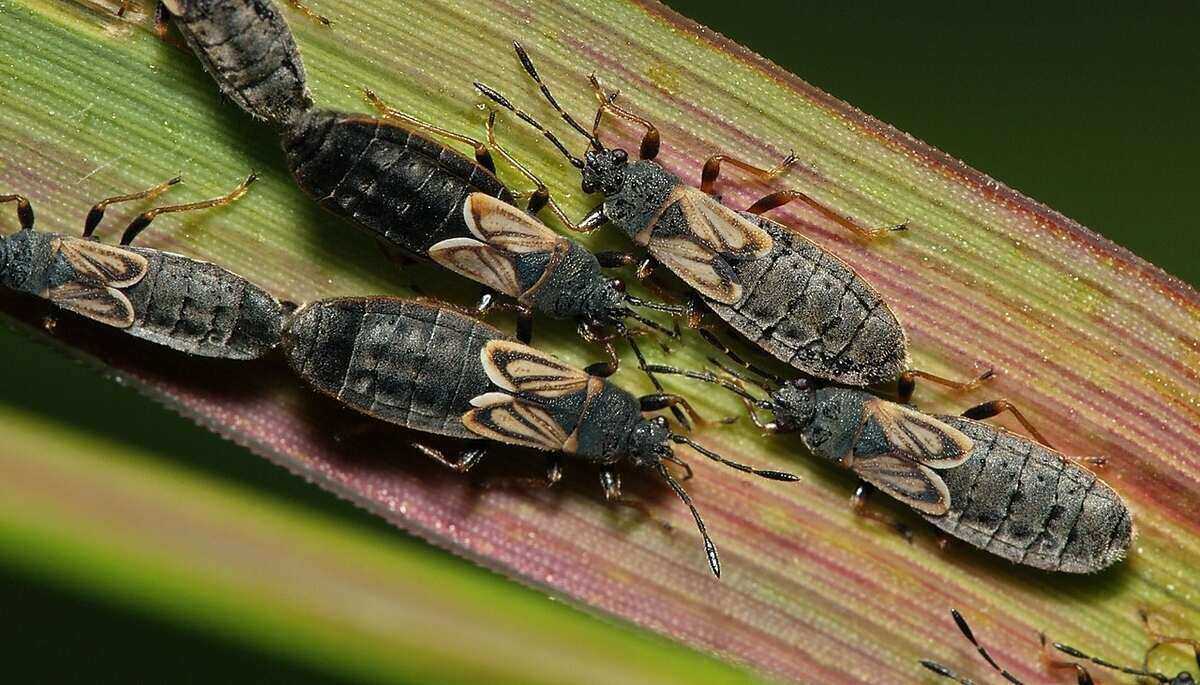
Image Source: www.lawnstarter.com
Recognizing Chinch Bug Damage
Spotting chinch bug damage early is key to preventing a full-blown infestation. These pests are small, measuring about 1/5th of an inch long as adults, with black bodies and white wings. Younger chinch bugs, called nymphs, are smaller and range from pale to bright red. They are masters of hiding, often found at the soil line, nestled in the thatch layer of your lawn.
- Patchy Brown Spots: The most common sign is irregular patches of brown or yellow grass. These spots often start small and expand outwards.
- Grass Thrives at Edges of Damage: Interestingly, the grass at the edges of these dead patches might look greener and healthier, as the chinch bugs move towards new feeding grounds.
- Dry, Stressed Appearance: Even before browning, grass may appear drought-stressed, wilting and looking generally unhealthy.
- Deeper Roots: Lawns with chinch bugs may require more frequent watering because the damaged grass can’t retain moisture well.
The Chinch Bug Life Cycle: What You Need to Know
To effectively kill chinch bugs, it helps to understand their life cycle. This allows for targeted treatments at their most vulnerable stages.
- Eggs: Adult females lay tiny eggs, usually in clusters, at the base of grass plants or in the soil.
- Nymphs: The eggs hatch into nymphs. This is a crucial stage for treatment as they are actively feeding and growing. Nymphs go through several molts, gradually developing their wings.
- Adults: Mature nymphs become winged adults. They can fly, allowing them to spread to new areas. Adults also feed and reproduce, restarting the cycle.
The cycle can be completed in as little as 4-6 weeks during warm weather, meaning multiple generations can occur in a single summer. This rapid reproduction is why swift action is so important.
Effective Strategies for Chinch Bug Control
Getting rid of chinch bugs requires a combination of observation, proactive lawn pest control, and targeted treatments. Both chemical and natural chinch bug control methods can be effective.
Chemical Treatments: When and How to Use Them
When dealing with a severe chinch bug infestation, chemical insecticides might be necessary. Always read and follow label instructions carefully to ensure safe and effective application.
Insecticides to Consider
- Pyrethroids: These are synthetic versions of natural insecticides derived from chrysanthemums. They are fast-acting and effective against a wide range of insects, including chinch bugs. Brands like Bifenthrin or Permethrin are common.
- Neonicotinoids: These systemic insecticides are absorbed by the grass, making the entire plant toxic to feeding insects. They can provide longer-lasting control. However, there are environmental concerns regarding their impact on pollinators, so consider this carefully.
- Diazinon: While previously a common choice, its use has been restricted in many areas due to environmental concerns. Check local regulations before considering.
Application Tips for Chemical Insecticides
- Timing is Crucial: Apply treatments when chinch bugs are most active, typically in the morning or late afternoon. Avoid applying during the hottest part of the day.
- Water Thoroughly: Water your lawn thoroughly a day or two before applying a liquid insecticide. This helps move the chemical into the soil where many chinch bugs hide and also makes the grass more palatable to them.
- Apply to the Right Area: Focus application on the affected areas, especially around the edges of the damaged patches.
- Repeat if Necessary: Depending on the product and the severity of the infestation, a second application may be needed after a week or two.
Natural Chinch Bug Control: Eco-Friendly Solutions
For those who prefer organic lawn care or want to minimize chemical use, several natural chinch bug control methods can be employed. These often focus on creating an inhospitable environment for the pests or using naturally derived substances.
Beneficial Insects
Introducing or encouraging beneficial insects that prey on chinch bugs can be a sustainable approach.
- Ladybugs: Both adult ladybugs and their larvae are voracious predators of various soft-bodied insects, including chinch bugs.
- Lacewings: The larvae of lacewings are also effective predators.
- Parasitic Wasps: Certain species of tiny wasps lay their eggs inside chinch bugs or their eggs, eventually killing them.
To attract these beneficials, plant flowering plants that provide nectar and pollen, and avoid broad-spectrum pesticides that kill them.
Diatomaceous Earth
Diatomaceous earth (DE) is a natural powder made from fossilized aquatic organisms. It has sharp edges that cut through the exoskeletons of insects, causing them to dehydrate and die.
- Application: Lightly dust the affected areas of the lawn with food-grade DE.
- Effectiveness: It works best when dry. Reapply after rain.
- Caution: Avoid inhaling the dust.
Neem Oil
Neem oil is derived from the neem tree and acts as an anti-feedant, repellent, and growth regulator for many insects.
- Application: Mix with water according to product instructions and spray directly on the lawn, focusing on the soil line.
- Timing: Apply in the early morning or late evening to avoid leaf scorch and protect pollinators.
- Repeat: May require repeat applications.
Insecticidal Soap Lawn Applications
Insecticidal soap lawn treatments are a highly effective and relatively safe method for controlling soft-bodied insects like chinch bugs. These soaps disrupt the cell membranes of insects, causing them to dehydrate.
- How it Works: The fatty acids in the soap break down the insect’s outer protective layer.
- Application: Mix a mild, pure soap (like Dr. Bronner’s unscented liquid castile soap) with water. A common ratio is 1-2 tablespoons of soap per gallon of water. Spray directly on the bugs.
- When to Apply: Best applied in the early morning or late evening when temperatures are cooler. Direct contact is necessary for the soap to be effective.
- Repeat: Repeat applications may be needed every 5-7 days until the infestation is under control.
- Caution: Test on a small area of your lawn first to ensure it doesn’t harm the grass. Avoid applying in direct sunlight or during hot weather.
Milky Spore Disease
Milky spore is a naturally occurring soil-borne bacteria that targets the grubs of Japanese beetles, but it has also shown some effectiveness against other soil-dwelling insects.
- How it Works: When chinch bugs ingest the spores while feeding, the bacteria multiply within their bodies, eventually killing them.
- Application: It’s applied as a granular product to the lawn.
- Patience: Milky spore requires time to establish in the soil and build up its population, so it’s a long-term solution, often taking a few years to see significant results.
The Importance of Proper Lawn Care for Chinch Bug Prevention
Chinch bug prevention is as important as eradicating an existing infestation. A healthy, robust lawn is naturally more resistant to pest damage. This is where good DIY lawn care practices come into play.
Watering Wisely
Chinch bugs thrive in dry, stressed turf.
- Deep, Infrequent Watering: Water your lawn deeply but less often. This encourages deeper root growth, making the grass more resilient. Aim for about 1 inch of water per week, either from rain or irrigation.
- Timing: Water in the early morning. This allows the grass to dry before nightfall, reducing the risk of fungal diseases and making the environment less favorable for chinch bugs.
Mowing Height
The height at which you mow your grass significantly impacts its health.
- Mow High: For most cool-season grasses, mowing at a higher setting (3-4 inches) shades the soil surface, keeping it cooler and moister. This discourages chinch bugs from congregating at the soil line and makes the grass more resilient to their feeding.
- Sharp Blades: Always use sharp mower blades. Dull blades tear grass, creating stress and making it more susceptible to pests and diseases.
Thatch Management
Thatch is a layer of dead and living grass stems and roots that accumulates between the green grass and the soil surface. A thin layer is beneficial, but excessive thatch can harbor pests like chinch bugs.
- Aeration: Regular core aeration can help break down thatch and improve air and water circulation to the soil, which benefits root health.
- Dethatching: If thatch is more than ½ inch thick, consider dethatching your lawn. This can be done with a power rake or dethatcher.
Fertilization Practices
Proper fertilization promotes healthy, dense turf that can better withstand pest pressure.
- Balanced Fertilizers: Use a balanced fertilizer appropriate for your grass type and the season.
- Avoid Over-Fertilization: Excessive nitrogen can lead to rapid, weak growth that is more attractive to chinch bugs.
- Slow-Release Nitrogen: Opt for slow-release nitrogen fertilizers, which provide a more consistent and sustained nutrient supply.
Advanced Diagnostic Techniques for Chinch Bugs
Sometimes, confirming a chinch bug problem requires a closer look.
The Float Test
This is a very effective and simple method to check for chinch bugs:
- Choose an Affected Area: Select a patch of grass that appears to be drying out or showing signs of stress.
- Prepare a Container: Find a wide-mouthed metal can or container (like a coffee can with both ends removed).
- Insert into Lawn: Push one end of the can about 2-3 inches into the soil, ensuring the rim is at the soil line. Seal any gaps with soil.
- Fill with Water: Fill the container with water.
- Observe: Wait for about 5-10 minutes. If chinch bugs are present, they will float to the surface of the water.
Visual Inspection
Get down on your hands and knees and examine the grass blades and soil surface, especially in the affected areas. Look for the small, dark insects with white markings. They tend to hide in the thatch layer.
Factors Contributing to Chinch Bug Infestations
Certain conditions can make your lawn more vulnerable to chinch bugs. Addressing these underlying issues is a crucial part of effective lawn pest control.
- Drought Stress: As mentioned, dry conditions are a major attractant.
- Excessive Thatch: A thick thatch layer provides shelter and a breeding ground.
- Compacted Soil: Poor soil aeration restricts root growth and overall lawn health.
- Certain Grass Types: Some grasses are more susceptible than others. For example, Kentucky bluegrass and perennial ryegrass are often favorites.
- Low Mowing Height: Exposes the soil and stresses the grass.
When to Call a Professional
While many DIY lawn care tasks can be handled at home, sometimes a severe chinch bug infestation or recurring problems warrant professional intervention.
- Extensive Damage: If a large portion of your lawn is already damaged and recovery seems unlikely.
- Recurring Problems: If you’ve tried various methods without lasting success.
- Identifying the Pest: If you are unsure if chinch bugs are the cause of your lawn issues.
Professional lawn care services have access to a wider range of treatments and the expertise to apply them safely and effectively.
Frequently Asked Questions About Chinch Bugs
Q: How do I know if it’s chinch bugs or just a dry spot?
A: The “float test” is the most reliable way to confirm chinch bugs. Dry spots will simply remain dry. Chinch bug damage often appears as irregular patches that expand, and the grass may look generally stressed even with adequate watering.
Q: Can I treat chinch bugs with dish soap?
A: Yes, mild liquid dish soap mixed with water can be effective. Use a pure soap like castile soap and avoid detergents or soaps with degreasers or moisturizers, as these can harm your lawn. Apply as directed for insecticidal soap lawn treatments.
Q: Are chinch bugs dangerous to humans or pets?
A: No, chinch bugs are not harmful to humans or pets. Their focus is solely on feeding on grass.
Q: How long does it take for chinch bug treatments to work?
A: The effectiveness and speed of treatment depend on the method used. Chemical insecticides typically show results within a few days. Insecticidal soap lawn applications are also quite fast, working on contact. Natural chinch bug control methods like beneficial insects or milky spore can take longer to show significant impact.
Q: My lawn is mostly dead. Can it be saved from chinch bugs?
A: If the damage is extensive and the grass crowns (the base of the plant near the soil) are dead, it may be difficult to revive the lawn. However, if there is still some green visible or if you catch the infestation early, treatments can help the grass recover. You may need to reseed or re-sod affected areas after controlling the pest.
Q: What is the best time of year to treat for chinch bugs?
A: The best time to treat is when you first notice signs of damage or when chinch bugs are actively feeding and reproducing. This is typically during the warmer months of late spring, summer, and early fall, particularly when the weather is hot and dry. Targeting them during their nymphal stages is often most effective.
By combining vigilant observation, diligent DIY lawn care, and targeted treatments, you can effectively manage and eradicate chinch bugs, restoring your lawn to its former glory. Remember that consistent effort and understanding the pest’s life cycle are your greatest allies in the battle against this common lawn invader.