
What are chinch bugs? Chinch bugs are tiny insects that cause significant damage to lawns by sucking the juices out of grass blades.
A healthy, green lawn can be the envy of the neighborhood. But what happens when small, insidious pests turn your vibrant turf into a patchy, brown mess? This is often the work of chinch bugs, a common lawn enemy that can wreak havoc if left unchecked. Fathoming how to combat these tiny invaders is key to restoring your lawn’s beauty and preventing future infestations.
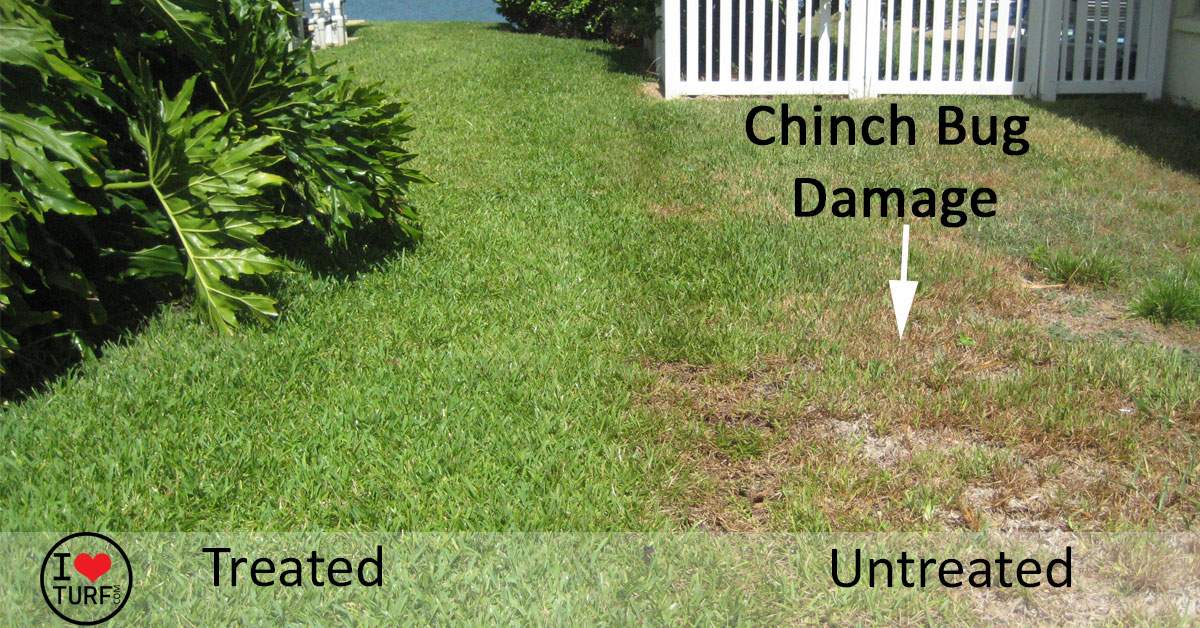
Image Source: iloveturf.com
Identifying Chinch Bugs and Their Damage
Before you can effectively treat your lawn, you need to confirm that chinch bugs are indeed the culprits. Look for specific signs of their presence and damage.
Signs of a Chinch Bug Infestation Lawn
A chinch bug infestation lawn typically exhibits several tell-tale symptoms. The most common is the appearance of irregular brown or yellowish patches. These patches often start small and expand outwards, sometimes merging to create larger dead areas. Initially, these patches might be mistaken for drought stress, but they behave differently.
- Irregular Patchy Browning: Unlike drought stress, which usually affects the entire lawn uniformly or in predictable patterns, chinch bug damage appears in random, spreading patches.
- Stunted Growth: Affected grass will often look stunted and unhealthy, failing to green up even with adequate watering.
- Thatch Layer Disruption: Chinch bugs thrive in the thatch layer, the dense mat of dead and living organic matter between the soil surface and the green grass blades. Heavy infestations can disrupt this layer.
- Presence of Bugs: You might see the adult chinch bugs themselves. They are small, about 1/8 to 1/5 inch long, black with white triangular markings on their backs. Nymphs are smaller and red or pinkish, gradually becoming darker as they mature.
How to Check for Chinch Bugs
A simple, effective method to confirm their presence is the “float test.”
- Cut the top and bottom off a tin can. An aluminum can works well.
- Push the can about 2 inches into the soil in an affected area of your lawn. Ensure the soil is moist.
- Fill the can with water.
- Wait for 10-15 minutes. If chinch bugs are present, they will float to the surface. You’ll often see many of them, confirming the infestation.
Chinch Bug Damage Grass
The chinch bug damage grass by using their piercing-sucking mouthparts to feed on the grass sap. This feeding process injects a toxin that further damages the grass, leading to wilting and death. They prefer to feed at the base of grass plants, often in sunny, hot areas of the lawn. As they feed, they also excrete a salivary toxin that inhibits grass growth and can kill the plants.
- Dehydration Symptoms: The grass loses its ability to absorb water, appearing wilted and dry even when moisture is available.
- Root Damage: While they primarily feed on the blades, their toxins can also affect the root system, making the grass more susceptible to drought and other stresses.
- Yellowing and Browning: Initial feeding causes yellowing, which quickly progresses to a straw-like brown color.
Natural Chinch Bug Control and Prevention
Protecting your lawn doesn’t always require harsh chemicals. There are many effective natural chinch bug control methods and chinch bug prevention lawn strategies that promote a healthy ecosystem.
Promoting a Healthy Lawn Ecosystem
A strong, healthy lawn is the best defense against pests. Chinch bugs tend to target stressed or weakened grass.
- Proper Watering: Water deeply and infrequently. This encourages deep root growth, making the grass more resilient. Avoid frequent, shallow watering, which can encourage shallow roots and make the lawn more susceptible to pests.
- Appropriate Mowing: Mow your lawn at the correct height for your grass type. Taller grass shades the soil, keeping it cooler and moister, which is less hospitable to chinch bugs. Never remove more than one-third of the grass blade at a time.
- Fertilization: Fertilize your lawn appropriately. Over-fertilization, especially with nitrogen-heavy fertilizers, can produce lush, tender growth that is highly attractive to chinch bugs. Use a slow-release fertilizer and apply it at the right times of year for your grass type.
- Thatch Management: Keep thatch levels below half an inch. Excessive thatch provides a perfect hiding and breeding ground for chinch bugs. Dethatching or aerating your lawn annually or as needed can significantly reduce their habitat.
Organic Chinch Bug Solutions
For those seeking organic chinch bug solutions, several options are available. These methods focus on disrupting the chinch bug life cycle or deterring them without synthetic chemicals.
- Beneficial Nematodes: These microscopic roundworms are natural predators of chinch bug eggs and larvae. They can be purchased online or at garden centers and applied to the lawn with a hose-end sprayer. Different species target different life stages, so choose appropriately.
- Diatomaceous Earth (Food Grade): This is a natural powder made from fossilized aquatic organisms. When applied to the lawn, it scratches the exoskeletons of insects, causing them to dehydrate. It is most effective when dry and needs reapplication after rain. Be sure to use food-grade DE, as other grades can be harmful.
- Neem Oil: Extracted from the neem tree, neem oil acts as an insect growth regulator and repellent. It disrupts the chinch bugs’ ability to feed and reproduce. Mix with water and a mild soap (like castile soap) and spray directly on the affected areas. Apply in the early morning or late evening to avoid burning the grass.
- Garlic Spray: A homemade repellent, garlic spray can deter chinch bugs. Blend several cloves of garlic with water, strain the liquid, and mix with a mild soap. Spray on the lawn.
Homemade Chinch Bug Remedies
Beyond specific organic products, several homemade chinch bug remedies can offer relief.
- Soap and Water Spray: A simple solution of mild liquid soap (like dish soap or castile soap) mixed with water can be sprayed directly onto chinch bugs. The soap breaks down their outer layer, causing them to die. This is best for spot treatments as it can be less effective on a large scale and may require frequent applications.
- Corn Gluten Meal: While primarily known as a pre-emergent herbicide, some anecdotal evidence suggests that corn gluten meal, when applied during the nymph stage, can disrupt their development. It’s not a primary control method but can be part of a broader strategy.
Chinch Bug Lawn Treatment Options
When natural methods aren’t enough, or for severe infestations, you may need to consider more direct chinch bug lawn treatment options. The best chinch bug killer will depend on the severity of the infestation and your preference for chemical versus biological controls.
Chemical Treatments
Chemical insecticides are often the quickest way to eliminate a severe chinch bug infestation lawn. However, it’s crucial to use them judiciously to protect beneficial insects and the environment.
Insecticides for Chinch Bugs
- Pyrethroid-Based Insecticides: Products containing active ingredients like permethrin, bifenthrin, or cypermethrin are commonly available at garden centers. These are broad-spectrum insecticides that kill on contact. They are effective but can also harm beneficial insects like ladybugs and predatory wasps.
- Carbaryl: Another option, carbaryl, is a broad-spectrum insecticide that can be effective against chinch bugs. However, it is also toxic to bees and other beneficial insects.
Application Tips for Chemical Treatments
- Timing is Crucial: Apply insecticides when chinch bugs are most active, typically during the warmer months when temperatures are between 75°F and 90°F. Early morning or late evening is generally the best time to apply to minimize harm to pollinators.
- Target the Infested Areas: Focus your application on the affected patches and a small perimeter around them.
- Watering After Application: Some insecticides require watering into the soil to reach the chinch bugs in the thatch layer. Always follow product label instructions carefully.
- Read the Label: Always read and follow the pesticide label instructions precisely regarding application rates, safety precautions, and reapplication intervals.
Biological and Integrated Pest Management (IPM)
An integrated approach combines various chinch bug control methods, often prioritizing biological and cultural controls before resorting to chemicals.
- Beneficial Insects: Encourage natural predators like spiders, ground beetles, and certain species of wasps that feed on chinch bugs. Avoid broad-spectrum insecticides that kill these beneficials.
- Entomopathogenic Fungi: Products containing Beauveria bassiana or Metarhizium anisopliae are fungal pathogens that infect and kill chinch bugs. These are living organisms and require specific environmental conditions to be effective.
Treating Chinch Bugs in Sod
If you’re installing new sod or dealing with a chinch bug infestation lawn that involves sod, the approach might differ slightly.
Preparing Sod for Chinch Bug Prevention
- Inspect New Sod: Before laying new sod, inspect it for any signs of chinch bugs or other pests. It’s much easier to prevent an infestation in new sod than to eradicate one later.
- Soil Preparation: Ensure the soil beneath the sod is healthy and well-aerated. This promotes strong root development, which is vital for resisting pests.
- Post-Installation Care: Water new sod thoroughly to help it establish quickly. Once established, follow good lawn care practices to keep it healthy.
Dealing with Chinch Bugs in Existing Sod
If you discover chinch bugs in established sod:
- Watering Strategy: Consistent, deep watering can sometimes help stressed sod recover and make the environment less favorable for chinch bugs. However, this alone is unlikely to eliminate a significant infestation.
- Targeted Treatments: Apply chinch bug lawn treatment methods as described above, focusing on the affected sod areas. If you’re treating chinch bugs in sod, consider that newly laid sod might be more sensitive to certain chemicals, so opt for less harsh methods or spot treatments if possible. Beneficial nematodes or microbial insecticides can be good options.
Chinch Bug Prevention Lawn Strategies
The most effective way to deal with chinch bugs is to prevent them from establishing in the first place. Implement these chinch bug prevention lawn strategies consistently.
Seasonal Lawn Care for Prevention
- Spring: Aerate and dethatch your lawn to reduce thatch. Apply a natural chinch bug control treatment like beneficial nematodes if you’ve had issues in previous years.
- Summer: Maintain proper watering and mowing practices. Monitor your lawn for early signs of damage, especially during hot, dry periods.
- Fall: Continue with good lawn care. Aerating and overseeding can help fill in thin patches that chinch bugs might exploit.
- Winter: While chinch bugs are less active in colder temperatures, maintaining a healthy root system through proper fall care will help your lawn withstand any overwintering bugs.
Long-Term Solutions
- Grass Variety Selection: Some grass varieties are more resistant to chinch bugs than others. For example, perennial ryegrass and tall fescues are often more susceptible than some fine fescues or certain hybrid varieties. Consult with local extension offices or nurseries about the most pest-resistant grass types for your region.
- Beneficial Insect Habitat: Planting flowering plants around the lawn’s edge can attract and support beneficial insects that prey on chinch bugs.
When to Call a Professional
If you’ve tried several chinch bug control methods without success, or if the chinch bug infestation lawn is widespread and severe, it might be time to call a professional lawn care service. They have access to a wider range of products and the expertise to apply them safely and effectively.
Frequently Asked Questions (FAQ)
Can I use dish soap to kill chinch bugs?
Yes, a solution of mild dish soap and water can kill chinch bugs on contact by breaking down their protective outer layers. However, it is generally a temporary solution and requires repeated applications, especially for larger infestations.
How long does it take for chinch bugs to kill grass?
The speed at which chinch bugs kill grass depends on the infestation’s severity, weather conditions, and the grass’s overall health. In hot, dry weather, a severe infestation can cause significant damage and kill grass within a few weeks.
Are chinch bugs harmful to humans or pets?
No, chinch bugs are not harmful to humans or pets. They are plant pests and do not bite or transmit diseases.
When is the best time to treat for chinch bugs?
The best time to treat chinch bugs is typically in late spring or early summer when they are actively feeding and reproducing, and before the damage becomes widespread. Early morning or late evening applications are often recommended.
My lawn has brown patches. Is it always chinch bugs?
Not necessarily. Brown patches can be caused by various factors, including drought stress, fungal diseases (like brown patch or dollar spot), grub worms, or pet urine. It’s essential to accurately diagnose the problem using methods like the float test before applying any treatments.
By implementing these expert tips, you can effectively combat chinch bugs, restore your lawn’s health, and enjoy a beautiful, green outdoor space. Remember that consistent care and early detection are your best allies in the fight against these persistent lawn pests.