
Image Source: i.ytimg.com
Effective Ways to Get Rid of Clover Grass on Your Lawn
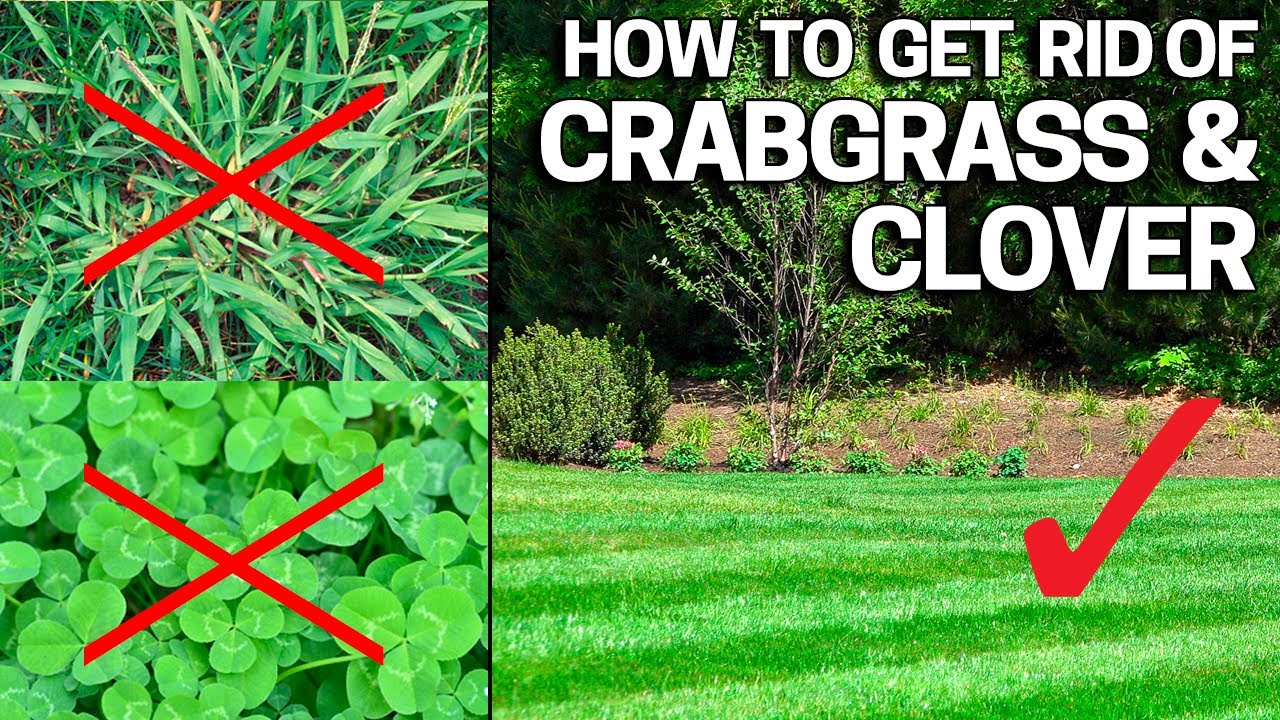
Can you get rid of clover grass on your lawn? Yes, you can effectively remove clover grass from your lawn using a combination of methods. Clover, with its distinctive three-leaf clusters and white flowers, is a common lawn invader that many homeowners find undesirable. Its presence can make a lawn look patchy and less uniform. Fortunately, there are several strategies you can employ to tackle this persistent weed, ranging from natural methods to chemical applications.
Why Clover Becomes a Problem
Before we dive into removal techniques, it’s helpful to understand why clover thrives in certain lawn conditions. Clover is a legume, meaning it has the ability to fix nitrogen from the air into the soil. This is actually beneficial for soil health, but it also means clover can outcompete grass in areas where the soil is compacted or lacks nutrients. It prefers well-drained soil and can tolerate a wide range of conditions, making it a resilient weed. If your lawn is thin or has bare spots, clover will likely move in to fill the void.
Methods to Remove Clover Grass
Getting rid of clover grass involves a multi-pronged approach. Simply pulling it out might offer a temporary fix, but a more comprehensive strategy will yield better long-term results.
Manual Weed Removal
The most direct way to get rid of clover is through manual weed removal. This is a labor-intensive but effective method, especially for smaller infestations.
- Tools: Use a weeding tool with a narrow blade or a trowel to dig around the base of the clover plant.
- Technique: Aim to get the entire root system. Clover has a taproot and can also spread via runners (stolons). The goal is to pull out as much of the root as possible to prevent regrowth.
- Timing: It’s easiest to pull clover when the soil is moist, such as after a rain or watering.
- Disposal: Dispose of the removed clover properly to prevent its seeds from spreading.
This method is a form of organic weed control, as it uses no chemicals. For a truly organic lawn, this is a primary strategy.
Chemical Weed Control Options
For larger or more persistent clover problems, chemical solutions can be very effective. The key is to use the right product at the right time.
Broadleaf Weed Killer
Clover is classified as a broadleaf weed. Therefore, a broadleaf weed killer is the most effective chemical treatment.
- How it Works: These herbicides are designed to target broadleaf plants while leaving grasses unharmed. They work by being absorbed by the leaves and translocated throughout the plant, disrupting its growth.
- Application: Always follow the product label instructions carefully. Apply on a calm, dry day when rain is not expected for at least 24 hours. Avoid spraying on windy days to prevent drift onto desirable plants.
- Types of Broadleaf Weed Killer:
- Selective Herbicides: These are specifically formulated to kill broadleaf weeds without damaging turfgrass. Common active ingredients include 2,4-D, MCPP, and Dicamba.
- Non-Selective Herbicides: While these will kill clover, they will also kill any grass they come into contact with, requiring reseeding of the treated areas. Use these sparingly and with extreme caution.
Specific Clover Treatments
Some herbicides are marketed specifically for clover. These often contain a blend of active ingredients that are particularly effective against clover.
- Timing is Crucial: The best time to apply herbicides for clover is when it is actively growing, typically in the spring or early fall.
- Repeat Applications: You may need more than one application to completely kill clover, especially if the infestation is extensive.
It’s important to note that while a dandelion killer might contain similar active ingredients to a broadleaf weed killer, it’s always best to use a product specifically labeled for clover control for optimal results.
Cultural Practices to Prevent Clover
The most sustainable way to manage clover is to create a lawn environment that favors grass and discourages weeds. This involves good lawn care tips.
Mowing Height
- Maintain a Higher Mowing Height: Mowing your lawn at a height of 3 to 4 inches is one of the most effective strategies. Taller grass shades the soil, making it difficult for clover seeds to germinate and grow. It also encourages deeper root growth in your turfgrass, making it more competitive.
Soil Health and Fertility
- Soil Testing: Get your soil tested to determine its pH and nutrient levels. Clover thrives in low-fertility soils.
- Fertilize Lawn Appropriately: A well-fertilized lawn is a dense, healthy lawn that can resist weed invasion. Apply a balanced fertilizer lawn product according to soil test recommendations and at the correct times of year. This will help your grass outcompete clover.
- Aeration: Compacted soil is a breeding ground for clover. Aerating your lawn regularly helps to loosen the soil, improve drainage, and encourage deeper root growth for your grass.
Watering Practices
- Deep and Infrequent Watering: Water your lawn deeply but infrequently. This encourages grass to develop deep roots, making it more drought-tolerant and less susceptible to weeds. Shallow, frequent watering can favor shallow-rooted weeds like clover.
Overseeding Lawn
- Fill in Bare Spots: If your lawn has thin areas or bare patches, clover will quickly move in. Regularly overseeding lawn with a high-quality grass seed appropriate for your climate will create a thicker, more resilient turf that crowds out weeds.
- Timing for Overseeding: The best times for overseeding are typically early fall or early spring, when temperatures are cooler and there is ample moisture.
Organic Weed Control Strategies
For those who prefer to avoid chemicals, there are several organic weed control methods that can be effective against clover.
Vinegar
- Horticultural Vinegar: Household vinegar (5% acetic acid) can have some effect, but horticultural vinegar (10-20% acetic acid) is more potent. It works by burning the foliage of the clover.
- Application: Spray directly onto the clover, preferably on a sunny day. Be careful, as vinegar is non-selective and can damage any plant it touches, including your grass. It may require repeat applications and may not kill the root system entirely, leading to regrowth.
Boiling Water
- Direct Application: Pouring boiling water directly onto clover can kill it. Like vinegar, this is a non-selective method and will kill grass. Use this cautiously, focusing only on the clover patches. This is best for small, isolated areas.
Corn Gluten Meal
- Pre-Emergent Herbicide: Corn gluten meal acts as a pre-emergent herbicide, meaning it inhibits root formation in germinating seeds.
- Timing is Key: To be effective against clover, it needs to be applied in late winter or early spring before clover seeds germinate. It will not kill established clover plants.
- Benefits: It also adds nitrogen to the soil, acting as a natural fertilizer.
Improving Lawn Health
Ultimately, the best organic strategy is to create a healthy lawn that naturally suppresses weeds. This means focusing on:
- Proper mowing height.
- Adequate watering.
- Regular fertilization with organic fertilizers.
- Aeration and dethatching to prevent compaction and thatch buildup.
Combining Methods for Best Results
The most effective approach to remove clover often involves combining several of these strategies. For instance, you might:
- Manually remove as much clover as possible.
- Apply a broadleaf weed killer to any remaining patches.
- Improve your lawn’s overall health through proper mowing, watering, and fertilization.
- Overseed any thin areas to encourage a dense turf.
This integrated approach ensures that you not only kill clover but also create an environment where it is less likely to return.
When to Act
The timing of your clover removal efforts can significantly impact their success.
- Spring: This is an excellent time to apply broadleaf weed killers, as clover is actively growing. It’s also a good time to aerate and overseed.
- Early Summer: Be cautious with herbicides in the heat of summer, as this can stress your lawn.
- Early Fall: This is another prime time for applying herbicides and for overseeding. The cooler temperatures and increased moisture are ideal for grass growth, helping it to establish and outcompete any remaining clover.
Dealing with Clover in Different Lawn Types
The best strategy might vary slightly depending on your lawn type.
| Lawn Type | Considerations for Clover Removal |
|---|---|
| Kentucky Bluegrass | Tolerates a higher mowing height well. Can be somewhat susceptible to broadleaf herbicides in very hot weather. Fall applications are often best. |
| Fescue | Similar to bluegrass, benefits from higher mowing. Can be somewhat susceptible to stress from heat or drought. |
| Perennial Ryegrass | May be slightly more sensitive to certain herbicides than bluegrass or fescue. Ensure low-stress application, especially during warm periods. |
| Fine Fescues | Excellent shade tolerance, but may not tolerate as much traffic or heat as other types. High mowing is beneficial. |
| Warm-Season Grasses (Bermuda, Zoysia, etc.) | Clover is a cool-season weed. It will naturally die back in the summer heat. However, you may need to address it in the spring and fall. Ensure your chosen herbicide is safe for your specific warm-season grass. |
Preventing Clover’s Return
Once you’ve successfully removed clover, the key is to prevent it from coming back. This means continuing with good lawn care tips.
- Maintain a Dense, Healthy Lawn: This is the most crucial step. A thick carpet of grass is the best defense against weeds.
- Regular Aeration: Keep your soil from becoming compacted.
- Proper Fertilization: Feed your lawn with the nutrients it needs to thrive.
- Consistent Watering: Deep and infrequent watering promotes strong root systems.
- Mow High: Keep that grass at 3-4 inches.
Frequently Asked Questions (FAQ)
Q1: Will a dandelion killer kill clover?
A1: Many dandelion killers are broadleaf weed killers, so they often will kill clover. However, it’s always best to check the product label to ensure it specifically lists clover as a target weed for the best results.
Q2: Is clover bad for my lawn?
A2: While clover is a nitrogen-fixer and can add some benefit to the soil, it is generally considered a weed in traditional lawns because it can create a patchy appearance and doesn’t hold up well to heavy traffic. It often indicates underlying soil issues like compaction or low fertility.
Q3: Can I remove clover by just pulling it?
A3: You can remove clover by pulling it, especially for small infestations. However, it’s essential to pull out the entire root system, as clover can regrow from remaining roots or runners. For large areas, this method is very labor-intensive.
Q4: When is the best time to overseed my lawn?
A4: The best times to overseed are typically early fall or early spring. These periods offer cooler temperatures and more consistent moisture, which are ideal for new grass seed germination and establishment.
Q5: How often should I fertilize my lawn?
A5: The frequency of fertilization depends on your grass type, soil conditions, and the type of fertilizer used. Generally, most lawns benefit from 2-4 applications per year, with applications timed for the grass’s active growing seasons (spring and fall for cool-season grasses, late spring through summer for warm-season grasses). Always follow fertilizer package directions or recommendations from a soil test.
By implementing these strategies, you can effectively tackle clover grass and cultivate a healthier, more attractive lawn. Remember that consistency in your lawn care tips is key to long-term success.