
Can you remove clover from your lawn effectively? Yes, you can! Getting rid of clover in your lawn is achievable with the right approach. This guide will walk you through easy steps to tackle this common lawn issue.
Clover in a lawn can be a nuisance. Its small, white flowers and three-leaf structure are easily recognizable. While clover can fix nitrogen, making the soil healthier, many homeowners prefer a uniform, green carpet of grass. This is where clover removal becomes important. Fortunately, several methods exist to help you kill clover and enjoy a beautiful lawn. This article will explore effective strategies for lawn care and weed control, focusing on how to achieve a clover-free yard.
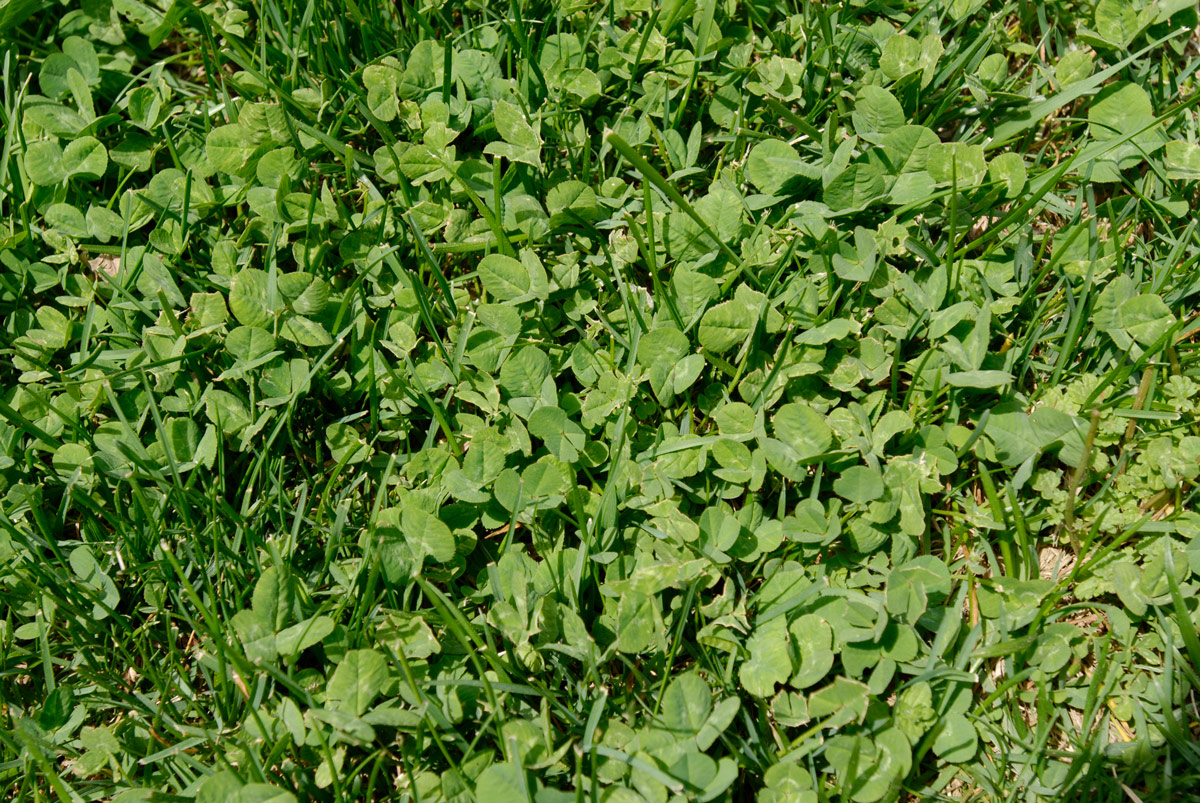
Image Source: naturalawn.com
Why Clover Appears in Your Lawn
Before we dive into how to get rid of it, let’s consider why clover might be thriving in your lawn. Clover often appears when grass is struggling. This can be due to several factors:
- Poor Soil Conditions: Compacted soil, low fertility, or incorrect soil pH can weaken grass, giving clover an advantage.
- Under-watering or Over-watering: Lawns that are stressed from improper watering are more susceptible to weed invasions.
- Mowing Too Short: Cutting your grass too low stresses the blades, making it harder for them to outcompete weeds.
- Lack of Nitrogen: Clover is a legume and can fix nitrogen from the air, turning it into a form that plants can use. Healthy grass needs nitrogen to grow thick and compete.
Methods for Clover Removal
There are several ways to tackle clover, ranging from manual efforts to chemical treatments. We’ll cover the most effective approaches to kill clover.
Manual Clover Removal
For small infestations, manual clover removal is a practical and environmentally friendly option.
Digging Out Clover
This method involves physically removing the clover plants and their roots from the lawn.
Steps for Manual Digging:
- Timing is Key: It’s best to do this after a rain or watering, when the soil is soft. This makes it easier to pull out the entire root system.
- Use the Right Tool: A trowel, a dandelion digger, or a specialized weed puller can be very effective. Look for tools with a forked tip that can get under the clover’s taproot.
- Get the Roots: Dig around the clover patch, aiming to get as much of the root as possible. The goal is to extract the entire plant to prevent regrowth.
- Fill the Holes: Once the clover is removed, fill the bare spots with topsoil and reseed with grass. This helps prevent new weeds from taking hold.
- Repeat as Needed: You may need to repeat this process a few times, especially if you miss some roots.
Pros of Manual Removal:
- Environmentally friendly.
- No chemicals involved.
- Effective for small patches.
Cons of Manual Removal:
- Time-consuming for large infestations.
- Can be physically demanding.
- May not remove all the roots, leading to regrowth.
Natural Clover Control Methods
For those who prefer to avoid chemicals, natural clover control offers effective alternatives. These methods focus on improving lawn health and using natural substances to deter clover.
Improving Lawn Health
A healthy, dense lawn is the best defense against weeds like clover.
- Proper Mowing: Set your mower to a higher setting. Taller grass shades the soil, preventing weed seeds from germinating and giving your grass roots a better chance to grow deep. Aim for around 3-4 inches in height.
- Consistent Watering: Water deeply but less frequently. This encourages grass to develop strong, deep root systems, making it more resilient to stress and competition.
- Fertilizing: Apply a balanced fertilizer at the right times of year to keep your grass strong and healthy. A good feeding program helps your grass outcompete clover. Consider using organic fertilizers.
- Aeration: If your soil is compacted, aerate your lawn. This allows air, water, and nutrients to reach the grass roots, promoting healthier growth.
- Overseeding: Fill in thin spots by overseeding with a quality grass seed blend. This increases lawn density.
Using Natural Substances
Some natural products can help manage clover.
- Corn Gluten Meal: This is a natural pre-emergent herbicide. When applied during the time clover seeds are trying to germinate, it can prevent them from establishing. It also acts as a natural fertilizer. However, its effectiveness can be variable, and it needs to be applied at the precise window for germination.
- Vinegar: Household vinegar (acetic acid) can kill clover on contact. However, it’s not selective. It will also kill grass. It works best on young weeds and requires repeated applications. Dilute stronger vinegar (like horticultural vinegar) if you use it, and apply it directly to the clover.
Pros of Natural Control:
- Environmentally sound.
- Safe for pets and children.
- Improves overall lawn health.
Cons of Natural Control:
- May take longer to see results.
- Requires consistent effort.
- Less effective for severe clover infestations.
Chemical Control: Herbicides for Clover
When natural methods aren’t enough, herbicides for clover can be a highly effective solution. It’s important to choose the right type of herbicide and apply it correctly.
Types of Herbicides for Clover
- Broadleaf Weed Killers: Clover is a broadleaf weed. These herbicides are designed to kill broadleaf plants while leaving grasses unharmed. Many common weed killers, like those that also tackle dandelion killer formulations, are effective against clover.
- Selective Herbicides: These are formulated to target specific types of weeds without damaging your lawn.
- Non-Selective Herbicides: These will kill any plant they come into contact with, including your grass. Use these with extreme caution, only targeting clover patches and avoiding desired grass.
How to Use Herbicides for Clover
- Read the Label Carefully: This is the most crucial step. The label will tell you how to apply the product, what rates to use, when to apply it, and what safety precautions to take.
- Choose the Right Product: Look for herbicides that specifically list clover as a target weed. Common active ingredients include 2,4-D, MCPP (mecoprop), and Dicamba. Some products combine these for broader weed control.
- Apply at the Right Time: The best time to apply herbicides is when clover is actively growing and before it sets seed. Early to mid-spring or early fall are generally good times. Avoid applying when temperatures are very high (over 85°F or 29°C) as this can damage your grass.
- Ensure Proper Application:
- Granular: Apply with a spreader for even coverage.
- Liquid: Use a sprayer. Ensure good coverage of the clover leaves. For spot treatments, use a small, targeted sprayer.
- Watering: Some herbicides work best when applied to dry foliage and then watered in later, while others are activated by moisture. Always follow label instructions.
- Safety: Wear gloves, long sleeves, and pants when applying herbicides. Keep children and pets away from the treated area until the product has dried or been watered in according to the label.
Examples of Broadleaf Weed Killers Effective Against Clover:
| Product Type | Common Active Ingredients | Notes |
|---|---|---|
| Liquid Broadleaf Killer | 2,4-D, MCPP, Dicamba | Effective for spot treatment or broadcast application. |
| Granular Broadleaf Killer | 2,4-D, MCPP, Dicamba (often mixed with fertilizer) | Applied with a spreader, good for even coverage. |
| Combination Products | 2,4-D, MCPP, Dicamba, and sometimes other weed killers | Can kill a wider range of weeds, including dandelion killer properties. |
Pros of Chemical Control:
- Highly effective and fast-acting.
- Can handle large infestations.
- Convenient.
Cons of Chemical Control:
- Can harm beneficial insects and pollinators if not used carefully.
- Potential environmental impact if misused.
- Requires careful handling and adherence to instructions.
- May require multiple applications.
Preventing Clover Growth: Long-Term Strategies
Once you’ve managed to kill clover, you’ll want to prevent clover growth from returning. This is where consistent lawn care is vital.
Maintaining a Healthy Lawn
As mentioned earlier, the best defense against any weed is a thick, healthy lawn.
- Proper Mowing Height: Continue to mow at the recommended height for your grass type.
- Adequate Watering: Deep, infrequent watering encourages strong root growth.
- Regular Fertilization: Feed your lawn appropriately to maintain its vigor and density.
- Aeration and Dethatching: Periodically aerate and dethatch your lawn to ensure good soil health and prevent thatch buildup, which can create favorable conditions for weeds.
Addressing Soil Issues
Clover often thrives in low-nitrogen soils and compacted conditions.
- Soil Testing: Get your soil tested to determine its pH and nutrient levels. Adjustments can be made based on the results.
- Nitrogen Application: Consistent nitrogen application through fertilizers helps your grass outcompete clover.
- Aeration: As mentioned, aeration relieves compaction and improves drainage and air circulation.
Overseeding and Filling Bare Spots
Don’t let bare patches linger. Clover seeds can easily germinate and establish in these open areas.
- Overseeding: Regularly overseed your lawn, especially in the fall, to thicken the turf and fill in thin areas.
- Prompt Repair: If you notice bare spots after clover removal, address them immediately with topsoil and grass seed.
When to Expect Results
The timeframe for seeing results depends on the method used and the severity of the infestation.
- Manual Removal: You’ll see immediate results for the plants you pull, but it can take weeks to ensure all roots are gone and regrowth is prevented.
- Natural Methods: Results from improving lawn health can take several months or even a full growing season to become apparent as your grass thickens.
- Herbicides: You may start to see clover wilting within a few days to a week after application, with complete die-off occurring within a couple of weeks.
Frequently Asked Questions About Clover Removal
Here are some common questions people have about getting rid of clover.
Q1: Can I use weed and feed products to kill clover?
A1: Yes, many “weed and feed” products contain broadleaf herbicides that are effective against clover. However, always check the product label to ensure clover is listed as a target weed. Remember that these products also apply fertilizer, so consider if your lawn needs feeding at that particular time.
Q2: Is clover bad for my lawn?
A2: Clover is not inherently bad for your lawn; in fact, it can add nitrogen to the soil. However, if you prefer a uniform grass appearance, or if clover is taking over, then its presence is undesirable.
Q3: Will clover come back after I kill it?
A3: Clover can return if its preferred growing conditions persist or if seeds are present in the soil. Continuous good lawn care practices are essential to prevent clover growth.
Q4: How often should I apply weed killer for clover?
A4: This depends on the product and the severity of the infestation. Many herbicides require a follow-up application 7-14 days later for best results. Always follow the specific product instructions on the label.
Q5: Can I use a lawn roller to flatten clover?
A5: A lawn roller is generally not effective for killing clover. It might temporarily flatten it, but it won’t remove the roots, and the clover will likely regrow.
Q6: What is the best time of year to treat clover?
A6: The best time is typically when clover is actively growing, usually in the spring or early fall when temperatures are moderate and there’s enough moisture.
By following these detailed steps and implementing consistent lawn care strategies, you can effectively kill clover and maintain a beautiful, healthy lawn for years to come. Remember that patience and persistence are key to successful clover removal and effective weed control.