
Can you get rid of clover in your lawn naturally? Yes, you absolutely can! There are many effective natural lawn care methods to combat clover without resorting to harsh chemicals. This guide will walk you through proven strategies, from manual removal to preventative measures, ensuring a healthy and beautiful lawn.
Clover, with its distinctive three-leaf structure (and sometimes four!), is a common sight in many lawns. While it has its benefits, like fixing nitrogen in the soil, its aggressive growth can quickly overwhelm desirable grass species. If you’re seeking natural clover infestation solutions, you’ve come to the right place. We’ll delve into various techniques to achieve organic weed control and maintain a lush, weed-free yard.
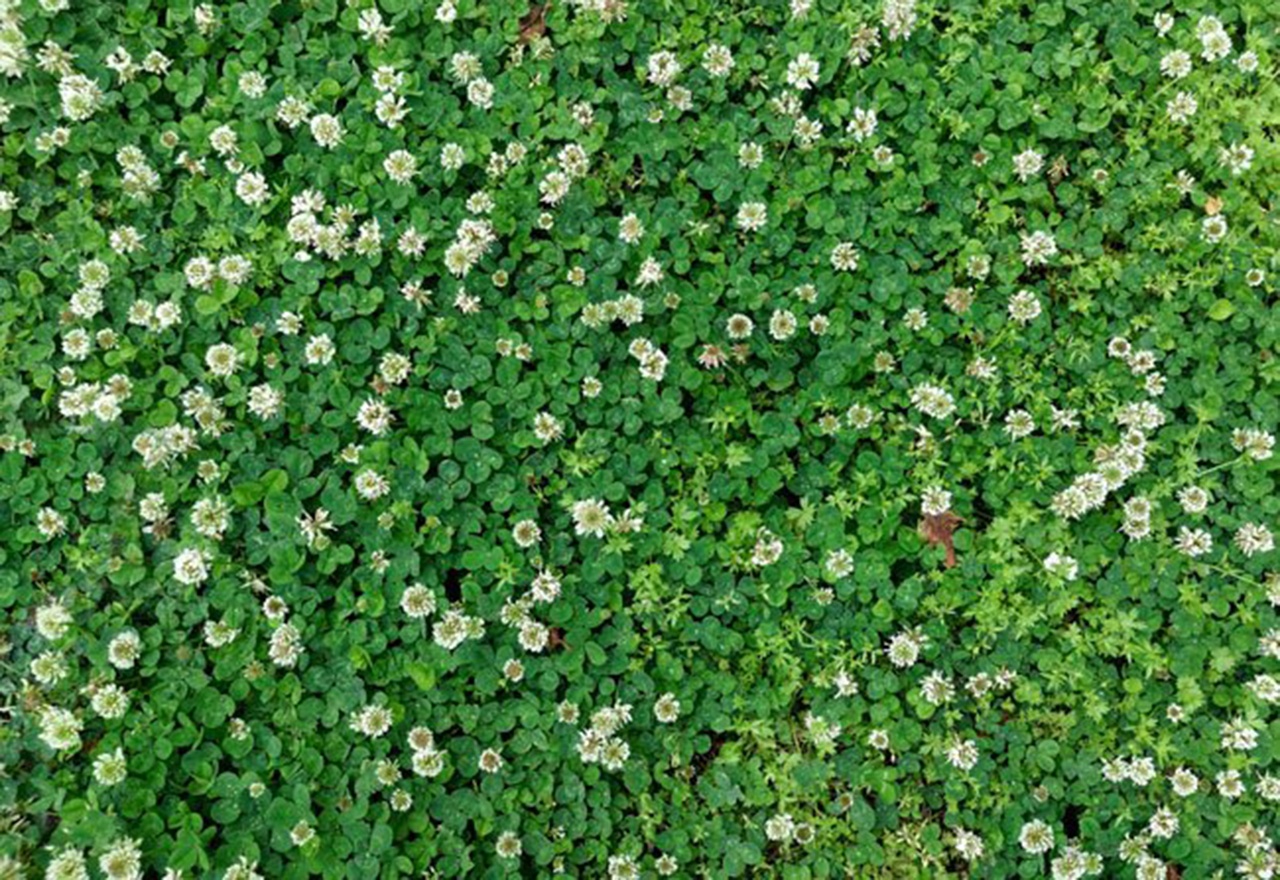
Image Source: www.whygoodnature.com
Why Clover Appears and Its Impact
Before we tackle removal, let’s briefly touch on why clover thrives and what its presence means for your lawn.
- Nitrogen Fixation: Clover is a legume, meaning it has a symbiotic relationship with bacteria in the soil that convert atmospheric nitrogen into a form usable by plants. This can actually benefit your lawn by providing a natural nitrogen source, leading to greener grass. However, when clover becomes dominant, it can create an uneven nitrogen distribution.
- Soil Conditions: Clover often indicates compacted soil or soil that is low in nitrogen. It prefers moist, compacted areas.
- Appearance: Its bright green leaves and white flowers can look attractive to some, but to many lawn enthusiasts, it’s an unwelcome weed. The flowers can also attract bees, which might be a concern for some homeowners.
Natural Methods for Clover Removal
Here, we’ll explore a range of natural approaches to banish clover from your lawn.
Manual Clover Removal: The Power of Your Hands
One of the most direct and eco-friendly ways to get rid of clover is through manual clover removal. This method requires a bit of effort but is highly effective, especially for smaller patches or scattered clover plants.
- When to Pull: The best time to pull clover is when the soil is moist, making it easier to extract the entire root system. After a good rain or watering session is ideal.
- Tools for the Job:
- Hand Trowel or Dandelion Digger: These tools are perfect for loosening the soil around the clover’s taproot.
- Gloves: Protect your hands from dirt and any potential irritants.
- Bucket or Bag: To collect the removed clover and prevent seeds from scattering.
- Technique:
- Get close to the base of the clover plant.
- Insert your tool next to the taproot.
- Gently pry the clover upwards, trying to lift the entire root.
- Twist and pull carefully to minimize root breakage. If the root breaks, you may need to go back and try to remove the remaining piece.
- Dispose of the pulled clover away from your lawn to prevent reseeding.
Hand pulling clover is a satisfying way to tackle the problem, offering immediate results for the areas you treat. It’s a cornerstone of natural lawn care.
Vinegar Lawn Treatment: A Natural Acidic Approach
A vinegar lawn treatment can be an effective way to kill clover on contact. However, it’s crucial to use the right type of vinegar and apply it correctly to avoid damaging your desired grass.
- Horticultural Vinegar: While household vinegar (5% acetic acid) can work, horticultural vinegar (10-20% acetic acid) is much more potent and is specifically designed for weed control. Always use caution when handling horticultural vinegar as it is acidic.
- Application:
- Spot Treatment: It’s best to apply vinegar directly to the clover. Use a spray bottle with a fine mist setting.
- Timing: Apply on a sunny, dry day. Vinegar works by desiccating the plant, and sunlight enhances this process. Avoid applying on windy days, as the spray can drift onto your grass.
- Coverage: Aim to coat the clover leaves thoroughly. The vinegar will break down the plant’s cells.
- Frequency: You may need to repeat applications for stubborn clover.
- Important Considerations:
- Non-Selective: Vinegar is a non-selective herbicide, meaning it will kill any plant it touches, including your grass. Be extremely precise in your application.
- Soil pH: Repeated use of vinegar can potentially lower the soil pH, so monitor your soil if you plan on frequent applications.
- Root System: Vinegar is a contact killer and may not always kill the entire root system of established clover plants, potentially leading to regrowth.
Corn Gluten Meal: A Pre-Emergent Powerhouse
Corn gluten meal is a natural product that acts as a pre-emergent herbicide. This means it prevents seeds from germinating. It’s an excellent tool for preventing clover growth before it even starts.
- How it Works: Corn gluten meal releases proteins that interfere with root formation in germinating seeds. It essentially creates an environment where seeds cannot establish a viable root system.
- Timing is Key: For maximum effectiveness against clover, apply corn gluten meal in early spring, before clover seeds have a chance to germinate. A second application in late summer or early fall can also help prevent overwintering clover or early spring germination.
- Application:
- Spread the corn gluten meal evenly across your lawn. A broadcast spreader works best for even distribution.
- Ensure the soil is slightly moist when applying, but avoid watering immediately afterward, as this can wash away the active proteins.
- Benefits Beyond Weed Control: Corn gluten meal is also a natural source of nitrogen, acting as a slow-release fertilizer for your lawn, promoting healthy grass growth. This dual action makes it a valuable component of organic weed control.
- Limitations: Corn gluten meal is ineffective against established clover plants. It only prevents germination.
Improving Lawn Health: The Best Defense
Often, clover thrives because the underlying grass is weak or the soil conditions are unfavorable for healthy grass growth. Improving your lawn’s overall health is one of the most effective long-term strategies for preventing clover growth and managing clover infestation solutions.
Lawn Aeration and Overseeding: Revitalizing Your Turf
Lawn aeration and overseeding are crucial practices for a robust lawn that can naturally outcompete weeds like clover.
- Aeration: This process involves removing small cores of soil from your lawn. This helps to:
- Reduce Soil Compaction: Clover loves compacted soil. Aeration loosens it, making it more hospitable to grass roots.
- Improve Air and Water Penetration: Roots need air and water to thrive. Aeration allows these to reach deeper into the soil.
- Enhance Nutrient Uptake: Better root systems mean more efficient nutrient absorption for your grass.
- Overseeding: After aeration, overseeding involves spreading new grass seed over your existing lawn. This is beneficial because it:
- Thickens the Turf: A dense, thick lawn leaves less space for weeds to germinate and grow.
- Introduces Stronger Grass Varieties: You can choose grass species that are more resistant to drought, disease, and competition.
- Replaces Thin or Damaged Areas: Fills in bare spots where clover might have been, or where grass is struggling.
When to Aerate and Overseed:
The best time for these practices depends on your grass type:
- Cool-Season Grasses (e.g., Kentucky Bluegrass, Fescue, Ryegrass): Early fall is ideal, allowing the new seed to establish before winter. Spring is also a good time.
- Warm-Season Grasses (e.g., Bermuda, Zoysia, St. Augustine): Late spring or early summer, after the last frost, is best.
Proper Mowing Techniques
How you mow your lawn significantly impacts its health and its ability to resist weeds.
- Mow High: Set your mower to a higher setting. For most cool-season grasses, this is around 3-4 inches. Taller grass shades the soil, preventing weed seeds from germinating and establishing. It also encourages deeper root growth in your grass.
- Never Remove More Than One-Third: Avoid cutting off more than one-third of the grass blade at a time. Cutting too much stresses the grass and makes it vulnerable to disease and weeds.
- Keep Mower Blades Sharp: Dull blades tear grass, creating ragged edges that are susceptible to disease and pests. Sharp blades make clean cuts, allowing the grass to heal quickly.
Fertilizing Wisely
While clover fixes nitrogen, your grass needs it too. A well-fed lawn is a strong lawn.
- Organic Fertilizers: Opt for organic weed control by using natural fertilizers like compost, aged manure, or slow-release organic blends. These feed the soil and provide nutrients gradually.
- Soil Testing: Before you fertilize, get a soil test. This will tell you what nutrients your lawn is lacking and the current pH of your soil. This prevents over-fertilization, which can harm your lawn and the environment.
- Timing: Fertilize at the appropriate times for your grass type to encourage healthy growth.
Other Natural Deterrents and Solutions
Beyond the primary methods, consider these additional natural approaches.
Molasses for Lawn Health
While not a direct weed killer, molasses can be used as a soil conditioner and a natural fertilizer. Some believe it can indirectly help combat weeds by boosting the health of the grass. It contains trace minerals and sugars that can encourage beneficial soil microorganisms.
- Application: Mix 2-3 tablespoons of unsulphured molasses with a gallon of water and apply to your lawn with a hose-end sprayer.
- Frequency: Apply once a month during the growing season.
Dethatching and Scarifying
A thick layer of thatch (dead grass and organic matter) can suffocate your lawn and create an ideal environment for clover and other weeds.
- Dethatching: This process removes the thatch layer. You can do this with a rake designed for dethatching or a mechanical dethatcher.
- Scarifying: Similar to dethatching, scarifying helps to break up the thatch layer and loosen the soil surface, preparing it for overseeding and encouraging healthier grass growth.
Proper Watering
Just as with mowing, watering habits play a crucial role in lawn health.
- Deep and Infrequent Watering: Water your lawn deeply but less often. This encourages grass roots to grow deeper, making the grass more resilient to drought and competition. Shallow, frequent watering leads to shallow root systems, which are more vulnerable.
- Avoid Overwatering: Soggy soil can encourage clover and other unwanted growth, while also promoting fungal diseases.
Combining Strategies for Optimal Results
The most effective approach to getting rid of clover naturally often involves a combination of methods. For instance:
- Start with Manual Removal: Tackle visible clover patches by hand pulling clover.
- Apply Corn Gluten Meal: In early spring and fall, use corn gluten meal to prevent new clover seeds from germinating.
- Improve Soil and Grass Health: Undertake lawn aeration and overseeding to create a denser, healthier turf that can outcompete clover.
- Maintain Proper Mowing and Watering: Implement natural lawn care practices like mowing high and watering deeply.
- Consider Spot Treatments (if needed): If a few stubborn clover plants persist, a carefully applied vinegar lawn treatment can be used as a last resort for those specific spots.
This integrated approach ensures that you are not only removing existing clover but also creating an environment where clover is less likely to return. It’s a holistic strategy for organic weed control.
Preventing Clover Growth: Long-Term Solutions
Preventing clover growth is an ongoing process that focuses on maintaining a healthy and vigorous lawn.
- Monitor Soil Conditions: Regularly check for soil compaction and address it with aeration. Test your soil’s nutrient levels and pH.
- Encourage Healthy Grass: A thick, well-maintained lawn is your best defense against weeds.
- Manage Thatch: Keep thatch layers to a minimum.
- Reseed Thin Areas: Don’t let bare spots linger; reseed them promptly.
- Be Patient: Natural lawn care takes time. Building a healthy ecosystem for your grass requires consistent effort and patience.
Clover Infestation Solutions: A Summary Table
Here’s a quick reference for the natural methods discussed:
| Method | Primary Action | Best For | Considerations |
|---|---|---|---|
| Manual Clover Removal | Physically removing plants and roots | Small patches, scattered plants | Labor-intensive, requires persistence |
| Vinegar Lawn Treatment | Contact herbicide (desiccates plant) | Spot treatment of stubborn clover | Non-selective, can harm grass, repeated application may be needed |
| Corn Gluten Meal | Pre-emergent (prevents seed germination) | Preventing clover growth | Ineffective on established plants, apply at the right time |
| Aeration & Overseeding | Improves soil, thickens turf | General lawn health, long-term prevention | Requires specific timing and equipment |
| Proper Mowing | Encourages deep roots, shades soil | Natural lawn care | Mow high, never remove more than 1/3 of the blade, keep blades sharp |
| Proper Watering | Promotes deep root growth | Natural lawn care | Water deeply and infrequently |
| Organic Fertilizers | Feeds soil and grass, boosts health | Organic weed control | Use based on soil test results |
| Dethatching/Scarifying | Removes thatch, loosens soil | Healthier grass growth, better nutrient uptake | Can be done mechanically or manually |
Frequently Asked Questions (FAQ)
Q1: Will vinegar kill my lawn if I spray it on clover?
A: Yes, vinegar is a non-selective herbicide. It will kill any plant it comes into contact with, including your grass. It’s crucial to apply it very carefully and directly to the clover.
Q2: How often should I use corn gluten meal?
A: For preventing clover growth, apply corn gluten meal twice a year: once in early spring before seeds germinate, and again in late summer or early fall.
Q3: Is clover actually bad for my lawn?
A: Clover is a nitrogen fixer, which can be beneficial. However, if it becomes dominant, it can create an uneven lawn and is often considered an undesirable weed by many homeowners seeking a uniform turf.
Q4: Can I use horticultural vinegar on my entire lawn?
A: No, it is not recommended to use horticultural vinegar on your entire lawn. It’s too potent and will likely kill your grass along with any weeds. It’s best reserved for spot treatments.
Q5: How can I tell if my soil is compacted?
A: Signs of compacted soil include poor drainage, water pooling on the surface, and grass that struggles to grow or appear stressed. You can also test by trying to push a screwdriver or probe into the soil; if it’s difficult to push in, your soil is likely compacted.
By embracing these natural methods, you can effectively manage and eliminate clover from your lawn, contributing to a healthier, more sustainable yard. It’s a journey of natural lawn care that rewards you with a beautiful, thriving green space.