
Can you get rid of dandelions on your lawn? Yes, you absolutely can! This comprehensive guide will walk you through everything you need to know about tackling those pesky yellow flowers and keeping your lawn looking its best.
Dandelions, with their bright yellow blooms and fluffy white seed heads, are a common sight in many lawns. While they can be cheerful in a wildflower meadow, they’re often considered unwelcome invaders on a manicured turf. Their deep taproots make them resilient, and their wind-borne seeds can quickly colonize new areas. But don’t despair! With the right approach, you can effectively manage and eliminate dandelions from your lawn. Whether you’re looking for natural dandelion removal, organic weed control, or more aggressive chemical dandelion treatments, this guide covers it all. We’ll delve into lawn care for dandelions, explore DIY dandelion eradication, identify the best dandelion killers, and provide strategies for removing yellow flowers from grass. Crucially, we’ll also discuss preventing dandelion spread and cover various dandelion control methods, including effective manual dandelion removal.
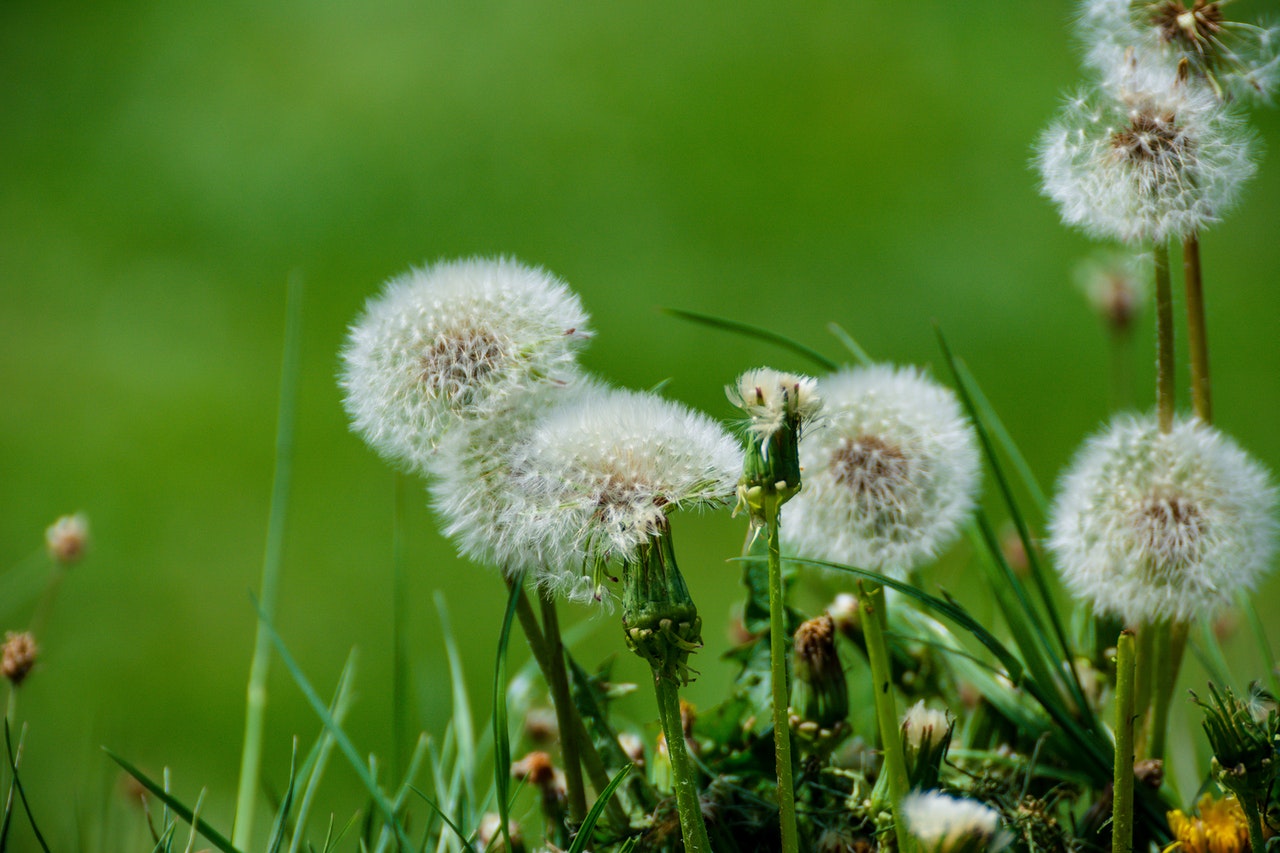
Image Source: organiclawnsbylunseth.com
Why Dandelions Take Over Your Lawn
Before we can effectively fight dandelions, it’s helpful to understand why they thrive. These hardy plants are survivors.
- Deep Taproots: Dandelions possess a strong, central taproot that can grow up to 10 inches long. This deep root system anchors them firmly, making them difficult to pull by hand, and it allows them to access water and nutrients far below the surface. This taproot also stores energy, allowing the plant to regrow even if the top is removed.
- Prolific Seed Production: A single dandelion plant can produce an astonishing number of seeds – sometimes over 15,000 in a single season! These seeds are attached to a feathery parachute-like structure called a pappus, which allows them to be carried long distances by the wind, making preventing dandelion spread a constant challenge.
- Adaptability: Dandelions are not picky eaters. They grow in a wide range of soil types, pH levels, and light conditions. They are particularly fond of lawns that are thin, stressed, or have compacted soil, as these conditions offer less competition from healthy grass.
- Early Bloomers: Dandelions are often among the first weeds to emerge in spring, taking advantage of the cooler temperatures and available sunlight before the turfgrass fully greens up. This early start gives them a significant advantage.
Identifying Dandelions: More Than Just Yellow Flowers
While the iconic yellow flower is the most obvious sign, there are other characteristics to look for when identifying dandelions in your lawn.
Key Identification Features:
- Leaves: Dandelions have basal leaves, meaning they grow directly from the base of the plant. These leaves are deeply toothed, often described as “lion’s teeth” (which is where the name “dandelion” comes from – dent de lion in French). The leaves form a rosette, lying flat on the ground.
- Flower Stalk: The flower stalk is hollow and leafless, rising directly from the center of the rosette.
- Flower: The bright yellow flower is actually a composite of many small ray florets.
- Seed Head: After flowering, the yellow petals wither, and the flower head transforms into a sphere of fluffy white seeds, commonly known as a “puffball” or “clock.” Each seed is attached to a pappus that facilitates wind dispersal.
- Taproot: As mentioned, a thick, fleshy taproot is characteristic.
What is the lifecycle of a dandelion?
The lifecycle of a dandelion is continuous and efficient. It begins with a seed, which germinates when conditions are right (often in cool, moist soil). A small rosette of leaves forms, and the taproot begins to grow. Within a few months, the plant matures and sends up a flower stalk. After the yellow flower blooms and is pollinated, it develops into the familiar white seed head. Once the seeds are dispersed, the parent plant may continue to produce more flowers and seeds throughout the season. The taproot stores energy, allowing the plant to survive winter and regrow vigorously in the spring.
Your Arsenal of Dandelion Control Methods
Tackling dandelions requires a multi-pronged approach. The best strategy often combines several methods to achieve the most effective and long-lasting results. We’ll explore both proactive and reactive techniques.
Proactive Strategies: Building a Healthy Lawn to Resist Weeds
The best defense against dandelions is a thick, healthy lawn. Strong turfgrass outcompetes weeds for sunlight, water, and nutrients, making it harder for dandelion seeds to germinate and establish.
Key Lawn Care Practices for Dandelion Prevention:
- Proper Mowing:
- Mow High: Set your mower to a higher setting. Taller grass (around 3 inches) shades the soil, making it more difficult for weed seeds to germinate. It also encourages deeper root growth in your lawn.
- Sharp Blades: Ensure your mower blades are sharp. Dull blades tear grass, creating ragged edges that are more susceptible to disease and stress, which weeds can exploit.
- Mulch Clippings: Leave grass clippings on the lawn. They act as a natural fertilizer and help retain soil moisture.
- Consistent Watering:
- Deep and Infrequent: Water your lawn deeply but less often. This encourages grass roots to grow deeper, making the lawn more drought-tolerant and resilient. Avoid frequent, shallow watering, which promotes shallow root systems in both grass and weeds.
- Regular Fertilization:
- Balanced Nutrition: Feed your lawn with a balanced fertilizer according to soil test recommendations. Healthy, well-fed grass is better able to compete with weeds. Apply fertilizer at the right times of the year for your grass type.
- Aeration:
- Improve Soil Structure: Aerate your lawn annually or biannually. This process removes small plugs of soil, which relieves compaction and improves air, water, and nutrient penetration to the roots. Compacted soil is a prime environment for weeds.
- Overseeding:
- Fill in Gaps: Overseed thin areas of your lawn, especially in the fall. This introduces new grass seedlings that will fill in bare patches, leaving less room for dandelions to establish. Use a quality grass seed blend suitable for your climate and lawn conditions.
Reactive Strategies: Dealing with Existing Dandelions
Once dandelions have taken root, you’ll need to employ specific removal techniques.
Manual Dandelion Removal: The Power of Your Hands
Manual dandelion removal is an excellent option for small infestations or for those seeking natural dandelion removal and organic weed control. It’s also a highly effective method when done correctly.
Tools for Manual Removal:
- Dandelion Puller/Weeder: These tools are designed to reach deep taproots. They typically have a long shaft with a fork-like or pronged end. You push the prongs into the soil around the dandelion and lever the entire plant out, root and all.
- Soil Knife/Trowel: A sturdy trowel or a specialized soil knife can also be used to dig around the dandelion and loosen the soil for easier extraction.
- Gloves: Protect your hands, especially if dealing with many weeds.
How to Manually Remove Dandelions Effectively:
- Timing is Key: The best time to pull dandelions manually is after a good rain or watering. The soil will be soft, making it much easier to extract the entire taproot. If you pull a dandelion when the soil is dry and hard, the root is likely to break, leaving a portion in the ground to regrow.
- Get Close to the Base: Position your tool as close to the base of the dandelion plant as possible.
- Dig and Pry: Insert the tool into the soil around the root. Gently pry the tool upwards to loosen the soil and lift the dandelion. The goal is to remove the entire taproot.
- Inspect the Root: Once removed, examine the root. If you see any pieces remaining, dig a little deeper to remove them.
- Dispose Properly: Do not compost dandelions that have gone to seed, as this can spread them further. Place them in a sealed bag and dispose of them in the trash.
Pros of Manual Removal:
- Environmentally friendly.
- No chemicals used.
- Immediate visual improvement.
- Effective if the entire root is removed.
Cons of Manual Removal:
- Time-consuming for large infestations.
- Requires physical effort.
- Risk of breaking the root if not done carefully, leading to regrowth.
Natural Dandelion Removal and Organic Weed Control
For gardeners committed to organic weed control and natural dandelion removal, several methods are highly effective.
Boiling Water: A Simple Solution
A straightforward approach for DIY dandelion eradication is using boiling water.
- Method: Carefully pour boiling water directly onto the dandelion plant, ensuring you saturate the base and root. The heat will kill the plant tissue.
- Caution: Be very careful not to splash yourself or the surrounding desirable grass, as boiling water will kill any plant it touches. This method is best for dandelions growing in cracks in sidewalks or patios, or in isolated spots in the lawn where you can precisely target the weed.
- Effectiveness: It’s effective for killing the top growth and can damage the root, but repeat applications may be necessary for stubborn plants.
Vinegar (Horticultural Grade): A Natural Herbicide
Household vinegar (5% acetic acid) can have some effect on young dandelions, but for more potent natural dandelion removal, horticultural vinegar (10-20% acetic acid) is more effective.
- Method: Spray vinegar directly onto the dandelion leaves on a sunny day. The acetic acid breaks down the plant’s cell walls, causing it to dry out and die.
- Caution: Horticultural vinegar is non-selective, meaning it will kill any plant it contacts, including your lawn grass. Use with extreme caution, targeting only the dandelion. It is also corrosive, so wear protective eyewear and gloves.
- Effectiveness: It’s most effective on young, actively growing weeds. Mature plants with established taproots may require multiple applications. It primarily kills the top growth, and the root might survive and regrow.
Corn Gluten Meal: A Pre-Emergent Option
Corn gluten meal is an organic weed control product that acts as a pre-emergent. This means it inhibits root development in germinating seeds.
- How it Works: Applied to the lawn in early spring (before dandelion seeds germinate) and again in the fall, corn gluten meal releases proteins that interfere with root formation in newly sprouted seedlings.
- Application: Apply at a rate of about 20 pounds per 1,000 square feet. It also provides a nitrogen boost to the lawn.
- Effectiveness: It’s most effective at preventing new weed seeds from sprouting. It won’t kill existing dandelions. You must time the application perfectly for it to be effective.
Salt: Use with Extreme Caution
While salt (sodium chloride) can kill weeds, it is highly damaging to soil health and can sterilize the ground, making it impossible for grass or other plants to grow for a long time.
- Method: A very small amount of salt can be dissolved in water and applied to individual dandelions.
- Caution: This is generally not recommended for lawn use due to its long-term negative impact on soil. It is far better suited for cracks in pavement where you don’t want anything to grow.
- Effectiveness: Kills plants by dehydrating them, but the residue remains in the soil.
Chemical Dandelion Treatments: Targeted Solutions
When natural dandelion removal isn’t enough, or for larger infestations, chemical herbicides can be a quick and effective solution. It’s crucial to choose the right product and apply it correctly to minimize damage to your lawn.
Understanding Herbicide Types:
- Selective Herbicides: These are designed to kill specific types of plants (weeds) while leaving others (grass) unharmed. For dandelions, you’ll want a broadleaf herbicide.
- Pre-emergent Herbicides: Applied before weed seeds germinate, these prevent new weeds from sprouting.
- Post-emergent Herbicides: Applied to actively growing weeds, these kill the plant. Dandelions are most susceptible to post-emergent herbicides when they are actively growing and before they set seed.
Best Dandelion Killers: Common Active Ingredients
When looking for best dandelion killers, you’ll find many products containing a combination of the following active ingredients:
- 2,4-D: A widely used selective herbicide that targets broadleaf weeds.
- Dicamba: Another effective broadleaf herbicide that works well in combination with 2,4-D.
- MCPP (Mecoprop): Often found in lawn weed killers, it’s effective against broadleaf weeds like dandelions.
- Triclopyr: A potent herbicide that controls a wide range of broadleaf weeds.
- Quinclorac: Effective against crabgrass and some broadleaf weeds.
- Mesotrione: A newer herbicide that can be used on some turfgrasses and controls many broadleaf weeds and grasses.
Application Tips for Chemical Treatments:
- Read the Label: This is the most important step. Always read and follow the product label directions carefully. The label will specify which turfgrasses the product is safe for, the correct application rate, the best time to apply, and safety precautions.
- Timing: Apply post-emergent herbicides when dandelions are actively growing, usually in the spring or fall when temperatures are between 60-85°F (15-29°C). Avoid applying during hot, dry weather, as this can stress your lawn and increase the risk of herbicide damage.
- Targeted Application: If you have a spot sprayer, use it to apply the herbicide directly to the dandelions, avoiding overspray onto desirable plants or turf.
- Don’t Mow Before or After: Avoid mowing your lawn for 2-3 days before and after applying herbicides. This allows the weeds to absorb the chemical more effectively.
- Combination Products: Many lawn care products contain a fertilizer and herbicide combination, which can be convenient. However, ensure you only fertilize when your lawn needs it.
Other Dandelion Control Methods
Herbicidal Soaps and Oils
These products, often based on fatty acids or essential oils, work by disrupting the cell membranes of the weed, causing it to dry out.
- Effectiveness: They are generally less persistent than synthetic herbicides and require repeated applications. They are also non-selective and can harm grass if not applied carefully.
- Use: Best for spot treatment of isolated dandelions.
Flame Weeding
This method involves using a propane torch to briefly pass a flame over the weed, causing its cells to burst and the plant to wilt and die.
- Effectiveness: Can be effective on young dandelions but is generally a post-emergent solution. It requires careful application to avoid damaging desirable plants or starting fires. The root can often survive.
- Use: Best for non-lawn areas like patios and walkways.
DIY Dandelion Eradication: Putting it All Together
DIY dandelion eradication is achievable with a thoughtful plan. Here’s a sample strategy:
Spring:
- Early Spring (March/April):
- Apply a pre-emergent herbicide like corn gluten meal to prevent new germination.
- If you see early dandelions, use manual dandelion removal to pull them while the soil is moist.
- If you choose chemical treatment, apply a selective post-emergent herbicide once temperatures are consistently in the 60-85°F range, and dandelions are actively growing.
- Late Spring (May/June):
- Continue manual dandelion removal as needed, prioritizing plants that have escaped early treatment.
- If you notice any missed dandelions before they go to seed, remove them promptly.
Summer:
- Maintain healthy lawn practices (mowing high, watering deeply).
- Spot treat any new dandelions that emerge with manual removal or a targeted application of a selective herbicide.
Fall:
- Early Fall (September/October):
- This is an ideal time for post-emergent herbicide application as dandelions are storing energy in their roots for winter, making them susceptible.
- Continue manual dandelion removal as a primary method if preferred.
- Consider applying corn gluten meal again for the following spring.
- Late Fall:
- Final manual pull of any remaining dandelions.
Preventing Dandelion Spread: The Long Game
Preventing dandelion spread is key to long-term success.
- Remove Seed Heads: If you can’t get to a dandelion before it goes to seed, at least snip off the yellow flower or the white puffball before it can disperse its seeds. A small bag can be placed over the seed head before cutting to catch any loose seeds.
- Maintain a Healthy Lawn: As discussed, a dense, healthy lawn is the best deterrent.
- Avoid Soil Disturbance: Minimize areas of bare soil where weed seeds can easily germinate.
- Water Wisely: Overwatering can encourage shallow root growth in both grass and weeds.
Dandelions in Specific Areas: Sidewalks and Patios
Dandelions often sprout in cracks in sidewalks, driveways, and patios. These are areas where natural dandelion removal is often the preferred and most effective approach.
- Boiling Water: Ideal for these situations as there’s no risk to desirable lawn grass.
- Vinegar (Horticultural Grade): Effective for killing weeds in cracks.
- Manual Removal: Tools like a sturdy screwdriver or a crack weeder can help dig out dandelions and their roots from these tight spaces.
- Salt: Can be used sparingly in pavement cracks where you don’t want anything to grow, but be mindful of its persistence.
Removing Yellow Flowers from Grass: A Visual Guide
When you see those bright yellow flowers dotting your lawn, it’s time for action.
- Assess the Infestation: How many dandelions are there? Are they scattered or concentrated?
- Choose Your Method:
- Few Dandelions: Grab a trowel or dandelion puller for manual dandelion removal.
- Moderate Infestation: Consider a selective broadleaf herbicide, applied according to label instructions, or continue with diligent manual pulling.
- Severe Infestation: A broadcast application of a selective herbicide might be the most efficient solution, but always prioritize proper application and safety.
- Act Quickly: The sooner you address them, the less likely they are to spread their seeds.
Dandelion Control Methods at a Glance
Here’s a quick comparison of common dandelion control methods:
| Method | Best For | Pros | Cons |
|---|---|---|---|
| Manual Removal | Small infestations, organic approach | Environmentally friendly, no chemicals, immediate result | Labor-intensive, root can break, time-consuming |
| Boiling Water | Isolated weeds, cracks in pavement | Simple, natural, readily available | Non-selective, risk of scalding grass, may need repeat applications |
| Vinegar (Horticultural) | Spot treatment, cracks in pavement | Natural, readily available | Non-selective, requires caution, may need repeat applications, root can survive |
| Corn Gluten Meal | Pre-emergent control | Organic, natural fertilizer | Timing is critical, doesn’t kill existing weeds |
| Selective Herbicides | Moderate to severe infestations, lawn care | Effective, targets broadleaf weeds, long-lasting | Chemical use, potential for lawn damage if misapplied, environmental impact |
| Herbicidal Soaps/Oils | Spot treatment | More natural than synthetic herbicides | Non-selective, requires repeat applications, can harm grass |
| Flame Weeding | Pavement cracks, hard surfaces | Chemical-free, quick | Risk of fire, non-selective, root can survive |
Frequently Asked Questions About Dandelion Removal
Q1: When is the best time of year to get rid of dandelions?
The best times are early spring when they first emerge and fall, after the heat of summer has passed but before the ground freezes. Dandelions are actively growing and storing energy in their roots during these periods, making them most susceptible to herbicides and manual removal.
Q2: Can I prevent dandelions from coming back next year?
Yes, consistent lawn care for dandelions is crucial. Maintain a healthy, dense lawn through proper mowing, watering, and fertilization. Applying a pre-emergent herbicide like corn gluten meal in early spring and fall can also help prevent new seedlings from establishing.
Q3: Is it better to use chemicals or natural methods for dandelion removal?
It depends on your priorities and the severity of the infestation. Natural dandelion removal is ideal for eco-conscious gardeners or small patches. For widespread or stubborn infestations, selective chemical dandelion treatments can be more efficient, but they require careful application to protect your lawn and the environment. Many people find a combination of methods works best.
Q4: My dandelions keep coming back even after I pull them. What am I doing wrong?
The most common reason for dandelions returning is not removing the entire taproot. The taproot is a powerhouse for regrowth. Ensure you are pulling on moist soil and using a tool that helps extract the whole root. If the root breaks, the plant can regenerate.
Q5: Are dandelions harmful to my lawn?
While not directly harmful in the way a disease might be, dandelions compete with your turfgrass for essential resources like water, nutrients, and sunlight. Their presence indicates that your lawn may be thin or stressed, which makes it more vulnerable to other problems. Removing them improves the overall health and appearance of your lawn.
By employing these strategies, you can effectively manage and eliminate dandelions, ensuring a lush, green, and weed-free lawn. Remember that patience and persistence are key to successful DIY dandelion eradication and long-term organic weed control.